





 Portuguese
  English
  Spanish
  5 min of reading
  4 comments


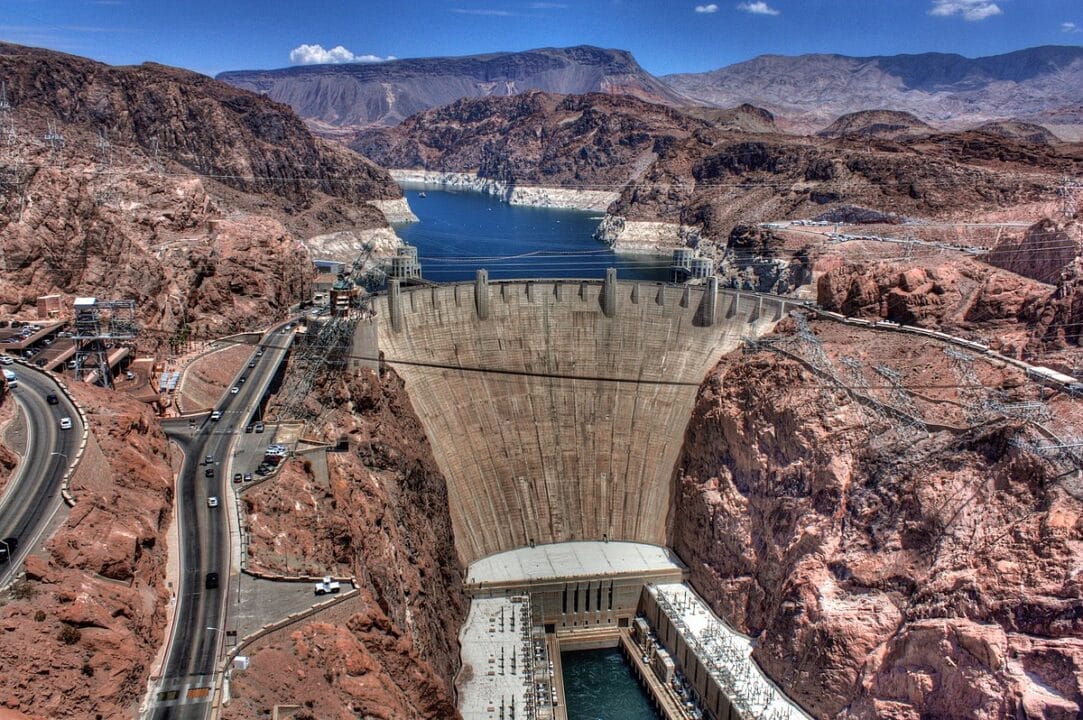

Hoover Dam Is An Impressive Engineering Wonder That Houses 17 Turbines And Generators, With An Impressive Capacity To Generate 2,080 MW Of Energy.
The magnificent Hoover Dam, built 80 years ago, still stands strong and serves the United States in the areas of irrigation, flood control, and power generation. Even during torrential rain, you will not see the Hoover Dam causing destruction or overflowing. This structure is a masterpiece of modern engineering, a feat of planning, construction, and innovation that continues to impress and inspire those who study the history of civil engineering.
The engineering secrets of the Hoover Dam are fascinating. In this article, we will explore the challenges faced and the innovative solutions developed by American engineers to tame the Colorado River and erect one of the largest dams in the world. We will reveal how the Hoover Dam not only remains a robust and functional structure but also a symbol of progress and human skill. Through this journey, you will understand the magnitude of the efforts undertaken and the advanced techniques used to ensure that this engineering marvel continues to play its vital role in American society.
Construction of the Wonder: Secrets of Hoover Dam Revealed


Controlling The Concrete: The Key To The Dam Stability
One of the main challenges faced by the engineers of the Hoover Dam was the need to deal with the contraction of concrete during curing. Mr. John Savage, the chief engineer of the project, adopted a clever solution: leaving a six-foot-wide gap in the center of the dam. This gap allowed the concrete to shrink during curing, preventing the formation of cracks that could compromise the integrity of the structure.
-
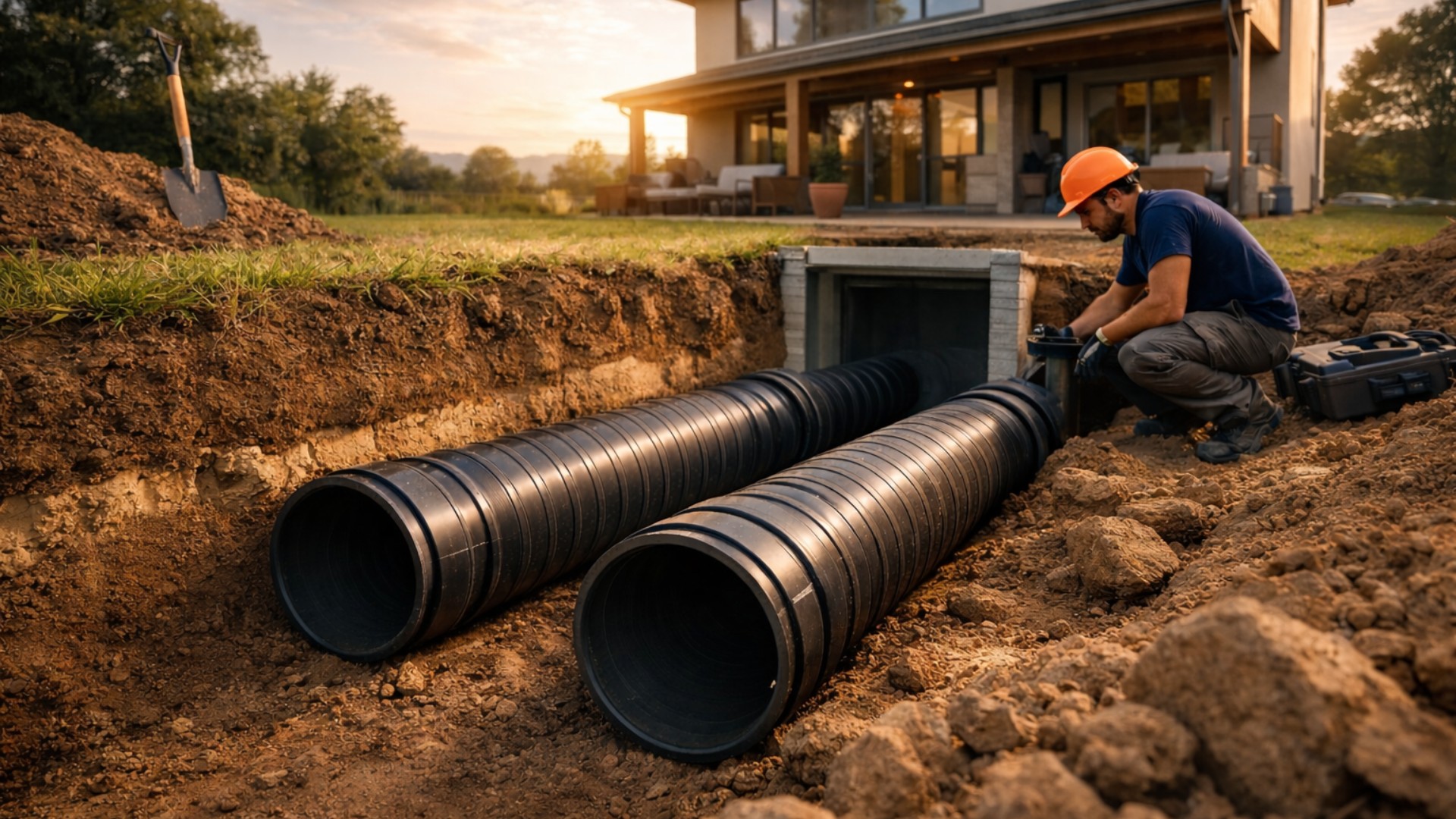
Architects are burying plastic pipes 2 meters deep and using ducts up to 30 meters long to cool homes without electricity, with low-consumption fans and natural heat exchange that drastically cuts the electricity bill.
-
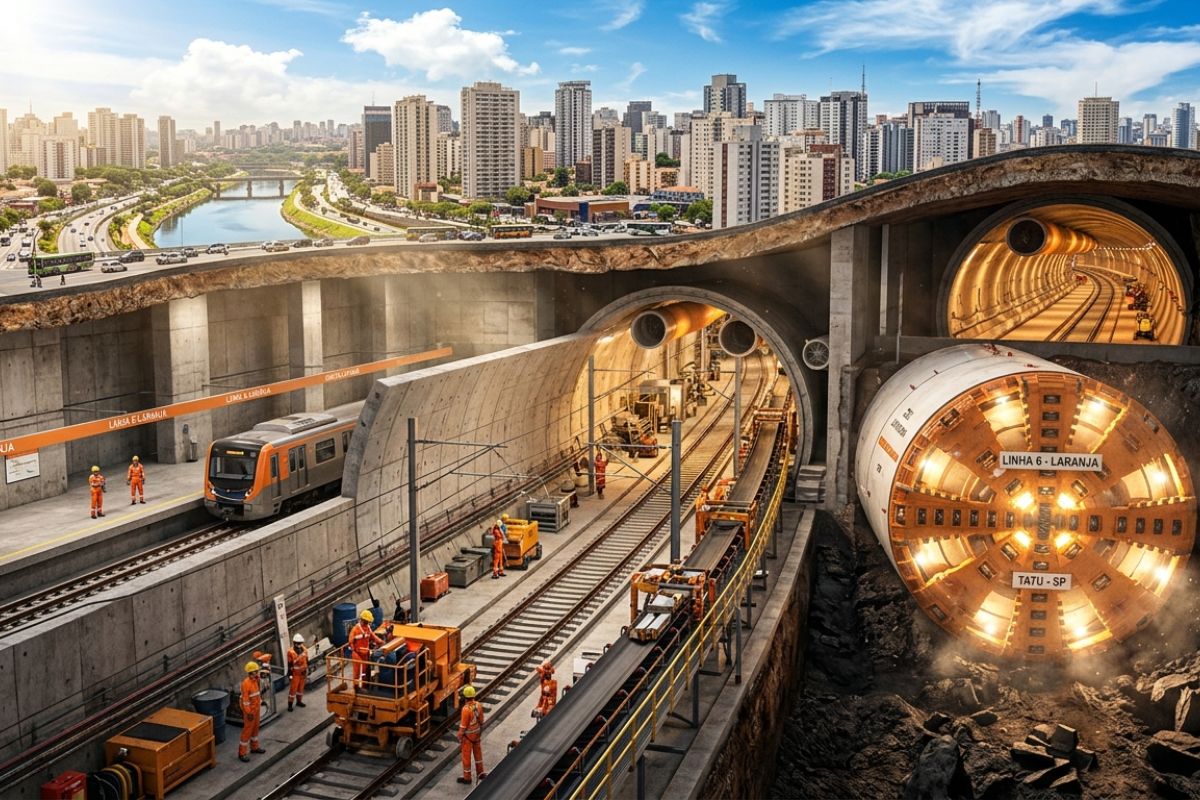
Under São Paulo, Line 6-Orange reaches 15.3 km and 15 stations, promising 23 minutes from Brasilândia to the Center and 633,000 passengers per day; with autonomous trains, it will open a partial section in October 2026.
-
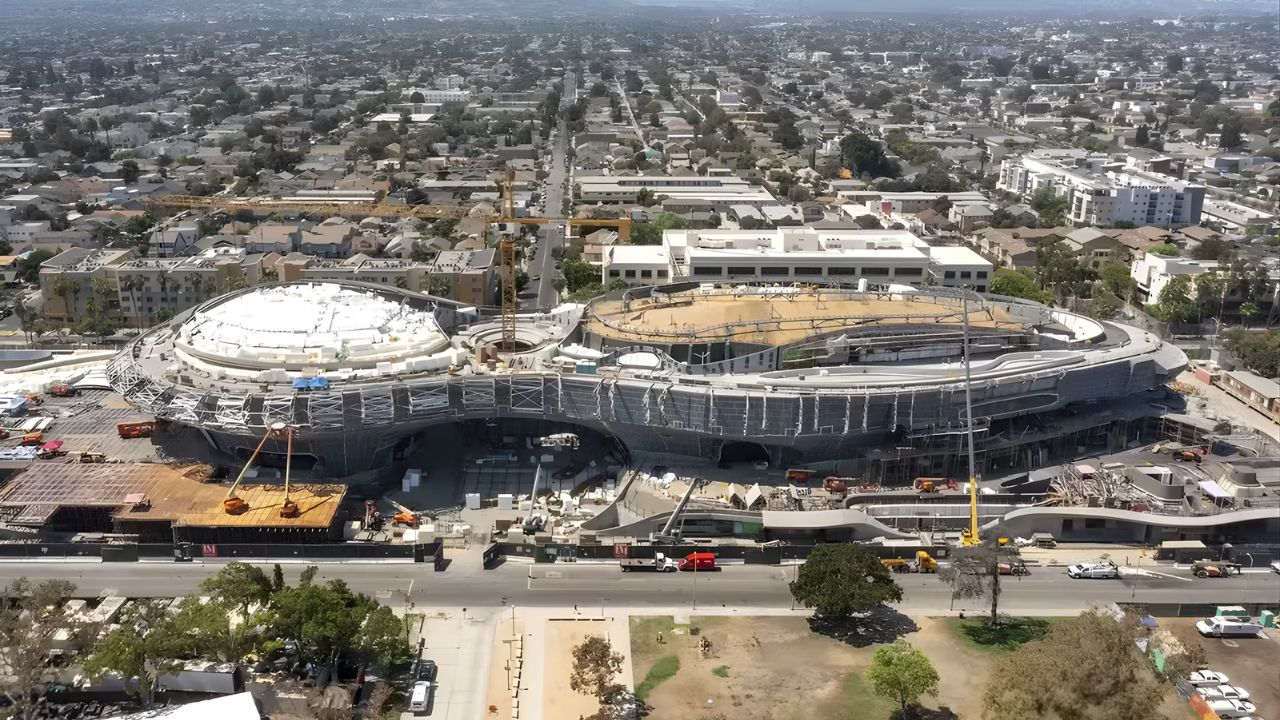
Created by George Lucas with over $1 billion, a futuristic museum in the shape of a spaceship with 1,500 curved panels is about to open in Los Angeles and will house one of the largest private collections of narrative art in the world.
-
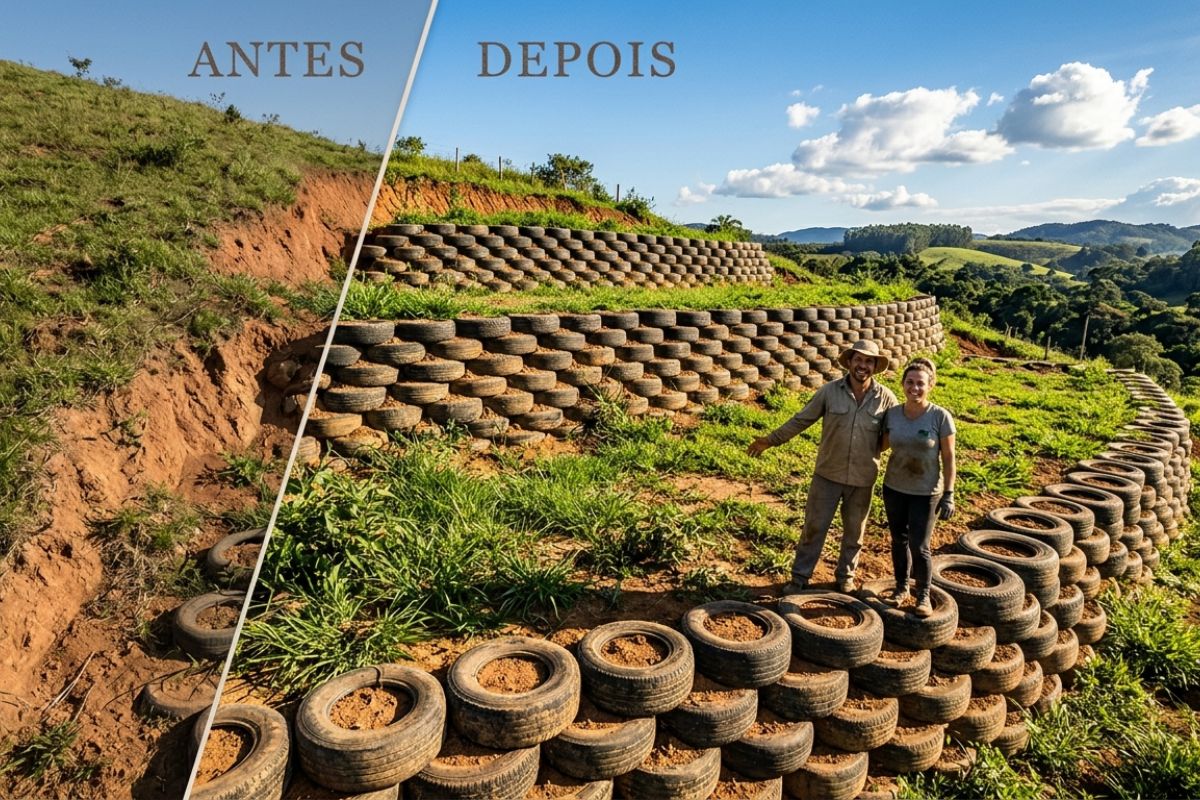
Couple shows how they built a retaining wall on their property using 400 old tires: sloped land turned into plateaus, tires are aligned, filled, and compacted with layers of soil, with grass helping in support and at almost zero cost.

After curing, the engineers filled this gap with a special concrete, creating a solid connection between the concrete blocks. This innovative approach demonstrates the engineers’ ability to anticipate challenges and develop creative solutions to ensure the stability of the dam.
Taming The Colorado River: The Feat Of Diverting A Giant
Even before construction of the dam began, the engineers faced a fundamental obstacle: the turbulent Colorado River. This Herculean task required the construction of four massive tunnels around the construction site, allowing the river to flow without disturbing the construction activities.
The invention of the Jumbo drilling machine, capable of accommodating up to 30 air-operated drills, was crucial for excavating these tunnels. After controlled explosions with dynamite, the workers meticulously cleared the debris and concreted the tunnels, ensuring their stability.
With the diversion tunnels completed, the engineers were able to build temporary dams, known as cofferdams, to completely dry out the construction site. This engineering feat allowed the team to work safely and efficiently on the dam construction.
Solid Foundations: Preparing The Ground For The Dam
Before beginning the concreting of the dam, the engineers had to carefully prepare the ground. They removed all weathered and weak rocks, cutting both mountains to fit the exact shape and size of the dam body. This Herculean task involved the use of dynamite explosions and pneumatic hammers, reaching an impressive depth of 90 meters to find the hard substrate, a solid section of rock.
This meticulous preparation of the ground was essential to ensure the stability of the dam, preventing the structure from succumbing to the high hydrostatic pressure when the reservoir was filled.
Strategic Concreting: The Construction Of The Dam Block By Block
The concreting of the Hoover Dam was a complex and meticulous operation. The engineers opted for a block-by-block concreting method, with the advantage of facilitating the dissipation of heat generated during the process. They also opened spaces for the installation of water pipes, allowing the cooling of the structure.
One of the notable innovations was the concrete dumping mechanism developed by the engineers. Using an articulated bucket system, they were able to pour the concrete quickly and efficiently, speeding up the construction process.
Strategic Drainage: Ensuring The Stability Of The Dam
One of the key elements of the engineering behind the Hoover Dam was the drainage or inspection galleries. These structures were designed to reduce the uplifting force caused by water infiltration below the dam, preventing the structure from becoming unstable.
The drainage holes filled with mortar sucked in the infiltrated water from the foundation, relieving the uplift pressure. This simple yet effective solution demonstrates the engineers’ ability to anticipate and solve potential problems, ensuring the stability of the dam.
Generating Energy: The Heart Of The Hoover Dam
The Hoover Dam is not only an impressive civil engineering feat, but also a major center for electricity generation. The U-shaped installation houses 17 Francis turbines and generators, with an impressive capacity of 2,080 MW.
The transportation and installation of these gigantic turbines and generators were carried out with the help of an innovative cable car system, which allowed for the precise movement and positioning of these heavy components.
The intake towers and the coated steel gates were carefully designed to channel water from the reservoir to the turbines, ensuring the efficiency of energy generation.
The Safety Of The Dam
To ensure the safety of the Hoover Dam, the engineers designed an overflow system located 27 feet below the top of the structure. These overflow tunnels allow excess water to be discharged in a controlled manner, preventing overflow and potential damage to the dam.
The rotating mechanism of the overflow gates allows authorities to adjust the flow of water, keeping the reservoir level within safe limits.
A Masterpiece Of Civil Engineering
The Hoover Dam is a true masterpiece of modern engineering, the result of years of planning, construction, and innovation. American engineers faced monumental challenges, such as taming the Colorado River, ensuring the stability of the structure, and generating electricity on an impressive scale.
The creative solutions and cutting-edge engineering employed in the construction of the Hoover Dam have made it a landmark of civil engineering, inspiring generations of professionals to pursue excellence in their projects. This fascinating story demonstrates the power of engineering to transform nature and meet the needs of society.
I would love to hear what you think of this incredible dam. Let us know in the comments section if you are a construction professional and have participated in a giant project like this. Don’t forget to leave 5 stars and activate CPG notifications to stay updated on all the news in the automotive world. See you next time!









Uma ode à capacidade humana!
Fantástico, né, Mancambira? Enquanto aqui só se faz armaque, sem contar o superfaturamento, no qual ganham empresários e administradores e nós ficamos com as ****, como bem se diz no romance Noite em Paris publicado no blogue noite-em-paris.
Muito interessante. Trabalhoso e fascinante cada etapa da construção. Parabéns pelo conteúdo!