





 Portuguese
  English
  Spanish
  4 min of reading
  0 comments


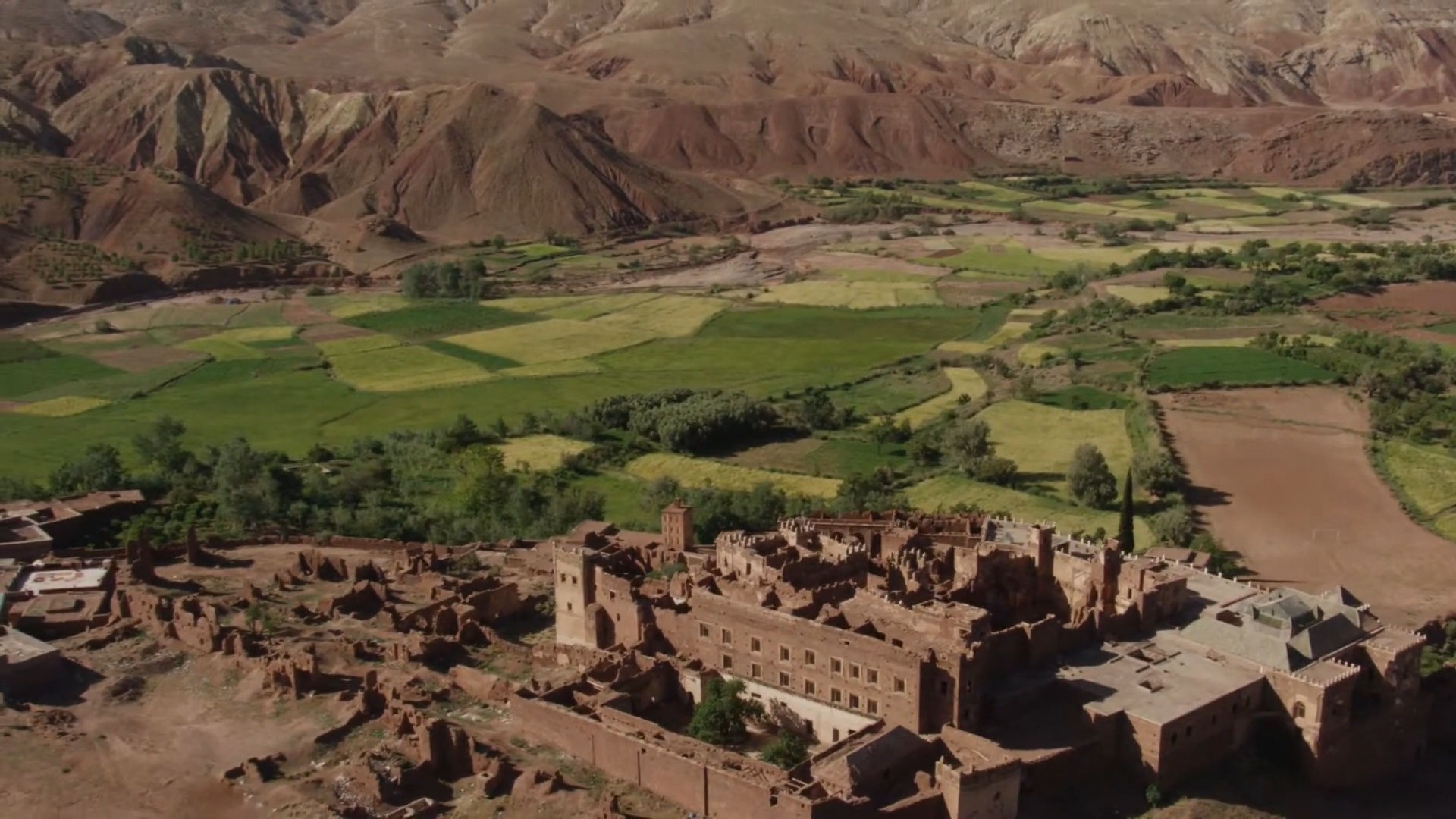
With More Than 300 Fortified Villages of Adobe, Defensive Towers and Millennial Walls Shaped by Ancestral Techniques of Rammed Earth, the Draa Valley in Morocco Preserves a Treasure of Pre-Saharan Architecture That Challenged the Desert and Time
In the Draa Valley, in the southeast of Morocco, on the banks of the Sahara Desert, lies one of the largest and most impressive collections of traditional rammed earth (rammed earth and adobe) architecture in the world, with hundreds of fortified villages known as ksur and kasbahs that have withstood the arid pre-Saharan climate for centuries. This territory, which follows the course of the Draa River, houses a rich built heritage characteristic of Berber culture, constructed entirely with locally compacted soils, straw, and palm wood, and has historically served as a refuge, community protection zone, and trading hub along the caravan routes linking the desert to the interior of the Maghreb.
The ksur and kasbahs of the Draa Valley are not just isolated architectural structures; they compose a vast traditional urban landscape where narrow streets, earthen walls, and defensive towers intertwine with sun-baked façades and geometric shapes that balance function, defense, and hostile climate.
Fortified Territory Raises Resistance Against the Desert
Built to withstand intense winds, extreme temperatures, and nomadic invasions, the urban fabric of these villages shows an ingenious adaptation to the desert environment: houses and walls made of compressed rammed earth bricks (pisé and adobe) provide natural thermal insulation and regulate internal heat during the day and cold at night.
-
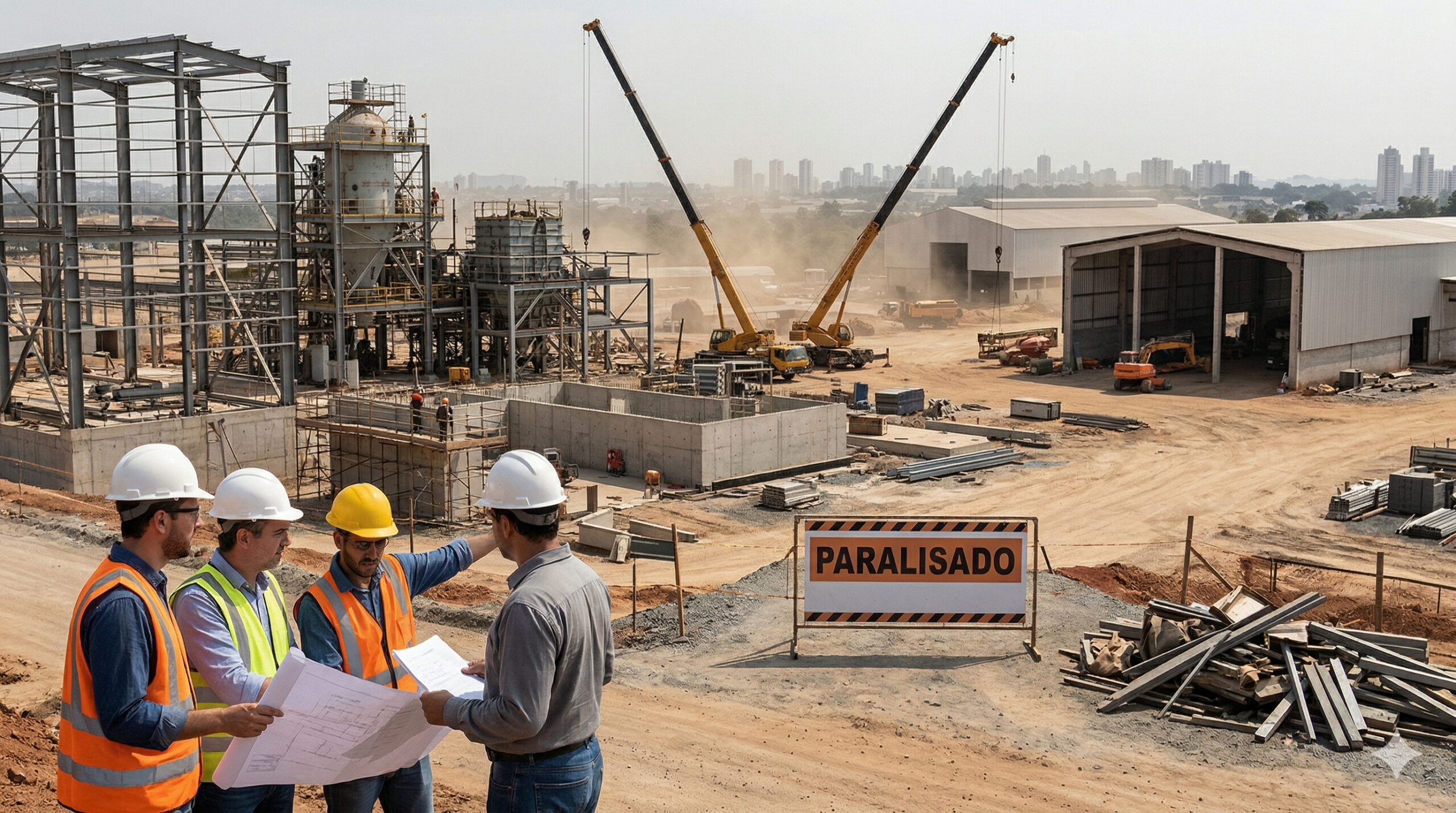
The lack of welders, electricians, and operators becomes a structural threat in 2025, with the construction industry and manufacturing already suffering from delays, cost pressures, and labor shortages in Brazil.
-
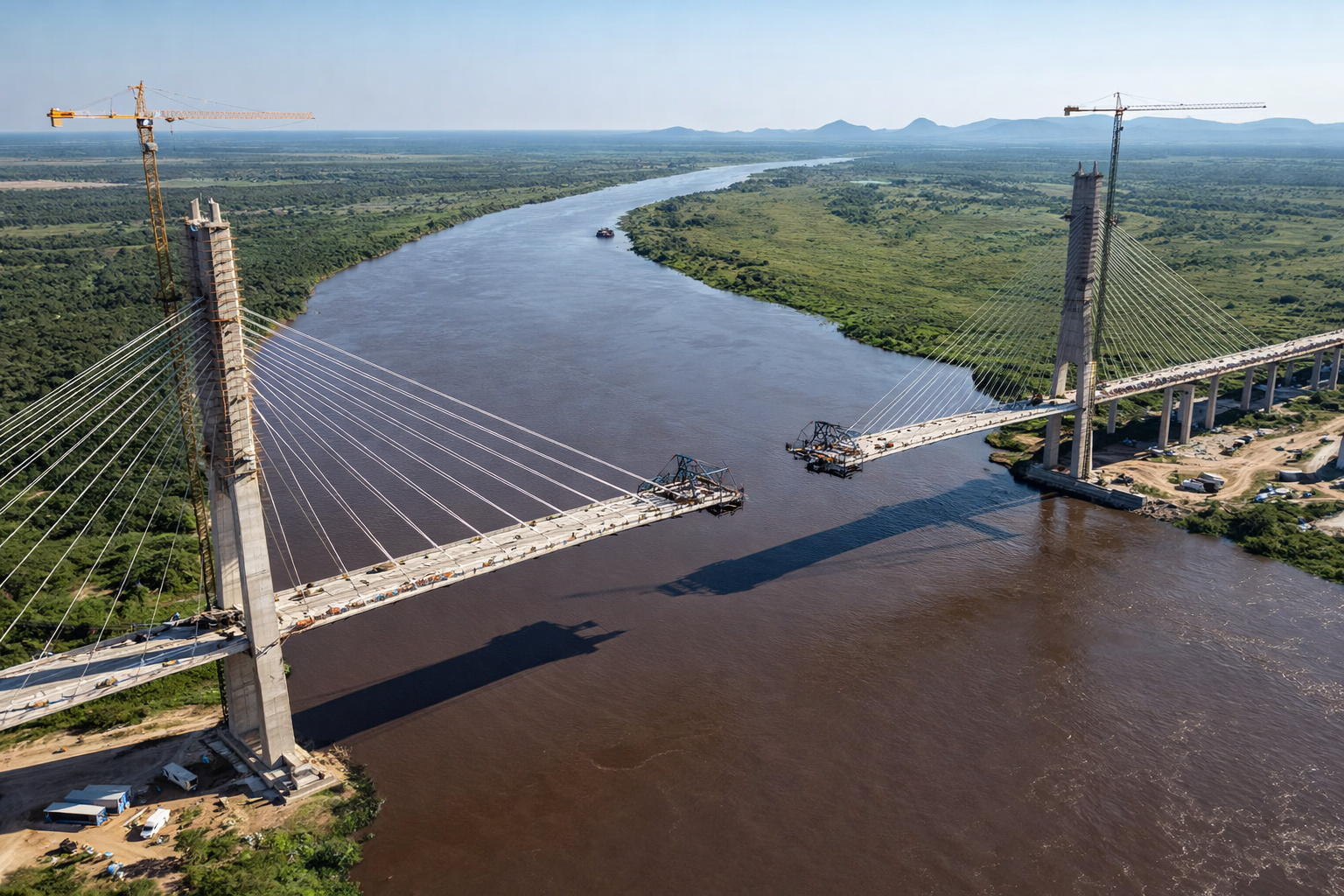
Brazil and Paraguay are just 46 meters away from a historic union on the bioceanic bridge that promises to revolutionize trade between the Atlantic and the Pacific.
-
With 55 km over the sea, a cost of US$ 20 billion, and enough steel to build 60 Eiffel Towers, China’s largest project has connected Hong Kong, Zhuhai, and Macau in a colossal bridge that defies the logic of engineering.

-
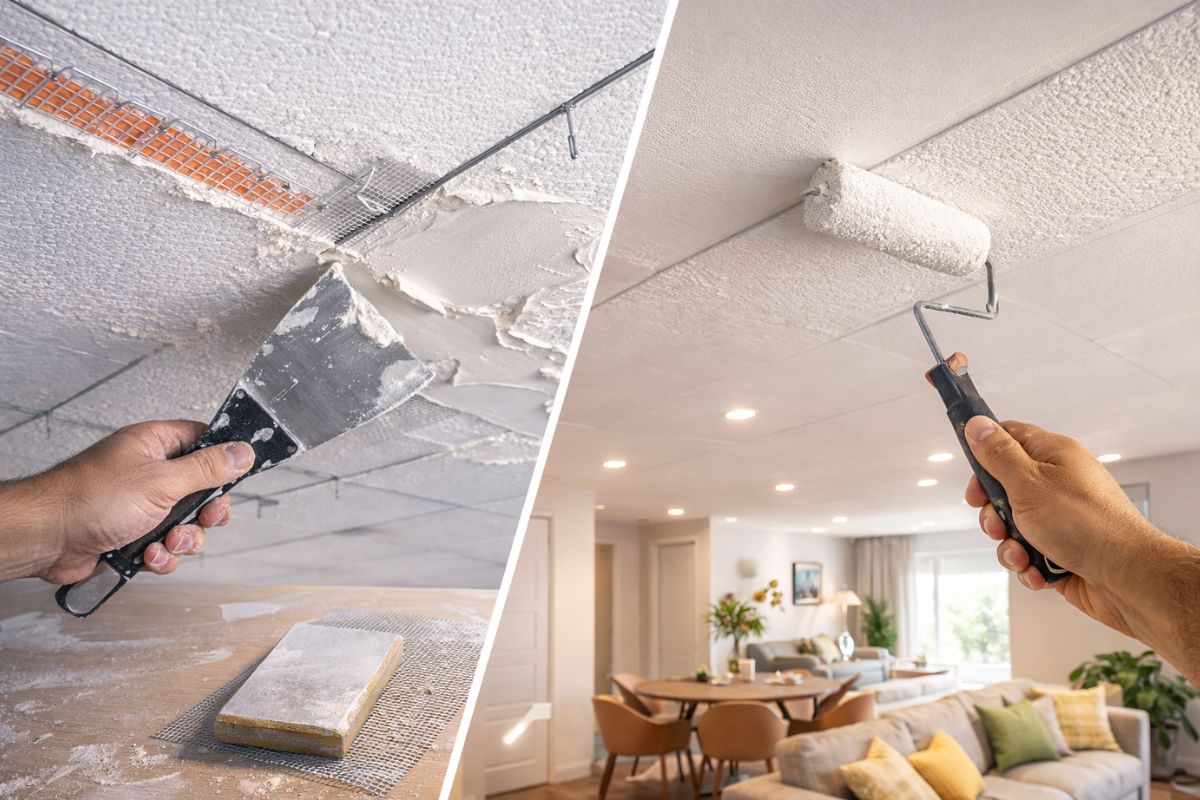
A trick with joint compound transforms a Styrofoam ceiling into a plaster-like ceiling: leveled panels, wires and mesh at the joints, sand, paint, and change the environment while spending little today.

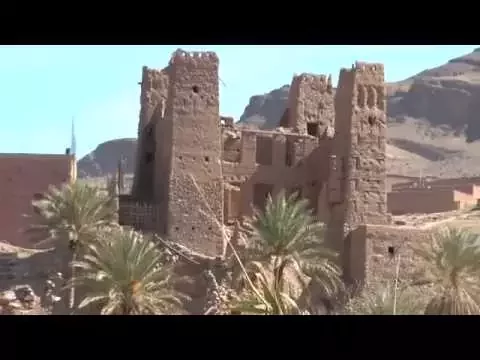

Many of these settlements were erected between the 14th and 18th centuries, a period during which it was common for Berber communities to defend themselves from attacks and create permanent forts in southern Morocco. The kasbahs, for example, were family or local chief residences, built with considerably thick earthen walls and reinforced with angular towers that overlooked vast expanses of the valley.
In addition to defensive functions, the construction techniques had a clear environmental purpose: to reduce direct sun exposure, take advantage of cross ventilation, and maintain stable internal temperatures without relying on external energy, an ancestral solution of sustainable architecture adapted to one of the driest regions on the planet.
The Traditional Adobe Construction and Its Methods
Agriculture around the Draa has been possible for centuries thanks to the presence of an oasis formed by date palm groves, which provided shade and a more humid microzone that favored plantings and human settlements. Based on this, the populations developed earth construction methods that fully utilized the natural resources available in the surroundings.
The walls are molded with local earth often clay and compacted sediments and reinforced with straw or plant fibers to provide compressive strength and resist cracking. In some cases, the thickness of the walls reaches 40–60 cm or more, acting as a natural thermal barrier between daytime heat and nighttime cold.
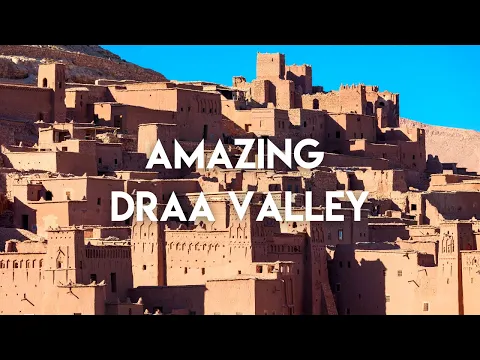
The roofs are supported by palm wood beams, covered with layers of earth and reeds that keep the structure ventilated and relatively waterproof to occasional rains. This type of construction also facilitated constant repairs by the community itself, as the materials were abundant in the surroundings.
Fortified Cities That Influenced Culture and History
Among the best-known examples of this architecture is Aït Ben Haddou, a ksar that rises on a hill beside the Ounila River, a tributary of the Draa, which was a strategic point for trade between caravans and trans-Saharan merchants.
Aït Ben Haddou is one of the few places that still retains much of its original configuration, with walls, towers, and compact corridors dating back to its founding in the 8th century, expanded and reinforced in the following centuries. Due to its cultural and historical significance, the ksar was inscribed on the UNESCO World Heritage List in 1987.
This place also gained notoriety in cinema, having served as a backdrop for famous films like Gladiator, Lawrence of Arabia, and various productions that explore historical and desert scenes, which helped renew global interest in this type of traditional architecture.
Contemporary Risks and Preservation Efforts
Although these earthen constructions are remarkable for their durability and adaptation to the climate, many ksur and kasbahs face current challenges.
Urbanization, migration to modern cities, and the introduction of concrete construction techniques have decreased the number of artisans with traditional knowledge, jeopardizing centuries-old practices that require constant maintenance.
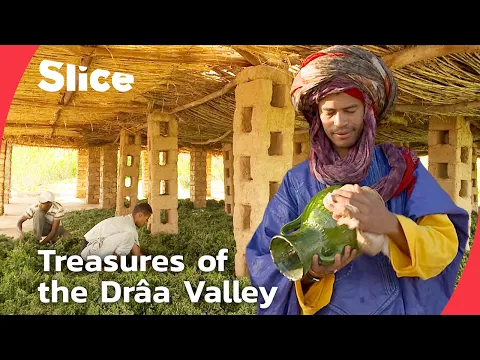
The lack of specialists who master pisé and adobe techniques has made some villages more vulnerable to natural deterioration caused by winds, sporadic rains, and lack of regular care. This has already led to targeted intervention efforts, both by preservation institutions and cultural organizations seeking to safeguard this unique heritage.
The Value of a Resilient Architectural Legacy
The Draa Valley is not just a collection of ancient villages; it is a living testament to human ingenuity in the face of an inhospitable environment, where traditional construction techniques combined functionality, defense, thermal comfort, and cultural identity.
In a country that today seeks to balance modernity and tradition, these ksur of adobe continue to remind the world that millennia-old architectural forms can coexist with the present, keeping alive stories, methods, and lifestyles that have shaped over centuries under the scorching sun of the Sahara.









-

-

2 pessoas reagiram a isso.