





 Portuguese
  English
  Spanish
  4 min of reading
  155 comments


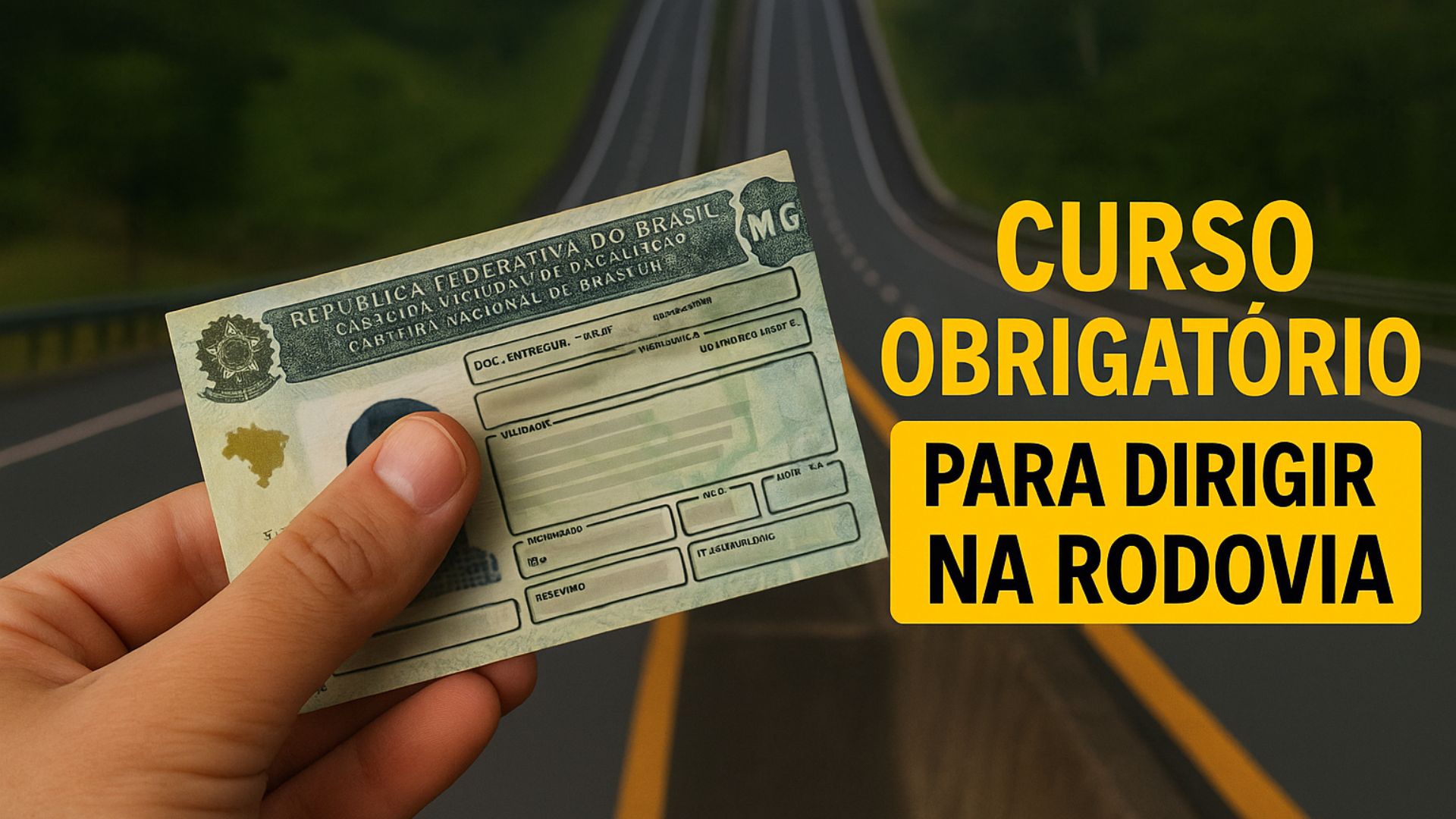


Proposal in Congress Aims to Create Additional Requirement for Newly Licensed Drivers to Operate on Highways, Amending the CTB and Providing for Specific Safe Driving Certification Before Accessing Roads.
Newly licensed drivers may be restricted to urban traffic until they complete a specific safe driving course for highways, if the Bill 2337/2025 is approved by Congress.
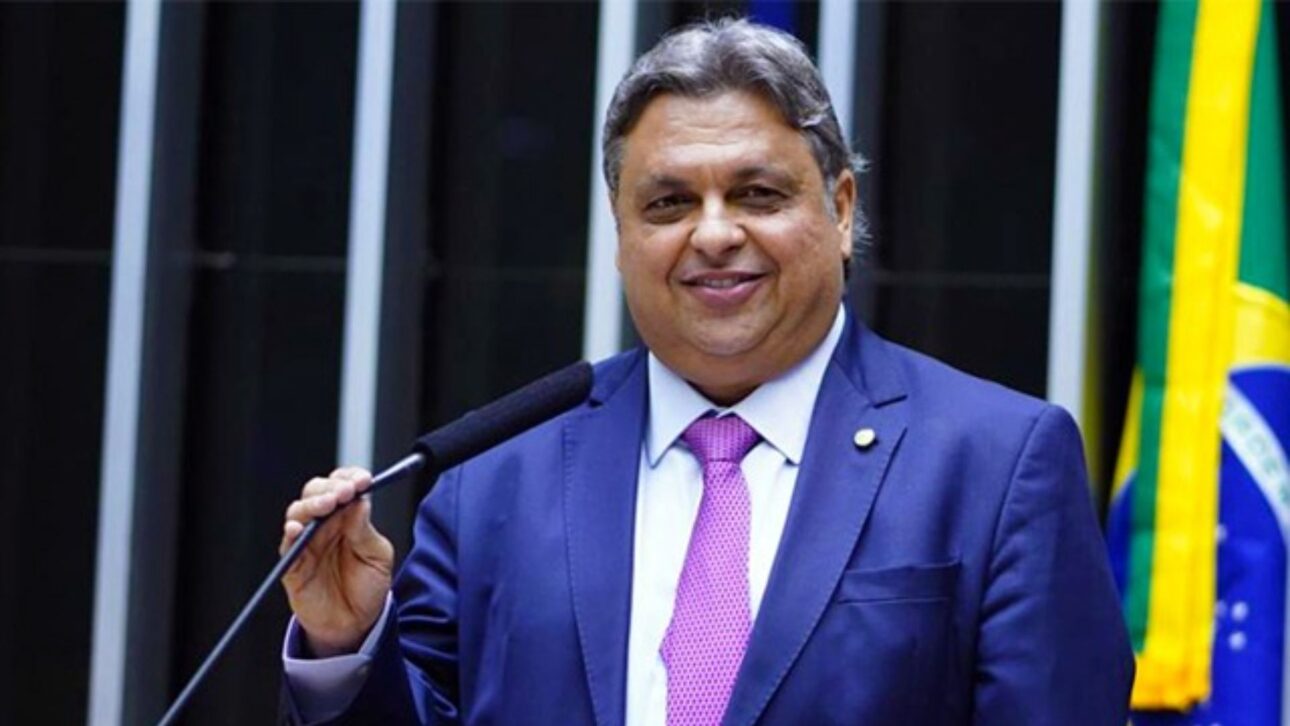
The proposal, authored by deputy Julio Arcoverde (PP-PI), amends the Brazilian Traffic Code (CTB) to condition circulation on highways, during the Provisional Driving Permit (PPD) phase, on obtaining a certificate regulated by the National Traffic Council (Contran).
The text was presented in May 2025 and is currently under deliberation in the Chamber of Deputies in conclusive character, allowing for direct approval by committees.
-
The new Civil Code could revolutionize marriages in Brazil with “express divorce” and changes that could exclude spouses from inheritance.
-
Banco do Brasil sues famous influencer for million-dollar debt and intensifies debate on delinquency, risks of seizure, and direct impact on Gkay’s credibility.

-
The Senate approves a bill that criminalizes misogyny, hatred, or aversion towards women, and includes the crime in the Racism Law with a penalty of up to 5 years.

-
Chamber Approves Bill That Allows Pepper Spray for Women Over 16 and Imposes Strict Rules for Purchase, Possession, and Use as Self-Defense


Currently, the bill is with the Committee on Transportation and Transit (CVT), awaiting a report from the rapporteur, deputy Paulo Litro (PSD-PR), after the deadline for amendments expired without content alterations.
Proposed Changes to the Provisional Driving Permit (PPD)
The project creates article 159-A in the CTB to establish that drivers with PPD can only travel on highways after completing a safe driving course for highways.
Until the completion of this step, driving would be limited to urban areas. The validity of the PPD is not altered by the text.
The conversion to the definitive CNH remains conditioned on a one-year period without serious, very serious infractions or recurrence of medium infractions.
The proposal exclusively affects access to highways during this initial licensing phase.
The penalties for non-compliance refer to article 162, item VII, which classifies driving without mandatory courses as very serious, with fines and retention of the vehicle until another licensed driver presents themselves.
Currently, this provision is used for required training in categories such as school transport or hazardous materials.
How the Course Required by Contran Should Work
The definition of the workload, content, methodology, and format will be determined by Contran.
The project allows certification to be recorded in the driver’s record, facilitating electronic oversight and avoiding the creation of a new physical document.
According to experts following discussions on driver training, courses of this type usually cover driving at higher speeds, reading road signs, using acceleration and deceleration lanes, and practices in adverse weather conditions.
The final structure will depend on the regulations that will be formulated.
The proposal should also align with existing regulations, such as Resolution 789/2020, which defines general guidelines for driver training.
Penalties Established in the CTB
The text does not create a new infraction. A permit holder who accesses highways without a certificate will be classified under article 162, VII, which provides for fines and retention of the vehicle.
This classification already applies to drivers who need to prove additional training and do not present the required courses.
Status of the Bill in the Chamber
Since its presentation, Bill 2337/2025 has been distributed to the committees on Transportation and Transit and Constitution, Justice, and Citizenship (CCJC).
Both are analyzing the matter in a conclusive character. In CVT, deputy Paulo Litro assumed the rapporteurship in August 2025.
The deadline of five sessions for amendments ended on September 4 without proposed alterations.
The project continues to await a report in CVT. After this stage, it will be analyzed by CCJC.
If approved and without recourse to the Plenary, it may proceed directly to the Senate.
Until there is approval and regulation, no changes will come into effect.
Permit holders remain authorized to drive on highways under the current rules of the CTB.
Impacts for Driving Schools and New Drivers
If approved, the project will create an additional step before operating on highways. The use of PPD will continue to be permitted in urban areas, but access to highways will depend on the course.
Driving schools will have to adapt curricula if the regulations include specific modules.
State traffic departments will need to adjust systems to register and verify certificates.
Traffic instructors observe that the concrete effects will depend on the rules defined in the regulatory act, including potential practice on highways, use of simulators, distance learning offerings, and related costs. These details have not been defined yet.
Arguments Presented in Justification
In the justification submitted to the Chamber, deputy Julio Arcoverde states that driving on highways requires attention to factors such as higher speeds, braking distances, presence of heavy vehicles, and overtaking procedures.
The text also mentions long continuous stretches and climatic variations as elements that, according to the parliamentarian, reinforce the need for training.
Experts in road safety point out that novice drivers tend to be more vulnerable on fast and complex traffic routes, which supports the defense of additional training.
Based on these arguments, would the mandatory course during the PPD enhance the technical preparation of newly licensed drivers or merely represent another requirement in the licensing process?









Sem comentários
Só lamentos, esse são os que nos representa, benefícios mesmo só para eles, do povo só um jeitinho de tirar mais da mesa dos mais necessitados.
Poderia começar exigindo curso superior especializado para ocupar qualquer cargo político, sem dos votos passar por uma prova de conhecimento. Faz ai tb essa lei.
Isso aí e uma máfia pra arrumar meio pra tirar mais dinheiro do povo