





 Portuguese
  English
  Spanish
  4 min of reading
  0 comments


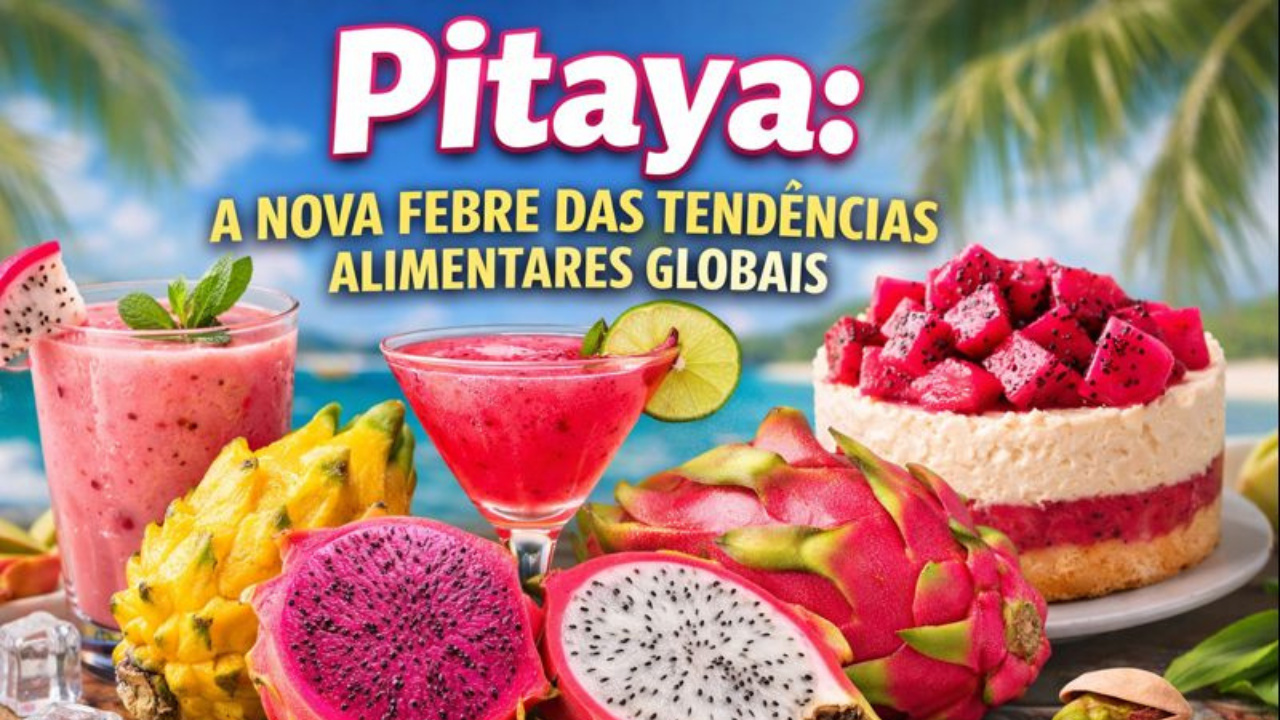
A European Guide Points to Pitaya as the New Bet of the Beverage Industry and Global Gastronomy in 2026.
The pitaya, a fruit with an exotic appearance and mild flavor, is expected to occupy in 2026 the space currently held by pistachio in global food trends.
Thus, the prediction comes from a European guide prepared by the Irish company Kerry, which analyzed consumption data, audience behavior, and innovation in the beverage industry and global gastronomy.
According to the report, the growth in the use of the fruit is happening on an international scale, particularly in refreshing drinks, alcoholic beverages, and confectionery, driven by the search for exotic fruits, sensory experiences, and visually striking ingredients.
-
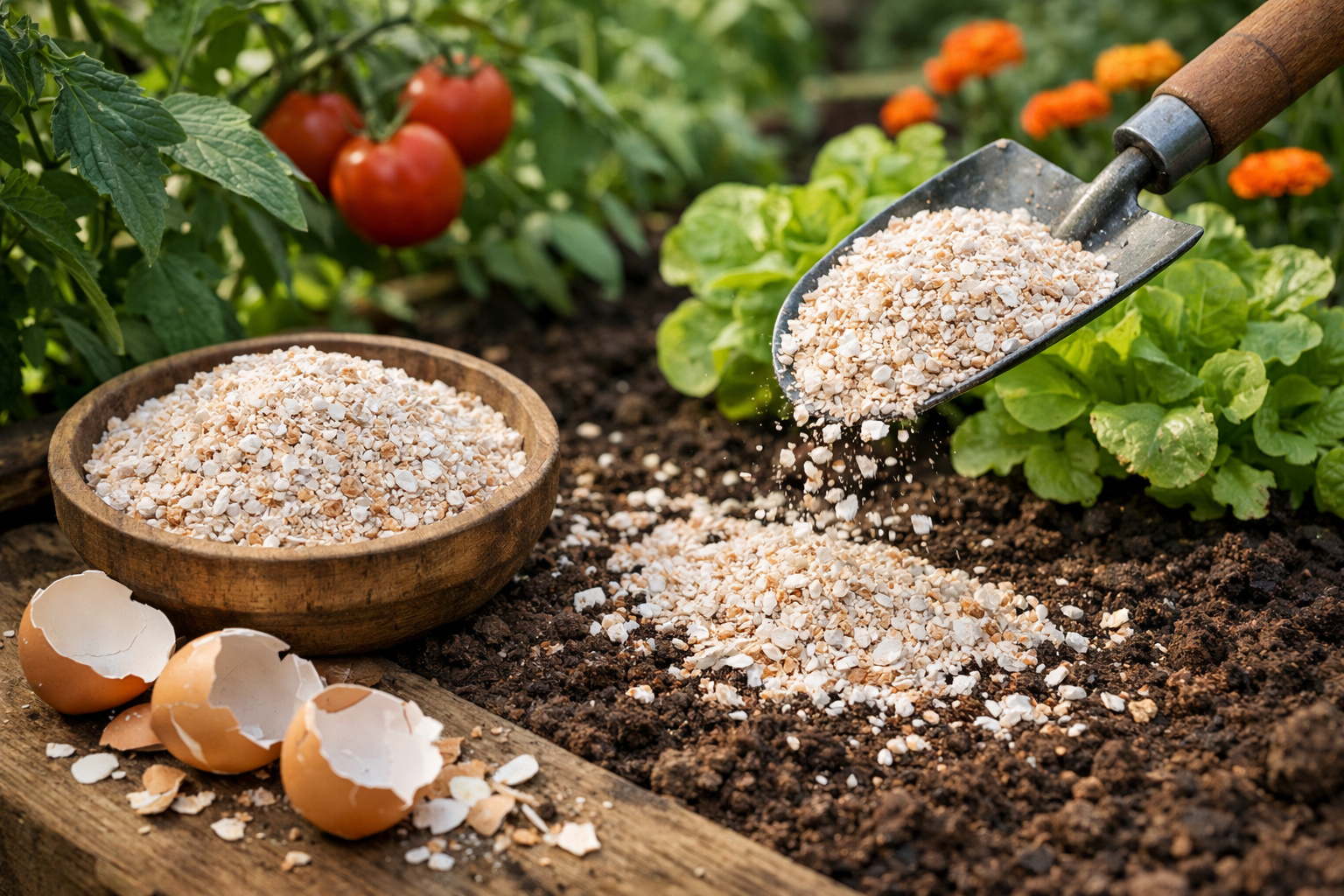
The eggshell that almost everyone throws away is made up of about 95% calcium carbonate and can help enrich the soil when crushed, slowly releasing nutrients and being reused in home gardens and vegetable patches.
-
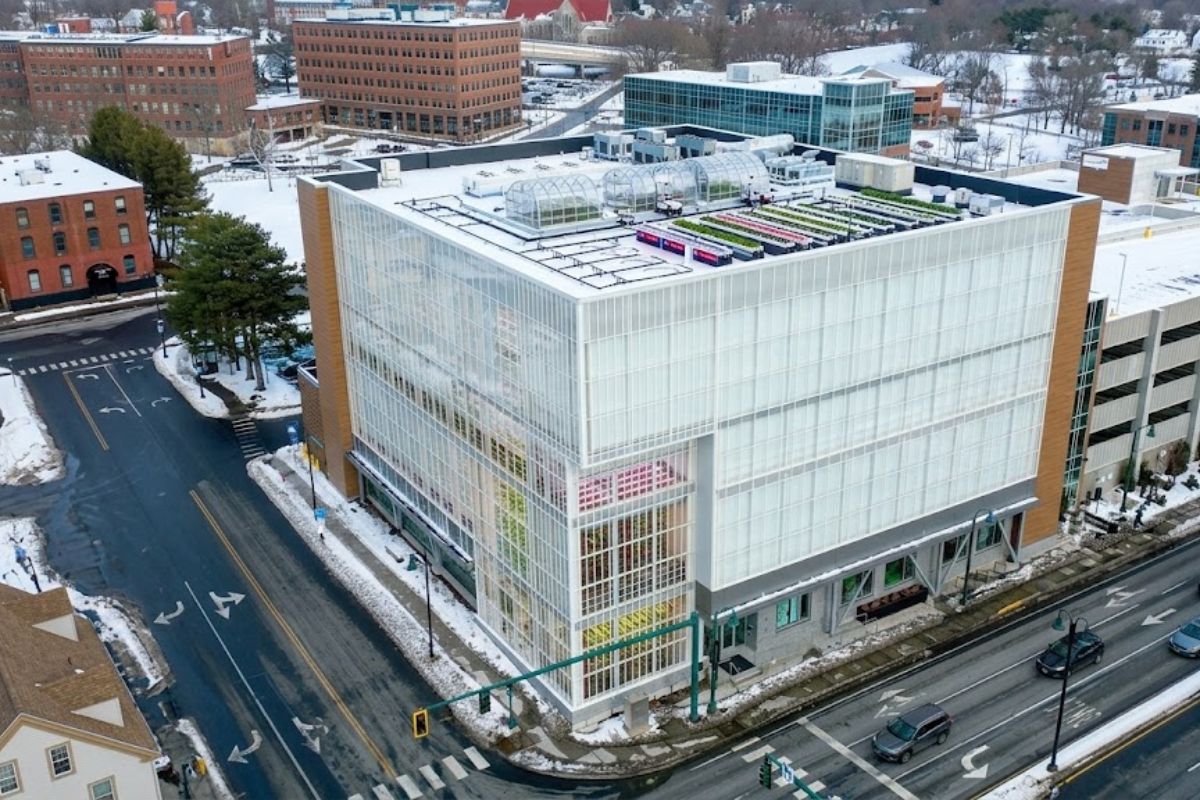
This farm in the United States does not use sunlight, does not use soil, and produces 500 times more food per square meter than traditional agriculture: the secret lies in 42,000 LEDs, hydroponics, and a system that recycles even the heat from the lamps.
-
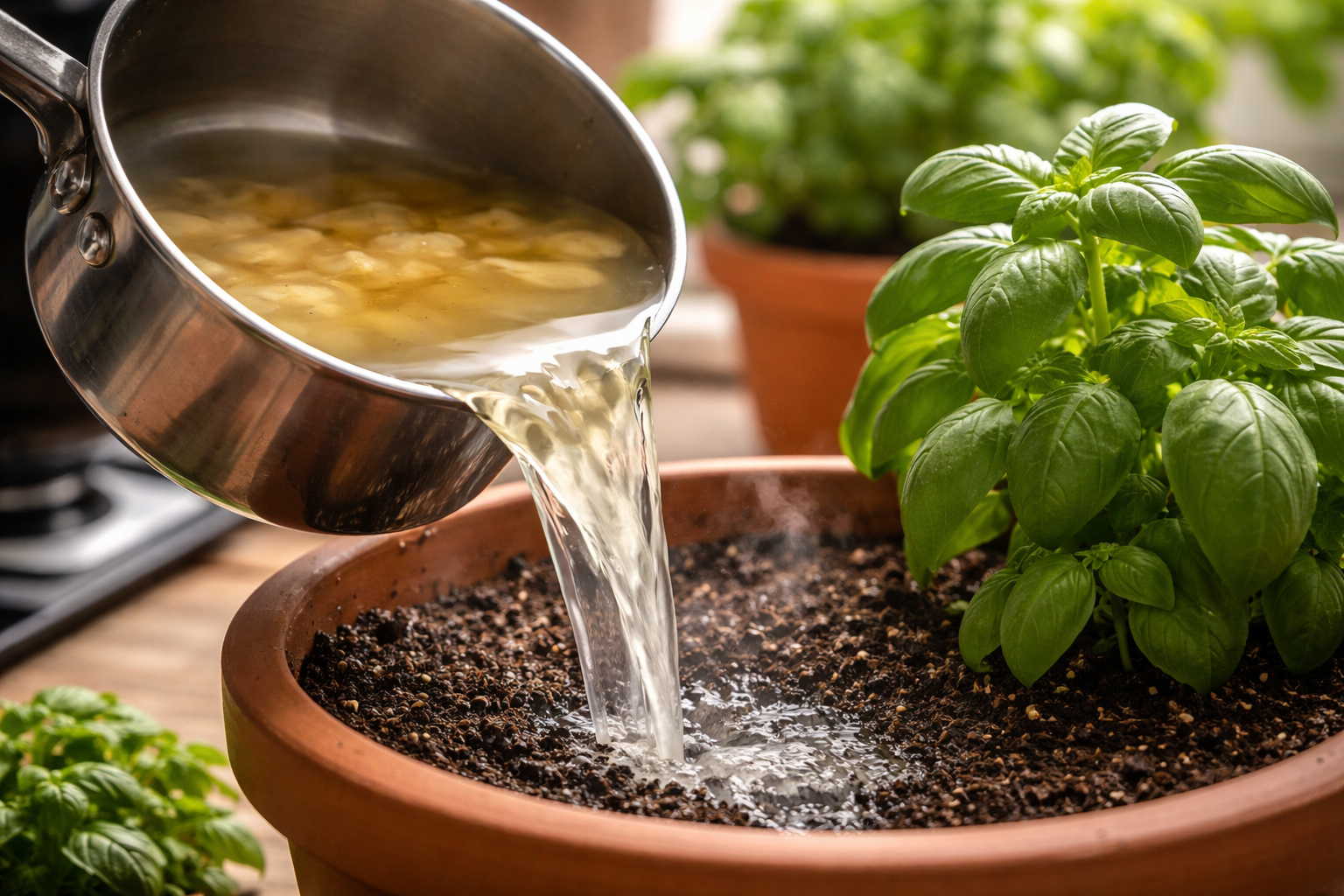
The water that almost everyone throws away after cooking potatoes carries nutrients released during the preparation and can be reused to help in the development of plants when used correctly at the base of gardens and pots, at no additional cost and without changing the routine.
-
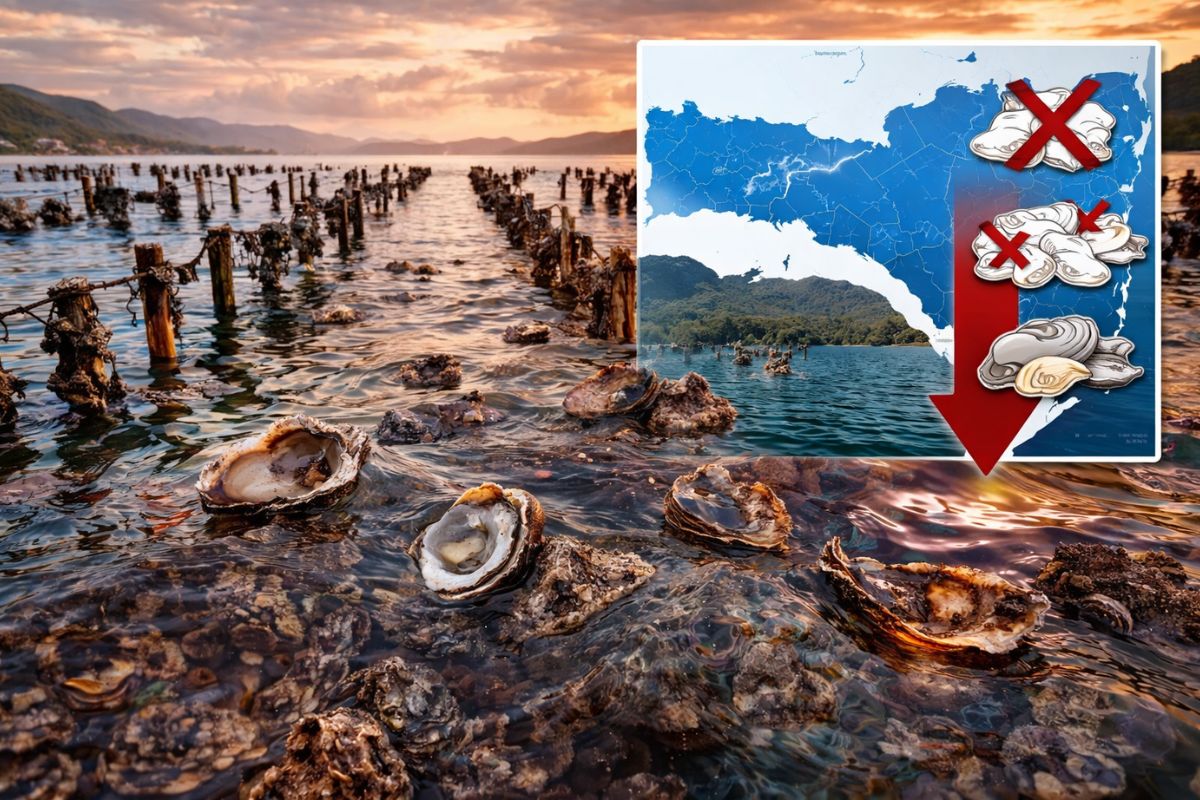
The sea water temperature rose from 28 to 34 degrees in Santa Catarina and killed up to 90% of the oysters: producers who planted over 1 million seeds lost practically everything and say that if it happens again, production is doomed to end.

Therefore, the projection was published in the Global Taste Charts, a publication that compiles research conducted between 2023 and 2025 with food scientists, aroma specialists, and consumers.
The study indicates that product launches featuring pitaya grew by 17% during the period, signaling a clear market preference shift.
“This rise is more than just a trend. It is proof of the global appetite for bold and refreshing flavors that are redefining innovation in beverages.
What started with Latin American roots has captured the imagination of brands around the world,” describes the report.
From Pistachio to Pitaya: How Food Trends Are Changing
Until recently, pistachio dominated displays, menus, and social media.
Then in 2025, the green seed became a symbol of sophistication and innovation, appearing in specialty cafés, premium panettones, artisanal chocolates, and ice creams.
This movement also had a direct impact in Brazil, as all pistachios consumed in the country are imported.
In this context, external purchases surged.
The volume acquired jumped from 264 tons in 2022 to nearly five times that last year, following the international gastronomic craze.
Now, according to experts, the cycle begins to reverse, making way for pitaya as a new leading ingredient in food trends.
Pitaya Gains Strength in the Beverage Industry
The report points out that the most significant advancement of pitaya occurs in the beverage industry, especially in options geared toward summer.
Refreshing drinks, flavored waters, iced teas, and non-alcoholic cocktails lead the launches, driven by the vibrant color of the fruit and its natural appeal.
On the other hand, the presence of pitaya is also growing in alcoholic beverages, such as cocktails, liqueurs, and fermented drinks, as well as in hot preparations and desserts.
The slightly sweet flavor, combined with versatility, facilitates its application in different recipes and consumption profiles, expanding its reach in global gastronomy.
From America to the World: Accelerated Expansion
The introduction of pitaya in industrialized products began in countries in the Americas, including Brazil, around 2021.
From there, the dissemination was rapid. Europe and Asia began adopting the ingredient at an accelerated pace, resulting in 170 new globally-reaching products in just the last analyzed year.
This advancement reflects a broader market trend: a growing interest in exotic fruits associated with naturalness, freshness, and a strong visual identity.
For brands and manufacturers, pitaya offers differentiation and connection with consumers attentive to the aesthetics and origin of food.
Brazilian Pitaya Production Gains Relevance
In Brazil, pitaya finds favorable growing conditions.
As it belongs to the cactus family, it adapts well to warm climates but also thrives in tropical and subtropical regions.
Currently, about 80% of the national production is concentrated in the South and Southeast regions, which lead the supply of the fruit in the domestic market.
This scenario creates opportunities for local producers, especially given the growth in demand driven by global food trends and the expansion of the beverage industry.
Discover the Main Varieties of Pitaya
Although pink-fleshed pitaya is the most well-known, other varieties are also gaining space in global gastronomy.
Each has specific characteristics that influence its culinary use:
Pink Pitaya: features sweet flesh and intense coloring, along with antioxidants like lycopene;
White Pitaya: has a sweet and mild flavor, with lower calorie and carbohydrate content;
Yellow Pitaya: stands out for its more pronounced aroma and slightly acidic taste.
Exotic Fruits Shape the Future of Consumption
The rise of pitaya indicates a structural change in the global food and beverage market.
More than just replacing pistachio, the fruit symbolizes a new moment in food trends, marked by the appreciation of natural, versatile, and visually impactful ingredients.
With a strong presence in the beverage industry and growing space in confectionery and creative cuisine, pitaya consolidates its place as one of the most promising exotic fruits of 2026, connecting innovation, flavor, and global identity.
See more at: Trend Alert: European Guide Bets That Pitaya Will Be the New Pistachio









-

-

-

-

-

10 pessoas reagiram a isso.