





 Portuguese
  English
  Spanish
  3 min of reading
  0 comments


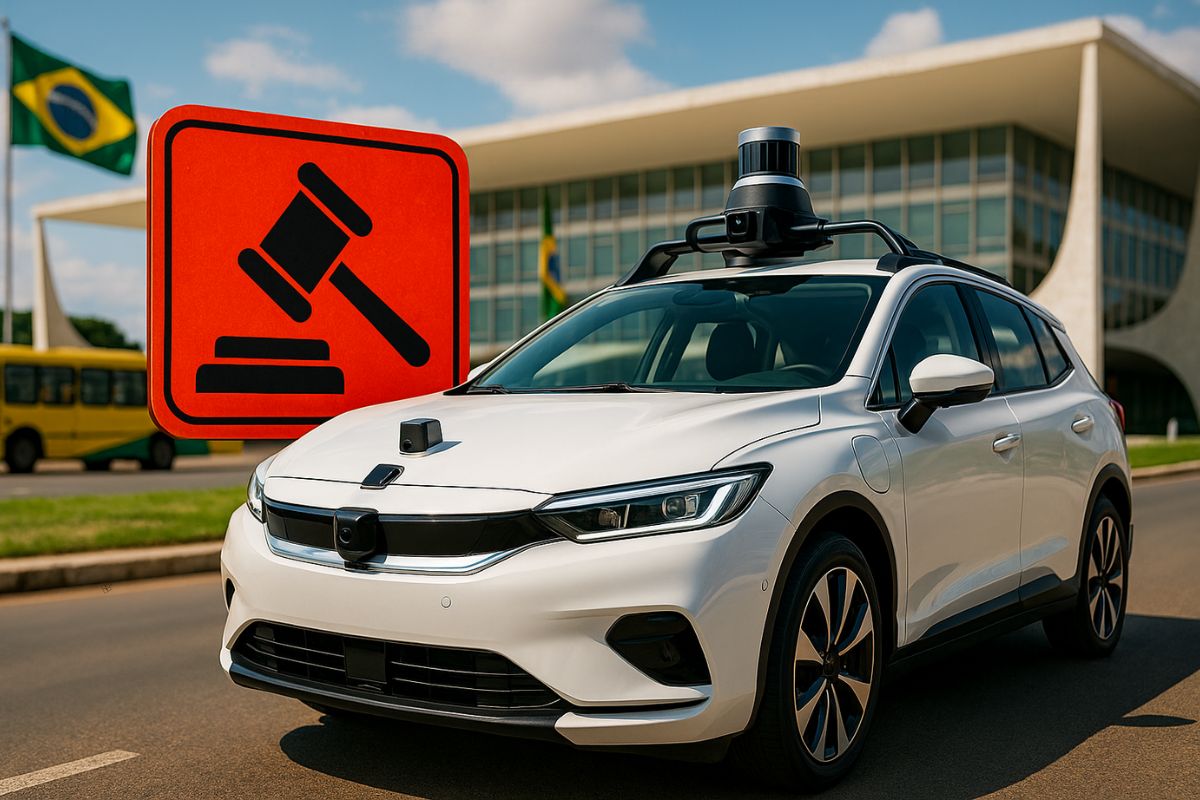
Driverless Cars: New Bill Approved in Brazil. Text Defines Rules for Testing, Circulation, and Penalties, Signaling Progress in the Regulation of Autonomous Vehicles in the Country.
The regulation of driverless cars took a decisive step this week. The Commission on Transportation and Traffic (CVT) of the Chamber of Deputies approved a new bill approved in Brazil that amends the Brazilian Traffic Code (CTB), establishing rules for operation, safety, testing, and penalties related to autonomous vehicles.
According to the text, circulation will only be allowed with authorization from the competent authorities, after approval in rigorous supervised tests and compliance with technical criteria defined by the National Traffic Council (Contran). The project unifies proposals PL 1317/23 and PL 3641/23, under the rapporteurship of Deputy Antonio Carlos Rodrigues (PL-SP).
Rules for Testing and Circulation
Before being released for public use, autonomous vehicles will need to present complete documentation, including the route of the tests, previously approved and signposted. It will be mandatory to contract full insurance that covers material damage, bodily injury, death, and damages to third parties.
-
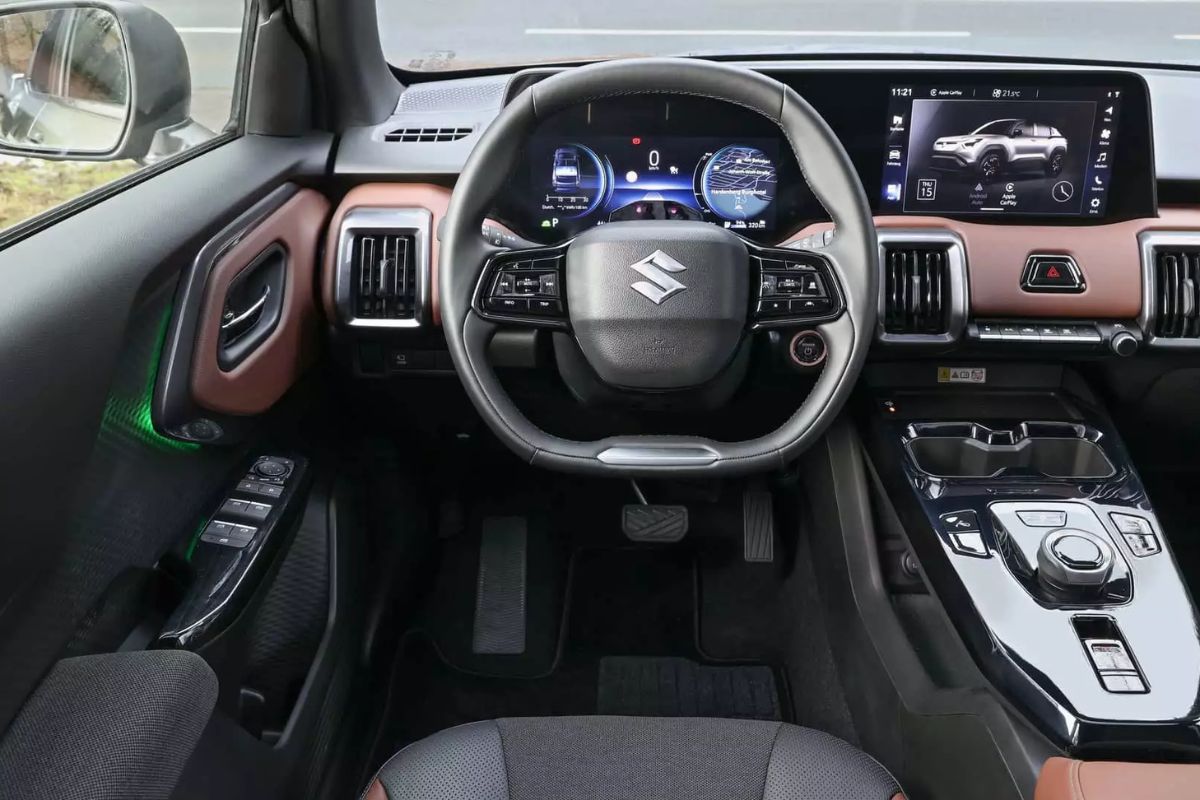
The 2026 electric Vitara arrives in Brazil and proves that Suzuki is not leaving: 4×4 traction, 184 hp, 61 kWh LFP battery, 293 km range, R$ 259,000, and a trunk capacity of 224 L.
-
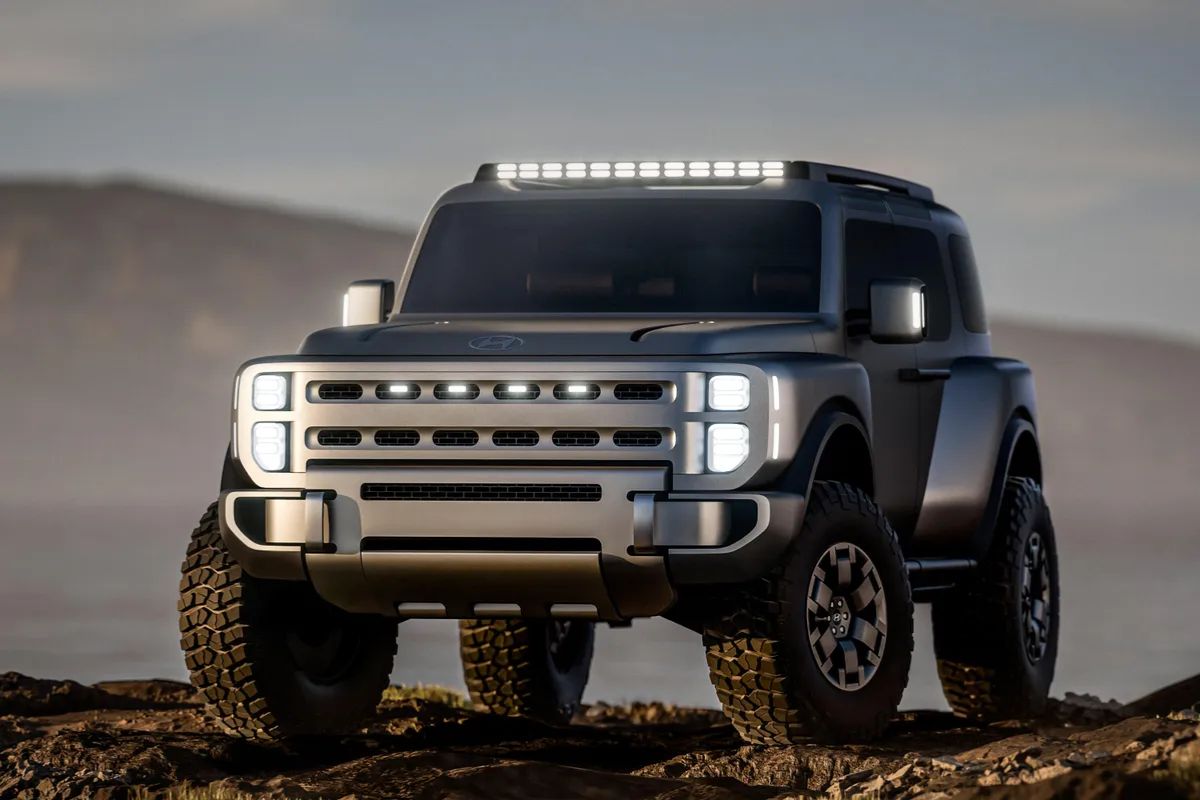
Hyundai has unveiled the Boulder, a square SUV with a body-on-frame design, 37-inch mud tires, and carriage-style doors that seems to be made to take on the Ford Bronco and the Scout Traveller in the United States.
-
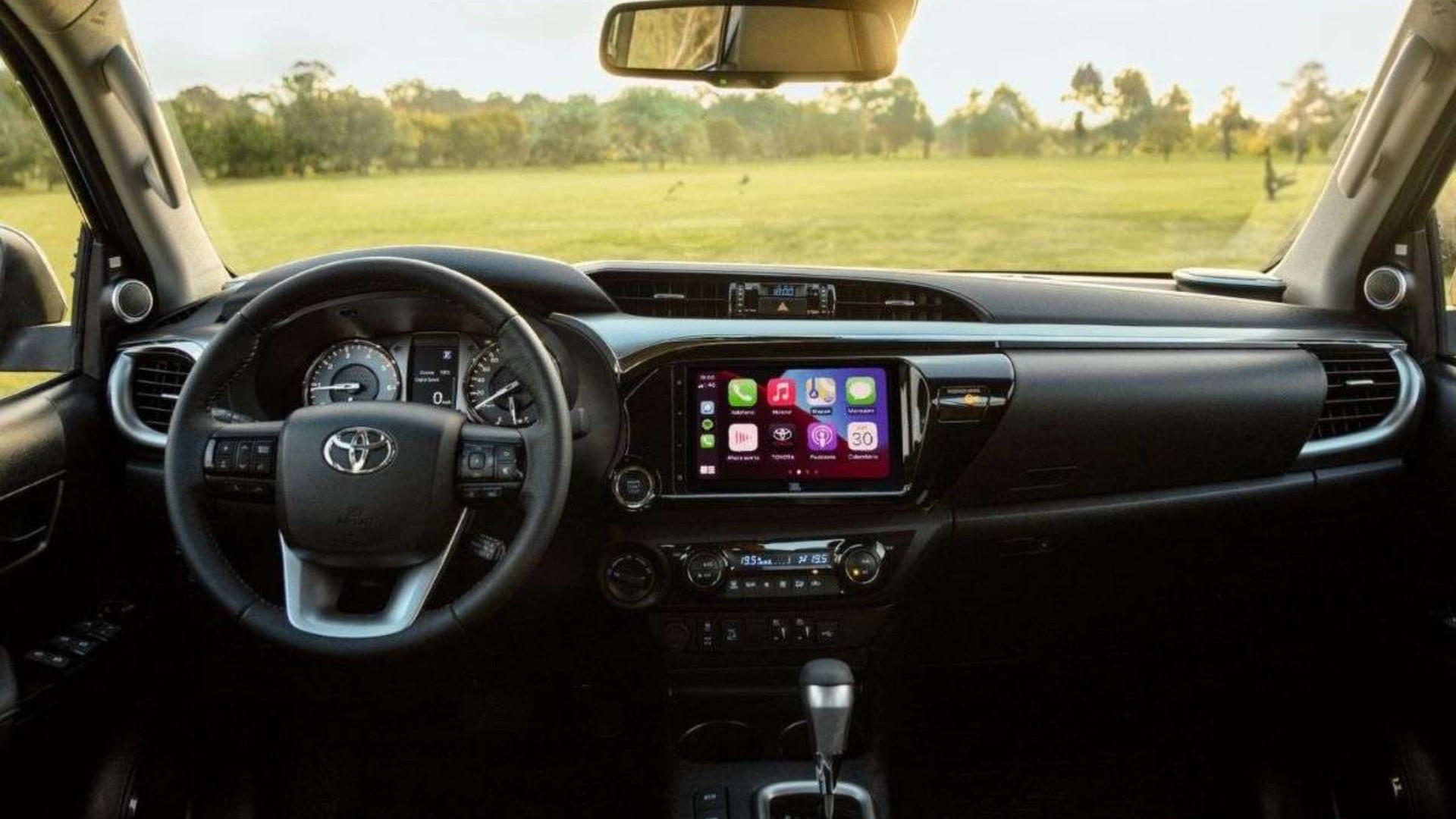
The Toyota Hilux is R$ 75.5 thousand cheaper and bets on the 2.8 turbodiesel engine with up to 204 hp and 50.9 kgfm to catch up with the VW Saveiro, which leads with 4,472 sales.
-
The new Renault Koleos has a screen exclusively for the passenger that is invisible to the driver, heated rear seats, and 29 assistance systems, but its Chinese competitors cost R$ 40,000 less and deliver more power.

Additionally, companies must sign a responsibility agreement for system or operational failures, submit technical reports with test results, and immediately suspend activities in the event of an accident, notifying the competent authorities.
Technical and Operational Requirements
The new bill approved in Brazil also stipulates that vehicles be equipped with continuous monitoring systems for failures and threats, capable of activating safety modes and issuing automatic alerts to the user.
Homologation may be revoked if the model ceases to meet technical requirements or fails to protect against cyber attacks. Even in models with partial driving, the driver must possess a driver’s license and specific training, including emergency procedures and maneuvers in risky situations.
Public Authority Responsibility
The text assigns duties to the public authority, such as adapting road infrastructure, creating integrated communication and monitoring systems with traffic, and including specific technical requirements for these vehicles in road concession contracts.
This adaptation includes special signage, integration with traffic control centers, and investments in technology to ensure that autonomous operation is safe and efficient.
Severe Penalties
Circulating with an autonomous vehicle without authorization or outside the rules will be considered a serious violation, with a fine multiplied by five and the possibility of removal of the vehicle.
Other penalties include tripled fines and suspension of the driver’s license for driving without attention, doubled fines for circulation in prohibited locations or times, and fines multiplied by three for bypassing police roadblocks.
Next Steps
The new bill approved in Brazil will now go for analysis in the Commission of Constitution and Justice and Citizenship (CCJ). If approved, it will still need to pass through the plenum of the Chamber and the Senate before coming into effect.
Experts say that the measure represents a landmark for the controlled insertion of autonomous technologies, balancing innovation with road safety.
And you? Do you believe that Brazil is ready for driverless vehicles? Is this new bill sufficient to ensure traffic safety? Leave your opinion in the comments.










Seja o primeiro a reagir!