





 Portuguese
  English
  Spanish
  3 min of reading
  0 comments


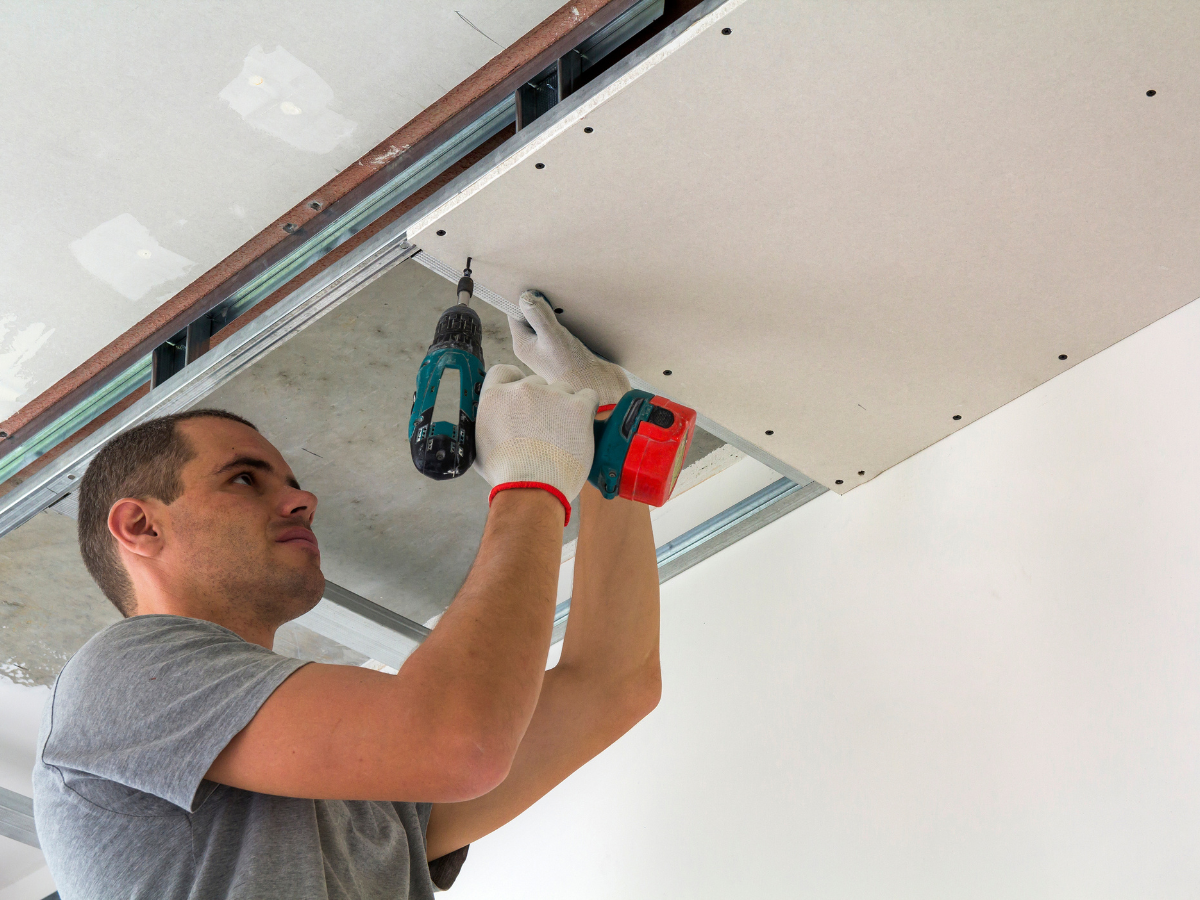
With advantages like speed in installation, affordable cost, and versatility in finishes, Drywall has also gained space in wet areas like bathrooms — provided that the correct techniques and appropriate materials are used. See how to apply this technology safely.
The dry construction has revolutionized the construction industry, and Drywall is among the main protagonists of this change.
Although traditionally used in dry interior environments, the system can also be used in wet areas, such as bathrooms and kitchens, as long as some specific technical recommendations are followed.
The combination of moisture-resistant boards with correct waterproofing processes allows the creation of functional, modern, and economical bathrooms without compromising durability.
-
The section of Serra da Rocinha on BR-285 is now open in Timbé do Sul: 50 m tensioned curtains and top-down technique stabilize the slope, with a stairway duct controlling the water.

-
Scientists use sawdust mixed with clay to create a lighter brick, promising efficient thermal insulation and impressing by transforming waste into a solution for construction.

-
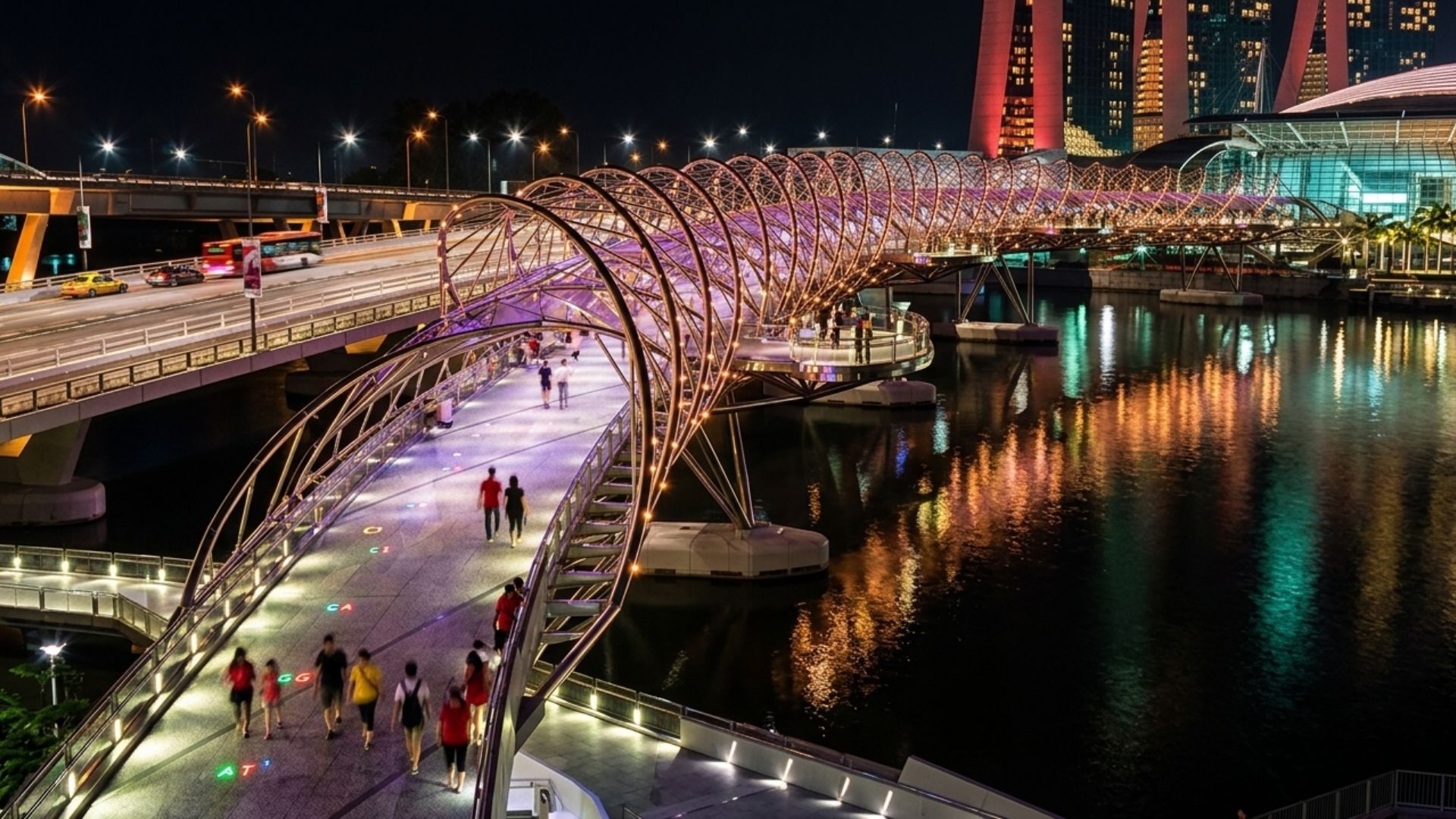
With a DNA shape, this bridge in Singapore draws attention in modern architecture and surprises tourists by transforming a simple crossing into an unforgettable visual experience in the urban heart.
-
Giant underwater pipeline begins to take shape with a R$ 134.7 million project at the Port of Santos: the 1.7 km structure uses 12-meter and 700 mm pipes to supply water to 450,000 people in Guarujá.


Is Drywall Allowed in Bathrooms? Yes, But It Requires Care
It is entirely feasible to build or renovate a bathroom using Drywall.
The crucial point is to choose the appropriate board: for areas with constant water presence, the ideal is to use the so-called RU board, or “green Drywall.”
Produced with water-repellent additives, it can repel moisture, protect against splashes, and resist shower steam.
These boards are specifically developed to withstand the demands of wet areas, being ideal for those who want a practical and economical alternative without sacrificing aesthetics and functionality.
What Is Necessary to Install a Drywall Bathroom?
In addition to RU boards, installing a bathroom with Drywall requires some essential items:
- Standardized metal profiles for structural support
- Specific screws and anchors for Drywall
- Sealing tapes
- Appropriate finishing compound
- Acoustic and thermal insulators (optional)
This combination ensures not only the integrity of the structure but also a comfortable environment with a refined finish.
Waterproofing Is Essential in Wet Areas
Simply installing RU boards is not enough. Proper waterproofing of the environment is essential to avoid leaks and damage to the structure over time.
The floor and walls must be protected up to a minimum height of 30 cm — ensuring a safety margin above the finished floor.
The application should be done cold, using quick-drying materials that are free of harsh solvents on plaster.
Critical areas, such as the shower box, require reinforcement: it is recommended to apply up to four coats of the waterproofing material.
Additionally, all hidden elements in the wall, such as faucets, valves, and sinks, must be well sealed to prevent water passage.
Various Finishes Are Compatible with Drywall
After waterproofing and joint drying, the bathroom is ready to receive finishes. The Drywall system allows for a wide range of cladding, such as:
- Paints
- Textures
- Wallpaper
- Ceramic and porcelain coverings
- Epoxy paint
- Coatings in stone or laminated materials
In the case of ceramics, it is essential to follow the correct spacing between the studs (400 mm or double boards in 600 mm installations).
The recommended adhesive mortar is of type AC2 or AC3 and should be applied with a notched trowel.
Avoid making grooves in the board, as this can compromise the plaster and reduce the durability of the finish.
Grouting, Painting, and Maintenance: Details That Make a Difference
For areas with frequent water contact, grouting needs to be done with flexible products, especially in corners and regions with significant structural movement.
The painting should also follow specific criteria: after the primer, the recommendation is to use premium acrylic or epoxy paint, which are more resistant to moisture.
By following these best practices, it is possible to have a bathroom with excellent finishing and high resistance, using the advantages of the Drywall system — such as speed in construction, lower waste generation, and easier maintenance.
Using Drywall in bathrooms is not only possible but can also be highly advantageous, provided that technical standards are respected.
The use of RU board, combined with adequate waterproofing and care in applying finishes, transforms Drywall into a safe, economical, and modern alternative for wet areas.
By choosing this system, the consumer gains in speed, versatility, and quality — three pillars that define the success of any construction project today.
With information from the blog OBRAMAX







Seja o primeiro a reagir!