





 Portuguese
  English
  Spanish
  3 min of reading
  4 comments


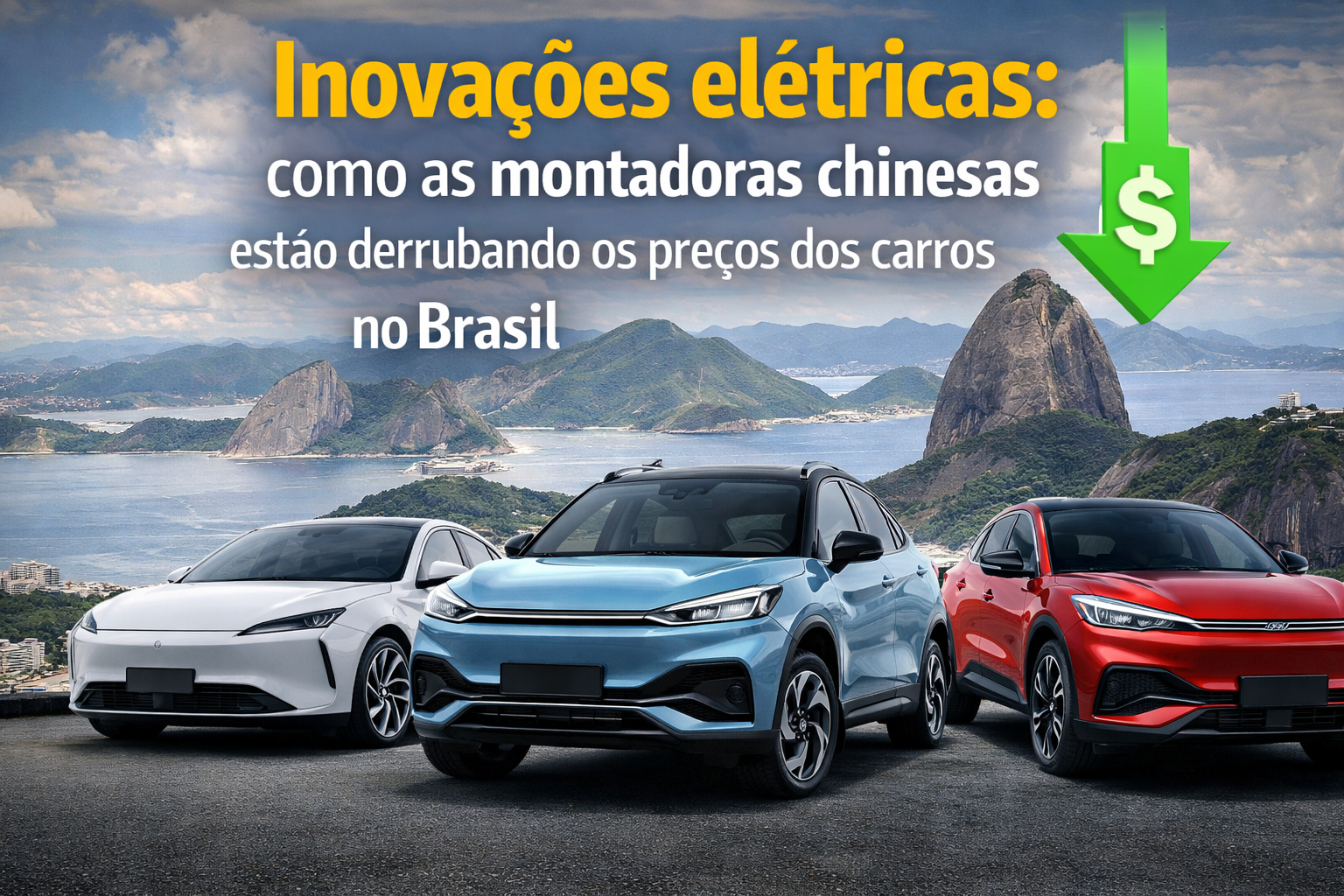


Advanced Technology, Mass Production, and Aggressive Pricing Are Redesigning the Brazilian Automotive Market
For decades, the automotive market in Brazil was dominated by a limited group of traditional manufacturers, with high prices, few technological options, and little real competition. This scenario began to change rapidly in recent years with the arrival of Chinese manufacturers specialized in electric and hybrid cars, who have been causing a real drop in prices and forcing competitors to rethink their strategies.
More than just launching new models, these brands are changing the pricing logic in the country.
The Chinese Turn in the Electric Car Sector
In recent years, China has become the world’s largest hub for electric vehicles, dominating everything from battery manufacturing to the development of complete platforms. This dominance allowed its manufacturers to enter Brazil with a clear advantage: lots of technology at a lower price.
-
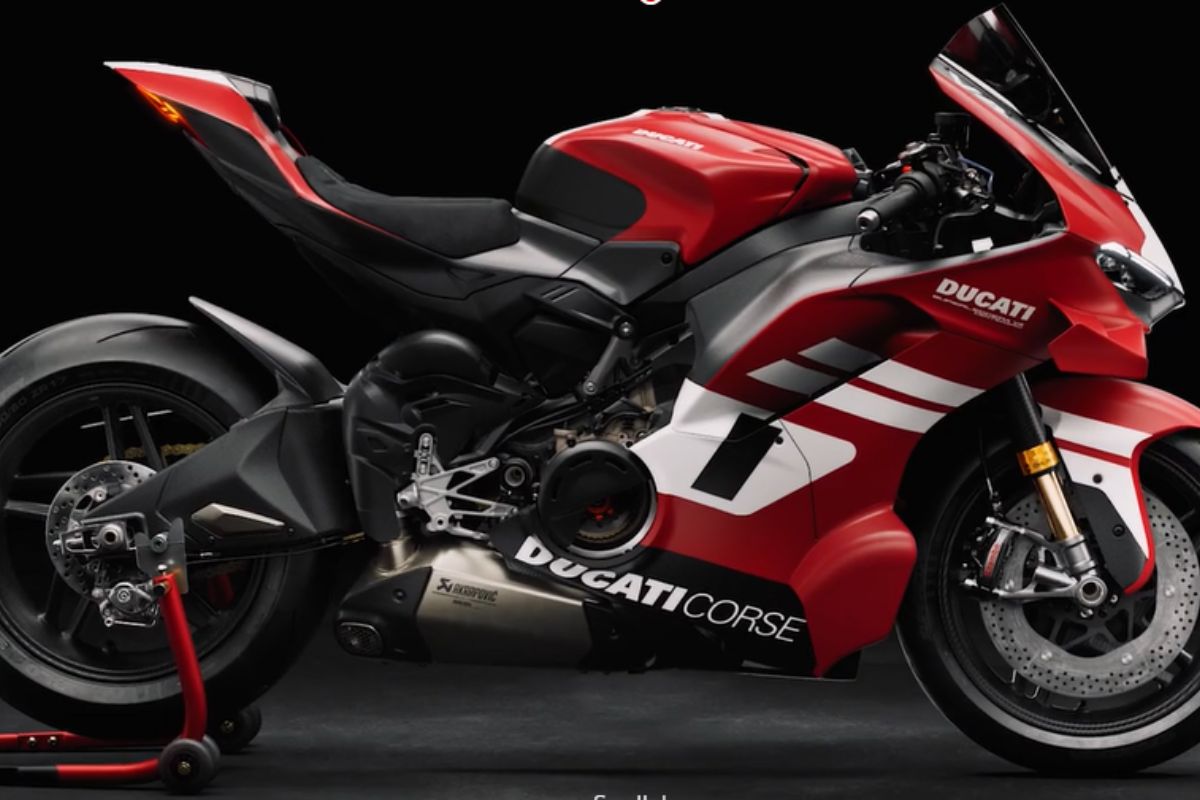
Ducati brings to Brazil the Superleggera V4 Centenario: 228 hp that become 247 with a track kit, carbon fiber and carbon-ceramic brakes, estimated price between R$ 1.5 and 2 million, deliveries only in 2027.
-
Used cars with electric steering for R$ 30,000: check out 5 practical and economical options for everyday use.

-
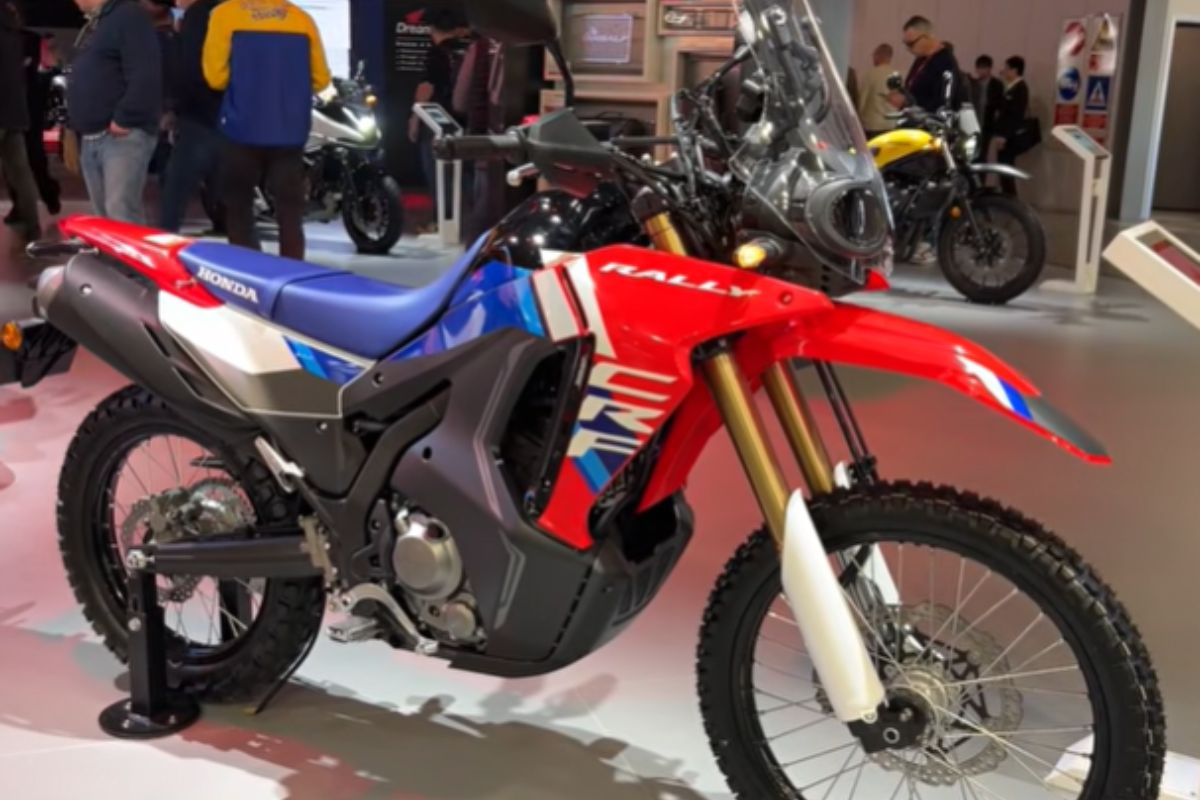
The 2026 Honda CRF 300L Rally ultra-light weighs 153 kg, travels 400 km with a 12.8 L tank, and handles both asphalt and dirt; it features a 286 cm³ engine, switchable ABS, and a slipper clutch.
-
Less than a Tera TSI, up to 710 km of range and charging in 9 minutes: the new BYD Song Ultra expands the Chinese brand’s bet on increasingly faster, more technological, and competitively priced electric SUVs.

Companies like BYD and GWM brought electric and hybrid vehicles to the Brazilian market with high autonomy, good finishing levels, and prices that were previously unthinkable for this segment.
R$ – Why Prices Started to Fall
The impact on prices didn’t happen by chance. It is the result of a combination of strategic factors:
- Mass production in China
- Own battery supply chain, reducing costs
- Lower dependency on external suppliers
- Aggressive strategy for entering new markets
- Lower margins to gain volume and market share
While traditional manufacturers still rely on adapted platforms, the Chinese ones are already born electric, which reduces structural costs.
The Direct Effect on the Brazilian Market
Before the arrival of these brands, an electric car in Brazil easily exceeded R$ 300 thousand, limiting the audience to specific niches. With the new competition, this scenario began to change rapidly.
Today it is already possible to find:
- Electrics in the range of R$ 150 thousand to R$ 200 thousand
- Hybrids priced close to combustion SUVs
- More standard items for less money
This movement forced traditional manufacturers to reduce prices, offer bonuses, and accelerate electrified launches.
Technology That Was Once a Luxury Became Standard

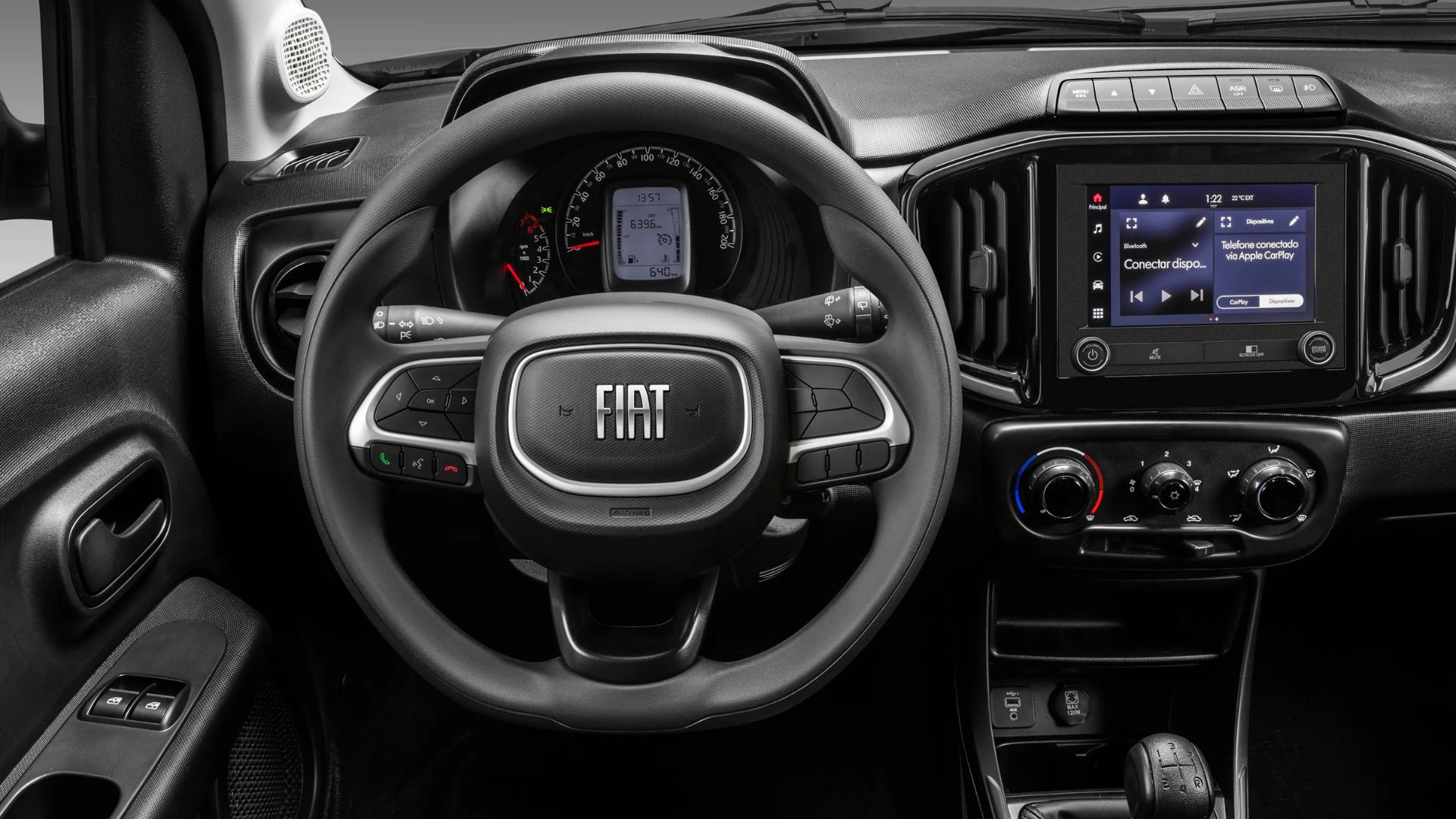
Another point that stands out is the technological level offered. Chinese models have started to offer standard items that previously only appeared in premium cars, such as:
- Advanced Driver Assistance Systems (ADAS)
- 100% Digital Panels
- Large Multimedia Centers
- Remote Software Updates
- High Level of Connectivity
All of this contributes to a clear sense of cost-effectiveness, especially for those comparing with combustion vehicles in the same price range.
The Reaction of Traditional Manufacturers
The arrival of the Chinese manufacturers did not go unnoticed. Established brands have already begun to:
- Reduce prices of electric models
- Reassess profit margins
- Invest in local hybrid production
- Accelerate partnerships for batteries and electrification
Experts believe that without this external pressure, the process of electrification in Brazil would be much slower and more expensive.
National Production and Future Impact on Prices
Another factor that could further intensify price drops is the announcement of factories in Brazil. Local production reduces costs with taxes, logistics, and exchange rates, paving the way for even more competitive values.
If this movement consolidates, Brazilian consumers may see, in the coming years:
- Electrics below R$ 130 thousand
- Hybrids competing in price with flex cars
- Greater variety of models and segments
What Changes for the Brazilian Consumer

For those considering switching cars, the scenario is clear: more options and more purchasing power. The competition tends to directly benefit the consumer, whether through price reductions or improvements in the packages offered.
Even those who do not intend to buy an electric vehicle now are already feeling the impact, with promotions and price adjustments in traditional models.
A Market That Won’t Go Back
The entry of Chinese manufacturers marks a turning point in the Brazilian automotive market. The electric car has ceased to be just a luxury item or technological showcase and has begun to approach the reality of the average consumer. More than a trend, it represents a structural change that will redefine prices, technologies, and purchasing habits in the coming years.







Ja era hora de alguém acabar com a mamada de carros de plástico com motor 3 cilindros queimando combustível ultrapassado e de quebra com uma Correia banhada a oleo ..fora os motorzinhos 1.0 sem vergonha que lançam hoje em dia viva a concorrência que vença o melhor
Tenho um Byd dolphin mini, ando 4500 km por mês, instalei o carregador do veiculo em casa e agora meu custo é de R$0,15 por KM rodado, R$700,00 de energia elétrica. Se fosse com meu Argo 2022 1.0 cambio manual teria gasto em torno de R$2.080,00 para andar este mesmo KM. Trabalho como motorista de aplicativo e dobrei meu faturamento. Vai de 0 a 100km em 7 segundos, fácil ultrapassagem e conforto. Um conselho, não fale do que você nao conhece.
Olha o comunismo aí. Luxo cada vez mais comum para cada vez mais pessoas. 😁