





 Portuguese
  English
  Spanish
  5 min of reading
  0 comments


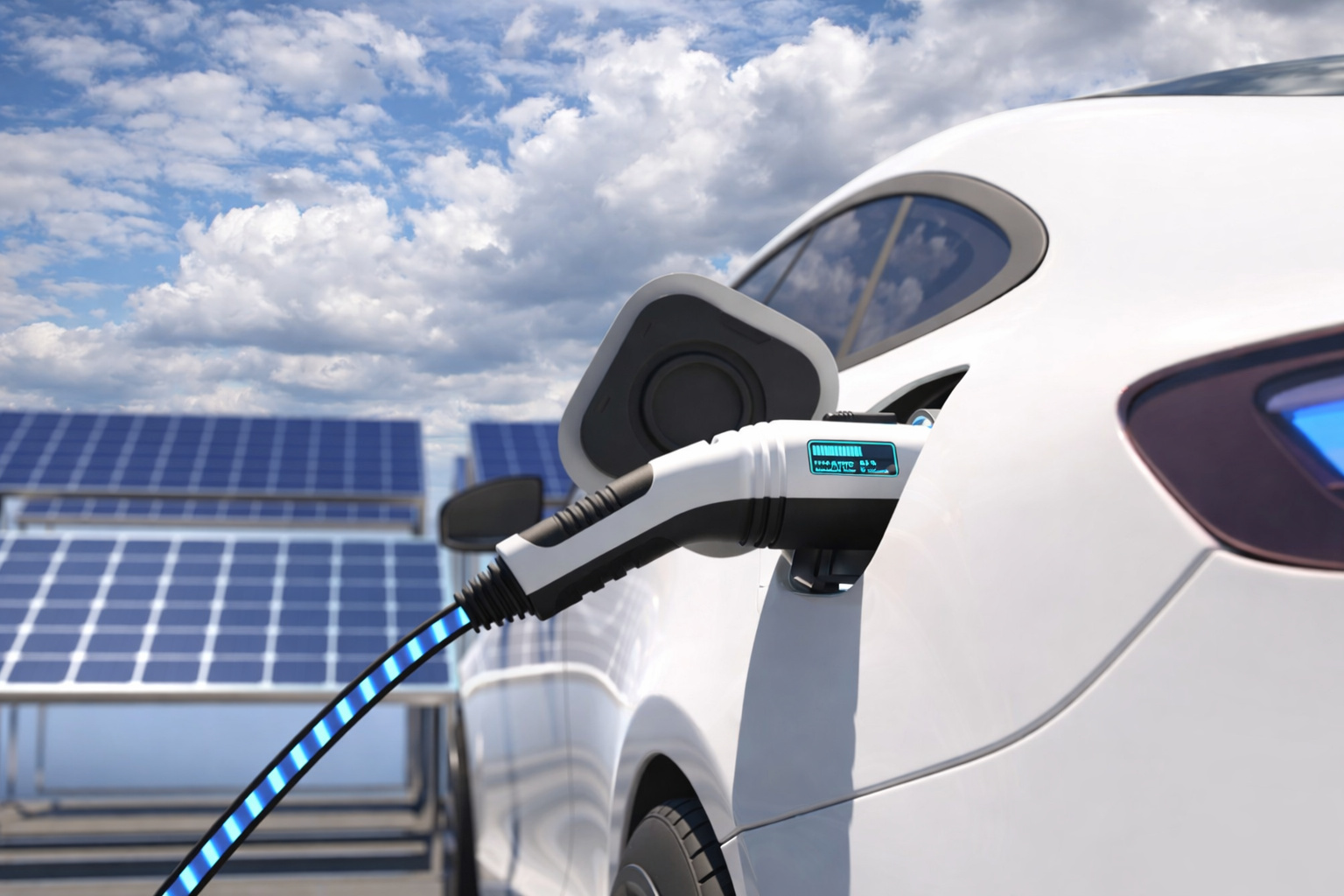
Understand How Electric Vehicle Charging Alongside Solar Energy Reduces Costs, Accelerates Return on Investment, and Strengthens a Clean, Efficient, and Economically Sustainable Mobility Model.
Currently, electric vehicle charging is consolidating itself as one of the main pillars of the energy transition in Brazil and the world.
As the fleet of electric cars grows, the charging infrastructure begins to play a central role not only in urban mobility but also, above all, in discussions about costs, energy efficiency, and environmental sustainability.
In this sense, the integration between electric vehicle charging and solar energy increasingly emerges as a strategic solution.
-
Seagri’s headquarters invests in solar energy with Neoenergia Coelba and promises to cut electricity costs, highlighting a strategic advance in sustainability and energy efficiency within state public administration.

-
Solar Pyramid draws attention by converting solar energy into million-dollar savings and repositioning the City Hall of Curitiba as an example of innovation, sustainability, and intelligent use of public resources.

-
Europe records strong euro economy with solar energy in March and sparks curiosity about which country leads growth that redefines the energy market and reduces costs.

-
Piauí reaches a historic milestone in energy transition: State records nearly 160,000 households powered by solar energy and leads growth in the Northeast.
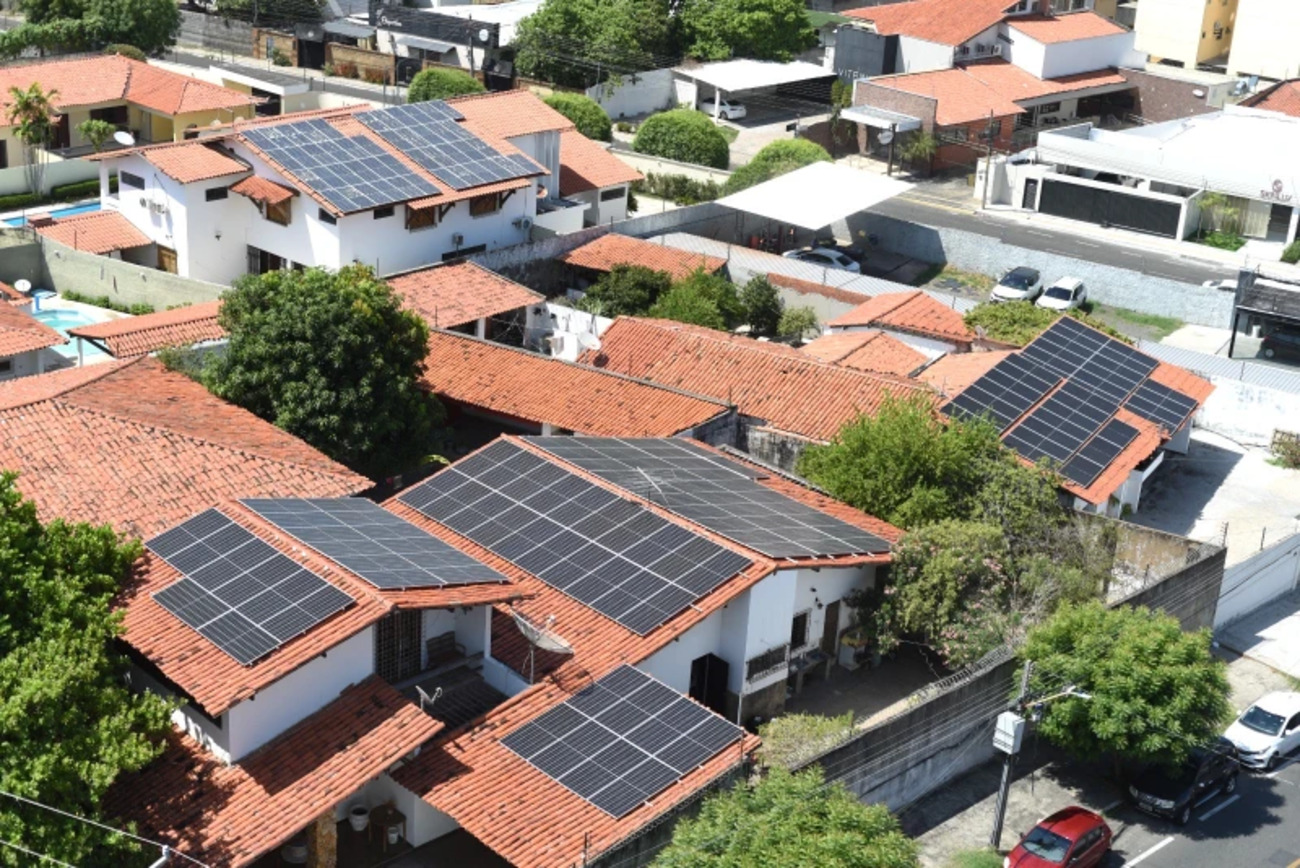

This integration reduces operational expenses, accelerates return on investment, and strengthens a cleaner and more accessible mobility model.
Historically, the transport sector maintained a strong dependence on fossil fuels.
For decades, gasoline and diesel shaped cities, roads, and production chains.
However, despite driving economic development, these fuels also increased environmental impacts and energy risks.
Over time, oil crises and climate alerts progressively reinforced the need for structural change.
In this context, electric mobility began to gain ground as early as the 20th century.
However, only in recent decades, thanks to the reduction in battery costs, advancements in power electronics, and pressure for lower pollutant emissions, the electric vehicle became a viable alternative.
Thus, electric vehicle charging ceased to be merely a technical challenge.
Gradually, it began to represent a strategic element of the new energy economy.
Energy Costs and the Challenges of the Traditional Charging Model
With the expansion of electric mobility, electric vehicle charging has begun to face increasingly relevant economic challenges.
First, the cost of electricity and, moreover, tariff unpredictability directly influence the viability of charging stations.
In Brazil, although the matrix is predominantly renewable, tariff variations and higher tariffs end up impacting the final cost of the service.
Additionally, operators must constantly deal with investments in equipment, maintenance, and network connection.
When energy represents a significant portion of expenses, any tariff increase, consequently, compromises financial planning and reduces profit margins.
In light of this scenario, many entrepreneurs have sought alternatives to reduce fixed costs. At the same time, they sought to gain financial predictability. Thus, the exclusive reliance on the electrical grid began to limit business expansion.
For this reason, solar energy gained traction as a solution capable of offering more autonomy and economic stability to electric vehicle charging.
Solar Energy as a Strategic Ally of Electric Vehicle Charging
Solar photovoltaic generation became popular in Brazil, especially from the 2010s. This advancement occurred thanks to regulatory changes and, simultaneously, to the significant drop in equipment prices.
Since the country has high solar incidence throughout the year, a favorable environment for expanding distributed generation was created.
In this context, solar energy fits naturally into electric vehicle charging. By producing its own energy, the operator reduces the cost per kilowatt-hour used for charging.
Moreover, it decreases reliance on the electrical grid. In this way, the financial structure of the business strengthens. At the same time, it becomes less exposed to market fluctuations.
Furthermore, integration with storage systems is starting to gain relevance. Although it is still maturing, the use of batteries associated with solar energy enables better utilization of generation throughout the day.
Consequently, operators expand the autonomy of the stations and optimize operations. As a result, the savings generated by self-produced energy accelerates return on investment. This reinforces the attractiveness of electric vehicle charging.
Environmental Benefits and Strengthening Sustainable Mobility
In addition to economic gains, the use of solar energy in electric vehicle charging significantly enhances the environmental benefits of electric mobility.
Although electric vehicles already reduce emissions compared to combustion models, the source of the energy used for charging plays a decisive role in the total environmental impact.
When operators utilize solar energy, the electric vehicle charging cycle becomes even cleaner.
Thus, there is a reduction in greenhouse gas emissions. Additionally, there is a improvement in urban air quality. At the same time, the decarbonization strategy adopted by companies and governments is strengthened.
This sustainable positioning directly influences consumer behavior. Increasingly, users value solutions aligned with sustainability.
Therefore, charging stations powered by solar energy add value to the user experience. Moreover, they strengthen the reputation of the brands involved.
Infrastructure Expansion and Market Maturation
In recent years, the growth of electric vehicle charging in Brazil has consistently accompanied the expansion of solar energy.
Thus, shopping mall parking lots, supermarkets, business centers, residential condominiums, and highway corridors have begun to integrate charging points with photovoltaic generation.
These locations, in turn, benefit from a constant flow of users. Consequently, the utilization rate of chargers increases. Additionally, the profitability of the investment improves.
At the same time, the reduction in operational costs allows for more competitive pricing. This, in turn, stimulates the adoption of new consumers to electric mobility.
Simultaneously, the market has matured. Electric vehicle charging is no longer viewed as a experimental initiative. It has now become treated as a structured business.
Thus, financial planning, demand analysis, and long-term strategies now guide decisions. In this scenario, solar energy acts as a central element of stability and sustainable growth.
Regulation, Access, and Future Perspectives
Finally, regulatory advancement plays a fundamental role in the consolidation of electric vehicle charging alongside solar energy.
Policies that encourage distributed generation and electric mobility are progressively creating a more favorable environment for investments.
Additionally, they reduce barriers for new operators. The reduction of operational costs helps to democratize access to electric vehicle charging.
With more affordable prices, electric mobility tends to reach a broader audience. As a result, the positive impacts of the energy transition expand.
The future of electric vehicle charging in Brazil depends on the integration of efficient, clean, and economically viable solutions.
In this sense, solar energy consolidates itself as one of the main pillars of this model. It offers predictability, financial return, and environmental gains.
It is, therefore, a timeless solution. This solution can sustain the expansion of electric mobility. Additionally, it strengthens the Brazilian energy transition in the coming decades.











-

Uma pessoa reagiu a isso.