





 Portuguese
  English
  Spanish
  3 min of reading
  0 comments


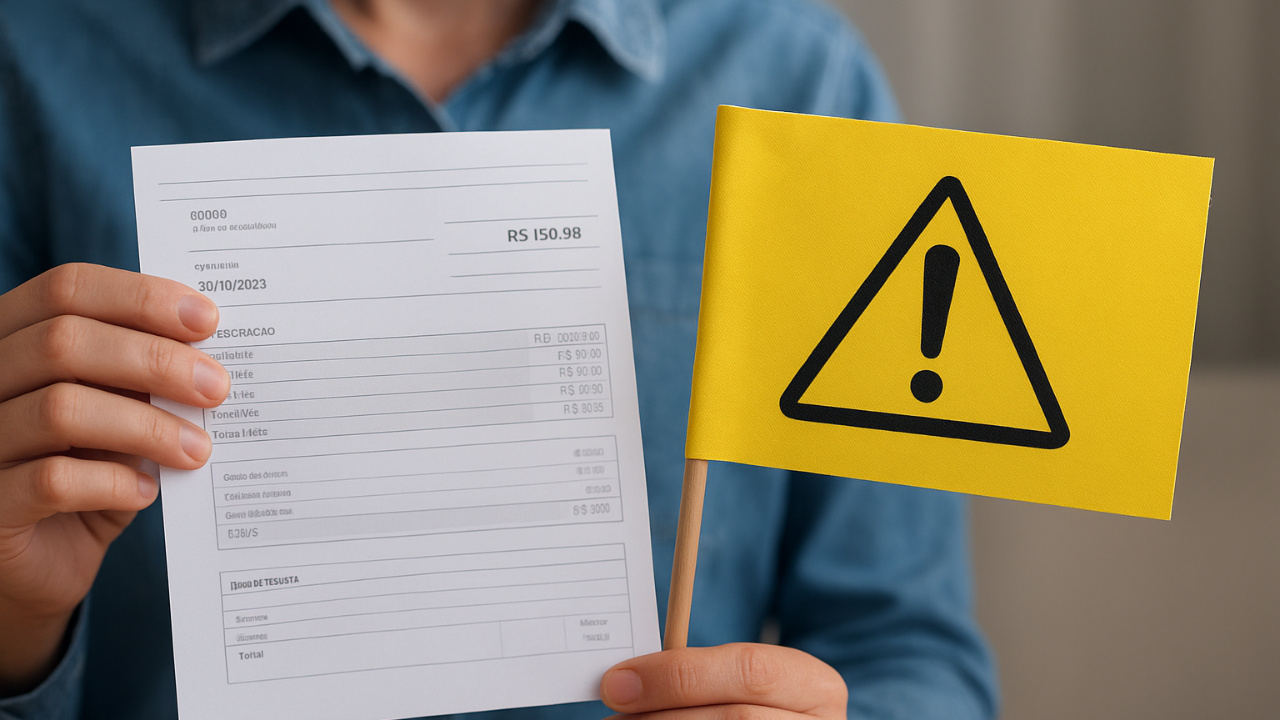
Yellow Flag Tariff Will Be Applied in December and Will Bring Extra Cost to Electricity. Understand the Values, the Reason for the Change, and How the ANEEL System Works.
Brazilians’ electricity bills will undergo another change starting in December. The National Electric Energy Agency (ANEEL) confirmed the implementation of the yellow flag tariff across the country. Thus, electricity consumers will pay an additional R$ 1.885 for every 100 kilowatt-hours (kWh) consumed.
The decision marks an important change in the recent landscape of the electricity sector. This is because, since June, the flag tariff has been maintained at the red level. Therefore, December becomes the first month outside of this higher charging level after a long period of extra costs.
Weather Conditions Influence Tariff Definition
According to the regulatory agency, the change is related to the hydrological conditions expected for the period. With the arrival of the rainy season, the expectation is for higher rainfall volumes than those recorded in November, especially in strategic regions for electricity generation.
-
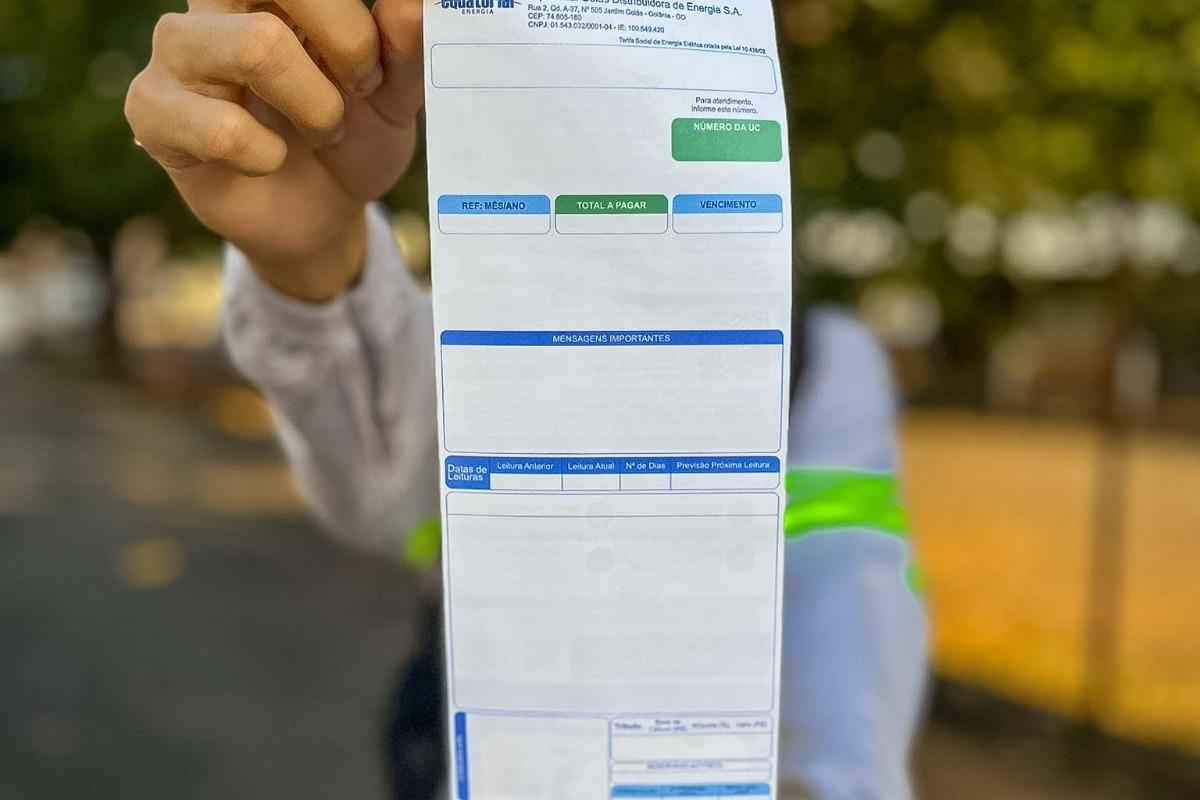
Equatorial adopts new national number for consumer units on electricity bills starting in April, following ANEEL standards and modernizing energy bills in several states.
-
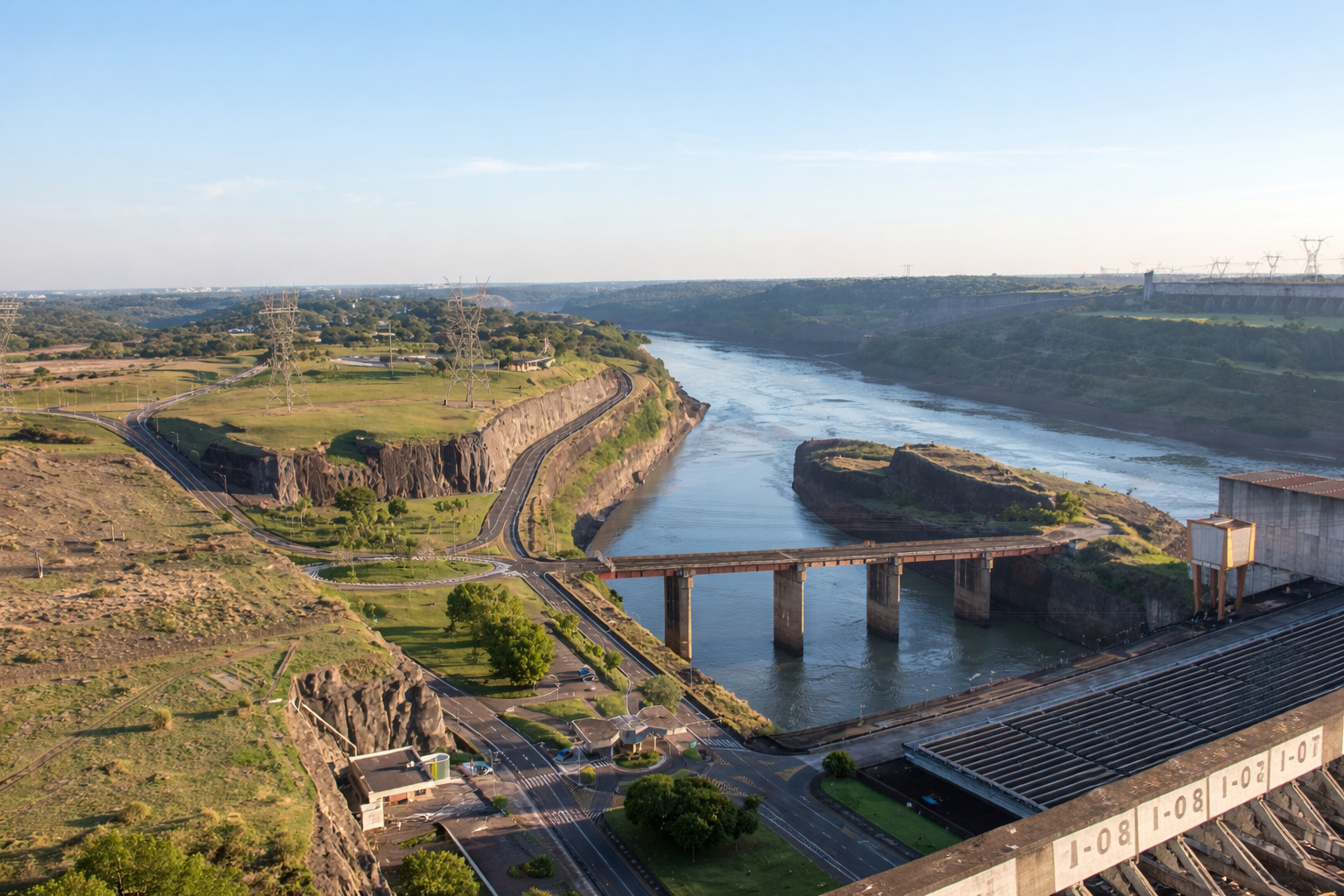
Itaipu Impresses the World: Hydroelectric Plant with 20 Turbines and 14,000 MW Generates Over 2.9 Billion MWh and Leads Global Clean Energy Production
-
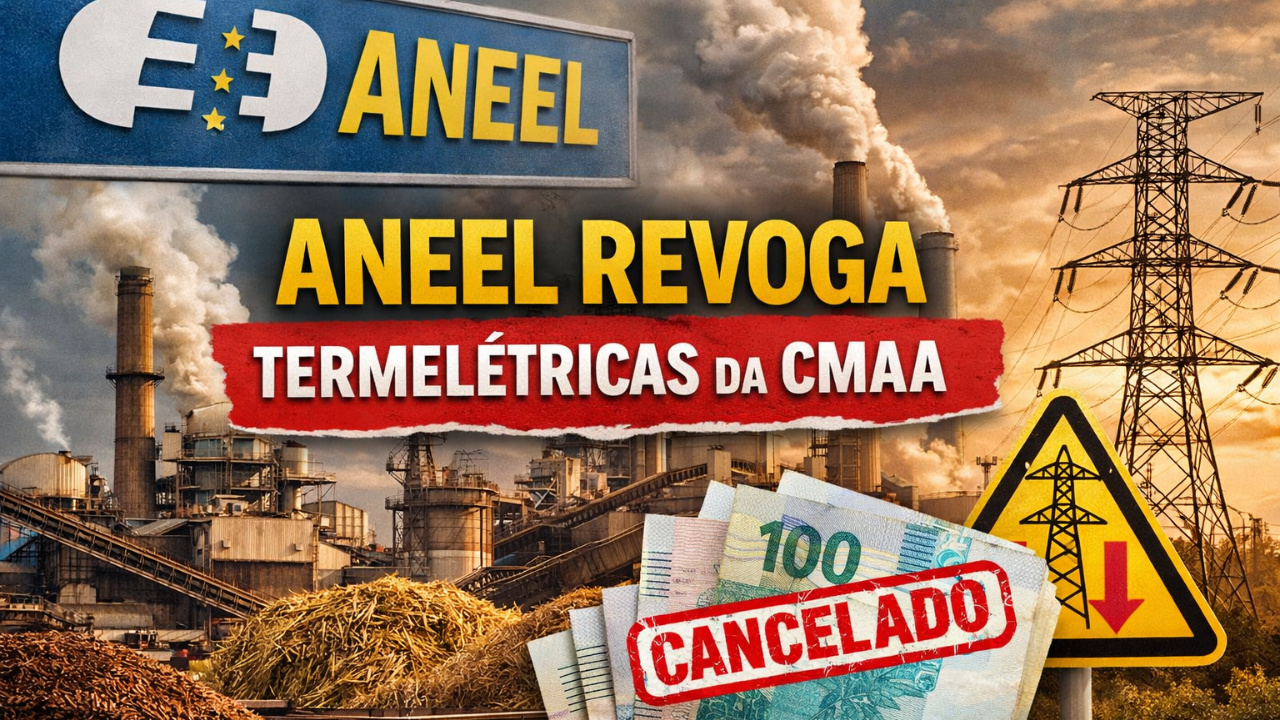
Aneel Revokes CMAA Thermal Power Plants After Network Restrictions and Excess Energy in the System
-
13-Year-Old Scientist Creates Clean Energy Device For Just R$ 16, Wins $25,000 Prize And Surprises The World With Affordable Solution


However, despite this improvement, precipitation is still expected to be below the historical average for December. For this reason, the generation conditions are considered only partially favorable.
As a result, ANEEL assessed that it was possible to reduce the flag level, but it did not rule out the need for continuous activation of thermoelectric plants to ensure demand is met.
Recent History Shows Variations in Electricity Tariff
Since May, Brazilian consumers have been facing successive additional charges on their electricity bills. That month, the yellow flag was activated for the first time this year. Shortly after, in August and September, the situation worsened with the adoption of the red flag level 2, the most expensive in the system.
Before this period of increase, between December and April, the flag remained green. In practice, this meant no additional charge for electricity, reflecting more favorable generation conditions in the country’s reservoirs.
Understand How the Tariff Flags System Works
The tariff flags system was created in 2013 by ANEEL with the goal of providing more transparency regarding the real costs of electricity generation. Although it was conceived that year, it effectively came into force in 2015.
This model signals to consumers monthly whether the production of electricity is cheaper or more expensive. Currently, the system includes four distinct levels, identified by colors, each with a specific additional value.
The structure of the system works as follows:
- Green Flag: no additional cost for the electricity consumer.
- Yellow Flag: an increase of R$ 1.885 for every 100 kWh consumed.
- Red Flag Level 1: an increase of R$ 4.463 for every 100 kWh consumed.
- Red Flag Level 2: an increase of R$ 7.877 for every 100 kWh consumed.
Thus, even with the reduction to the yellow flag in December, the recommendation remains for conscious use of electricity, as additional costs are still present in the monthly bill.









Seja o primeiro a reagir!