





 Portuguese
  English
  Spanish
  4 min of reading
  10 comments


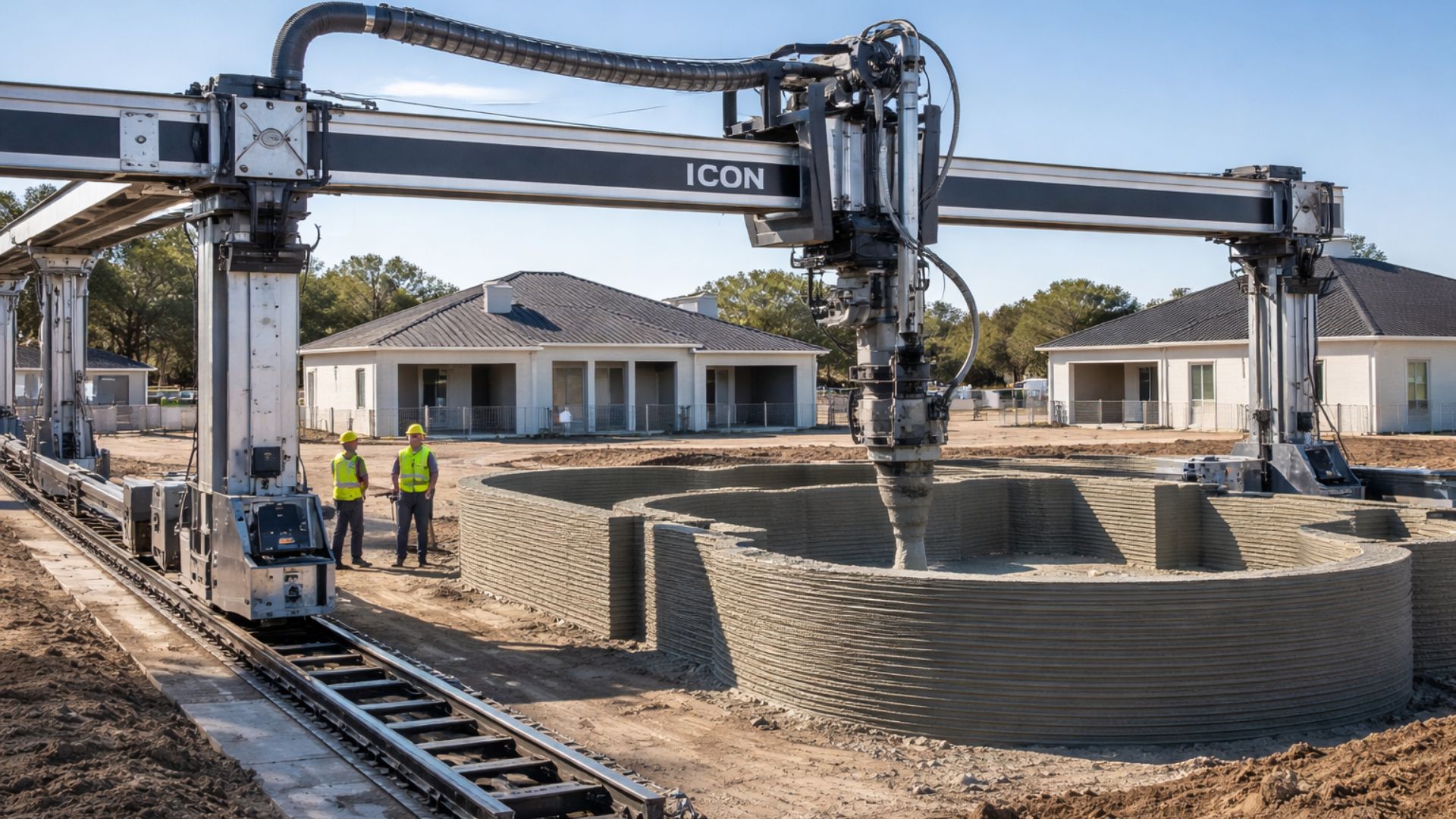


3D Printing Technology Creates An Entire Neighborhood In Texas Promising To Reduce Waste, Accelerate Construction, And Change The Standard Of Civil Construction In The United States. The Project Brings Together A Traditional Construction Company And An Innovation Startup To Test Industrial Scale In Permanent Housing.
A neighborhood with “printed” houses by giant robots has moved from prototype to residential scale construction in Texas, around Austin, promising to reduce waste and simplify traditional construction steps.
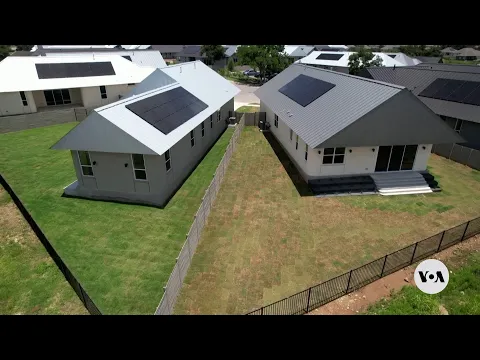
The project, known as Genesis Collection in the Wolf Ranch community, is located in Georgetown, about 50 kilometers from Austin, and includes 100 single-story homes built with an industrial 3D printing system, in partnership between the construction company Lennar and the technology company ICON.
Although the title circulating on social media mentions ready walls in 24 to 48 hours, monitoring the construction site shows that, in this neighborhood, the wall printing stage can take weeks per house, before complete finalization.
-
The lack of welders, electricians, and operators becomes a structural threat in 2025, with the construction industry and manufacturing already suffering from delays, cost pressures, and labor shortages in Brazil.

-
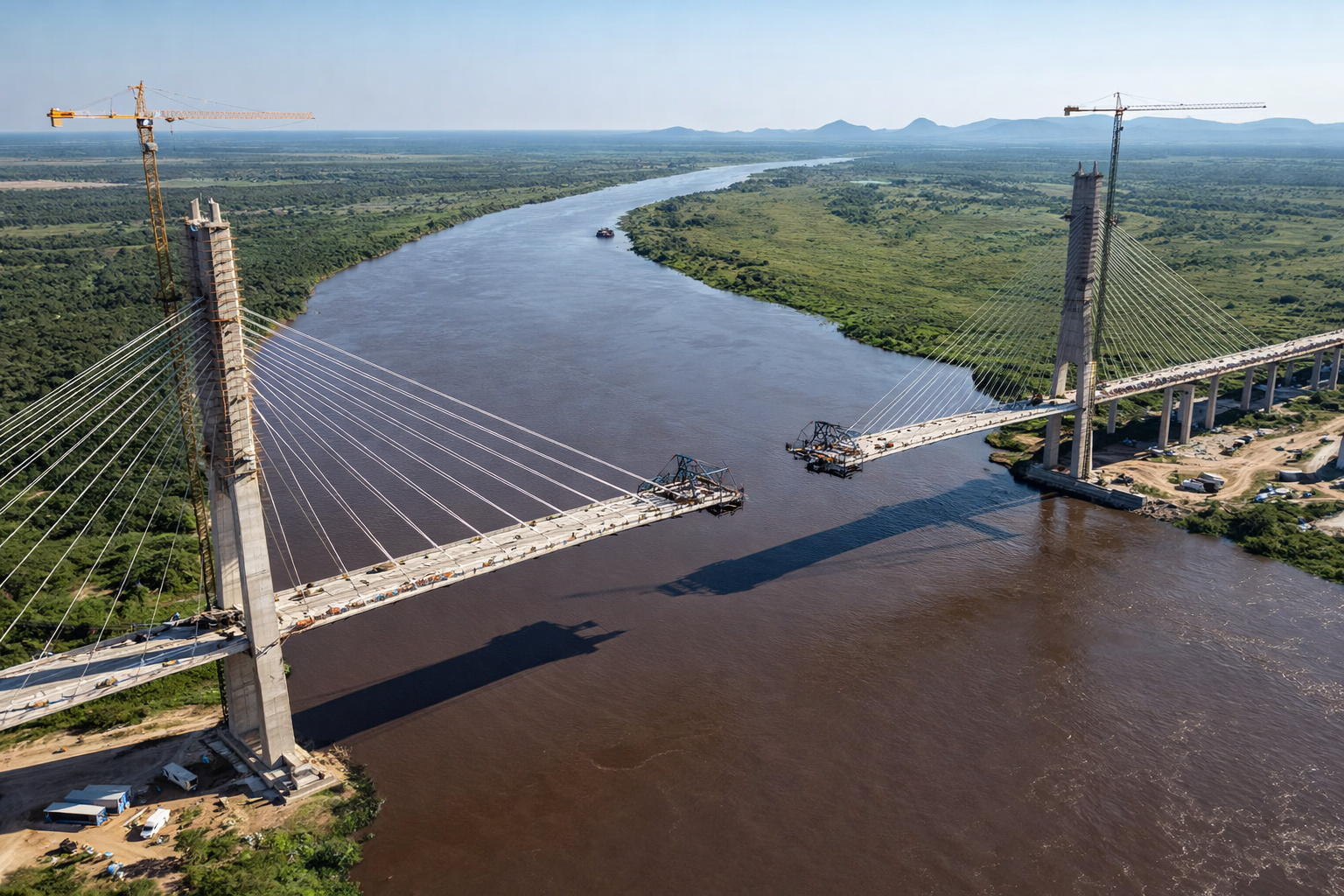
Brazil and Paraguay are just 46 meters away from a historic union on the bioceanic bridge that promises to revolutionize trade between the Atlantic and the Pacific.
-
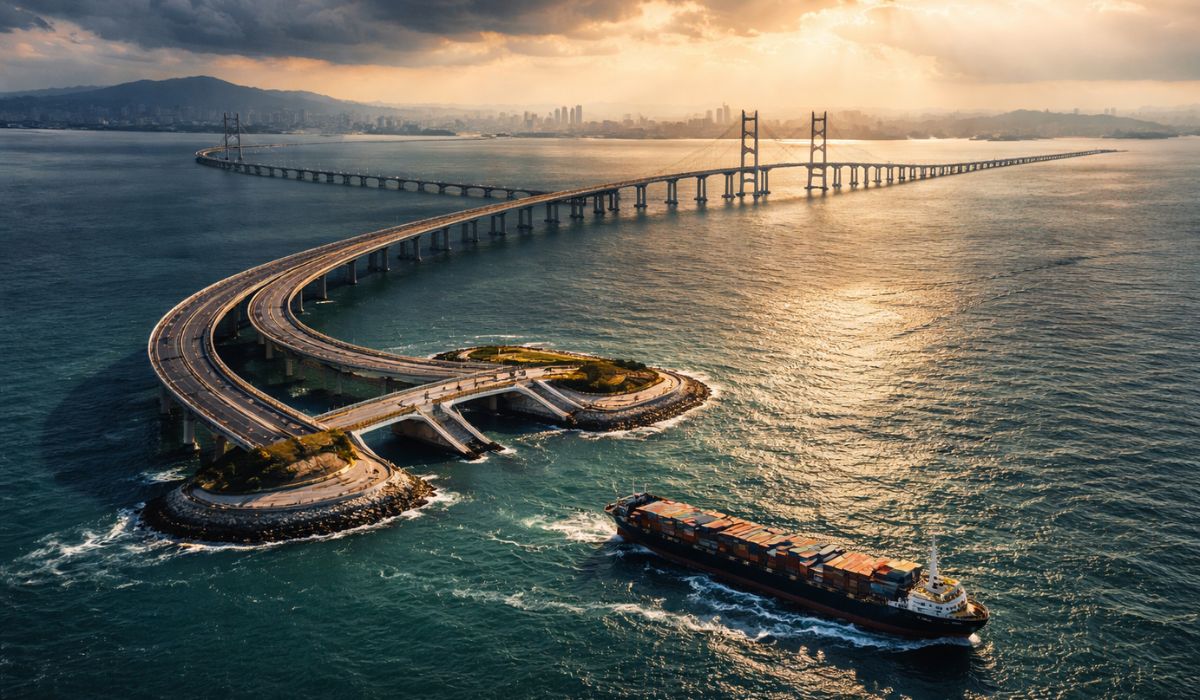
With 55 km over the sea, a cost of US$ 20 billion, and enough steel to build 60 Eiffel Towers, China’s largest project has connected Hong Kong, Zhuhai, and Macau in a colossal bridge that defies the logic of engineering.
-
A trick with joint compound transforms a Styrofoam ceiling into a plaster-like ceiling: leveled panels, wires and mesh at the joints, sand, paint, and change the environment while spending little today.


What Is Being Built Around Austin
In Wolf Ranch, 3D printing does not deliver an entire house from start to finish, but produces the wall system in extruded concrete, while the foundation and roof follow conventional methods adopted in the North American real estate market.
The houses are single-story, with three or four bedrooms, and were put up for sale in price ranges between approximately US$ 450,000 and around US$ 600,000, according to information released during the project’s marketing.
Part of the appeal lies in the repeatability of the process.

The neighborhood was designed with different floor plans and facade variations, maintaining a similar productive method that helps reduce rework and standardize wall execution.
How Giant 3D Printers Work In Construction
Instead of bricks and mortar applied manually, the equipment deposits, layer by layer, a cementitious compound through an extruder nozzle, following a digitally programmed path.
This process creates a striated texture characteristic of the method and transforms the architectural file into physical walls with automated precision.
ICON describes the Vulcan system as additive construction technology capable of printing broad structures without the need for constant repositioning of the equipment.
In this flow, the BuildOS software acts as a bridge between design and construction, preparing files for printing and controlling the hardware on site with integrated monitoring.
The promise of operation with reduced teams is associated with new generations of machines, which operate with fewer workers compared to traditional sites.
Lavacrete And Resistance To Hurricanes And Extreme Events
The material used in the extrusion, called Lavacrete, is described by the company as a high-strength concrete developed to flow through the printer and solidify quickly without losing structural stability.
According to ICON, the wall system would have surpassed design requirements outlined in building codes, increasing structural safety margins.
In the case of hurricanes, the company claims that the system undergoes standardized tests and can withstand winds of up to 250 miles per hour under test conditions.
Regarding earthquakes, the company states that it adapts the system to meet regional requirements, including seismic demands, according to the area of operation.

Speed, Waste, And Limits Of Automation
The idea of printing walls in 24 hours helped popularize the technology in the early years of the method’s promotion.
In the Texas neighborhood, however, the observed pace indicates a longer timeline to complete printing per unit, even though the process can occur alongside other construction phases.
Waste reduction is one of the central arguments of additive construction, as deposition follows the project’s layout with fewer leftovers common in conventional masonry.
Even with advanced automation, roofs, doors, windows, electrical installations, and finishes continue to be executed by traditional methods.
This means that 3D printing focuses mainly on walls, and does not entirely eliminate the other phases of the construction schedule.
3D Printing And The Housing Crisis In The United States
The bet on automated construction has grown alongside the debate on the lack of housing in the country, where different studies indicate a deficit of several million housing units.
Recent estimates place the deficit around 3.8 million to nearly 5 million homes, depending on the methodology considered.
Still, the case of Wolf Ranch indicates that, even with printed walls, the final price remains aligned to the local market standard, influenced by factors such as land, regulation, and financing.
On the business front, the construction company involved has already indicated interest in expanding similar projects, suggesting continuity of the model with operational adjustments.
With this experience, 3D printing enters a more operational and less experimental phase, where actual performance, certifications, and costs are evaluated with greater rigor.
If robots can already change the way walls are built in an entire neighborhood, what is still needed for this logic to become the norm in housing and not just an experiment in upscale areas?








Como é feito as instalações elétrica e hidráulica dessas casas?
Esses detalhes já é integrado no próprio projeto da residência. E a máquina vai deixando todas as entradas de saídas e tubulações com marcações. Assim facilitando todo o caminho
Casa cara do cão 🤣🤣
Com essa tecnologia trabalhadores na construção civil terão que se especializarem. Mas nada substituirá a mão de obra humana.