





 Portuguese
  English
  Spanish
  3 min of reading
  0 comments


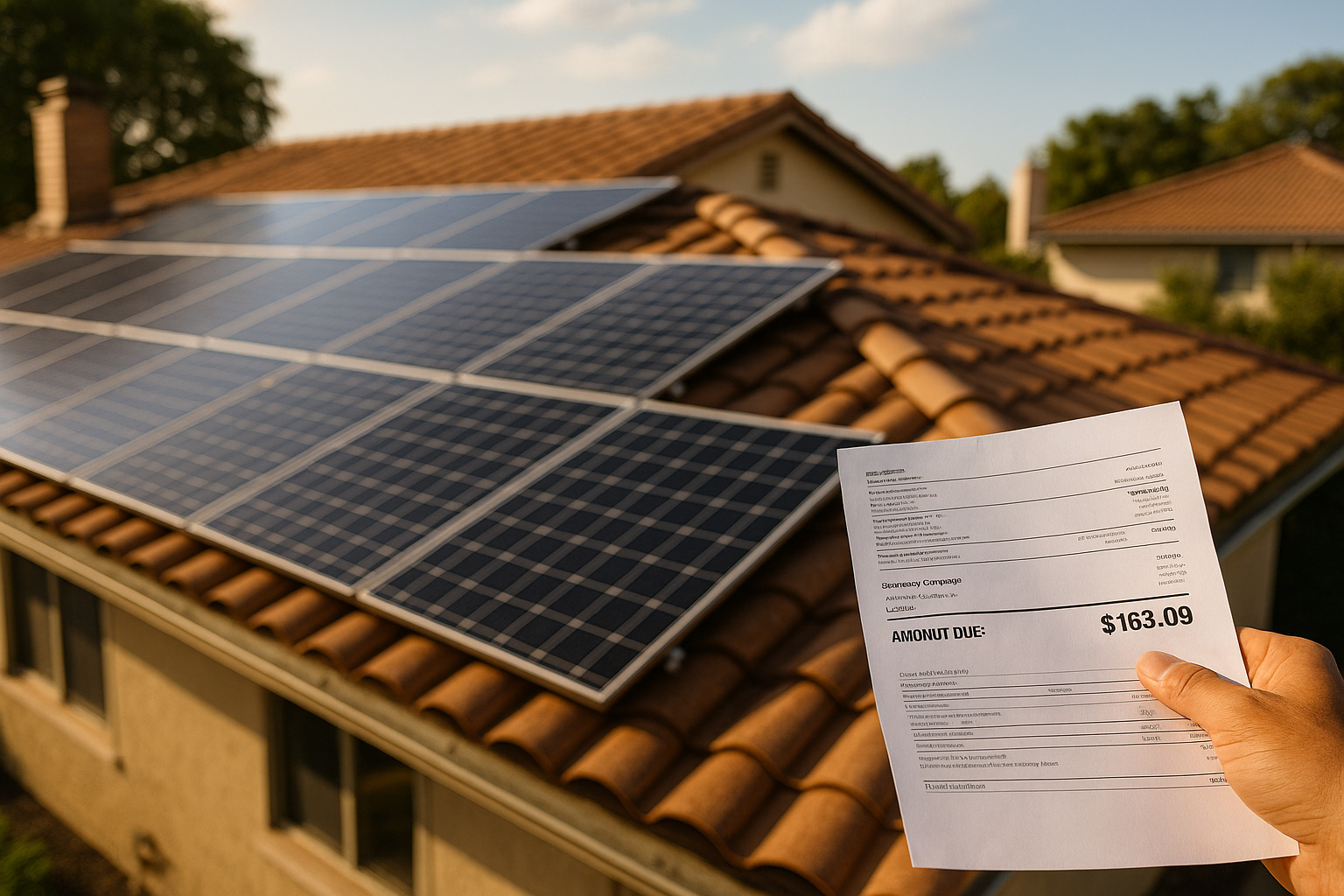
The Cut in Subsidies Promises to Alter the Economic Balance of Solar Microgeneration and Redefine the Role of Consumers in the Tariff Structure
The federal government announced a plan to reduce subsidies for solar microgeneration in Brazil. The measure, according to the Ministry of Mines and Energy (MME), will come into effect in 2026.
The goal is to reformulate the incentive system, which currently benefits consumers who produce their own solar energy.
Currently, those who installed solar panels by the beginning of 2023 still have exemption from distribution tariffs until 2045, according to Law 14.300/2022. However, the new government project stipulates that all consumers, including existing ones, will gradually pay for the costs of electrical infrastructure until 2029.
The MME claims that the current model has created tariff distortions and needs adjustments to ensure sustainability for the electricity sector.
Reform and Restructuring of the Electricity Sector
The proposal was presented in April 2025 as part of a package of reforms for the electricity sector, developed by the National Electric Energy Agency (Aneel) along with the MME.
The main focus is to end outdated subsidies and distribute the costs of the electric grid fairly among consumers.
In addition, the government seeks to balance tariffs and encourage sustainable investments in distributed generation. Therefore, the transition will occur gradually, with progressive increases in infrastructure charges until the end of the decade. The MME argues that this change ensures stability and predictability for the national electricity system.
ARTICLE CONTINUES BELOWSee also
Seagri’s headquarters invests in solar energy with Neoenergia Coelba and promises to cut electricity costs, highlighting a strategic advance in sustainability and energy efficiency within state public administration.
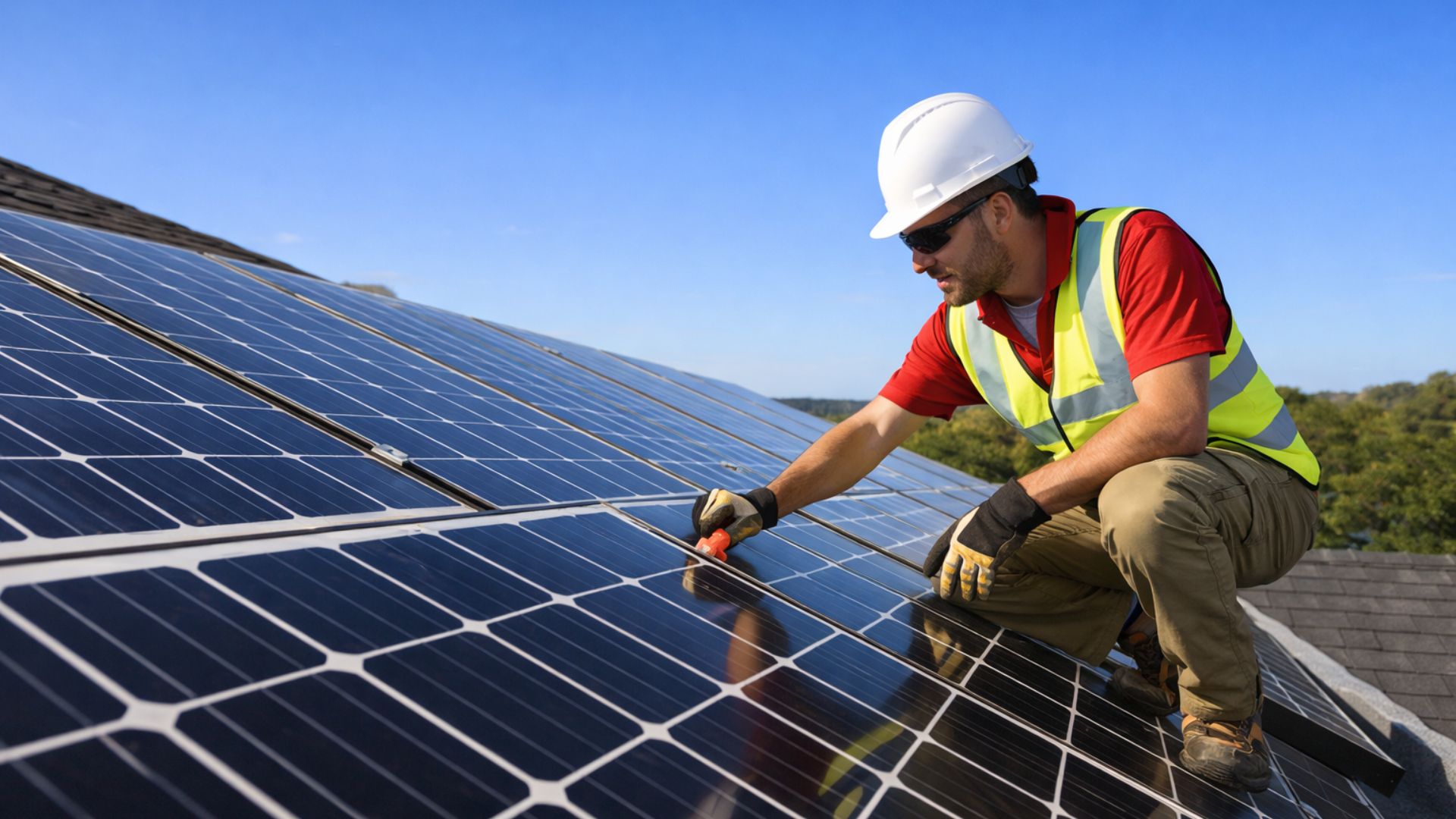
Solar Pyramid draws attention by converting solar energy into million-dollar savings and repositioning the City Hall of Curitiba as an example of innovation, sustainability, and intelligent use of public resources.
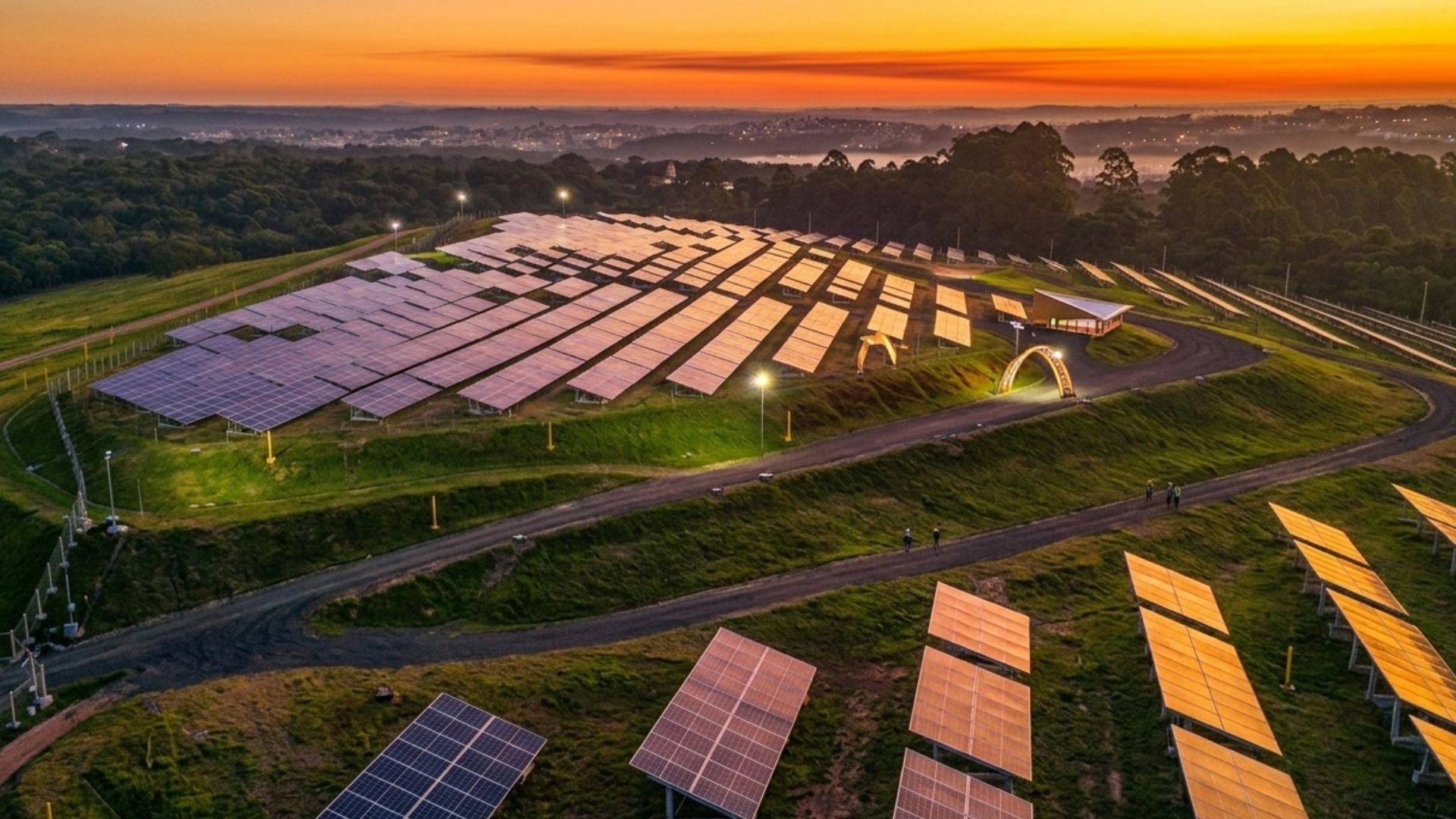
Europe records strong euro economy with solar energy in March and sparks curiosity about which country leads growth that redefines the energy market and reduces costs.
Piauí reaches a historic milestone in energy transition: State records nearly 160,000 households powered by solar energy and leads growth in the Northeast.
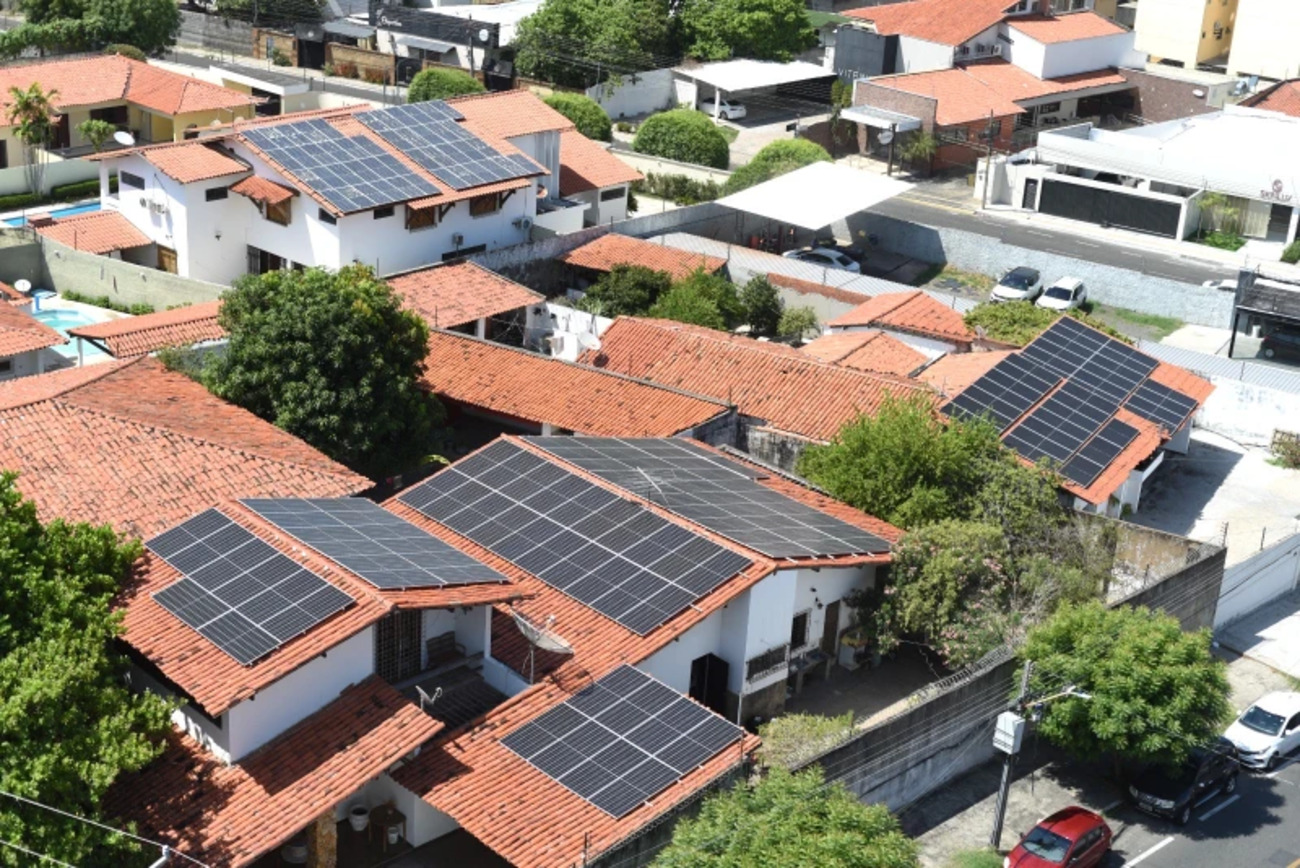
Growth of Solar Microgeneration and Economic Impact
According to Aneel, Brazil experienced strong growth in solar microgeneration, with 2.13 gigawatts installed in the first quarter of 2025 alone. The result shows the growing interest of households and businesses in self-generating clean energy.

However, the MME and the Institute for Applied Economic Research (Ipea) point out that the subsidy imposes a cost of approximately R$ 14.3 billion on other consumers in 2025. This amount is the main argument for the government to review the incentives. Thus, the partial cut in benefits emerges as a way to balance tariffs and contain costs in the long run.
New Tariff and Responsibility of Microgenerators
The changes in distributed generation began with Law 14.300, which created the system use tariff (TUSD).
This charge ensures the participation of microgenerators in maintaining the electric grid, as they continue to use infrastructure even with their own energy.
With the new rules, the costs will be gradually passed on from 2026 to 2029, allowing for adaptation of consumption and generation models.
Moreover, the reform seeks to modernize the electricity sector, making tariffs more balanced and transparent for everyone.
Transition to a Balanced Model
The end of the full subsidy marks a new stage for solar energy in Brazil, with greater financial responsibility for microgenerators and more stable regulation.
The MME predicts that the change strengthens the fiscal sustainability of the system until 2030, without stopping the advancement of clean and decentralized energy.
Even with the gradual increase in costs, the government believes that the country will maintain the pace of solar energy expansion.
After all, balance and responsibility are essential factors to ensure the sustainable growth of the sector in the coming years.
Will Brazil be able to sustain the advancement of solar energy even with the reduction of incentives?









Seja o primeiro a reagir!