





 Portuguese
  English
  Spanish
  4 min of reading
  0 comments


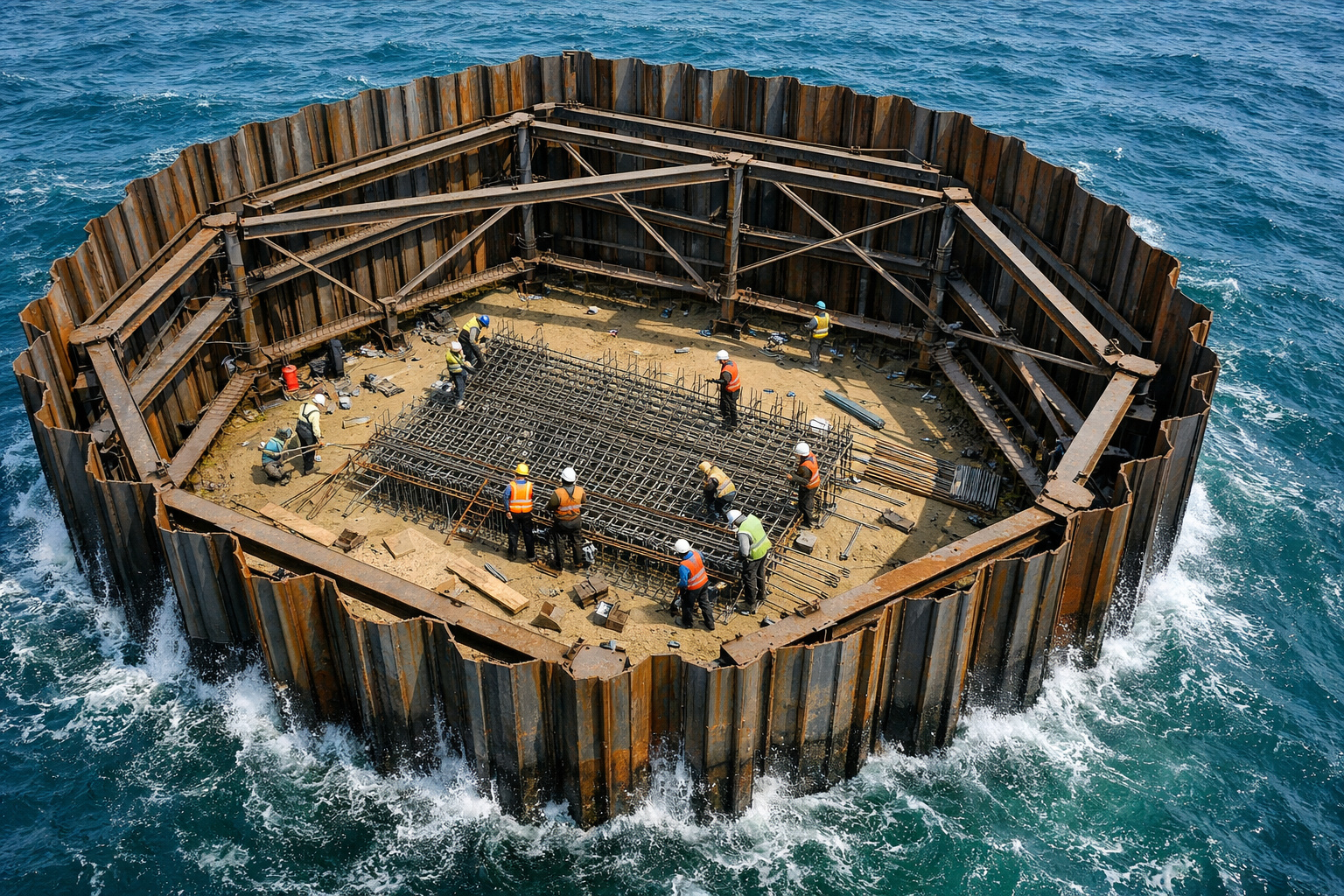
Building underwater is among the most complex tasks of modern civil engineering. At first glance, the idea of engineers and workers operating under violent ocean currents seems inevitable. However, in practice, modern underwater engineering completely avoids direct contact with water, creating temporary dry environments to allow for the safe execution of work.
The information was disclosed by technical and educational content specialized in civil engineering and geotechnics, detailing how large submerged structures, such as bridge piers, are erected without workers needing to operate continuously underwater, according to widely used technical materials in the sector.
To achieve this, engineers resort to an ingenious and temporary solution: the coffer dam, a temporary dam built around the area where the permanent structure will be erected. This technique allows for isolating the site, pumping out the water, and transforming the ocean or riverbed into a dry construction site—even while surrounded by tons of water exerting constant pressure.
-
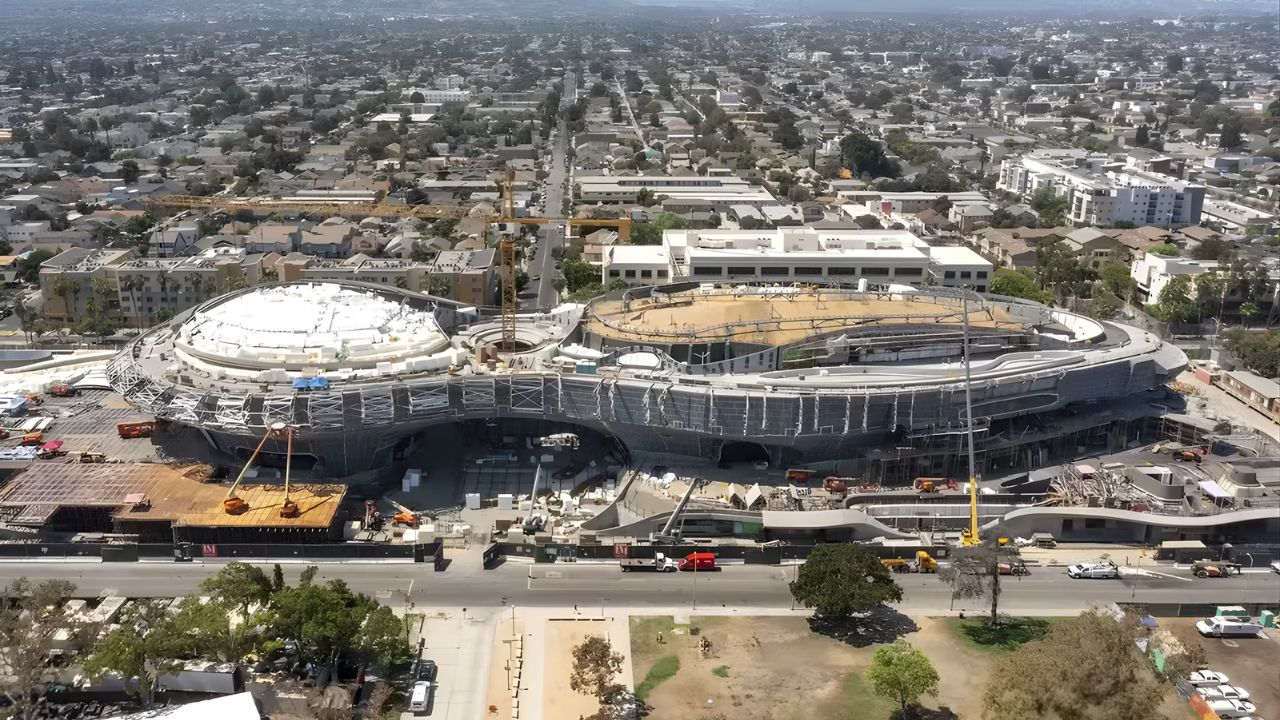
Created by George Lucas with over $1 billion, a futuristic museum in the shape of a spaceship with 1,500 curved panels is about to open in Los Angeles and will house one of the largest private collections of narrative art in the world.
-
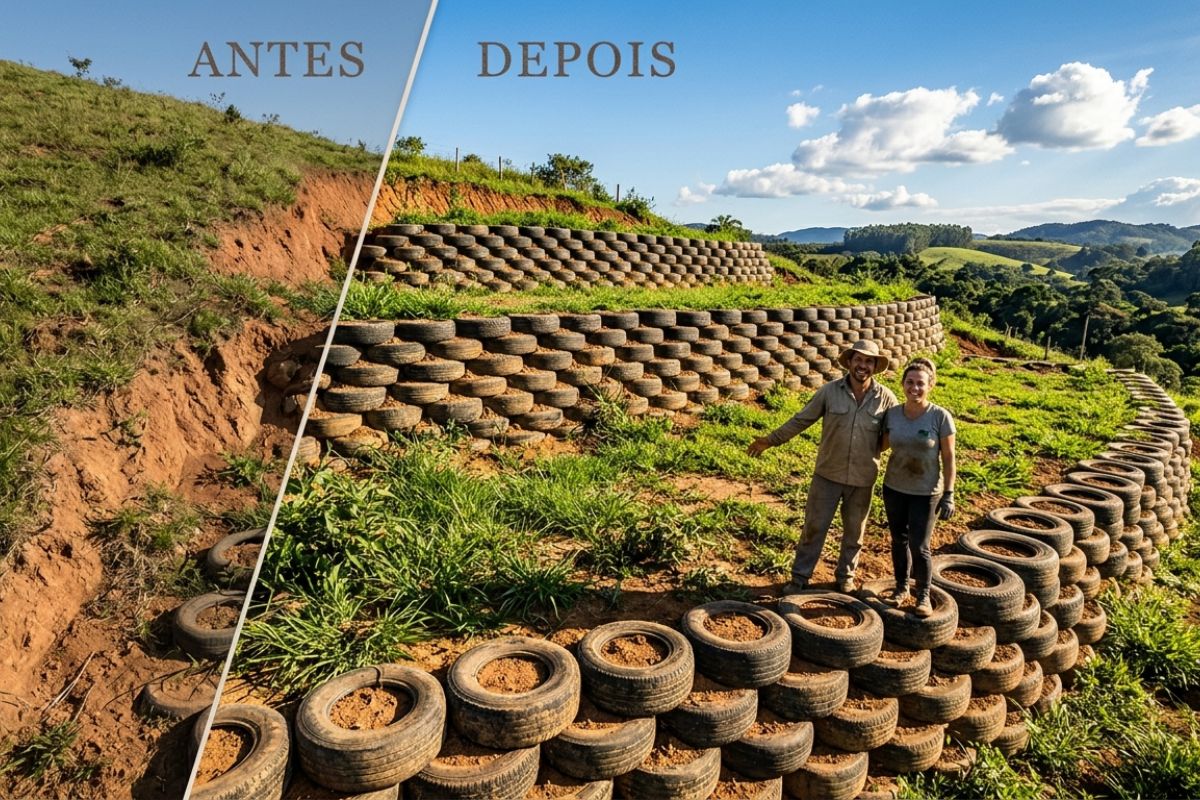
Couple shows how they built a retaining wall on their property using 400 old tires: sloped land turned into plateaus, tires are aligned, filled, and compacted with layers of soil, with grass helping in support and at almost zero cost.
-
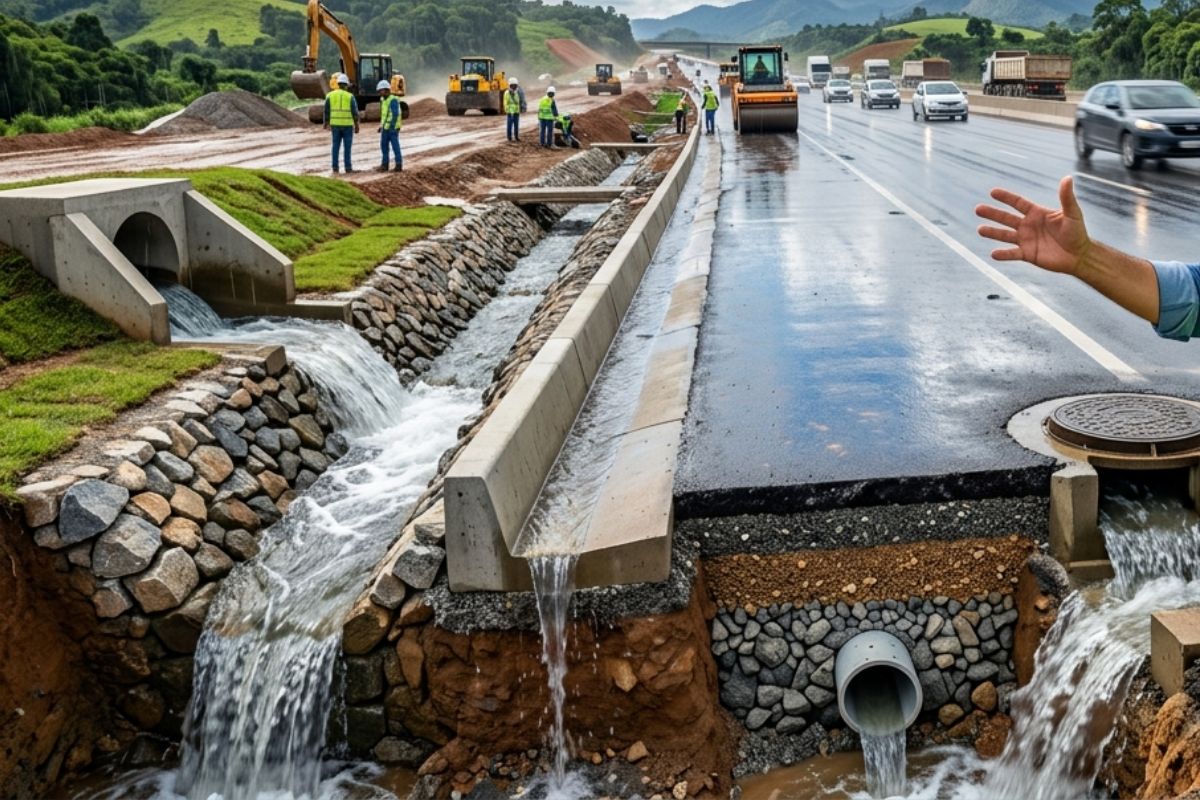
Engineer explains drainage during the rainy season: the difference between surface water and deep water, ditches, gutters, and water outlets on the road, as well as drains and drainage mattresses, to prevent erosion, aquaplaning, and flooding at the construction site today.
-
With 55 floors, 177 meters in height, a 15-meter walkway between the twin towers, ventilated facade, and 6,300 m² of leisure space, Ápice Towers already has one tower completed and another nearly at the top.


However, despite seeming simple in concept, a small calculation error or construction sequence mistake can result in a sudden collapse, endangering the entire work, equipment, and human lives.
Coffer Dams, Sheet Piles, and the Critical Role of Geotechnical Engineering

Before even draining the water, the engineers face an essential challenge: assessing whether the soil can support the permanent structure. For this, a detailed geotechnical study is conducted, the most common method being the cone penetration test (CPT).
In this test, a cone-tipped device is positioned at the bottom of the ocean. As it penetrates the soil, sensors record resistance and friction values, sending real-time data. The test continues until reaching the bedrock, at which point there is an abrupt jump in resistance values. This data is crucial, as it defines the exact depth at which sheet piles must be driven.
With this information in hand, the construction of the coffer dam begins. First, guide piles are installed, precisely positioned using a vibratory pile driver. Then, dozens of interconnected sheet piles are driven into the ground, forming a continuous wall.
Contrary to what many imagine, these piles are not simply hammered in. The equipment uses rapid and controlled vibrations, generated by two counter-rotating eccentric weights, reducing soil resistance and allowing the piles to reach the bedrock more efficiently and with less structural impact.
The driving order—from the corner to the center—ensures the correct alignment of the structure. This whole process occurs from a flat-deck barge, responsible for transporting machines and components to the job site.
Water Pressure, Unexpected Collapses, and the Importance of Bracing
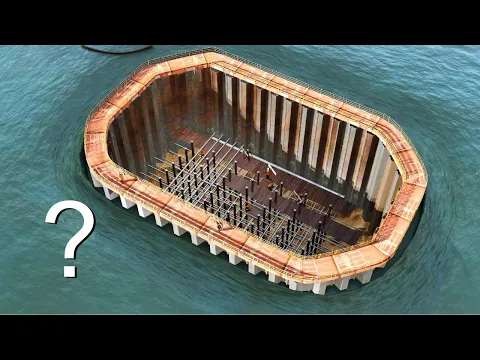

With the coffer dam in place, the critical phase begins: the pumping of water. As the water level decreases, leaks occur between the sheet piles due to the differential pressure between the dry interior and the submerged exterior.
Initially, a single-layer coffer dam may fail. Therefore, engineers often adopt a double-layer system, filling the space between the walls with sandy, gravel, or crushed rock, increasing the resistance to leakage.
Even so, a common mistake can be fatal. When water is present on both sides, forces are balanced. However, when the interior is completely emptied, a massive force starts acting inward, potentially causing the total collapse of the coffer dam.
To prevent this disaster, a bracing system is installed, composed of struts, supports, and horizontal beams, all precisely bolted. These struts resist the internal movement of the walls and distribute lateral loads, making the temporary structure capable of withstanding the extreme pressure of water.
Still, another phenomenon threatens the work: water infiltration through the soil, similar to what occurs in classic filtration experiments. Since completely preventing this infiltration is extremely difficult, engineers adopt a definitive solution.
Concrete Sealing Layer, Tremie Method, and the Construction of the Permanent Pier
The solution lies in the so-called concrete sealing layer, which seals the bottom of the coffer dam and blocks water infiltration. Before this, the soil above the hard strata is removed using bucket excavators, operated by specialized excavators.
To ensure the adhesion of the sealing layer to the bedrock, hollow steel piles are installed, driven in with a vibratory pile driver. The rocky material inside these tubes is removed using augers, allowing for the insertion of reinforcement bars and subsequent concrete pouring.
The pouring of the sealing layer occurs using the tremie method, ideal for environments with a constant presence of water. This method utilizes a hopper bucket and a long segmented tube, with a plug at the lower end to prevent water entry. The tube remains submerged in concrete throughout the process, avoiding mixing with infiltrated water.
Once the sealing is completed, infiltration is efficiently controlled. The workers then assemble the reinforced steel frame for the stem of the bridge pier. Since this structure will remain permanently submerged, the materials used need to withstand both water pressure and bridge load.
After the complete pouring of concrete, the pier undergoes a curing period of 14 to 28 days, until it reaches its full strength. Only after this is the coffer dam, now useless and visually undesirable, carefully removed. The sheet piles are cut at the level of the sealing layer, avoiding any structural compromise.
The final result is a solid bridge pier, capable of supporting extreme loads and resisting the underwater environment for decades.








-

-

3 pessoas reagiram a isso.