





 Portuguese
  English
  Spanish
 3 min of reading
  0 comments


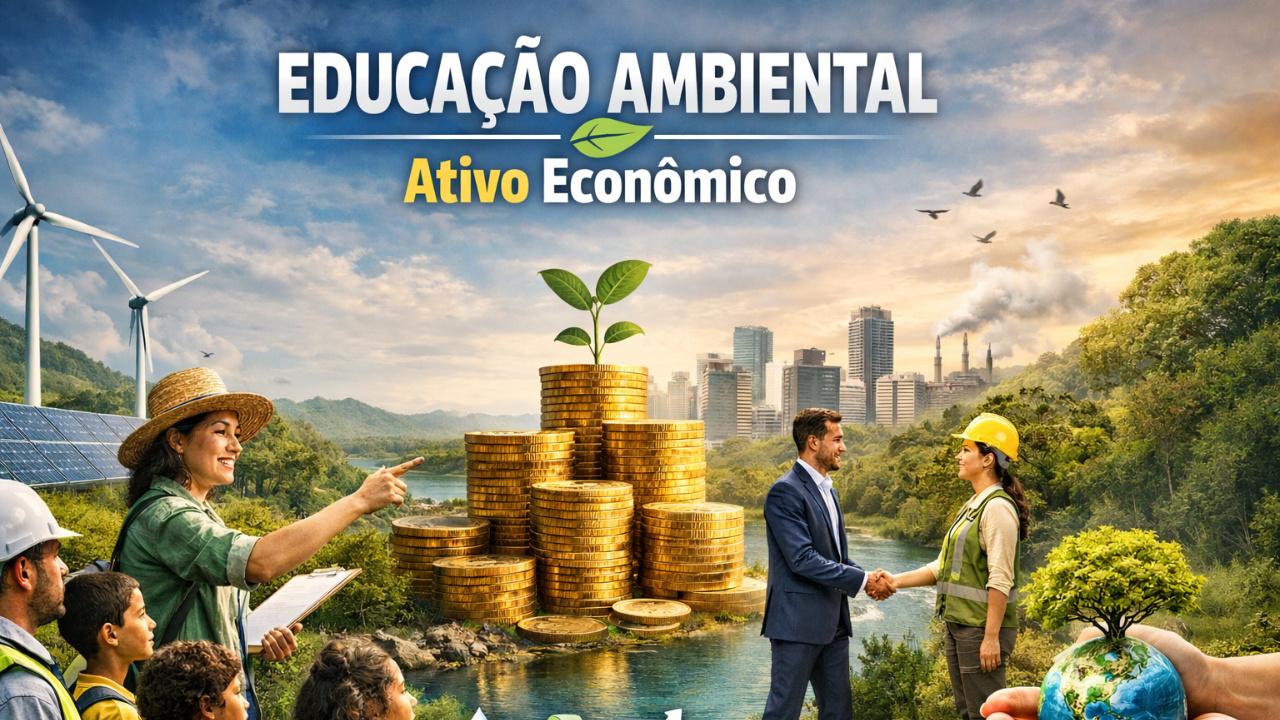
Minas Transforms Environmental Education into Economic Strategy, Reduces Risks, and Drives Sustainable Development.
Environmental education has ceased to be a peripheral theme to become a true economic asset in Minas Gerais, impacting companies, governments, and society.
The movement occurs amidst the advance of extreme climatic events, territorial conflicts, and new market demands that push for more resilient models of sustainable development.
This shift in perspective is already influencing strategic decisions in both the productive sector and public management, especially in recent years when environmental risks began to directly affect productivity, investments, and corporate reputation.
-
Embrapa’s discovery reveals an unexpected advancement by allowing the production of seedlings from the caatinga using brackish water, opening a new frontier for farmers to face drought more efficiently.

-
6 sources of free fertilizer that you are throwing away every day and can transform your garden without spending anything.

-
With a water crisis on the radar, Sabesp invests in reclaimed water for data centers and transforms sewage treatment into a solution that saves millions of liters and protects public supply.

-
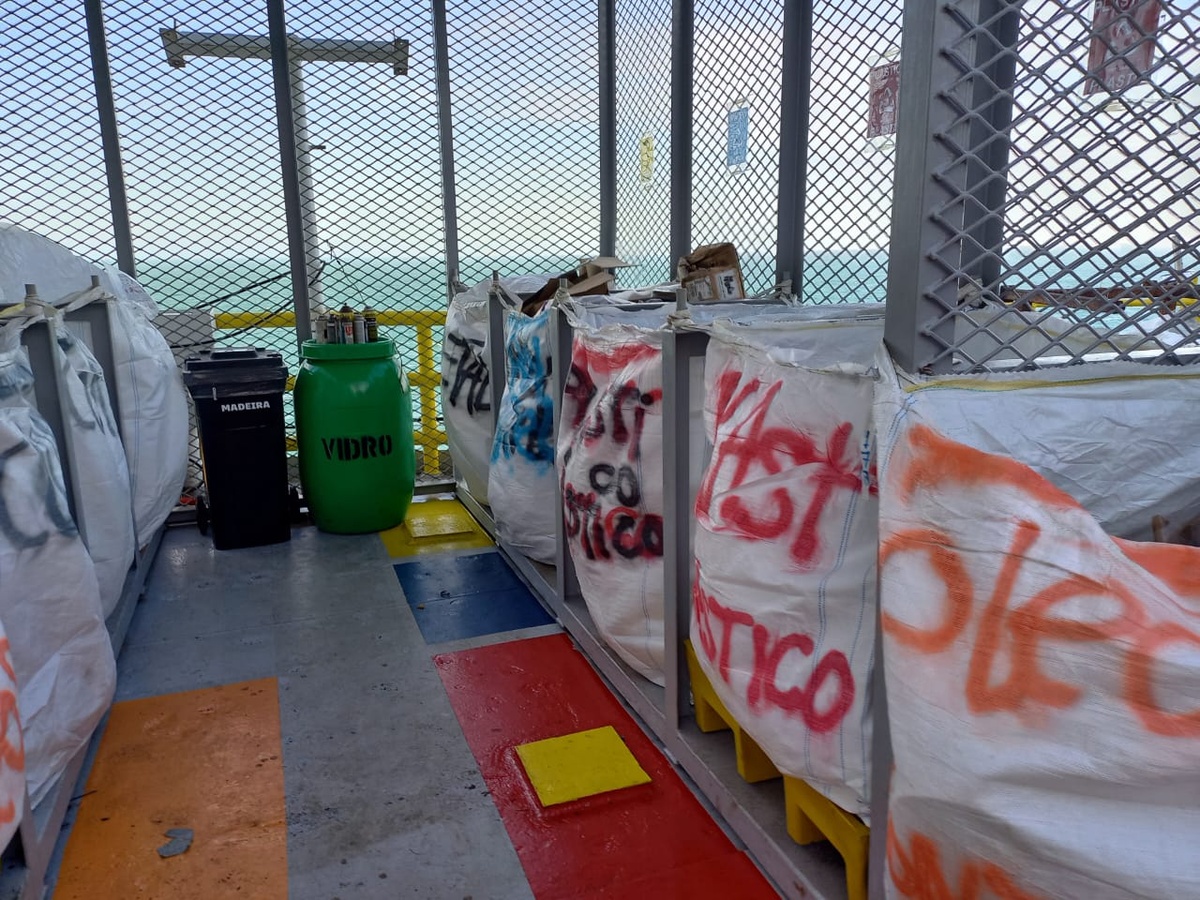
Foresea achieves 100% offshore waste reuse in 2025, eliminates landfill disposal, and consolidates sustainable strategy with 1,500 tons recycled.

This repositioning happens because isolated projects and solutions can no longer respond, by themselves, to contemporary challenges.
Thus, preparing a society to understand and take shared responsibility for its territories has become a critical factor for long-term economic sustainability.
From Symbolic Agenda to Structuring Policy
For decades, environmental education was limited to educational campaigns, commemorative dates, and isolated actions in schools.
It was seen as a complementary agenda, with low connection to economic indicators.
However, this paradigm has lost strength in the face of intensified climate and social crises.
Today, discussing environmental education means addressing competitiveness, risk mitigation, and business stability.
By creating a more solid cultural base, environmental education qualifies business and institutional decisions.
Furthermore, it strengthens the collective understanding of sanitation, water security, urban biodiversity, and rational use of natural resources—factors that sustain entire production chains.
Productive Sector Reduces Risks and Enhances Predictability
For companies, the impact is direct and measurable.
More conscious social environments reduce territorial conflicts, project delays, and reputational damage.
Organizations operating in regions where the population understands environmental impacts tend to face less social resistance.
Consequently, they can expedite permits, enhance community acceptance, and align their operations with the demands of investors and consumers.
In this scenario, sustainable development shifts from being just an institutional narrative to guiding decisions on investment, innovation, and territorial expansion.
Public Management Gains Efficiency and Reduces Future Costs
The benefits also extend to the public sector.
Integrated policies for environmental education strengthen public management, expanding urban governance and the effectiveness of structuring projects.
In practice, municipalities and states can reduce future spending on environmental remediation, public health, and emergency infrastructure.
This happens because more informed populations adopt preventive practices and participate in the solutions.
It is not just about preserving natural resources, but about structuring a new development model—more resilient, participatory, and socially legitimized.
New Economy Requires Change of Mindset
The rise of the new economy—based on innovation, technology, and ESG criteria—further reinforces this movement.
Tax incentives, green financing, and regulatory requirements already incorporate socio-environmental metrics.
Therefore, understanding the strategic value of water, sanitation, and ecological balance has become indispensable.
These elements sustain productivity, public health, and territorial competitiveness.
In this context, the environment solidifies as a central economic asset for attracting investments and generating long-term value.
Environmental Education as a High-Return Investment
Experts and managers converge on one point: investing in environmental education generates systemic returns.
The gains appear in institutional stability, corporate reputation, and attraction of talent capacity.
Moreover, cities that prioritize this agenda become better prepared to receive business and innovation.
Balanced urban environments reduce operational risks and enhance quality of life—an increasingly relevant factor for global companies.
Although it does not produce immediate headlines, this policy builds solid foundations for lasting economic prosperity.
Competitive Advantage Arises from Collective Awareness
The challenge presented to business and government leaders is to abandon the short-term logic. Major projects and isolated decisions no longer guarantee economic sustainability.
The true competitive differential lies in forming an informed, engaged society capable of making responsible choices.
It is this awareness that enables projects, legitimizes investments, and sustains production chains.
Those who understand this transformation in advance will not only fulfill a socio-environmental role.
They will be better positioned in a market where environmental variables influence credit, consumption, regulation, and brand value.
See more at: Minas Discovers Environmental Education as an Economic Asset










-

Uma pessoa reagiu a isso.