





 Portuguese
  English
  Spanish
 4 min of reading
  0 comments


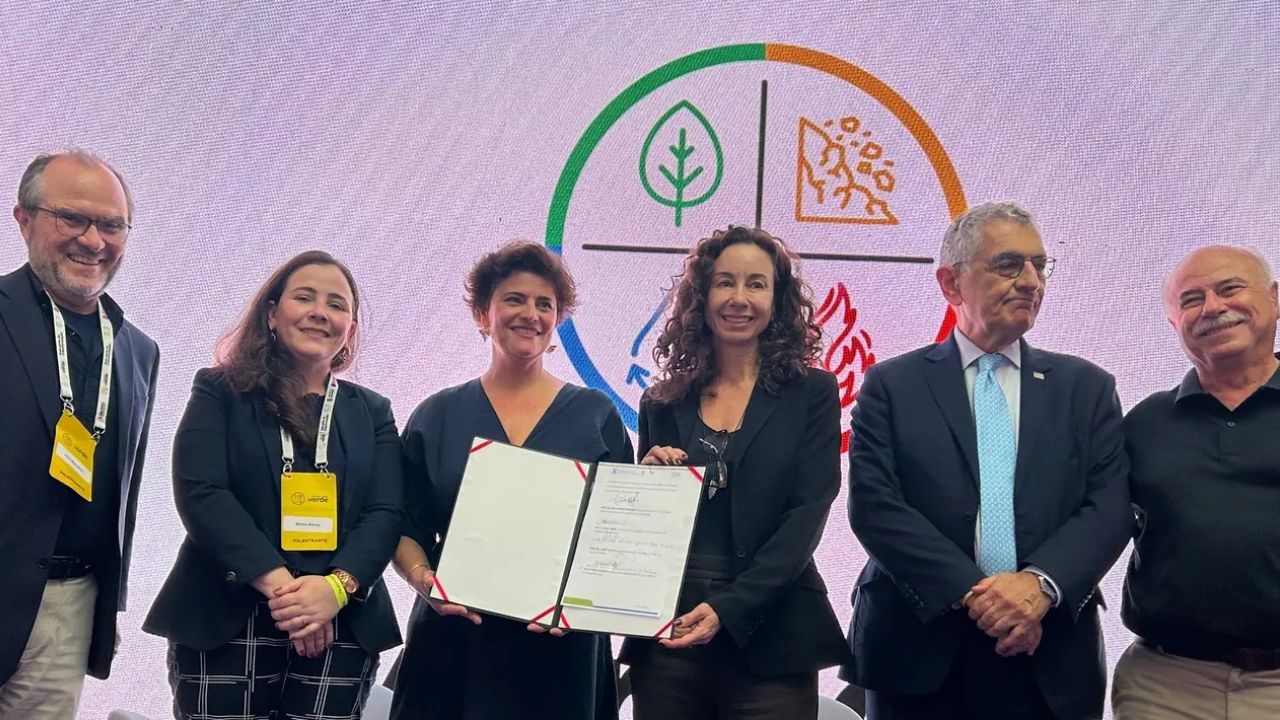
Equinor and USP Advance in Research of the CABRA Project, Which Applies Carbon Capture and Storage Technology in Ethanol Plants in Brazil, with Million-Dollar Investment and Focus on Sustainable Innovation
On November 5, 2025, during the Summit Agenda SP + Verde, the Norwegian multinational Equinor and the University of São Paulo (USP) announced the launch of the CABRA project (Carbon Storage in Brazilian Basalts).
With a investment of R$ 10 million, the initiative aims to capture and store carbon dioxide (CO₂) from first and second generation ethanol plants, directly contributing to the energy transition and the reduction of greenhouse gas emissions in Brazil.
Understand the CABRA Project from Equinor and USP
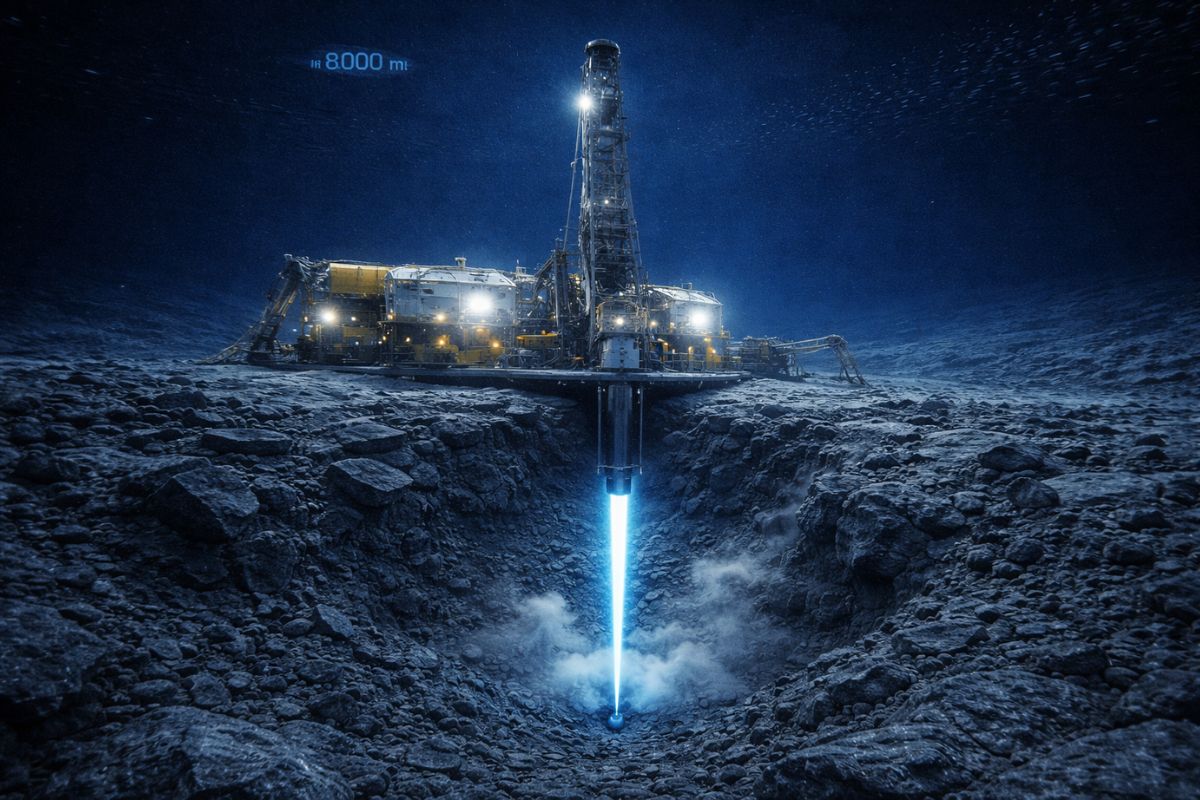
The proposal is pioneering in the country and seeks to transform the CO₂ emitted during the fermentation process of ethanol into solid minerals, through chemical reactions with basalt rocks from the Paraná Sedimentary Basin.
-
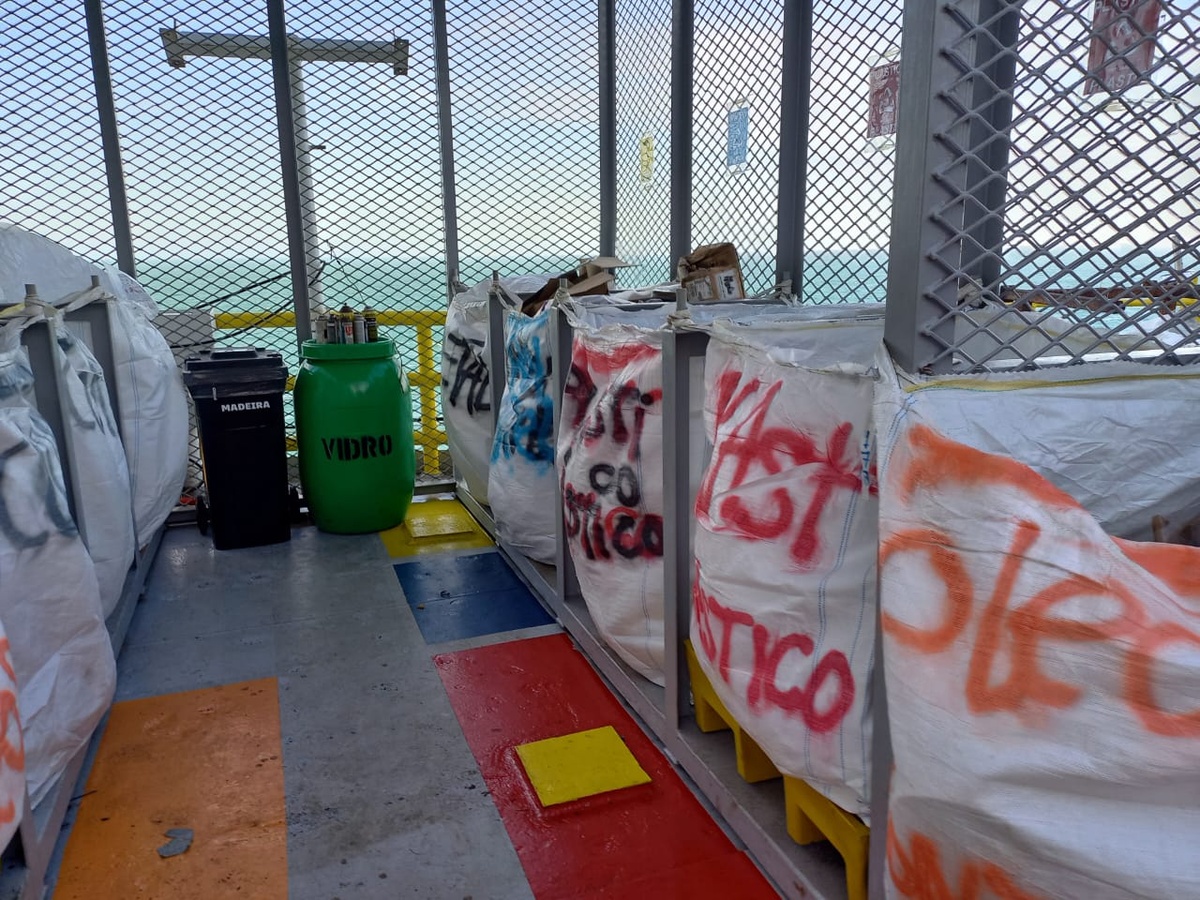
Foresea achieves 100% offshore waste reuse in 2025, eliminates landfill disposal, and consolidates sustainable strategy with 1,500 tons recycled.
-
Revolution in public transport: Goiânia puts into circulation the first articulated buses powered by biomethane in Brazil and promises to drastically reduce pollution on the Anhanguera Corridor.

-
From the field to the pipelines: Mato Grosso do Sul accelerates the energy transition and consolidates a new axis in renewable energy with the arrival of a giant biogas plant.
-
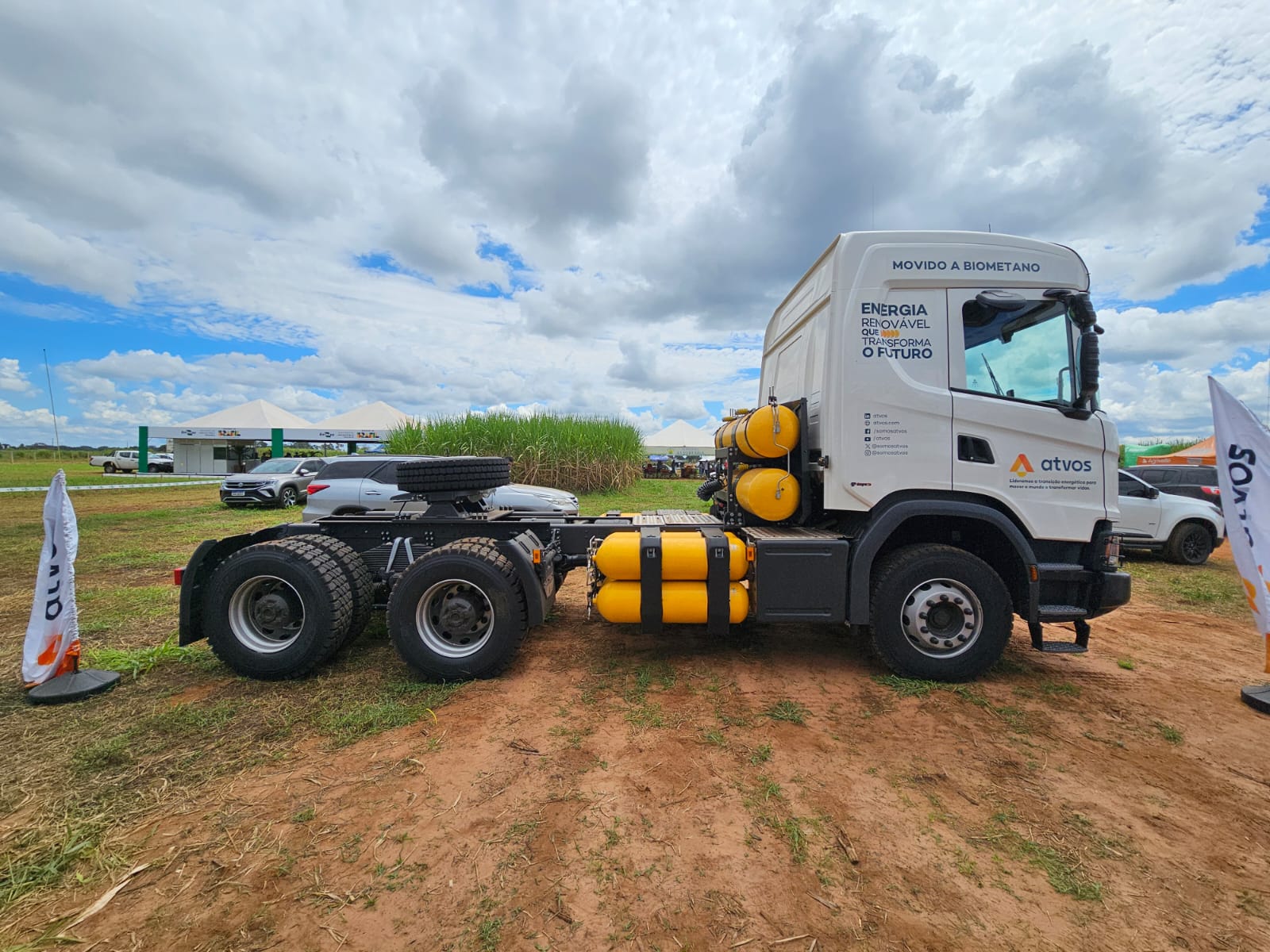
The Economist states that Brazil has a “secret weapon” against expensive oil and highlights how the country can reduce economic impacts even in international scenarios of high volatility.
This technology, already used in countries like Norway and Iceland, can position Brazil as a global reference in climate solutions based on carbon capture and storage.
The CABRA project will be developed over the basalt formations of the Paraná Sedimentary Basin, which extends from Mato Grosso to Rio Grande do Sul. These igneous rocks have high porosity and chemical reactivity, allowing the injected CO₂ to react with minerals present in the basalt, forming stable and secure carbonates.
This approach offers a promising alternative to conventional storage in saline reservoirs, with advantages such as greater geological safety and lower leakage risk. In addition, Brazil has a vast extent of basalt rocks, which increases the potential for replicating the technology in other regions.
Ethanol Plants as Focus of Carbon Capture
Brazil is a world leader in the production of sugarcane ethanol, with hundreds of ethanol plants in operation. Although considered low carbon, the fermentation process releases CO₂, which can be captured and stored using technologies like those proposed by the CABRA project.
Carbon capture in ethanol plants can significantly reduce the emissions associated with the production of the biofuel, making it even more sustainable and aligned with national and international climate goals.
This represents a strategic opportunity for the country to consolidate its leadership in bioenergy and contribute significantly to achieving the Paris Agreement.
Equinor and USP: Partnership Between Industry and Academia
Equinor is one of the largest carbon capture and storage operators in the world, with projects like Sleipner and Snøhvit in Norway, that have stored millions of tons of CO₂ since the 1990s.
In Brazil, the company has been active for more than two decades, focusing on renewable energies and low-carbon solutions. Equinor’s expertise brings credibility to the CABRA project, as well as accelerating technology transfer and training for Brazilian professionals.
USP, through RCGI, is a reference in studies on greenhouse gases and climate mitigation technologies. The center has already developed research on carbon capture in different types of Brazilian rocks and soils, including basalt, limestone, and shales.
Investment and Economic Benefits of the CABRA Project
The expectation is that the investment of R$ 10 million will be allocated to laboratory infrastructure, equipment acquisition, hiring researchers, and conducting field tests. This funding reinforces the commitment of the institutions involved to innovation and sustainability.
Additionally, the project is expected to create direct and indirect jobs, including positions for geologists, engineers, chemists, and technicians. Research scholarships for undergraduate and graduate students from USP are also planned.
The implementation of carbon capture and storage technology can stimulate the creation of new markets, such as carbon credits, environmental services, and sustainable certifications. This contributes to the diversification of the Brazilian economy and the attraction of international investments.
Julio Meneghini, scientific director of RCGI – Center for Research and Innovation in Greenhouse Gases of USP, highlights that the CABRA project represents the institution’s commitment to developing scientific solutions aimed at decarbonizing the Brazilian energy matrix.
According to him, the initiative combines the academic excellence of USP with the expertise of a global energy company, with great potential to generate knowledge and high-impact technologies for the country.
Brazil in the Global Scenario of Carbon Capture and Storage
Countries such as the United States, Canada, and Norway already have commercial carbon capture projects in operation. Brazil, although still in the initial phase, has competitive advantages such as an abundance of biomass, bioenergy infrastructure, and favorable geological formations.
The CABRA project puts the country on the map of emerging technologies, with the potential to become a reference in geological storage in basalt rocks.
Brazil has committed to reducing its emissions by 50% by 2030 and achieving climate neutrality by 2050. Projects like CABRA are essential to achieving these goals, especially in the bioenergy sector, which represents a significant portion of national emissions.
Iniciative from Equinor and USP Seeks Sustainable Energy Future
The launch of the CABRA project represents a milestone in the Brazilian trajectory toward decarbonization. The collaboration between Equinor and USP, focusing on ethanol plants and the basalt formations of the Paraná Basin, offers an innovative and effective solution for permanently capturing and storing carbon.
With a robust investment and international expertise, Brazil is taking a firm step towards a cleaner and more resilient energy matrix. The initiative reinforces the role of science, industry, and public policy in building a sustainable future, positioning the country as a protagonist in the global climate agenda.






Seja o primeiro a reagir!