





 Portuguese
  English
  Spanish
  5 min of reading
  0 comments


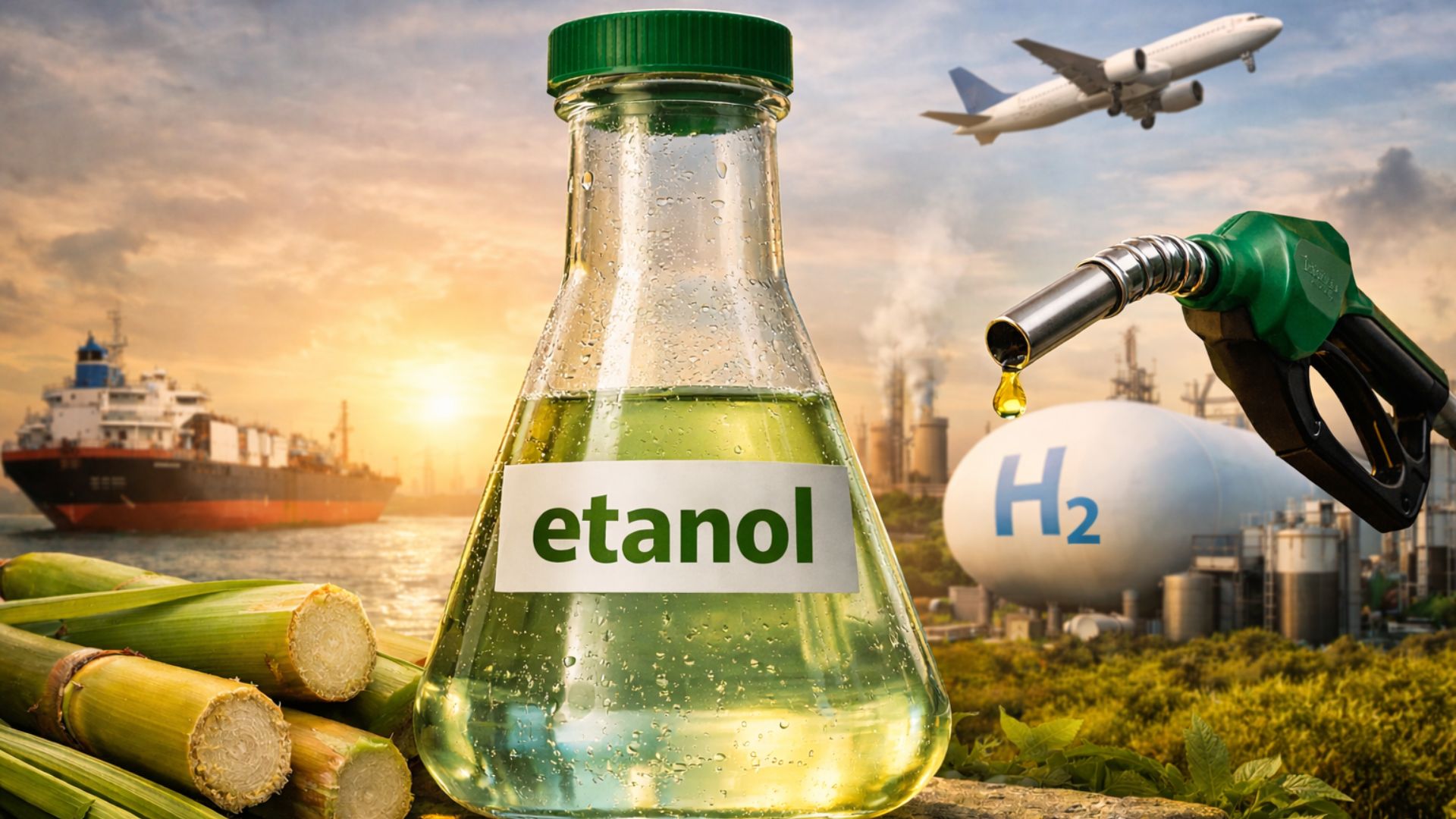
Ethanol Expands Its Role in the Energy Sector by Going Beyond Automotive Use, Strengthening Biofuels, and Gaining Ground in the Sustainable Transition with New Strategic Applications in Brazil
The ethanol undergoes a strategic repositioning in Brazil and in the international scenario. Amid the gradual electrification of the light vehicle fleet and the expectation of a slowdown in global oil consumption between the 2030s and 2040s, biofuel is no longer analyzed only from the perspective of automotive use. The most recent assessment, based on regulatory, economic, and technological trends, points out that ethanol expands its role in the energy matrix and strengthens as a relevant vector for the sustainable transition.
Ethanol and the Challenges of Automotive Use in an Electrification Scenario
The analysis, published by CNN Brazil, highlights that, although there are risks associated with the reduction of gasoline consumption, these impacts are mitigated by the increase of mandatory blends, diversification of energy applications, and the integration of ethanol into higher value-added chains. The future of biofuel is not one of retraction, but transformation.
The progressive electrification of the global fleet often raises doubts about the sustainability of the traditional liquid fuels market. In a scenario of reduced gasoline consumption, the demand for ethanol, both in hydrated form and as a mandatory blend, could face pressure.
-
CNPE strengthens policy and prevents imported biodiesel from being mixed with diesel, aiming to strengthen the Brazilian industry and protect jobs by reducing external dependence amid tensions in the global market.
-
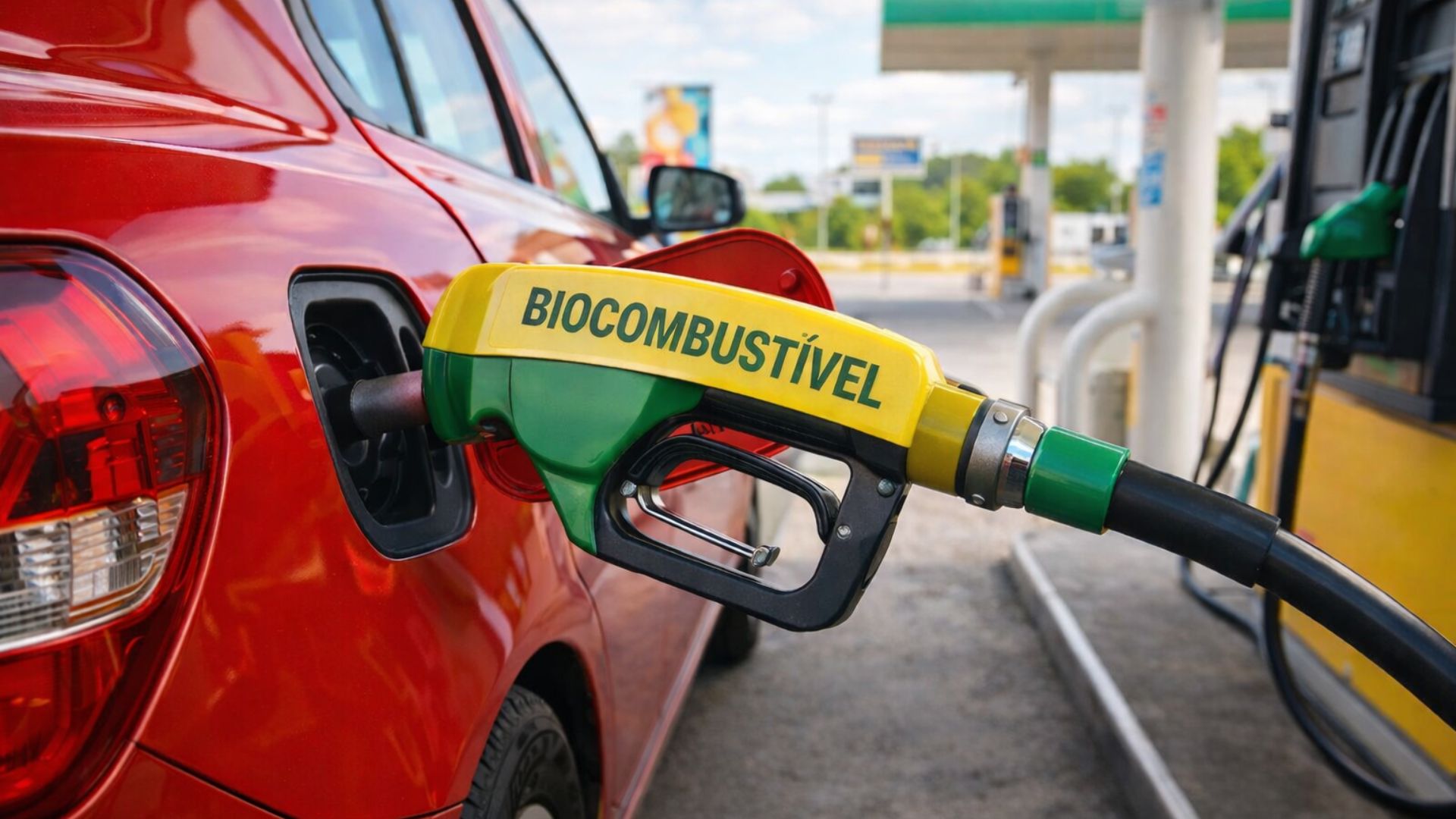
Revolution in public transport: Goiânia puts into circulation the first articulated buses powered by biomethane in Brazil and promises to drastically reduce pollution on the Anhanguera Corridor.

-
From the field to the pipelines: Mato Grosso do Sul accelerates the energy transition and consolidates a new axis in renewable energy with the arrival of a giant biogas plant.

-
The Economist states that Brazil has a “secret weapon” against expensive oil and highlights how the country can reduce economic impacts even in international scenarios of high volatility.


From an economic perspective, the sustainable transition imposes real challenges. Production chains that are excessively dependent on automotive use tend to face greater volatility, requiring efficiency gains, cost reductions, and revenue diversification. This risk exists and cannot be ignored.
However, the analysis needs to be put into perspective. Electrification occurs gradually, unevenly among countries, and is limited by factors such as income, infrastructure, and technological availability. In this context, ethanol remains relevant as a short- and medium-term solution for reducing emissions in light transport.
Mandatory Blends of Ethanol Sustain the Global Market
In practice, there is a regulatory strengthening movement of ethanol in different regions of the world. The expansion of mandatory blends with gasoline responds to clear objectives: decarbonization, energy security, and reduction of dependence on oil imports.
In the United States and Europe, markets considered mature, the transition from E10 to E15 is advancing gradually. In some U.S. states, E85 is already widely available for flex vehicles, increasing the consumption of biofuel even in a scenario of a more efficient fleet.
Emerging economies are also accelerating this process. India, for example, is implementing an aggressive program towards E20, creating relevant structural demand. These public policies act as a protective cushion for the sector.
In Brazil, raising the mandatory blend to 30% could represent a regulatory milestone. The measure creates additional demand that helps offset the effects of partial electrification of the automotive fleet, ensuring predictability for the sugar-energy sector.
Ethanol Beyond Automotive Use and New Energy Applications
The main vector of change lies outside the automotive segment. Ethanol is now seen as a versatile energy input capable of serving sectors where direct electrification is limited or economically unfeasible.
This diversification reduces risks and expands opportunities. By integrating into new markets, biofuel ceases to rely solely on gasoline consumption and takes on a more strategic role in the energy matrix.
Biofuels and Ethanol in Maritime Transport
Maritime transport is responsible for a significant share of global greenhouse gas emissions. The pressure for decarbonization of bunker fuel drives the search for alternatives to traditional fossil fuel.
In this context, ethanol may emerge as one of the routes under evaluation, alongside methanol, ammonia, and synthetic fuels. Its attractiveness is associated with lower carbon intensity, availability of raw materials, and the possibility of gradual adaptation of existing infrastructure.
Currently, these applications are still focused on pilot projects. Scale, price competitiveness, and clear carbon accounting rules will be determinants for the consolidation of ethanol in this market.
Biofuel as a Strategic Input for Low-Carbon Hydrogen
Another relevant development is the use of ethanol as a raw material for the production of low-carbon hydrogen. The technology allows for H₂ generation at the point of consumption, reducing logistical challenges related to the transport and storage of gas.
This model favors regional markets and may accelerate the adoption of hydrogen in countries with a consolidated sugar-energy base, such as Brazil. The integration of ethanol and hydrogen strengthens the role of biofuels in the sustainable transition. Hydrogen is considered strategic for energy-intensive industrial sectors, where direct electrification faces technical limitations.
Ethanol, Sustainable Aviation, and the Alcohol-to-Jet Route
Aviation is one of the most challenging sectors in the sustainable transition, due to the high energy density required and technological constraints. In this scenario, sustainable aviation fuels gain prominence.
Ethanol figures as a promising raw material through the Alcohol-to-Jet route, allowing the production of aviation kerosene chemically equivalent to fossil fuel. This feature facilitates adoption, as it does not require significant changes in engines or airport infrastructure.
The connection with the global aviation market represents a high-value opportunity, driven by regulatory mandates and climate commitments made by airlines and governments.
Biorefineries, Biofuels, and Energy Integration
The biorefinery logic further reinforces the relevance of ethanol. In addition to fuel, the sugarcane chain generates by-products with multiple energy applications.
Bagasse and straw are used in cogeneration of electricity, while vinasse and filter cake enable the production of biogas and biomethane. This set strengthens the integration between biofuels and the circular economy.
By diversifying revenues and reducing exposure to a single market, the sector becomes more resilient in the face of transformations in automotive use and fluctuations in the global energy market.
The Strategic Role of Ethanol in Brazil’s Sustainable Transition
The repositioning of ethanol demonstrates that the energy transition does not eliminate existing solutions but redefines them. The expansion of energy applications, combined with public policies and technological innovation, transforms the biofuel into a long-term strategic asset.
Brazil has unique competitive advantages, such as favorable climate, productive scale, and accumulated technological knowledge. In this context, ethanol consolidates as a key piece of the sustainable transition, combining decarbonization, energy security, and economic development.
More than resisting changes, ethanol adapts and expands. Its future is directly linked to diversification, innovation, and integration with new energy markets, reinforcing its central role in Brazil’s and the global energy matrix.








Seja o primeiro a reagir!