





 Portuguese
  English
  Spanish
  7 min of reading
  5 comments


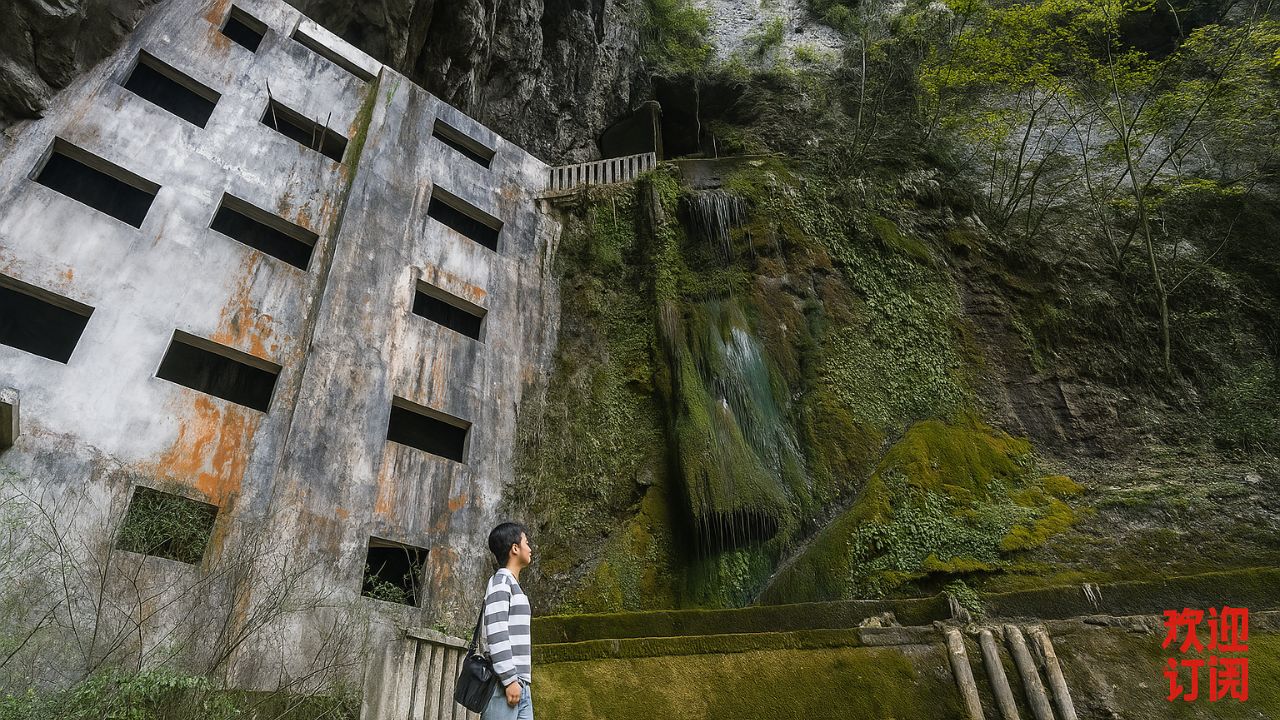


In A Remote Gorge Of Guizhou, Explorer Xiaoxue Revisits A Five-Story Building Embedded In The Cliff, Surrounded By Abandoned Nurseries, Damp Caves, And Signs Of Mysterious Breeding
The remote gorge of Guizhou seemed like just another isolated valley between steep mountains, covered by mist, moss, and silence. But it was here that explorer Xiaoxue, with the help of a drone, located a huge five-story concrete building, clinging to a cliff and completely hidden from view of those passing by on the ground. The construction, surrounded by waterfalls, caves, and a stream of crystal-clear water, has been abandoned for years and holds destroyed nurseries, aquaculture medicines, and clear signs that a breeding facility once operated here.
After an initial visit interrupted by fear and the humid, gloomy environment, Xiaoxue decided to return to the remote gorge of Guizhou to finally explore all the floors of the house.
With a more powerful flashlight, more time, and more courage, she moved from room to room, climbed the uneven stairs, followed the sound of water, and began to piece together the puzzle of one of the strangest and most isolated places in Guizhou Province.
-
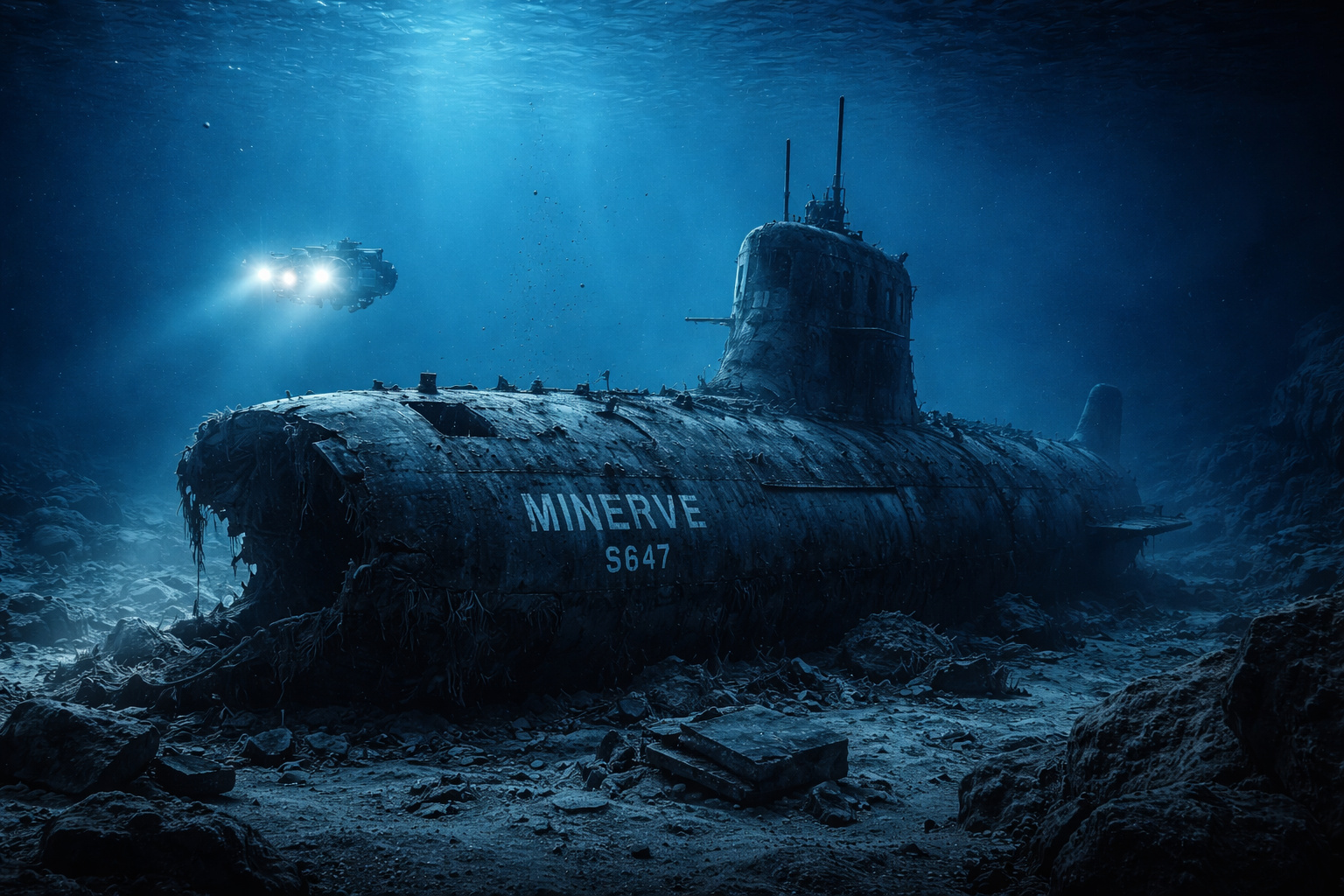
Few remember, but the submarine that disappeared in 1968 with 52 crew members was found after 51 years at the bottom of the sea at more than 2,000 meters, intriguing the entire world.
-
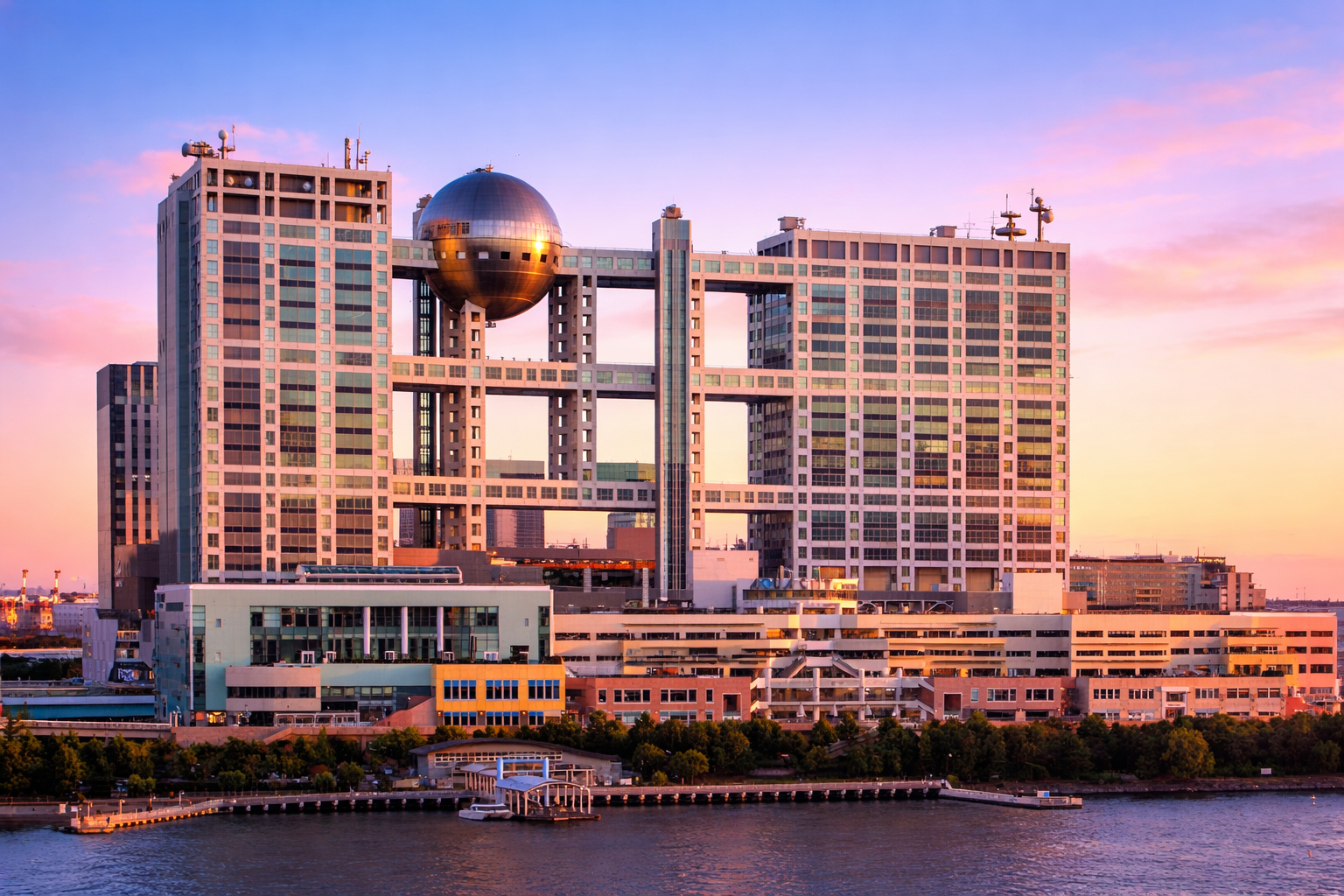
With 1,200 tons suspended, the Japan mega-structure in a grid shape with a floating sphere from Fuji TV features two 25-story towers connected by elevated walkways, titanium panels, and impresses the world with its ability to reduce wind impact.
-
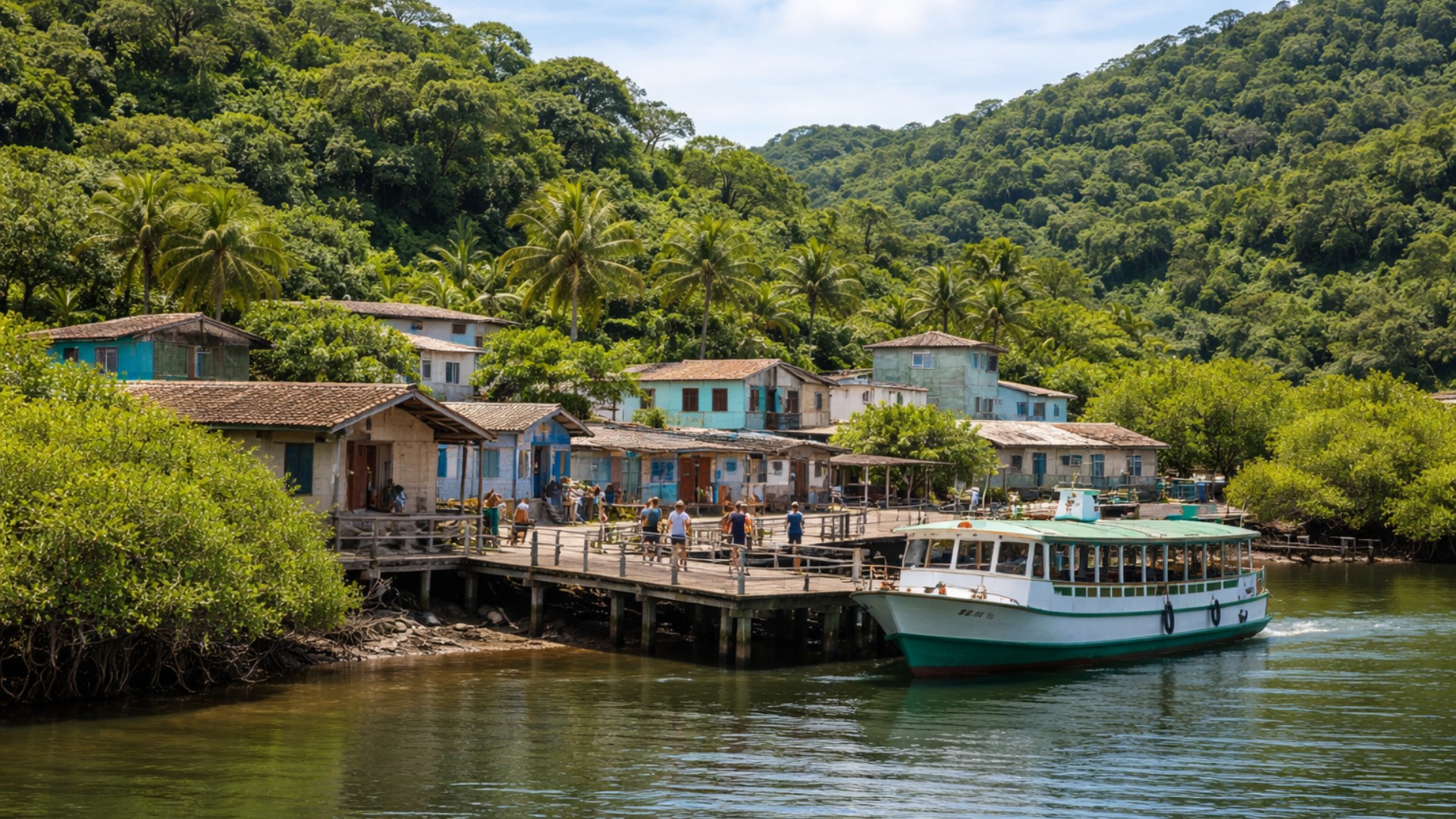
The village where two rivers run side by side without mixing in Santarém and Alter do Chão reveals some of the most beautiful freshwater beaches on the planet.

-
Brazil’s nuclear submarine with a speed 5 times greater than normal advances after nearly 50 years and R$ 40 billion spent.


A Five-Story House Nestled In The Cliff


The building is located in the deep mountains of Fenggang County, in Guizhou Province, in a remote gorge of Guizhou where sunlight rarely penetrates due to the rocky walls rising on both sides. Upon arrival, Xiaoxue has to climb up a nearly invisible small road, overgrown with tall grass and covered in moss.
Despite its wild appearance, the trail was clearly built of cement and designed for frequent access, indicating that many people once moved through here. Today, however, there are no signs of inhabitants for several kilometers around. The climate is cool, the slope is steep, and the constant sound of a stream accompanies her walk, coming from a water source that springs from a cave behind the house.
At the end of the climb, the structure appears: a five-story building of concrete and bricks, perfectly nestled in a crevice of the mountain.
Next to it, a natural waterfall cascades down the rock, nourishing the environment with running water. The exterior walls are stained by years of rain and wind, marked by moisture and constant dripping.
The First Floor: Medicines, Foam Boxes, And Extreme Humidity
Xiaoxue begins her exploration on the first floor, entering through a simple gate. Inside, she finds rooms filled with bottles, medicine vials, and foam boxes scattered across the floor, all covered in dust and clear signs of abandonment.
Many of these packages indicate the use of substances for aquaculture, reinforcing the idea that the location was built for large-scale breeding.
The air is cold and cutting, like winter wind, even inside the building. Water drips from the ceiling in several spots, and some areas show calcification on the walls, likely due to the high mineral content of the water that flows down the mountain.
The entire first floor was clearly built “embraced” by the rock, following the contour of the cliff and taking advantage of the narrow space of the crevice.
The Second Floor: Destroyed Nurseries And Salamander Traces
As she ascends to the second floor, the feeling of abandonment intensifies. The space is vast, but what stands out the most are rows of completely destroyed fish nurseries, with loose bricks, broken glass, and debris scattered across the floor. Above, a network of wires and pipes reveals that there was once a complex system for water and energy.
According to local reports, this floor was used for the breeding of giant salamanders, animals that are extremely sensitive to water quality and the environment.
By the aligned structures side by side, Xiaoxue estimates that the location housed at least one hundred small artificial ponds organized in five rows. Today, only broken bases remain, and a scene that mixes curiosity and unease.
The Third Floor: Large Pools And Living Water Circulating
On the third floor, the scene changes. Instead of small nurseries, there are large aligned pools, still intact, with flowing water splashing against the edges. Each tank has a water inlet, connected to visible pipes, and a drainage system that channels excess water along a ditch on the floor.
The impression is that, at this level, the breeding system depended on living water, constantly renewed. Natural light comes in stronger on this floor, making the environment less gloomy than the lower ones.
Next to the pools, electrical equipment and a power source can still be seen, reinforcing the idea of a well-structured and technically planned project.
The Fourth Floor: Numbering In The Tanks And Systematic Destruction
On the fourth floor, the situation becomes chaotic again. The pools are numbered, indicating a control system for batches or groups of animals, but many of them are broken, with destroyed edges and signs of impact. Natural lighting is weaker, the environment is dark and humid, and water continues to drip from the cliff, creating a heavy atmosphere.
Still, the presence of numbering in each tank shows that someone thought about maintenance and monitoring of what was bred there.
The space is larger than the lower floors, with a considerable area entirely dedicated to the pools. Amidst the wreckage, a fishing net thrown on the ground emerges as further proof that this was a major aquatic breeding center.
The Fifth Floor: Cave, Giant Reservoir, And Bat Colony
The stairs to the fifth floor are narrower and more uneven. As Xiaoxue climbs, the sound of water grows louder until it dominates the environment. On the last level, she finds a huge deep pool, several meters deep in each compartment, likely used as the main reservoir.
Behind this structure, there is a large cave, from which springs the water that feeds the entire system. A wall built around the water outlet seems to control the flow, especially during heavy rainfall. It is also from there that the waterfall seen from the outside of the house originates.
But the fifth floor holds another surprise: the floor is covered in dark debris, and the air has a strong and strange smell.
Looking closely, Xiaoxue realizes that the place has become a home for bats, and the ground is covered with the droppings of these animals. Among the remains of structures and more nurseries, it’s clear that the upper floor, once essential for water management, now belongs to wildlife.
Why Build All This In Such An Isolated Gorge?
After exploring all the floors, the most logical conclusion is that the house was built to make the most of the water source that springs from the cave and flows down the cliff, in the remote gorge of Guizhou.
Each level of the construction seems to have a specific function in the breeding of fish or salamanders, always based on flowing and constantly circulating water.
The isolated location also helps maintain water quality, away from pollution or human interference.
At the same time, the difficult access, the constant presence of humidity, and the cost of erecting a five-story building “within” the mountain indicate a high investment in a very specific project.
Reports suggest that the primary focus was the breeding of giant salamanders, which require an extremely controlled environment and clean water at all times.
Despite all this, the structure was abandoned for reasons that remain unclear. Today, only stained walls, broken nurseries, forgotten medicines, moss everywhere, and the constant sound of running water remain, as nature gradually reclaims the space.
A Perfect Scenario For Mystery, Tourism, Or Rebirth
Viewed from below, the building almost disappears into the crevice of the rock. Seen from above, the remote gorge of Guizhou opens up into a vast landscape, with mountains, a waterfall, and a strange building perfectly fitted into the cliff. It’s easy to imagine how much money and labor were required to erect this house in such an inaccessible location.
Xiaoxue concludes the exploration with a dual feeling: on one hand, the sadness of seeing a complex and well-thought-out structure lost to time; on the other hand, the perception that there is still potential here.
Transforming the building into rural lodging, a mountain inn, or a tourist spot linked to nature and the water caves could be a new chapter for the place, as long as it is done safely and with respect for the environment.
For now, the building remains a hidden secret amid the mountains, accessible only to stubborn explorers and curious enough to face the steep path, the cold wind, and the constant humidity.
And you, would you have the courage to visit an abandoned building embedded in a remote gorge of Guizhou, or do you prefer to admire such places only through the screen?





A matéria é boa, mas escrita 110% por IA, nem se importou em verificar todas as informações do vídeo, que aliás é bem impressionante mesmo.
Eu gostaria muito de conhecer, pesquisar mais a fundo saber quem construiu para quê? Um lugar tão remoto e como transportaram o material até esse lugar para construir tudo isso. Foi um trabalho árduo
Fiquei muito curiosa para saber a segunda parte. Encontrar algum registro e saber qdo foi construído, por quem, como funcionou, etc….