





 Portuguese
  English
  Spanish
  5 min of reading
  0 comments


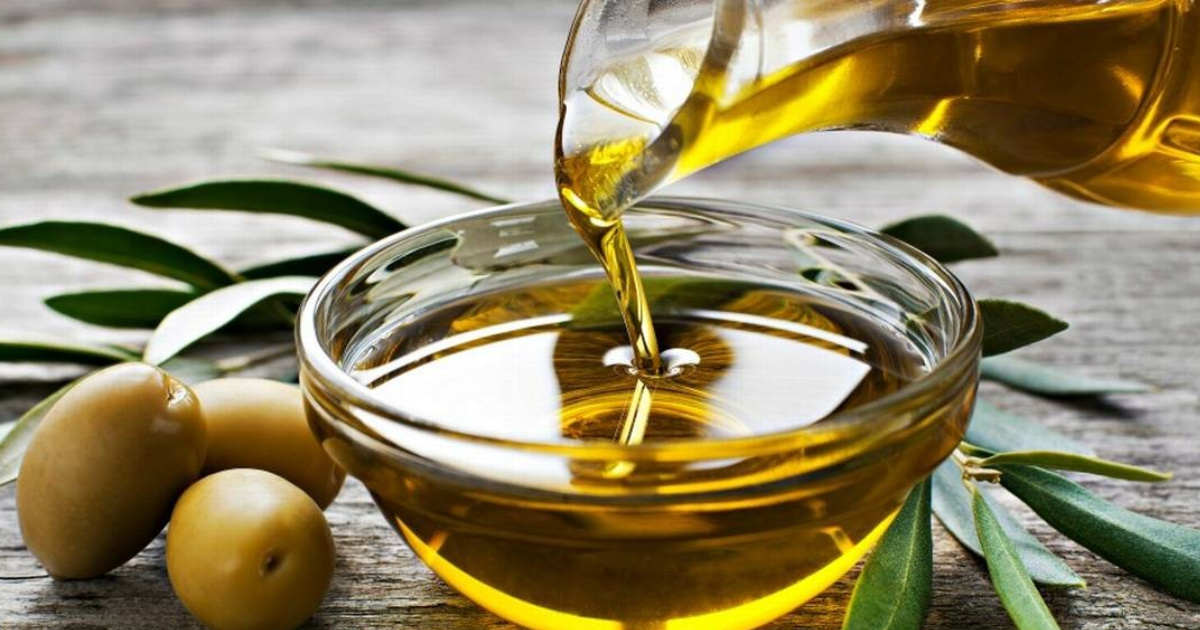
Researchers Highlight The Essential Role Of Extra Virgin Olive Oil In Modern Nutritional Strategies, Pointing Out Its Anti-Inflammatory And Antioxidant Properties As Powerful Tools In Combating Premature Aging, Poor Digestion And Imbalance Of Blood Cholesterol Levels.
The Effects Of Olive Oil On Health Are Confirmed By Science
Extra virgin olive oil is much more than a simple culinary ingredient: it is a true ally of health.
Rich in beneficial compounds, this ancient vegetable oil stands out for its role in preventing diseases, especially cardiovascular ones, as well as promoting nutritional balance.
Its regular consumption, as recommended by doctors and nutritionists, can bring significant benefits to the body — from heart protection to improved digestive system.
-
Friends have been building a small “town” for 30 years to grow old together, with compact houses, a common area, nature surrounding it, and a collective life project designed for friendship, coexistence, and simplicity.

-
This small town in Germany created its own currency 24 years ago, today it circulates millions per year, is accepted in over 300 stores, and the German government allowed all of this to happen under one condition.

-
Curitiba is shrinking and is expected to lose 97,000 residents by 2050, while inland cities in Paraná such as Sarandi, Araucária, and Toledo are experiencing accelerated growth that is changing the entire state’s map.

-
Tourists were poisoned on Everest in a million-dollar fraud scheme involving helicopters that diverted over $19 million and shocked international authorities.


These properties have been widely documented in scientific studies, many of which have been published in recent years by European and North American universities, focusing on the Mediterranean diet.
However, the quality of olive oil is directly linked to the type chosen and how it is used and stored.
Extra Virgin Olive Oil Is The Most Recommended For Daily Consumption
The extra virgin type, extracted by cold pressing, is the most valued by specialists.
This is because it preserves a large part of the natural antioxidants and bioactive compounds present in the olive, such as polyphenols, oleic acid, and vitamin E.
These components are the main responsible for the positive effects of olive oil on the body.
In addition, extra virgin does not undergo aggressive chemical processes, which helps maintain flavor, aroma, and, above all, nutritional quality.
The acidity of extra virgin olive oil should be less than 0.8%, which indicates lower oxidation and higher purity.
Therefore, when choosing an olive oil, it is essential to check the classification on the label and prefer opaque packaging, which protects the product from light.
Good Fats Are Essential For The Body
Contrary to what many still think, not all fats are villains of health.
Olive oil is predominantly composed of monounsaturated fats, particularly oleic acid, which represents between 55% and 83% of its composition.
This type of fat is known to help reduce LDL cholesterol (the “bad”) and increase HDL (the “good”), in addition to favoring cardiovascular health.
Among the main compounds present in olive oil, the following stand out:
Vitamin E: a powerful antioxidant that combats cellular aging and protects cell membranes.
Polyphenols: act in controlling oxidative stress, being essential in the prevention of chronic diseases.
Oleic Acid: regulates cholesterol levels, contributes to heart health and has anti-inflammatory properties.
Furthermore, olive oil contains small amounts of fat-soluble vitamins such as A, D, and K, which are important for vision, bones, and blood clotting.
Scientifically Proven Benefits Of Olive Oil
The positive effects of olive oil on health have been widely proven in long-term clinical studies.
Research such as PREDIMED, conducted in Spain with over 7,000 participants, showed that a diet rich in extra virgin olive oil can reduce the risk of heart attacks, strokes, and other cardiovascular diseases by up to 30%.
In addition to heart protection, olive oil contributes to several other areas of human well-being.
See below some of its main benefits:
Prevention Of Cardiovascular Diseases: frequent consumption helps maintain healthy arteries and reduces inflammation in the vascular system.
Anti-Inflammatory Action: ideal for people with chronic inflammatory diseases, such as rheumatoid arthritis and metabolic syndrome.
Improvement Of Digestion: olive oil stimulates bile production, facilitating digestion and intestinal transit.
Glycemic Control: research indicates that olive oil may help stabilize blood glucose levels, being useful for people with pre-diabetes or type 2 diabetes.
Satiety: as a healthy fat, it promotes the feeling of a full stomach, which can contribute to weight loss diets.
However, it is important to remember that, even with all these benefits, olive oil is a caloric food.
Each tablespoon contains about 120 calories, so its consumption should be moderate and balanced within the dietary plan.
How To Choose And Store Olive Oil Correctly
To maintain the benefits of olive oil, it is essential to know how to choose and store the product correctly.
Follow these recommendations:
Choose The Extra Virgin Type: it retains more antioxidants and active compounds.
Check The Acidity On The Label: the lower, the better the quality.
Prefer Opaque Packaging: light accelerates the oxidation of the oil and reduces its nutritional effectiveness.
Pay Attention To The Expiration Date: olive oil should be consumed within two years after extraction.
Store In A Cool And Dark Place: away from heat, light, and humidity, which harm beneficial compounds.
Avoid Heating Olive Oil At High Temperatures, especially above 180 °C, as this can degrade polyphenols and other important substances.
The use of olive oil should preferably be in cold preparations or as a finishing touch for dishes.
Olive Oil Is The Pillar Of The Mediterranean Diet And Longevity
Olive oil is the central food of the Mediterranean diet, considered one of the healthiest in the world.
This dietary pattern, typical of countries like Greece, Italy, and Spain, is associated with a lower incidence of heart disease, greater life expectancy, and healthy aging.
According To UNESCO, The Mediterranean Diet Is An Intangible Cultural Heritage Of Humanity, reinforcing its importance not only as a food tradition but as a sustainable model of public health.
The basis of the diet includes olive oil, fruits, vegetables, whole grains, fish, and nuts.
With advances in nutrition research, many of these habits are being incorporated into international recommendations — and olive oil remains an absolute highlight.
The Truth Behind The “Liquid Gold” Of Healthy Eating
Much more than refined flavor, olive oil represents an investment in health and quality of life.
Used in moderation, it can be included in salads, grilled vegetables, fish dishes, pasta, and even as a substitute for butter and margarine.
Its versatility, combined with its nutritional value, makes olive oil one of the most complete ingredients in modern cuisine.
By choosing and using olive oil correctly, the modern consumer can reap the benefits of a more balanced, long-lived, and healthy life.









-

-

3 pessoas reagiram a isso.