





 Portuguese
  English
  Spanish
  3 min of reading
  0 comments


The Conab Initiative Presents New Fronts to Strengthen Family Farming in Brazil, Expanding Mechanization, Productivity, and Inclusion in Different Regions of the Country
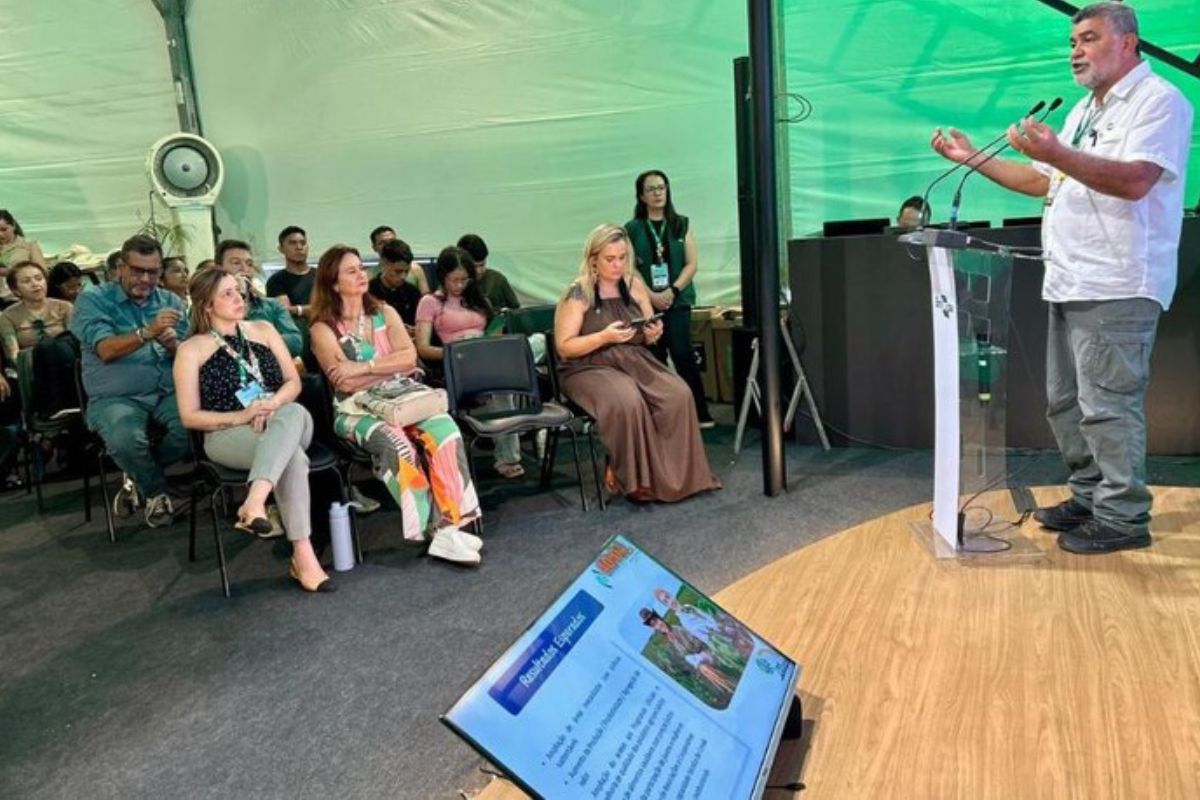
Family farming in Brazil gains new space in discussions about rural development with the presentation of the Conab Raiz project during COP 30, held in Belém, according to a report published.
The theme mobilized producers, specialists, and representatives of public entities interested in understanding how structured actions can alleviate historical challenges faced by thousands of farmers.
The proposed initiative showed that issues such as limited access to machinery, low productivity, and logistical difficulties remain, especially in more vulnerable regions.
-
The rise in oil prices in the Middle East is already affecting Brazilian sugar: mills in the Central-South are seeing their margins shrink just as ethanol gains strength.

-
Rain gains strength in April, potentially exceeding 150 mm, placing the North, Northeast, and the coasts of the South and Southeast at the center of the heaviest forecast of the week.

-
A fish that survives out of water, crawls on land until it finds another river, and whose female lays 80,000 eggs at once is infesting rivers and lakes in Brazil, and no one can stop this invasion.

-
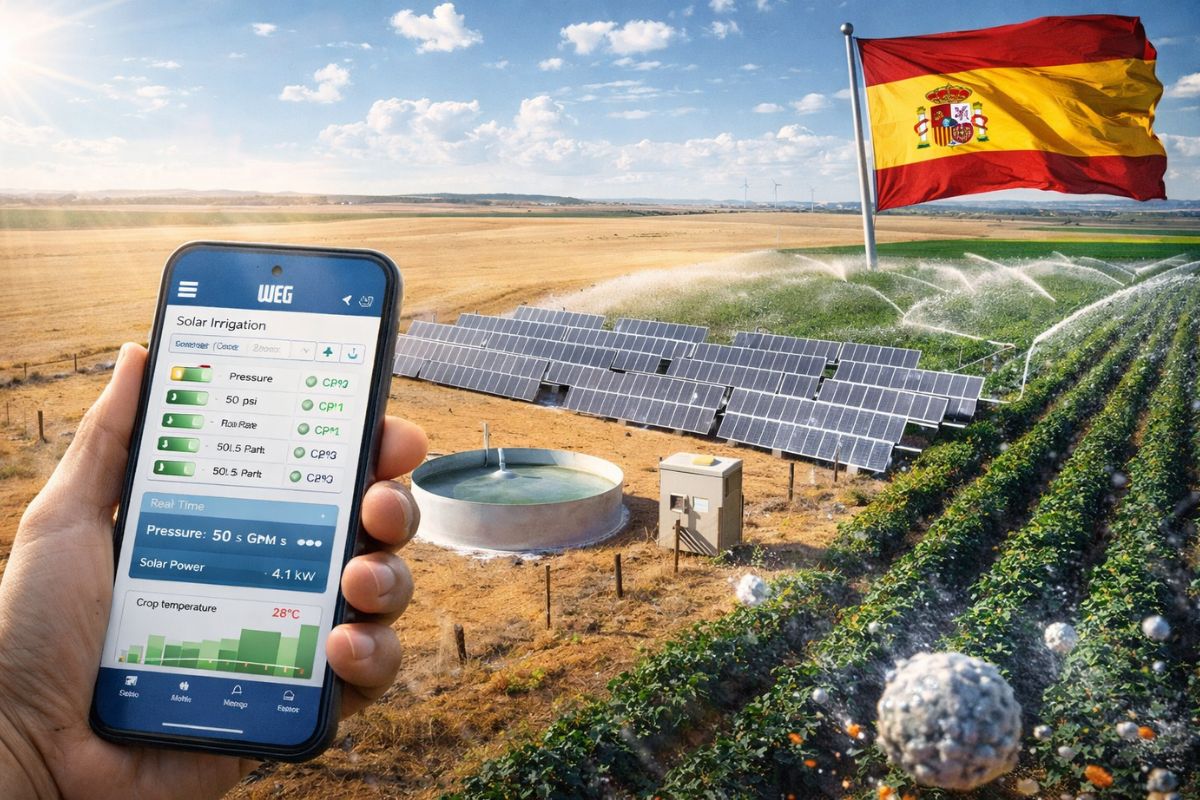
WEG took its technology to Spain to create a solar irrigation system that operates independently without needing an electrical grid, and now farmers control everything remotely via their mobile phones.
In this context, the initiative offers paths to expand rural modernization in 2025, with a direct focus on cooperatives and productive clusters.
Expectations around the measure are growing because the delivery of 220 mechanization kits represents a concrete opportunity for organized rural groups.
These equipment arrive at a time when many farmers report limitations in expanding cultivated areas, improving soil preparation, or reducing harvest time.
Data presented during the event reinforces that the use of machines can increase productivity by up to 30%, directly impacting the income and food security of numerous communities.
Conab also highlighted the importance of technical support, essential for ensuring the proper use of the machinery.
Sustainable Agricultural Mechanization as a Tool to Reduce Barriers in the Field
The first set of kits includes small tractors, seeders, rice harvesters, brush cutters, and trailers, all of Chinese origin and accompanied by specialized technical assistance.
This structure was selected to support cooperatives that already maintain partnerships with the state-owned company in various regions.
The project gains relevance because it allows producers to expand the area prepared for planting, strengthening sustainable practices aimed at soil and environmental preservation.
The progress of family farming in Brazil connects modernization and productive inclusion.
Family Farming in Brazil in Tune with Brazilian Rural Cooperatives
The presentation led by Conab’s Director of Development, Innovation, and People Management, Lenildo Morais, emphasized that many farmers in the Northeast still lack access to basic machines.
The structural gap affects small producers who rely exclusively on manual labor for soil preparation or harvesting.
This reality is detailed with support from a diagnosis prepared by the state-owned company, pointing out barriers and guiding solutions adapted to different territories.
The participation of Brazilian cooperatives has become essential to expand the distribution of equipment and organize the shared use of the new tools.
Agricultural Equipment Kits Increase Productivity of Small Properties
Family farming in Brazil returns to the center of discussions by relating mechanization and income. The expected results include increased production, more mechanized areas, improvement in agricultural quality, and reduction of food insecurity.
Technical support accompanies the entire process, ensuring that each piece of equipment is used efficiently and safely, especially by groups that have never had direct contact with agricultural machinery.
Family farming in Brazil also integrates actions aimed at the inclusion of women, extractivists, and quilombola communities.
The approach adopted by Conab expands the number of beneficiaries and reinforces the connection between sustainable practices, value addition to products, and access to official programs.
The initiative, aligned with global discussions at COP 30, shows that modernization and social justice can walk together in strengthening the Brazilian countryside.






Seja o primeiro a reagir!