





 Portuguese
  English
  Spanish
  5 min of reading
  0 comments


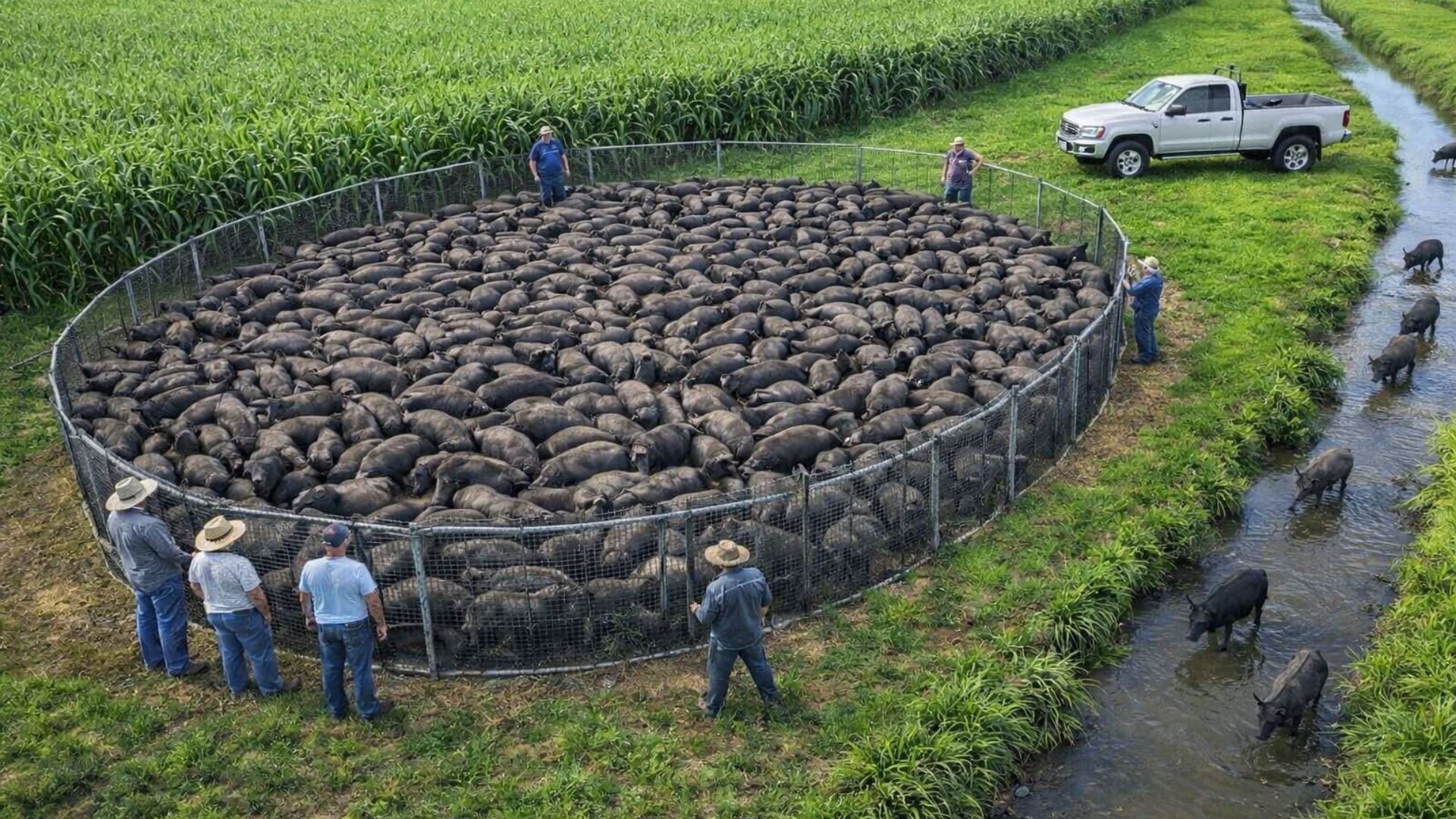
Silent Method Adopted In Texas Combines Monitoring, Scaled Traps, and Sanitary Protocols To Contain Wild Hogs, Reduce Agricultural Losses, and Maintain Continuous Control Of One Of The Most Problematic Invasive Species In The Country.
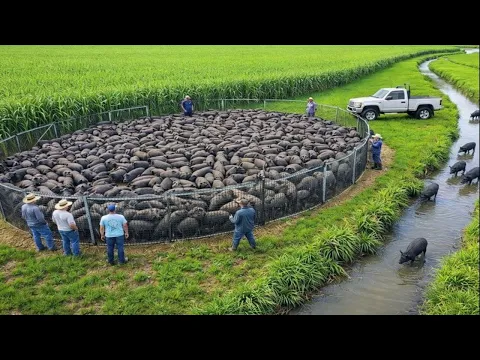
Farmers in Texas have expanded the use of scaled traps to contain the advance of wild hogs, known in the country as feral hogs.
The strategy combines camera monitoring, continuous bait supply, and reinforced metal structures designed to capture entire groups at once.
Technicians and institutions linked to environmental management point out that this type of approach has been adopted because point actions, such as the removal of a few individuals, often present limited effects in the face of the species’ capacity for adaptation and reproduction.
-
The water that almost everyone throws away after cooking potatoes carries nutrients released during the preparation and can be reused to help in the development of plants when used correctly at the base of gardens and pots, at no additional cost and without changing the routine.

-
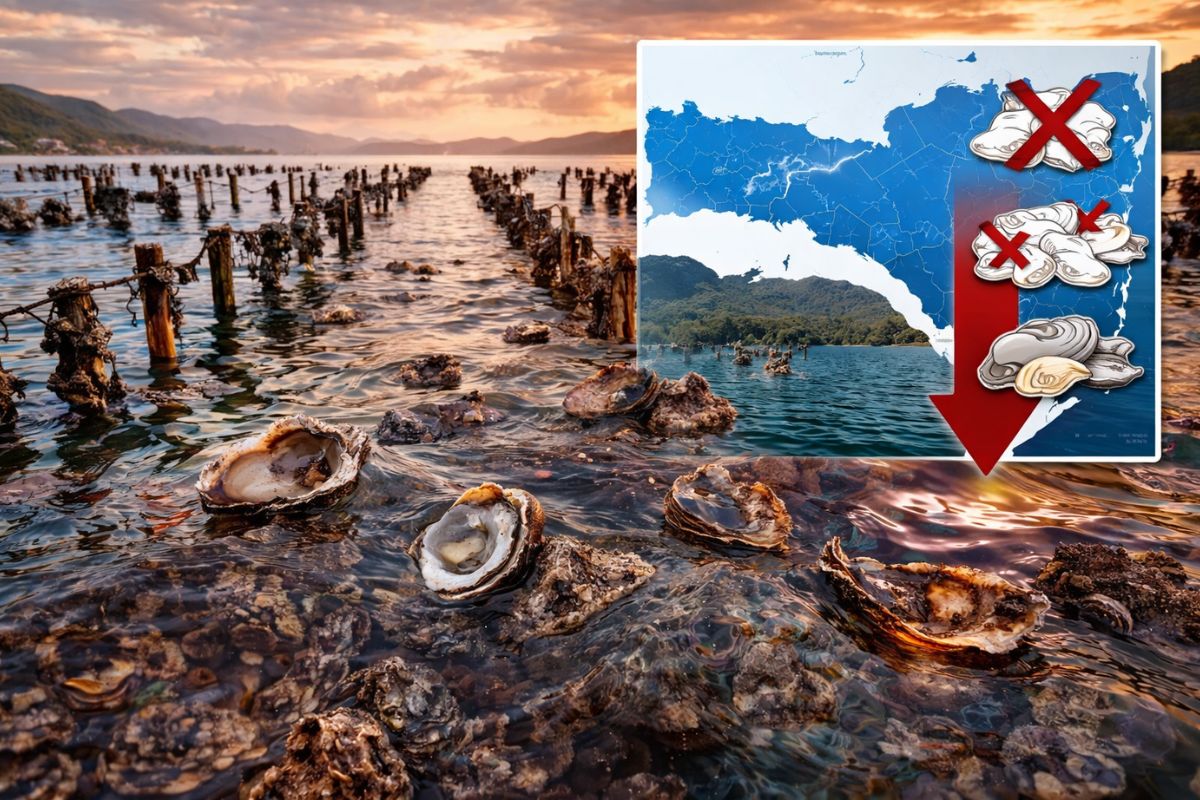
The sea water temperature rose from 28 to 34 degrees in Santa Catarina and killed up to 90% of the oysters: producers who planted over 1 million seeds lost practically everything and say that if it happens again, production is doomed to end.
-
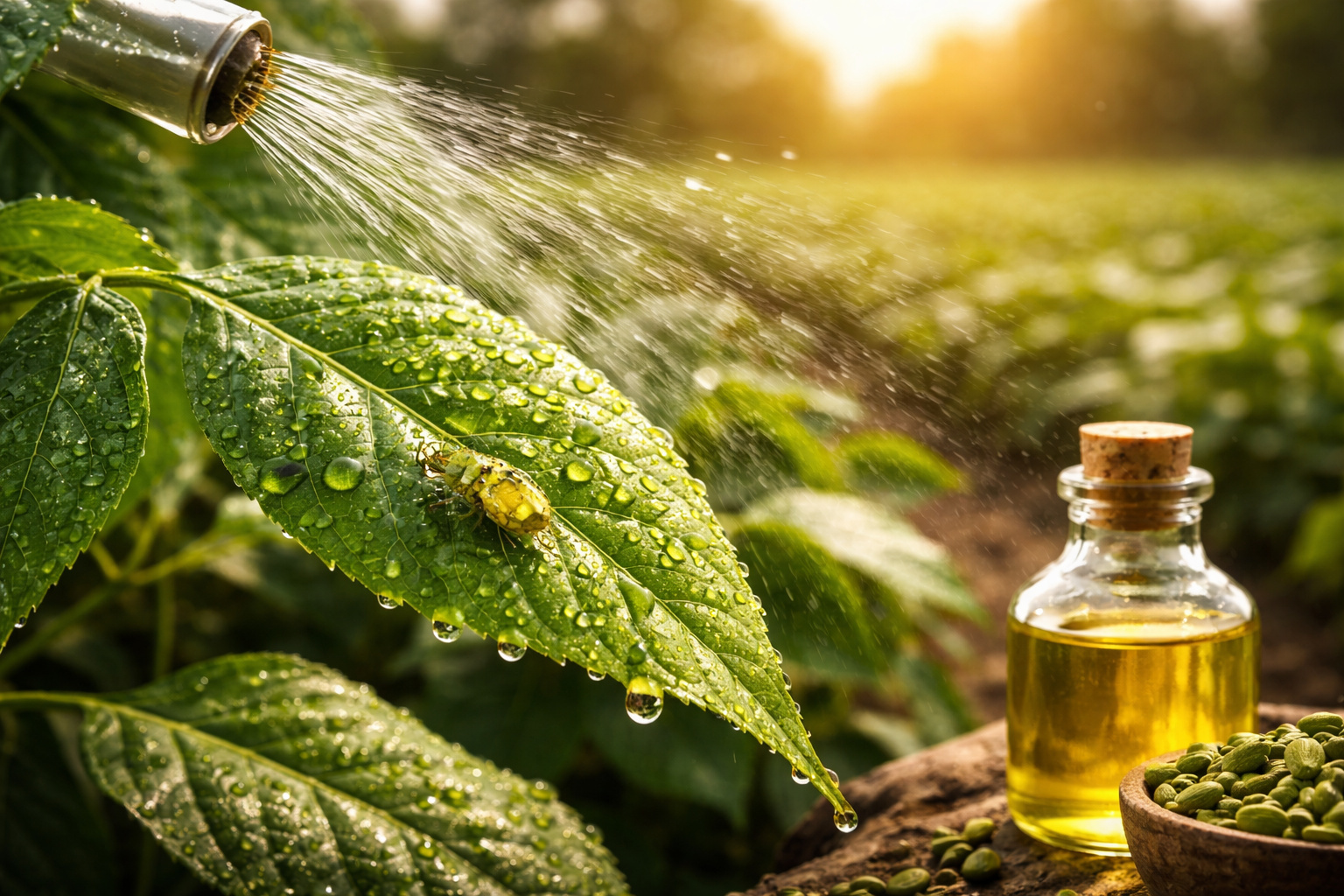
An Indian tree that grows in the Brazilian Northeast produces an oil capable of acting against more than 200 species of pests and interrupting the insect cycle, gaining ground as a natural alternative in soybean, cotton, and vegetable crops.
-
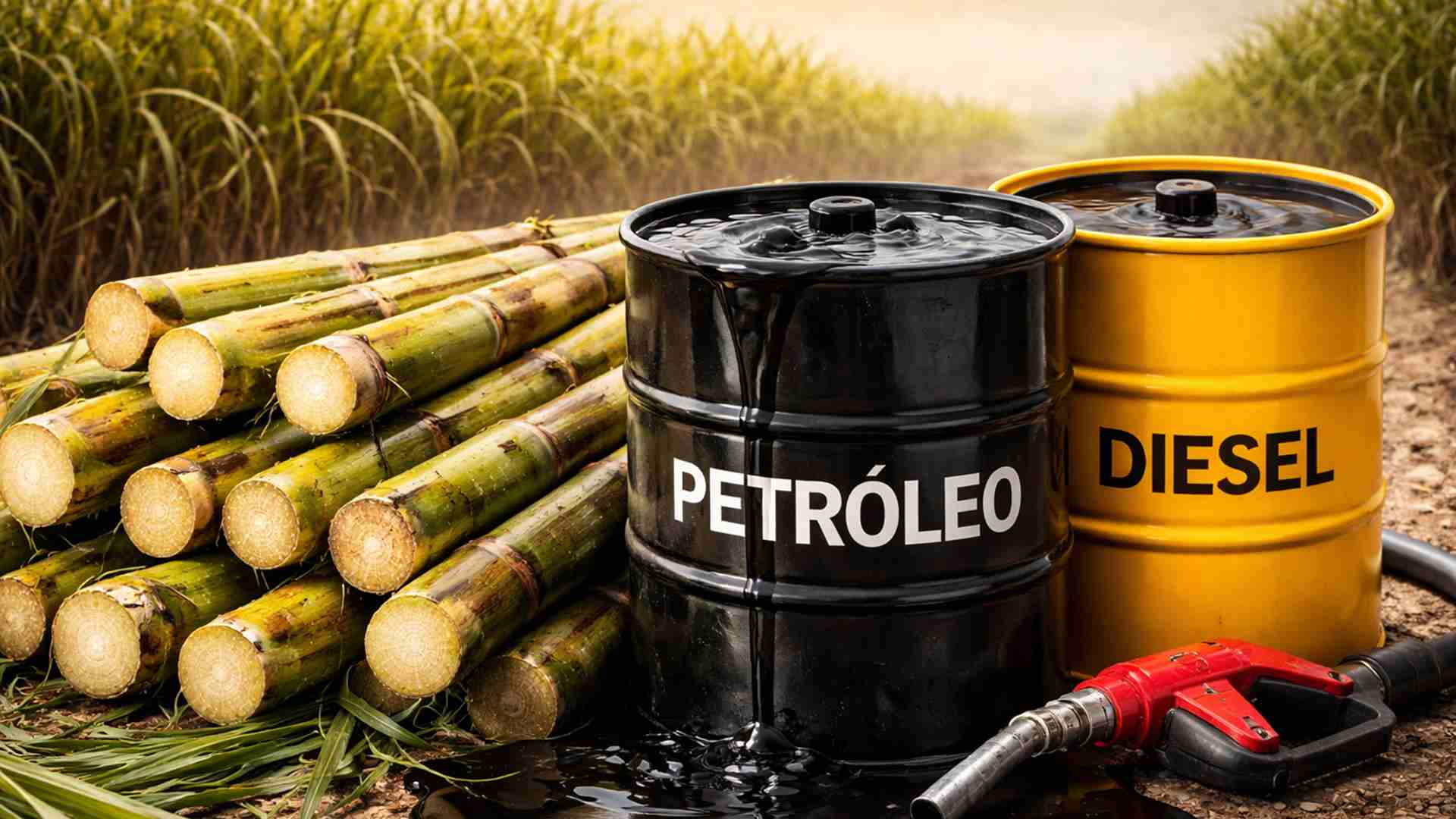
The rise in oil prices in the Middle East is already affecting Brazilian sugar: mills in the Central-South are seeing their margins shrink just as ethanol gains strength.

The size of the challenge helps to explain this change.
Technical materials from Texas A&M AgriLife indicate that Texas has been described as home to around 2 million feral hogs, distributed across nearly all counties in the state.
At the federal level, the United States Department of Agriculture estimates that the losses and costs associated with controlling these animals amount to US$ 2.5 billion per year in the country.
These numbers consider direct impacts on agricultural production and expenses related to mitigation efforts.
Data of this type is often cited by public agencies to justify ongoing control policies.
Nighttime Activity And Damage To Crops
Most of the wild hog activity occurs at night.
At dawn, farmers report finding planting areas with disturbed soil, uprooted crops, and damaged structures.

In addition to the immediate loss of production, this type of impact affects the management of the area.
Replanting is compromised, as well as irrigation systems and fencing.
Wildlife management specialists explain that the persistence of the problem is directly related to the animal’s reproductive cycle.
Technical studies cited by universities and state agencies indicate that to maintain the population at stable levels, a significant portion of individuals must be removed each year.
In some scenarios, this rate exceeds 60% of the estimated population.
When this level is not reached, replenishment tends to be rapid.
New groups begin to occupy the same areas within a relatively short timeframe.
Planning Replaces Improvised Actions
For years, part of the response relied on reactive measures, taken only after damage was found.
Over time, farmers began adopting a more systematic planning approach.
The process begins with detailed observation of group behavior.
Night cameras are used to identify times, routes, and frequency of passage.
Tracks in the mud and access points in fences help map out common displacements.

From this survey, corral-type traps made of metal panels and reinforced stakes are installed.
Technical guides on the subject highlight that feral hogs constantly test the structural integrity when captured.
For this reason, prior planning and the use of appropriate materials are considered essential to reduce failures and risks during operation.
Conditioning Increases Capture Efficiency
One of the longest stages of the process is the so-called conditioning. During this period, the trap gate remains open.
The food supply is maintained regularly and predictably.
The goal, according to management manuals, is to allow the group to become accustomed to the space and enter without hesitation.
Farmers who adopt this method report that haste often reduces efficiency.
If only part of the group is captured and other individuals escape, the chances of changing routes and times increase.
This behavior complicates new attempts.

For this reason, the capture of the maximum number of animals in a single action is treated as an operational priority.
Removal On A Scale As A Recurring Strategy
Recent research on invasive species control indicates that removing entire groups tends to yield more lasting results than fragmented actions.
Studies published in specialized wildlife management journals describe corral traps as one of the most effective tools when the goal is to reduce pressure on specific agricultural areas.
In practice, the removal of a group responsible for recurring damage can provide a relief interval for the property.
However, technicians emphasize that this reduction is temporary.
Continuous monitoring remains necessary, as new herds may migrate to the area over time.
Sanitary Risk And Destination Of The Animals
After capture, management enters a phase considered critical by health authorities.
The Animal and Plant Health Inspection Agency, linked to the United States Department of Agriculture, warns that feral hogs may be associated with dozens of diseases and parasites.
These agents have the potential for transmission to livestock, other animals, and humans.
For this reason, contact and processing require specific precautions.

The possibility of utilizing the meat is surrounded by rules.
State health agencies inform that the sale of any type of meat depends on compliance with sanitary and inspection standards.
These requirements include approved facilities, strict hygiene control, and temperature monitoring.
When these conditions are not met, the animal’s destination is often restricted to population control. In this scenario, there is no entry into the commercial chain.
Continuous Control And Need For Repetition
Even when capture occurs as planned, the work does not end.
Movement routes change, groups fragment. Other areas may begin to face pressure.
For this reason, technicians and producers describe control as a continuous process, based on constant observation and successive adjustments.
Rural extension programs and federal documents treat wild hog management as a permanent activity.
The process relies on investment, coordination, and frequent updates of the techniques employed.
The efficiency observed in certain areas is often related to the regularity of actions, rather than to an isolated solution.
If control requires repetition, planning, and compliance with sanitary standards, to what extent can producers maintain this effort continuously without the wild hog re-establishing itself as a recurring problem in agricultural areas?





-

-

-

-

-

-

31 pessoas reagiram a isso.