Portuguese
  Spanish


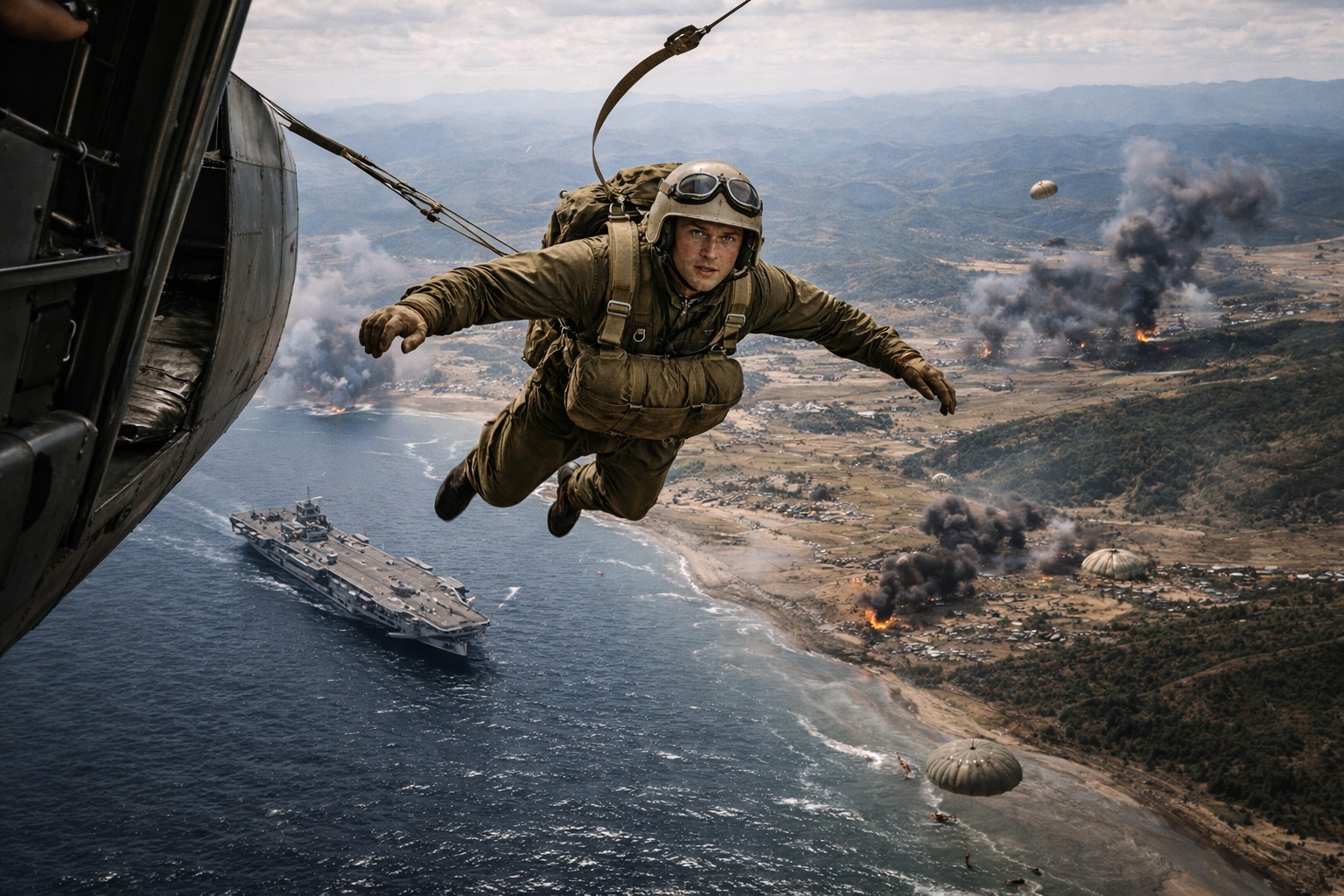

The story of Neil Armstrong in the Korean War showed how a serious accident turned into a turning point in the life of the future astronaut
The story of Neil Armstrong in the Korean War reveals a little-known but decisive moment in the life of the first man to walk on the Moon. While still young, he faced a serious combat aircraft accident that nearly ended fatally.
The episode shows how Armstrong had to act quickly to survive after losing part of the plane mid-flight. The impact was so great that he had to make a risky decision to save his own life.
Combat mission ends in unexpected accident with Neil Armstrong
On September 3, 1951, Armstrong was participating in his seventh combat mission aboard a United States aircraft carrier. The objective was to hit strategic targets in Korea, including an important bridge.
-
How to Prevent Brown Recluse Spider Bites: Common Hiding Spots and Free Tips to Reduce Risks

-
Natto: The Unusual Japanese Superfood Gaining Popularity on Social Media and Driving Record Exports
-
Brazilian Mayor Goes Undercover as Homeless for 24 Hours to Assess Public Services

-
15-Year-Old Entrepreneur Malu Lira Publishes 20 Children’s Books on Financial Education, Earns $500,000, and Expands Her Project to the Amazon Rainforest




After completing the mission, during the return, a steel cable caught between mountains struck the plane. The impact tore off part of the wing and left the aircraft in a critical situation.
The episode put the young pilot in immediate danger, as the plane lost some control. The situation required a quick decision to avoid a crash.
Accelerated training led Armstrong to combat with little experience
Before becoming known worldwide, Armstrong was an engineering student. He was part of a United States Navy program that funded his studies in exchange for military service.
Due to a lack of pilots, he was called up earlier than expected for flight training. Shortly thereafter, he was already participating in real combat missions.
This means that at the time of the accident, Armstrong had just over a year of experience as a military pilot.
Damage to the plane left the situation out of control
The impact of the cable caused severe damage. In addition to the loss of part of the wing, other important systems of the plane were compromised.
Even so, Armstrong managed to maintain control for a few moments and gained altitude to avoid an immediate crash.
The information was reported by historynet.com, a site specialized in military history and biographies, based on the book “Neil Armstrong A Life of Flight” by author Jay Barbree.

The final decision was clear. He would have to abandon the plane, something he had never done before.
The moment of ejection put the body under extreme force
Without experience with ejection, Armstrong had to quickly read the instructions inside the cockpit before acting.
When he activated the exit mechanism, he was launched out of the plane with an extremely intense force. The body was subjected to a pressure equivalent to 22 times normal weight.
After a few seconds, he managed to stabilize himself and opened the parachute, beginning his descent without knowing where he would land.
Landing in a rice field avoided a greater tragedy
During the descent, there was a risk of landing in enemy territory or in the sea, where there were explosive mines.
Armstrong was lucky. He landed in a rice field near an American base. Shortly after touching the ground, he was found by a military jeep.
historynet.com, a site specialized in military history and biographies, detailed that the pilot was rescued by a training colleague, which made the moment even more remarkable.
Explosions from mines were heard in the area shortly after, showing that the outcome could have been fatal.
Survival marked his trajectory before arriving on the Moon
After the accident, Armstrong continued his career and completed 78 combat missions during the war.
Years later, on July 20, 1969, he made history by becoming the first man to walk on the Moon.
The episode in Korea shows that his trajectory was marked by extreme challenges long before worldwide fame.
Neil Armstrong’s survival reinforces courage and preparation in extreme situations
The story of Neil Armstrong in the Korean War shows how quick decisions can save lives in critical situations. The accident could have ended in tragedy but instead became a landmark of overcoming.
The episode reinforces the importance of preparation, emotional control, and courage in the face of danger. Even with little experience, Armstrong managed to act and survive.
And you, did you already know this impressive moment in Neil Armstrong’s life? Leave your opinion in the comments and share this story with others.