





 Portuguese
  English
  Spanish
  3 min of reading
  0 comments


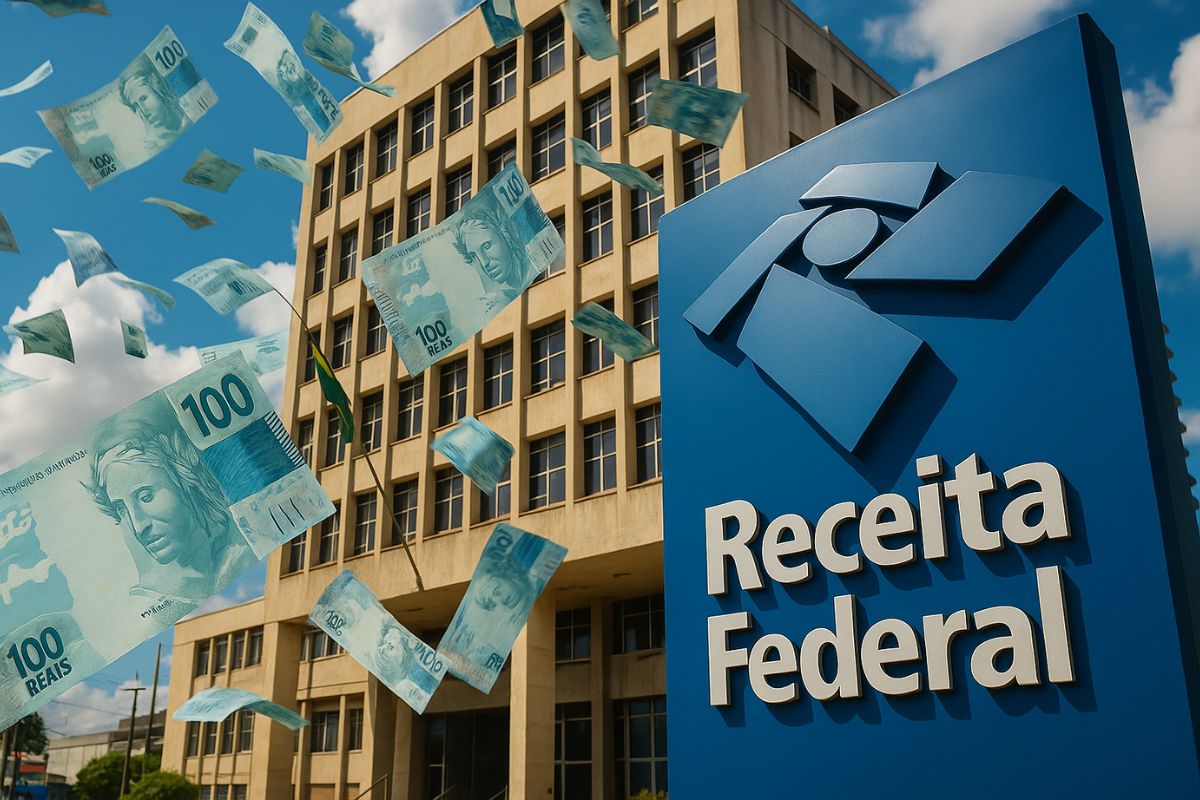
The Federal Revenue Office Allows Companies Classified at Grade “C” to Monitor Their Compliance Level in the Sintonia Program, Increasing the Total Number of Companies with Access to Evaluation to More Than 2.3 Million Across the Country.
The Federal Revenue Office announced the expansion of the Sintonia Revenue Program, which measures the level of tax and customs compliance of Brazilian companies. From now on, 666,000 companies classified with a “C” rating will also be able to check their position in the system, which was previously restricted to “A+”, “A”, and “B” levels.
With this expansion, the program now includes 2,334,430 companies with accessible classification. The aim is to increase tax transparency and encourage voluntary compliance with tax obligations, rewarding companies that maintain good fiscal conduct and providing self-regulation tools to others.
How the Sintonia Revenue Program Works
The Sintonia Revenue Program is an initiative by the Federal Revenue Office that seeks to stimulate good tax behavior among companies through data analysis and cross-referencing of tax information. The classification takes into account the companies’ history of compliance with obligations, declarations, payments, and any inconsistencies detected by the Revenue Office’s systems.
-
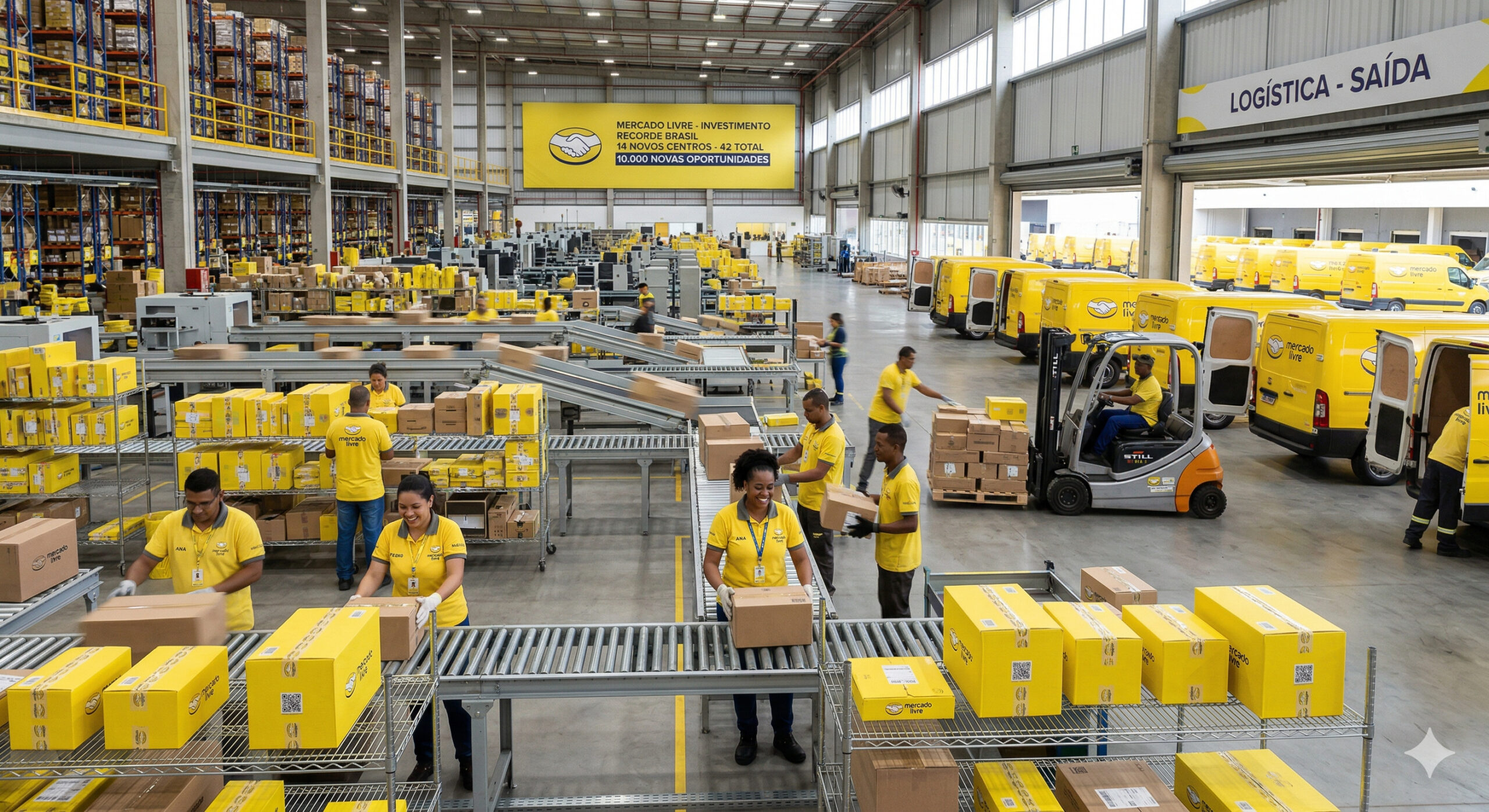
Mercado Livre “opens the vault” and announces a record investment of R$ 57 billion in Brazil in 2026, a value 50% higher than the previous year, with an expansion plan that includes 14 new logistics centers, totaling 42 units in the country and hiring an additional 10,000 employees.
-
How investment in technology can revolutionize the national economy and enhance industrial gains, according to a study that highlights the direct impact on productivity, innovation, and wealth retention within Brazil.

-
The largest food company on the planet, JBS, has just opened a 4,000 square meter laboratory in Florianópolis to develop customized proteins that modulate muscle mass gain, immune response, and metabolic performance.

-
After nearly 30 bids and competition among industry giants, a Spanish company purchases one of the largest airports in Brazil for almost R$ 3 billion and takes over the management of Galeão in a concession that will last until 2039.


The ratings range from “A+” to “D”, reflecting the company’s level of compliance with tax and customs legislation. The currently available classification bands are:
- 320,856 companies with a “A+” rating (compliance above 99.5%)
- 915,752 with an “A” rating (between 97% and 99.5%)
- 431,113 with a “B” rating (between 90% and 97%)
- 666,709 with a “C” rating (between 70% and 90%)
The consultation is made through the business portal of Redesim, allowing taxpayers to view their rating and check any pending issues.
What Changes with the Inclusion of “C” Companies
With this new phase, the Federal Revenue Office expands the reach of self-regulation, allowing less compliant companies to identify failures and correct them before facing penalties or restrictions. The system is not punitive but serves as a fiscal diagnostic mechanism.
Based on the analysis, companies with a “C” rating can take steps to improve their score and ultimately reach higher bands, which can result in operational and reputational benefits. These include priority in processing requests, access to regularization programs, and participation in fiscal amicable initiatives.
According to the Revenue Office, Sintonia is a preventive tax governance instrument that seeks to transform the relationship between the tax authority and the taxpayer. Companies with good ratings gain agility and predictability, while those with low performance receive guidance to adjust their conduct.
Benefits for Those Who Maintain High Compliance
Companies classified as “A+” are considered to have excellent fiscal behavior and may have access to exclusive benefits, such as:
- Participation in fiscal amicability programs aimed at preventing and resolving tax disputes.
- Priority in the analysis of requests for refunds, reimbursements, and offsets of federal taxes.
- Differentiated and faster service through the channels of the Federal Revenue Office.
Additionally, this classification may be used as a criteria for eligibility for other cooperative relationship programs, public credit lines, and compliance incentive policies.
Transparency and Impact on the Business Environment
With the expansion of the consultation, the Federal Revenue Office reinforces the transparent and educational nature of Sintonia, allowing each company to clearly understand how it is being evaluated. The expectation is that this measure will increase voluntary adherence to good fiscal practices, reducing litigation and promoting a more stable business environment.
The public consultation for companies classified with a “A+” rating remains available on the Sintonia Revenue Program Portal, and new updates are expected as the system evolves to encompass all levels.
According to the agency, the next step is to integrate Sintonia with other digital relationship platforms, facilitating access for companies of different sizes and sectors.









-

2 pessoas reagiram a isso.