





 Portuguese
  English
  Spanish
  5 min of reading


A New Energy Landmark in a Territory Symbolic of Brazil
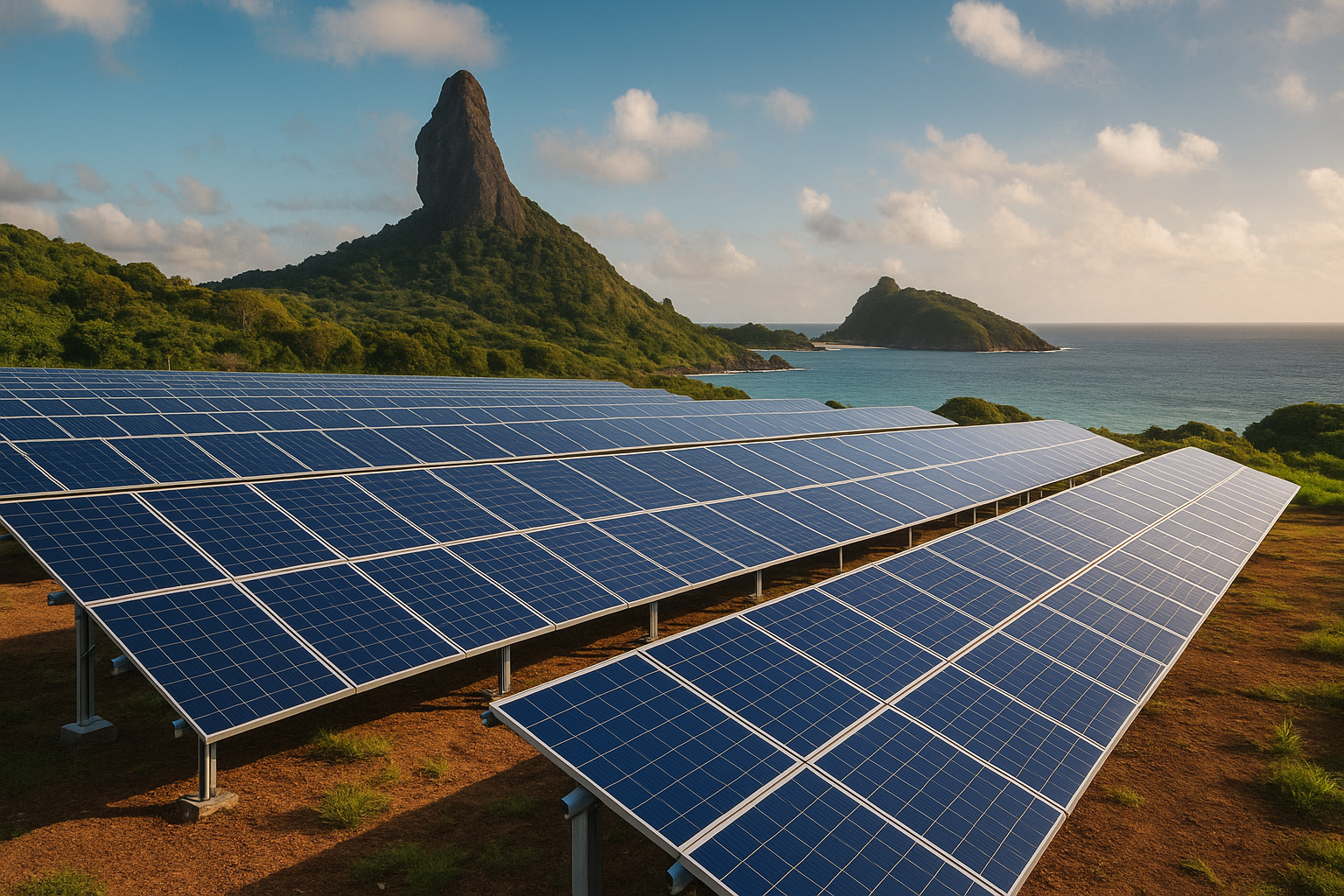
Fernando de Noronha has started, according to the government of Pernambuco (2025), the construction of its new solar plant aimed at making the island 100% powered by clean energy by 2027. This move comes at a time when the country is still balancing the expansion of renewables and the strong presence of oil in the national energy matrix.
Despite this duality, Noronha shows that small regions can lead profound transformations, especially when they combine planning, technology, and public policies aligned with global decarbonization.
The Energy Past of Noronha and the Weight of Oil on the Island
Historically, Fernando de Noronha has always depended on diesel-powered generators. Thus, for decades, the island regularly imported fossil fuel, which increased costs, expanded environmental risks, and created intense logistical pressure.
-
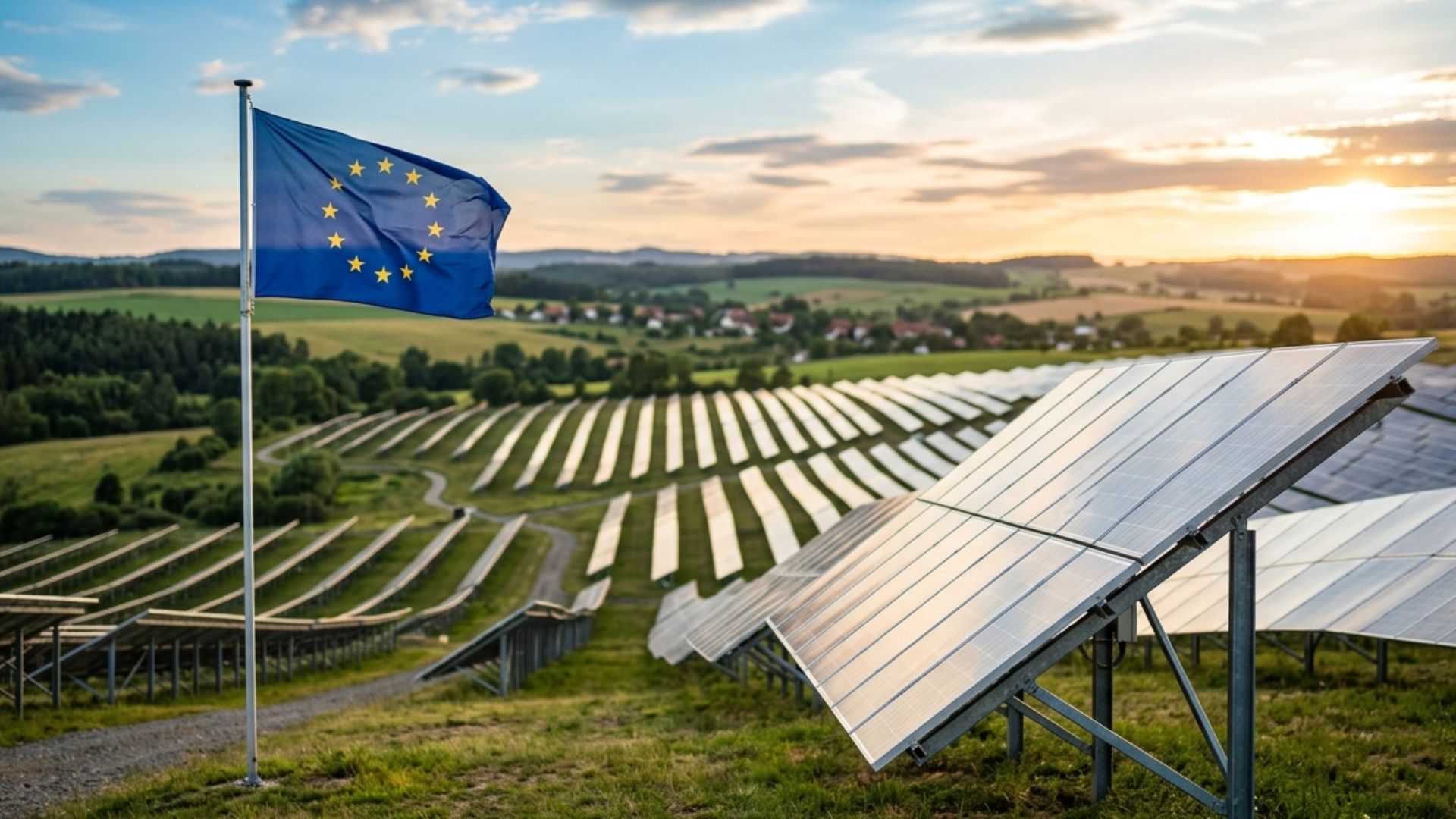
Europe records strong euro economy with solar energy in March and sparks curiosity about which country leads growth that redefines the energy market and reduces costs.
-
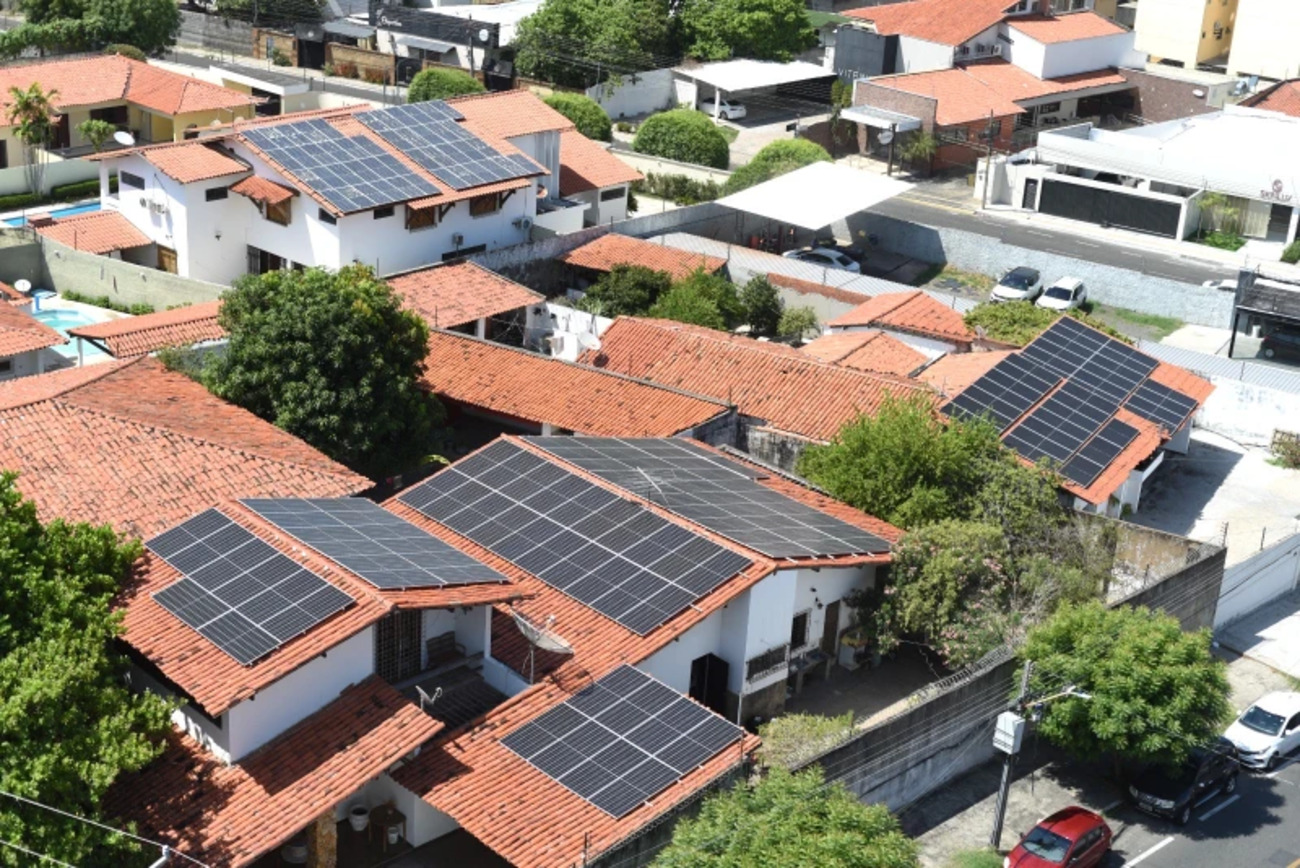
Piauí reaches a historic milestone in energy transition: State records nearly 160,000 households powered by solar energy and leads growth in the Northeast.
-
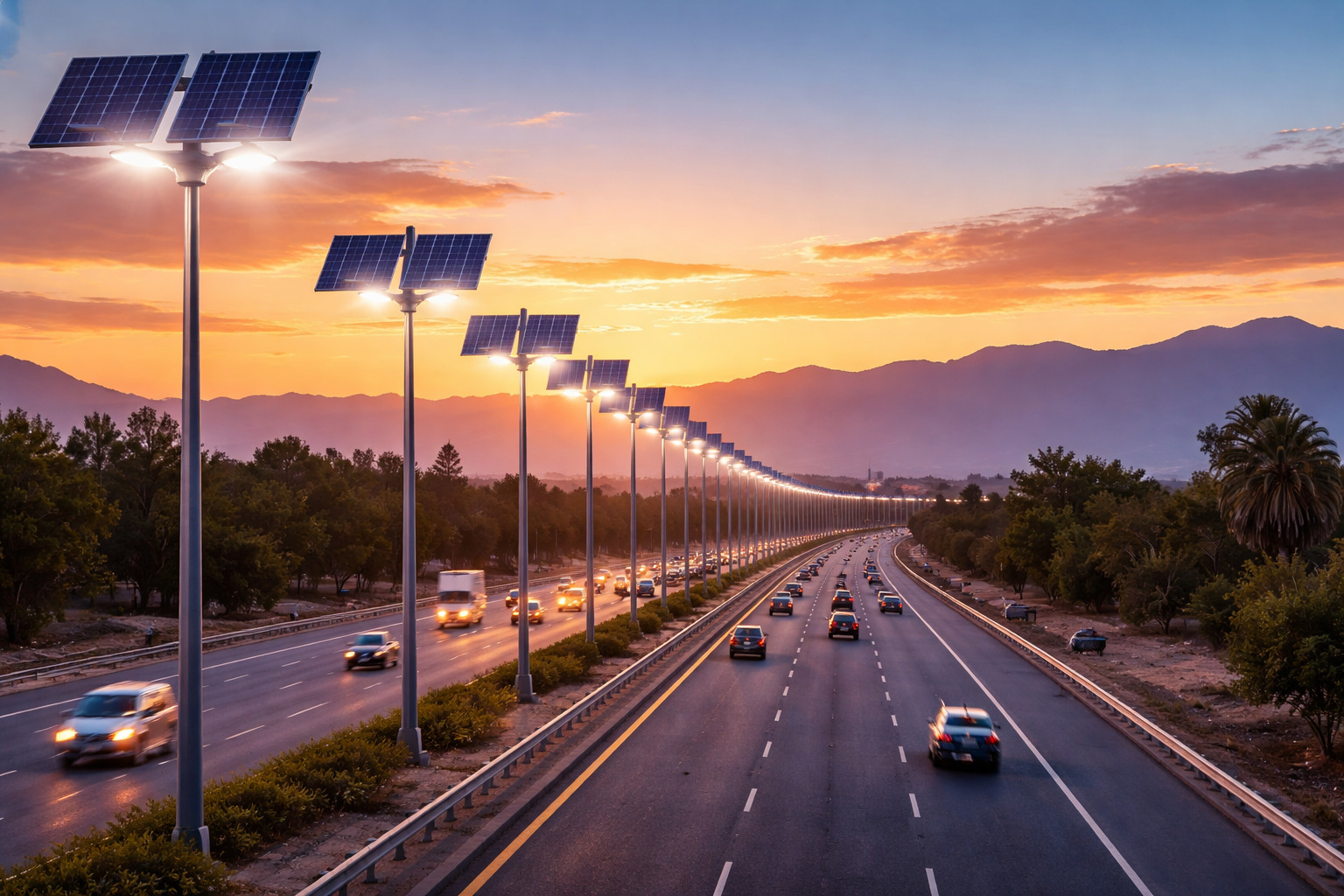
Argentina debuts its first 100% solar-powered highway and transforms an entire road into a showcase of clean energy.
-
Minas Gerais reaches a historic record and surpasses the power of Itaipu, but network costs generate debate: Understand why solar energy in MG impacts the electricity bill of those without panels.
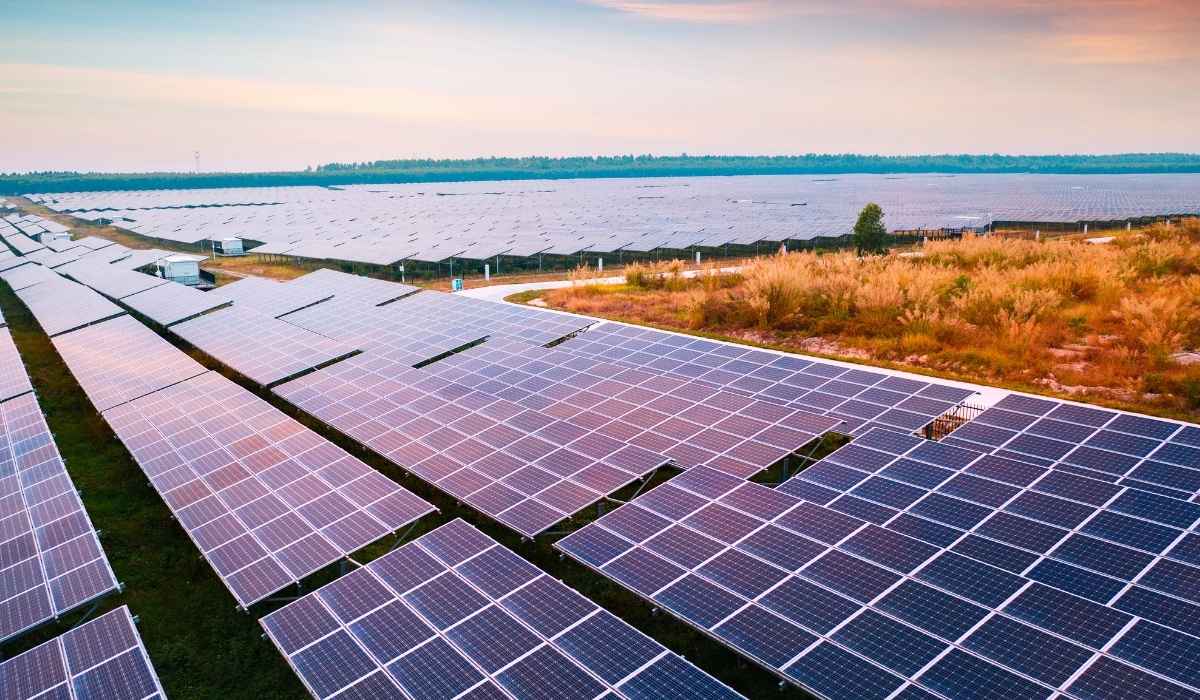

Moreover, as highlighted by the National Electric Energy Agency (ANEEL), isolated regions tend to face greater electrical instability. Therefore, the arrival of solar systems represents a historic turning point that reduces the energy vulnerability of the local population.
However, even with this accelerated transition, oil still appears as a point of comparison. After all, Brazil remains one of the largest global producers, and decisions made in isolated territories help illuminate how the country can gradually reduce its dependence.
A Project Born from Technical and Environmental Agreements
According to the federal government, the construction of the plant is part of a permanent decarbonization policy for environmental preservation areas. As Noronha is considered a Natural Heritage Site by UNESCO, any action must occur with extreme technical rigor.
Therefore, the project underwent in-depth analyses by ICMBio, the Ministry of the Environment, and state agencies, ensuring that the installation of the panels does not interfere with the island’s sensitive ecosystems.
Additionally, this policy aligns with climate treaties discussed since the 1990s, especially after the creation of the Kyoto Protocol and, later, the Paris Agreement. Thus, Noronha represents a local response to global commitments made by Brazil.
The Relationship Between Solar Energy and National Climate Goals
Although the country is advancing in renewable energies, especially wind and solar, oil continues to play a central role in the economy and energy policy. However, Fernando de Noronha emerges as a symbol of the future because it demonstrates that even regions with environmental restrictions can adopt clean models without compromising development.
According to the Energy Research Company (EPE), Brazil has one of the largest solar potentials in the world. Therefore, initiatives on the island reinforce the national capacity to combine abundant natural resources, technological innovation, and long-term goals.
Thus, the new solar plant operates as a natural laboratory to test solutions that can be replicated throughout the Brazilian coast and even in large cities.
Direct Benefits for Residents, Tourists, and the Country
The replacement of diesel engines brings immediate impacts. Air quality improves rapidly, as traditional generators emit particulate matter and greenhouse gases. Furthermore, silence increases, creating a more harmonious experience for residents and visitors.
Although Noronha is small, it receives thousands of tourists annually. Therefore, clean energy strengthens the island’s international image and can attract travelers committed to sustainable tourism.
At the same time, the country decreases transportation costs for oil to isolated regions, reducing the risks of maritime accidents and environmental impacts.
The Importance of Technology and Continuous Innovation
As the new plant operates with advanced storage systems, it allows for continuous generation even at night. This eliminates the need for machines powered by oil, which previously compensated for this absence.
According to data disclosed by the government of Pernambuco (2025), the system will feature high-efficiency batteries along with software that monitors consumption and demand in real-time. Thus, Noronha transforms into a technological environment that combines conservation and smart energy control.
Moreover, this advancement aligns with international trends, particularly those discussed at climate COPs. The creation of cities and regions with net zero carbon emissions has become a global commitment, and Noronha is now moving in that direction.
The Contrast Between Solar Advancement and the National Presence of Oil
Although Fernando de Noronha is advancing towards net zero carbon, the rest of the country still faces structural challenges. According to the ANP, Brazil achieved record production of oil in 2024 and 2025. This means that a significant part of the economy remains tied to pre-salt and international markets.
However, by adopting solar energy as a structural base, Noronha shows that the energy transition does not require an immediate abandonment of oil production. Instead, it demands planning, investments, and clear goals.
Thus, the country can balance oil exploration with sustainable projects. Therefore, experts assert that the island becomes a strategic example for discussing the energy future across all spheres – environmental, social, and economic.
A Model That Can Influence Other Brazilian Regions
Noronha, due to its size and cultural relevance, serves as a national showcase. According to the Ministry of Mines and Energy (MME), the intention is to use the lessons learned from the island to create replicable models in other locations, especially in isolated communities in the Legal Amazon.
This reinforces the role of the energy transition as a public policy, not as an isolated action. Additionally, it demonstrates that regional decisions can influence national debates, even in sectors where oil still exerts enormous economic power.
A Transformation That Exceeds Technology
The energy change on the island is not limited to solar panels. It involves environmental education, community participation, and institutional responsibility. As the government of Pernambuco highlighted in 2025, residents are being included in workshops on energy economy, efficient use, and new technologies.
This process strengthens the social perception that sustainability is not just discourse, but a constant practice. Therefore, Noronha becomes a reference for how to unite culture, conservation, and innovation.






Seja o primeiro a reagir!