





 Portuguese
  English
  Spanish
  5 min of reading
  0 comments



Understand How Brazil Stands Out in the World Airport Ranking, Occupying the Second Position in the Number of Airports Per Country, Surpassing Powers Like China and Russia. Learn More About the Brazilian Air Network and Its Challenges
Few Brazilians know, but the country occupies a prominent position in the global aviation scene: it is the second country with the most airports in the world, second only to the United States. With over 5,000 registered facilities, Brazil surpasses powers like China, Russia, and Canada in the world airport ranking. According to official data from the CIA World Factbook, updated in 2023, Brazil has 5,297 cataloged airports and runways. This impressive number reflects the territorial extent of the country, its geographical diversity, and the historical role that aviation has played in integrating distant regions.
Airports in Brazil: Understand the Number of Airports Per Country
The answer involves a combination of historical, logistical, and geographical factors. The Brazilian territory is one of the largest on the planet, covering more than 8.5 million km². In many regions, especially in the Amazônia, Central-West, and hard-to-access areas, airports are the only viable form of transportation.


For decades, Brazil has invested in regional aviation and has also developed a strong agricultural aviation sector. As a result, thousands of small runways have emerged on farms, rural communities, and cities in the interior. Many of these airfields are privately owned or small public facilities, without regular operations, but remain active in the national system.
-
Chaos On Airplane Could Be Expensive: Proposal Aims To Prevent Disruptive Passengers From Flying For Up To 1 Year In Brazil And Face Fines Of Up To R$17,500

-
Man Arrested After Halting Takeoff of Fire Department Helicopter During Child Rescue in Guaratuba

-
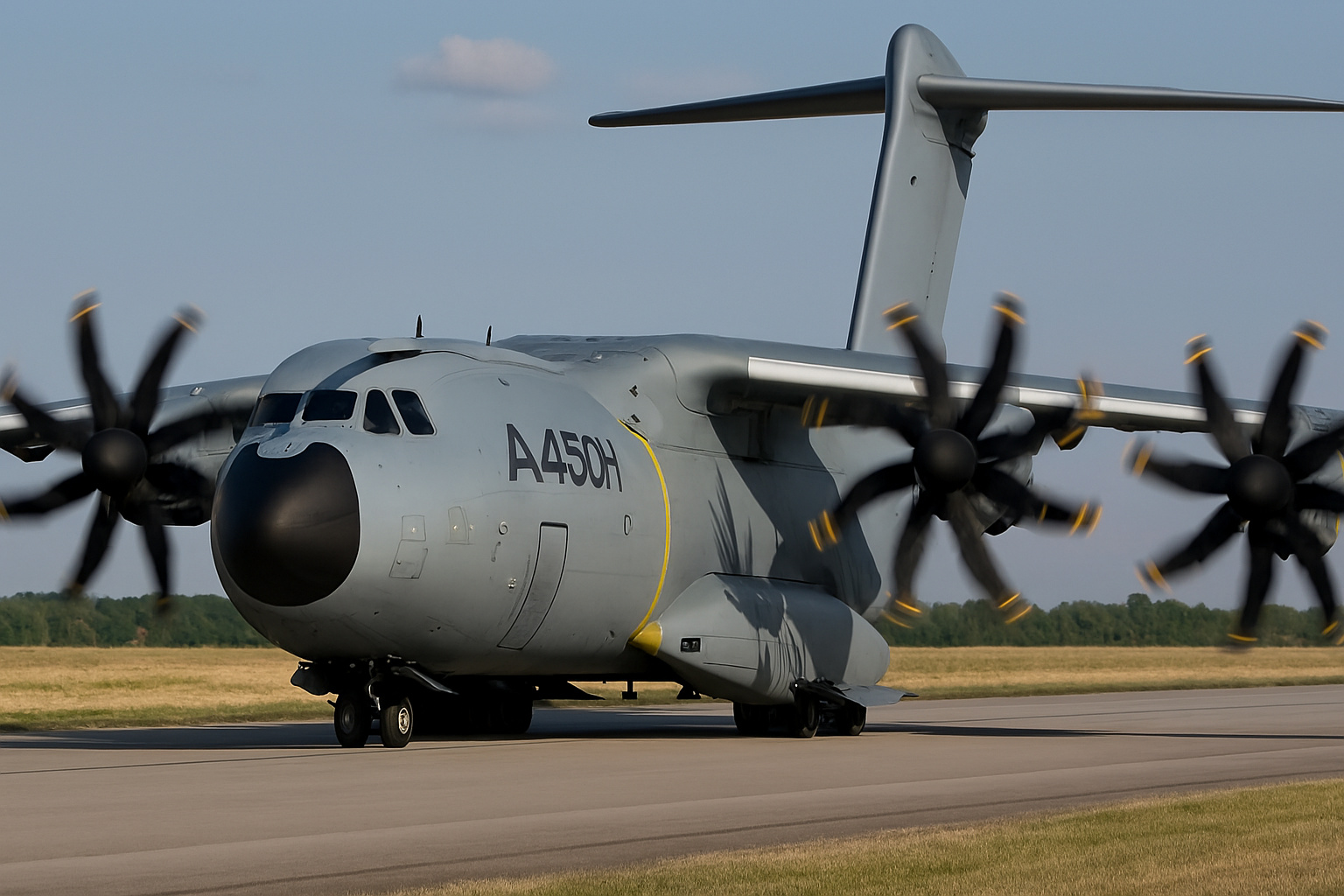
With 37 Tons of Cargo, Over 8,000 km Range, and Ability to Land on Unpaved Runways, the Airbus A400M Demonstrates How Europe Created a Military Giant That Transports Armored Vehicles, Aerially Refuels Fighters, and Operates in Conflict Zones and Humanitarian Missions Worldwide
-
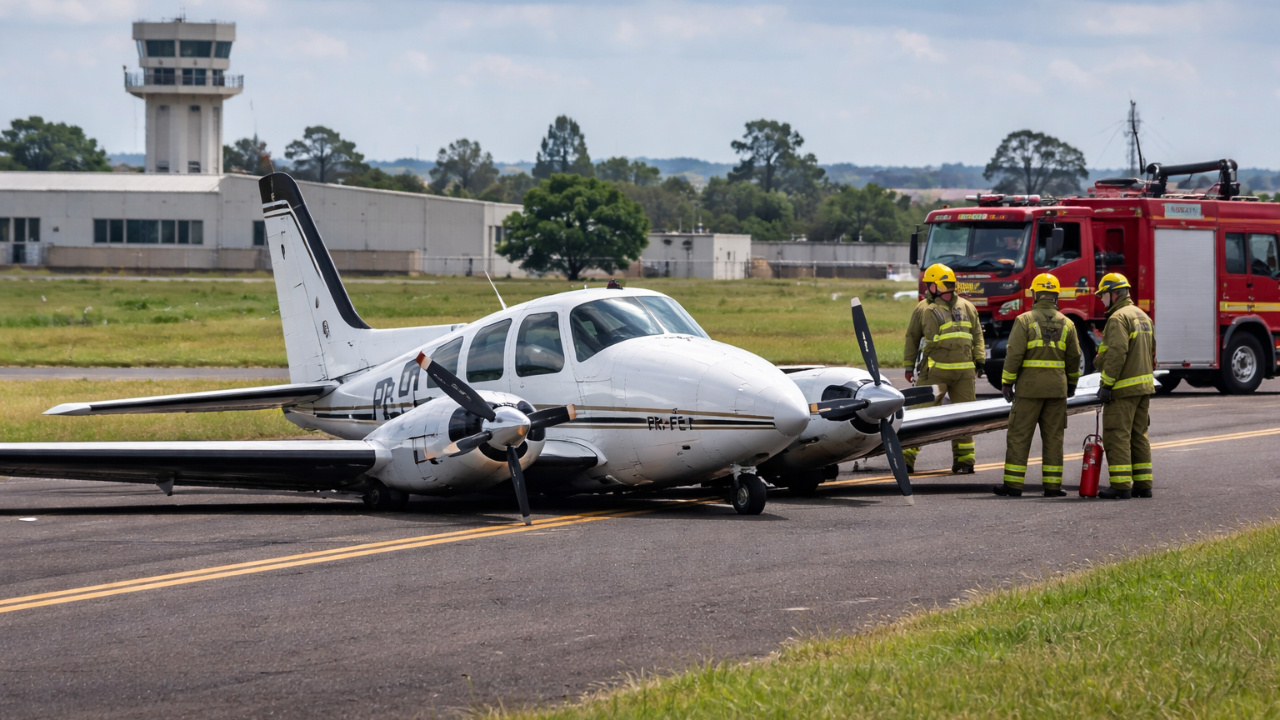
Emergency Landing in Campos Amarais After Bird Strike on Small Plane

Moreover, military use, the presence of experimental airports, and support for logistics in remote areas also help explain the high number.
Infrastructure and Distribution of Structures in the Country
Despite the total volume, only a small portion of these airports has regular commercial flights. Although Brazil has hundreds of public airfields, only about 65 airports account for nearly all regular commercial traffic, according to data from ANAC and the aviation sector.
The main terminals in the country concentrate a large portion of national and international air traffic, such as:
- Guarulhos International Airport (GRU) – SP
- Brasília International Airport (BSB) – DF
- Galeão International Airport (GIG) – RJ
- Confins Airport (CNF) – MG
- Salvador Airport (SSA) – BA
These terminals receive millions of passengers each year, but the air network is complemented by hundreds of smaller structures, often essential for emergency transport, regional tourism, and the flow of agricultural production.
World Airport Ranking: Brazil Among the Countries with the Highest Number of Airports in the World
The data on the number of airports per country, according to the CIA World Factbook (2025), shows the following scenario:
- United States – 16,116 airports
- Brazil – 5,297 airports
- Australia – 2,257 airports
- Mexico – 1,580 airports
- Canada – 1,459 airports
- France – 1,218 airports
- United Kingdom – 1,057 airports
- Russia – 905 airports
- Germany – 840 airports
- Argentina – 764 airports
Brazil stands alone in second place. Even countries with a strong presence in the international air market, such as China (with about 552 airports), lag far behind.
This scenario highlights how extensive and strategic the Brazilian airport network is. The number of airports far exceeds that of nations with more developed economies or larger populations, such as Germany, India, or the United Kingdom.
Importance of Airports in Brazil and Regional Airports for Air Connectivity
The network of airports in Brazil is crucial for connectivity between states, especially in regions where road or rail transport is limited. States like Amazonas, Roraima, Acre, and parts of Mato Grosso, for example, heavily rely on air transport for supplies, transportation, and medical care.
In recent years, the federal government and private initiative have sought to enhance regional airports. Through the Regional Aviation Program, launched in 2013, investments have been promised in more than 200 small and medium airports. Despite delays and budget cuts, some projects have materialized, helping to modernize runways and terminals.
Additionally, the growth of e-commerce and last-mile logistics has reignited interest in cargo airports and air distribution centers near industrial hubs and consumption centers.
Challenges of the Airport Network in Brazil: Quality and Operation of Airports
Although Brazil has many airports, the quality and functionality of these structures are quite uneven. Many terminals lack proper maintenance, operate without certification, or do not have paved runways. Others lack instruments for night operations or adverse weather conditions.
Another recurring problem is the centralization of operations in a few airports, especially along the São Paulo–Brasília–Rio de Janeiro axis. This overloads the main terminals and complicates air access to medium and small cities.
Airlines also face economic challenges in operating regional routes, such as high fuel costs, low demand, and limited infrastructure. As a result, several airports end up being underutilized or operating only with occasional flights.
The Future of Airports in Brazil and the Expansion of Air Connectivity
Despite the challenges, Brazil has the potential to transform its extensive airport network into a competitive advantage. One way is to strengthen public-private partnerships through airport concessions, as has already occurred with medium-sized terminals in cities like Vitória, Cuiabá, Recife, and Maceió.
Another important vector is the enhancement of regional aviation, encouraging alternative routes, connecting capitals to medium-sized cities, and developing decentralized logistics hubs.
Companies like Azul and Voepass have bet on this model, expanding regional routes and operating in smaller airports. This strategy improves public access to air transport, boosts the local economy, and helps to deconcentrate traffic from major hubs.
Sustainability is also on the agenda, with the emergence of more efficient airports, the use of renewable energy, and initiatives to reduce CO₂ emissions in runways and terminals.
Being the second country with the most airports in the world should not be seen merely as a statistical curiosity. It represents a logistical, strategic, and economic advantage that, if well leveraged, can significantly contribute to national development.
With planning, balanced investments, and effective public policies, Brazil can transform its airport network into a pillar of connectivity and regional inclusion. In a continental country, with such diverse logistical challenges, aviation will remain essential — and the data shows that Brazil already has the structure, it just needs to value it.









Seja o primeiro a reagir!