





 Portuguese
  English
  Spanish
  3 min of reading
  0 comments


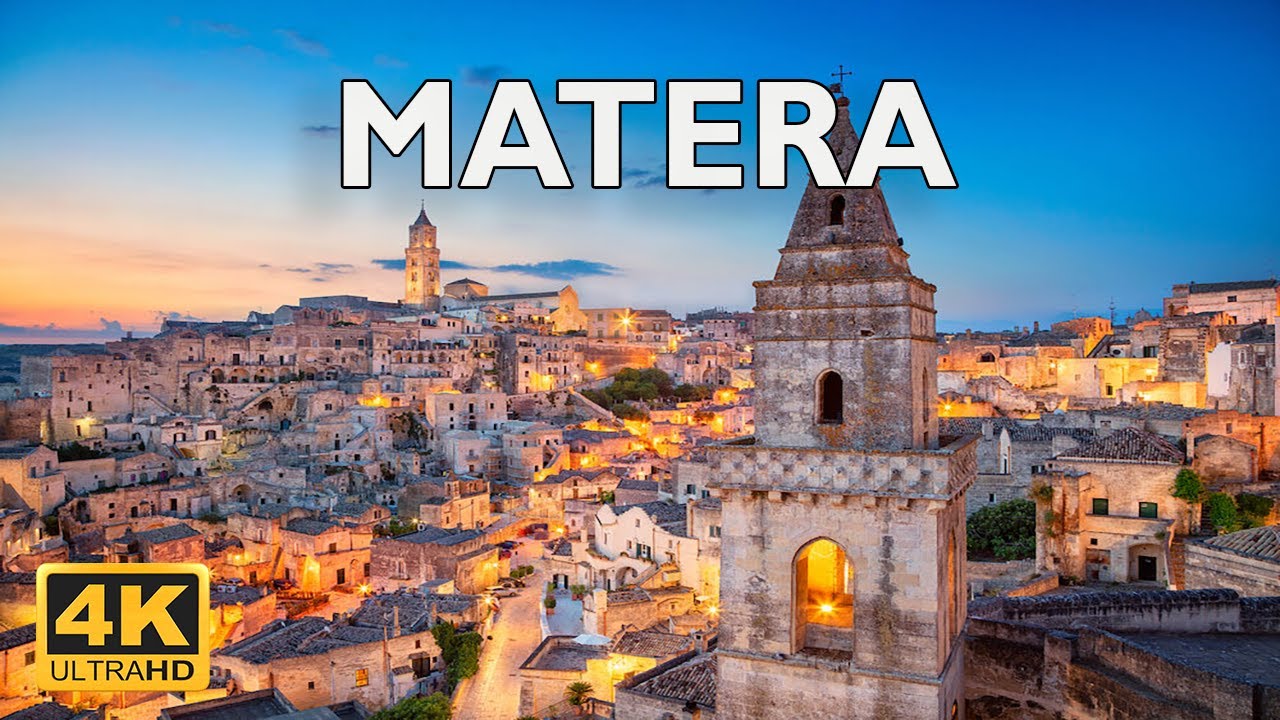
Carved Into The Rock And Inhabited Since Around 7,000 B.C., Matera Has Survived Millennia Without Becoming Ruins And Remains Alive In Southern Italy Today.
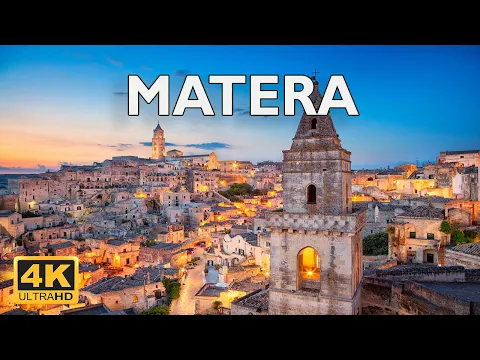
Few people imagine that, in southern Italy, there is a city that was not built on the ground, but excavated directly into the rock, continuously inhabited since around 7,000 B.C., and that still functions today as a living urban organism. This is Matera, in the Basilicata region, considered one of the oldest continuously inhabited human settlements in the world.
Unlike abandoned archaeological sites, Matera never became ruins. It has survived millennia being adapted from generation to generation, maintaining its residential, religious, and productive functions to this day.
An Entire City Carved In Limestone Over Millennia
The famous Sassi di Matera — Sasso Caveoso and Sasso Barisano — are urban complexes made up of houses, streets, staircases, churches, cisterns, and barns excavated directly into limestone cliffs. Each “house” started as a simple cave and, over time, was expanded, divided, and connected to other structures.
-
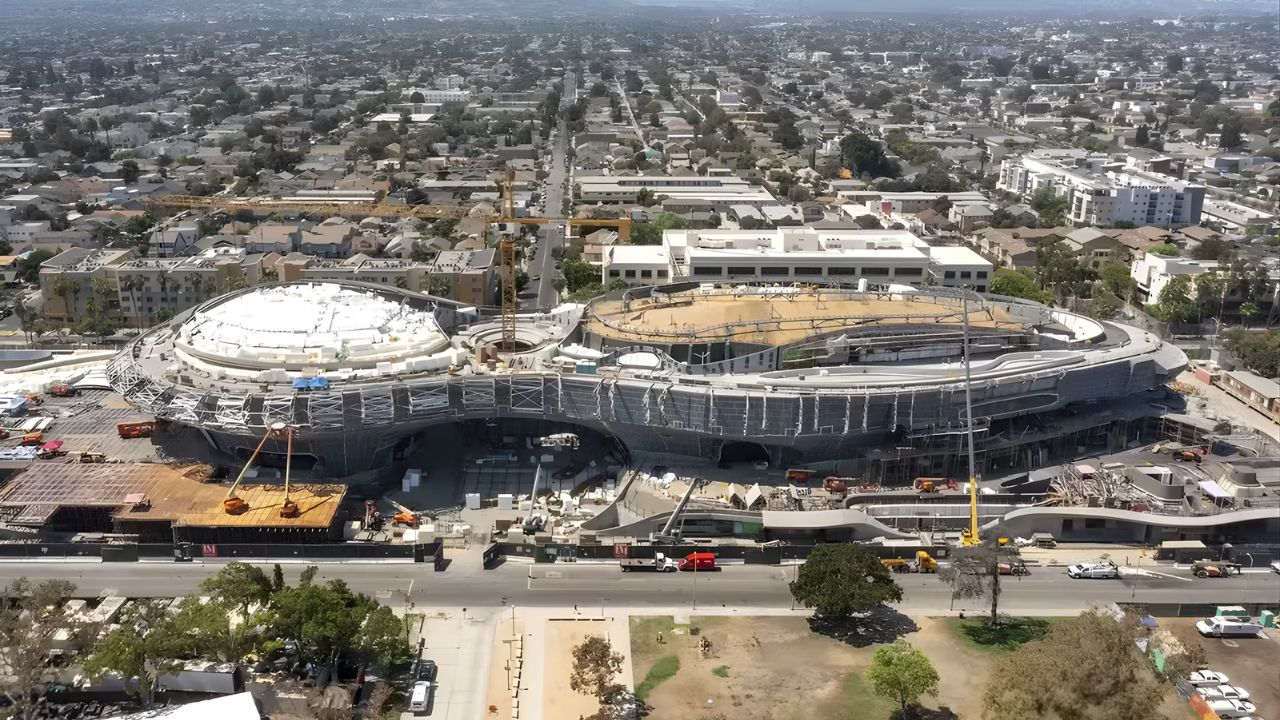
Created by George Lucas with over $1 billion, a futuristic museum in the shape of a spaceship with 1,500 curved panels is about to open in Los Angeles and will house one of the largest private collections of narrative art in the world.
-
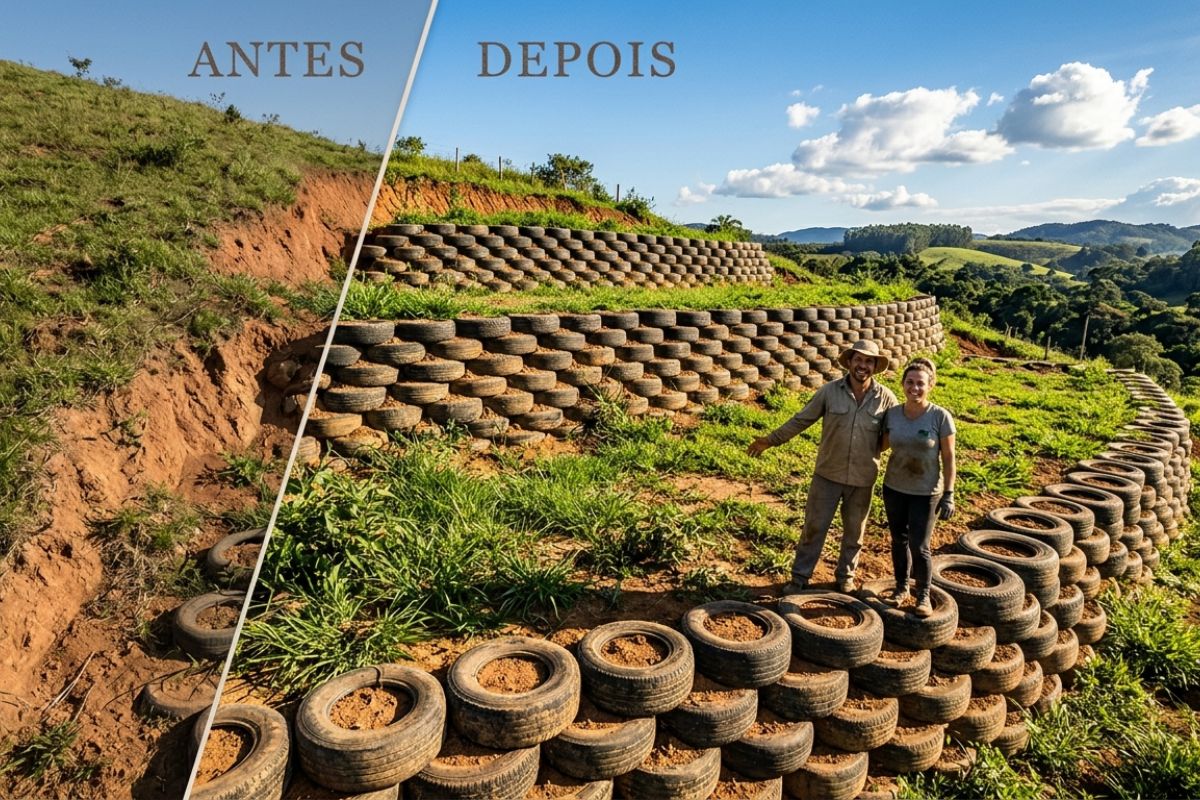
Couple shows how they built a retaining wall on their property using 400 old tires: sloped land turned into plateaus, tires are aligned, filled, and compacted with layers of soil, with grass helping in support and at almost zero cost.
-
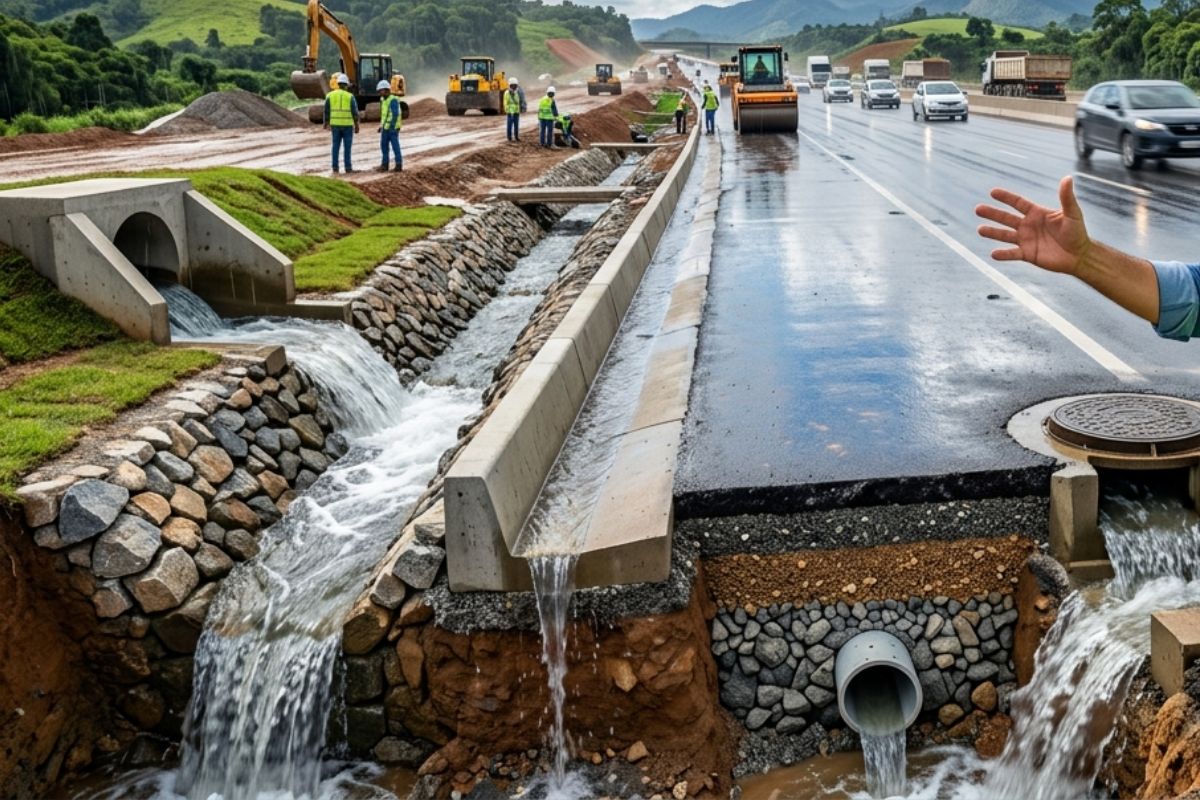
Engineer explains drainage during the rainy season: the difference between surface water and deep water, ditches, gutters, and water outlets on the road, as well as drains and drainage mattresses, to prevent erosion, aquaplaning, and flooding at the construction site today.
-
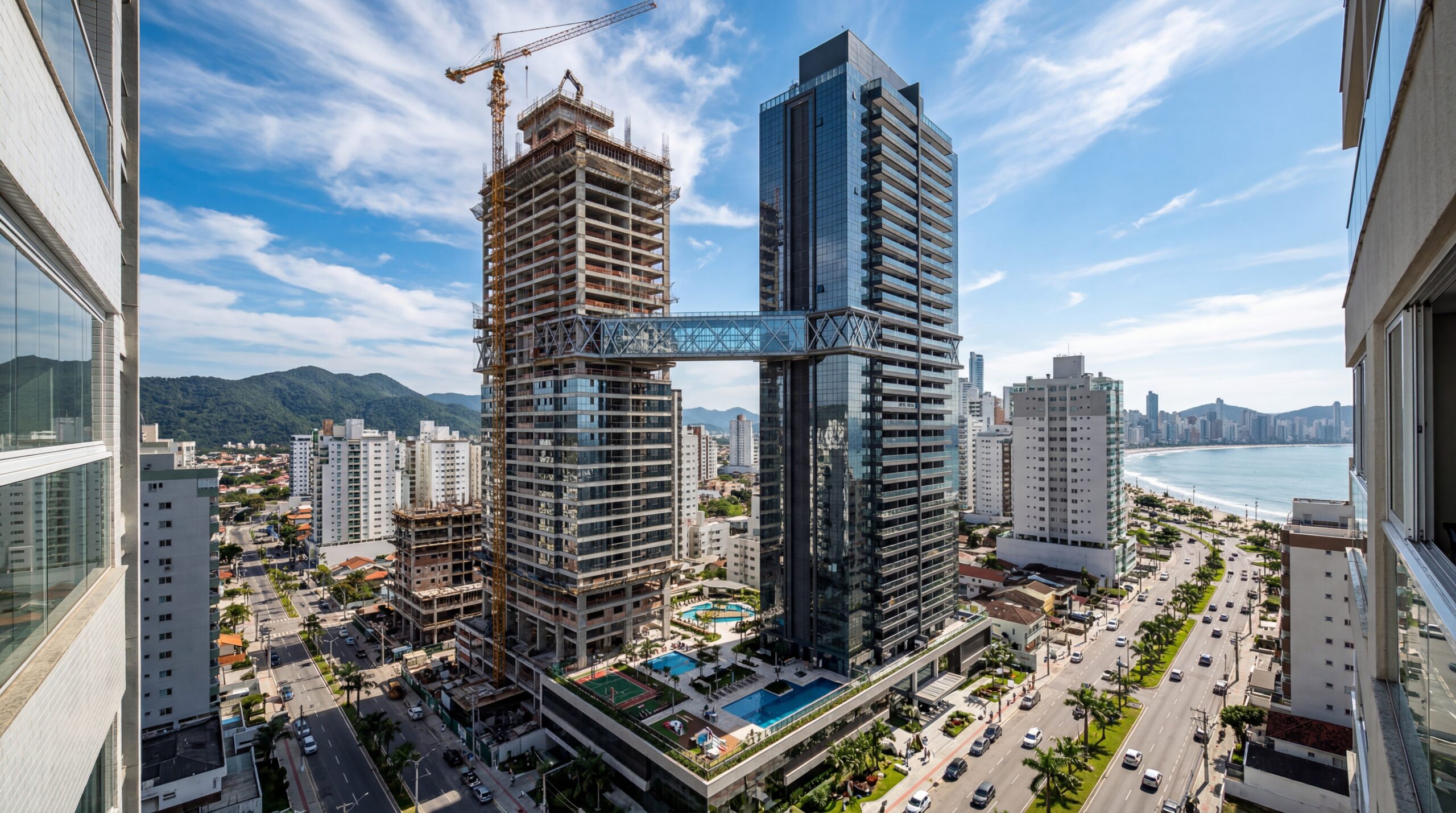
With 55 floors, 177 meters in height, a 15-meter walkway between the twin towers, ventilated facade, and 6,300 m² of leisure space, Ápice Towers already has one tower completed and another nearly at the top.



The city’s growth occurred in a vertical and organic manner: often, the roof of one house is the floor of the house above, creating an urban tangle that seems chaotic, but follows an extremely efficient functional logic.
Natural Thermal Comfort Without Modern Technology
One of the most impressive aspects of Matera is its natural thermal performance. Even without central heating or air conditioning, the excavated houses maintain relatively constant internal temperatures throughout the year, generally between 15 °C and 18 °C.
This occurs because the limestone acts as a natural thermal insulator. In summer, the external heat takes time to penetrate; in winter, the cold does not quickly invade the interiors. This passive principle of bioclimatic architecture was only recognized by modern engineering thousands of years later.
An Invisible And Extremely Advanced Hydraulic System
Long before modern plumbing, Matera already had a highly sophisticated collective hydraulic system. The city was designed to capture every possible drop of rain. Roofs, staircases, and streets directed water to underground cisterns excavated in the rock, some with a capacity of thousands of liters.
These cisterns supplied entire families during long dry periods and allowed the city to survive in a region with limited water resources. The system was so efficient that it continued in use for centuries.
From Extreme Poverty To Worldwide Recognition
Despite its ingenuity, Matera went through a dramatic period in the 20th century. Until the 1950s, thousands of people lived in the Sassi under poor sanitary conditions, sharing space with animals. The Italian government even classified the city as a “national shame” and removed much of the population.
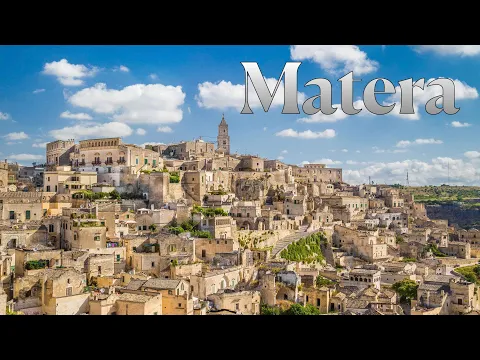
What seemed to be the end turned out to be a turning point. In the following decades, historical, architectural, and environmental studies showed that Matera was a unique heritage of humanity. In 1993, the Sassi di Matera were declared a UNESCO World Heritage Site.
A Living City Inhabited And Studied To This Day
Today, Matera is not a dead museum. Many of the excavated houses have been re-inhabited, while others have been transformed into hotels, restaurants, cultural centers, and churches still in operation. The city has also become a living laboratory for architects, engineers, and urban planners interested in low-impact sustainable solutions.
Furthermore, Matera gained international recognition by serving as the backdrop for historical and religious films, reinforcing its image as a city outside of time.
An Ancestral Model That Challenges Modern Architecture
The existence of Matera challenges the idea that comfort, efficiency, and sustainability depend on advanced technology. For almost 9,000 years, an entire city functioned by exploring only geology, climate, and empirical knowledge, creating solutions that many contemporary projects still try to replicate.
More than just a historical curiosity, Matera is proof that some of the answers for the future of architecture have already been discovered in the past.





-

-

-

5 pessoas reagiram a isso.