





 Portuguese
  English
  Spanish
 5 min of reading
  14 comments





Lavras Novas Surprises by Combining Mountain Climate, Colonial History, and Tranquility in the Heart of Minas Gerais. A Village of Fewer Than 2,000 Inhabitants Where the Constant Cold and Historic Charm Form One of the Most Unique Retreats in the Country.
Fewer than 2,000 people live in the coldest village in Brazil, where the temperature rarely exceeds 20 °C.
Lavras Novas, a district of Ouro Preto in Minas Gerais, is a village of about 1,500 inhabitants that gained fame for its mild climate in a tropical country.
The locality is situated in the Serra do Espinhaço, at an altitude of approximately 1,200 to 1,500 meters and 17 to 19 km from the historic center of Ouro Preto.
-
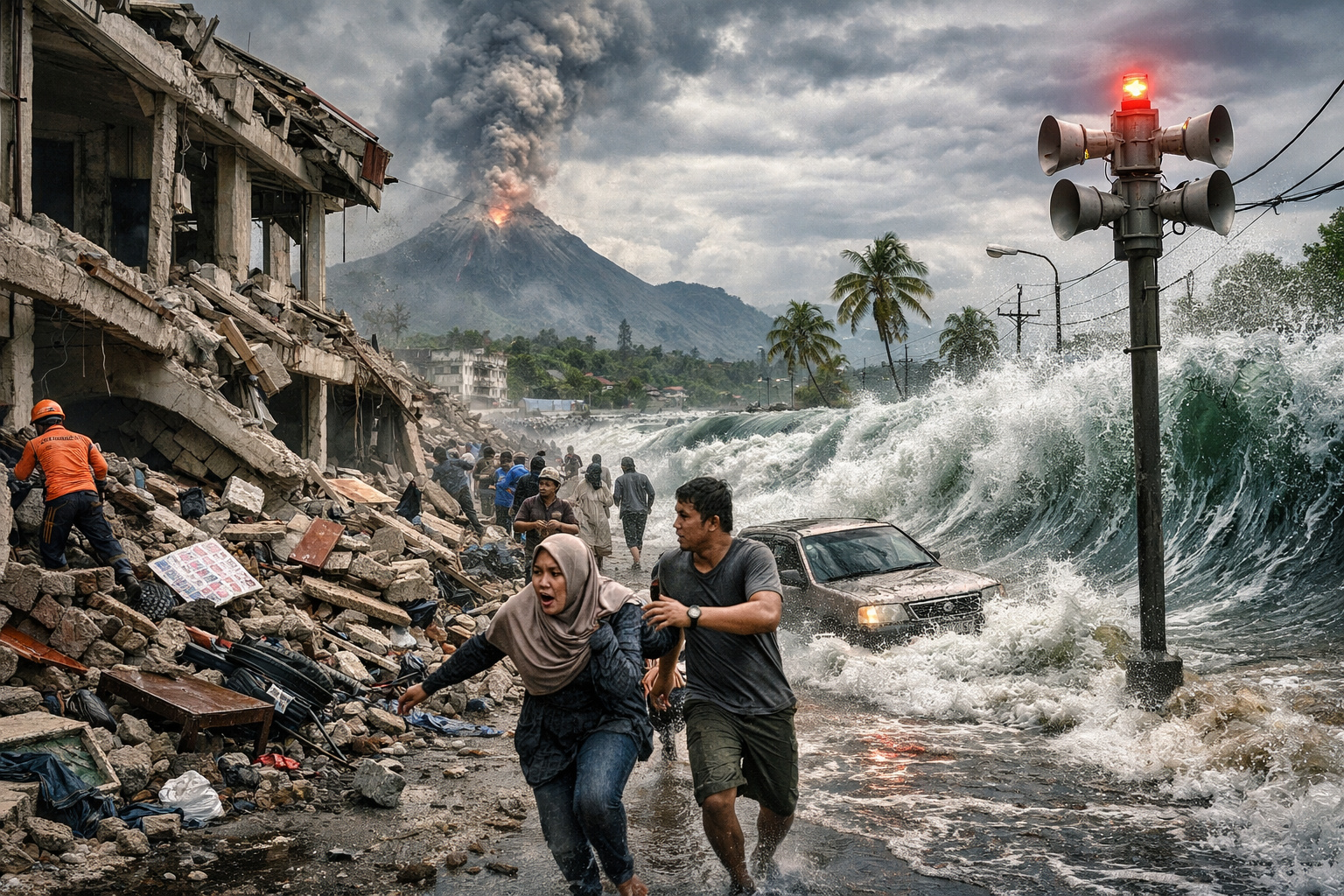
A strong earthquake in Indonesia affects houses and schools, causes panic, triggers a tsunami alert, and records a rise in sea level of up to 30 centimeters in some areas.
-
The Argentine government celebrates the lowest poverty rate in 7 years, but experts warn that the methodology has changed, real wages have fallen, unemployment has risen, and the number of people on the streets of Buenos Aires has increased by 57% since Milei took office.

-
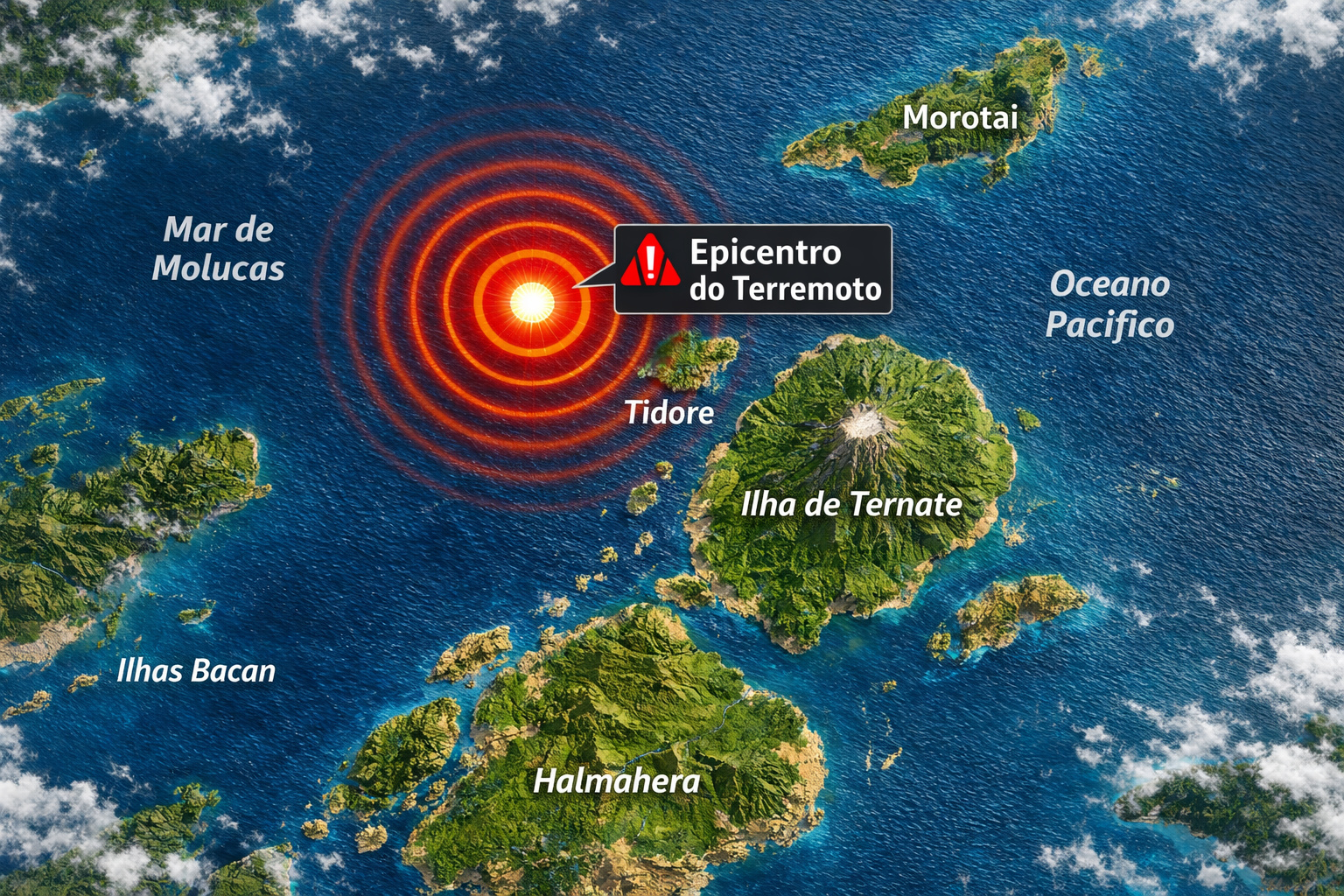
7.8 magnitude earthquake in Indonesia frightens the population, triggers tsunami alert, and hits an island with over 200,000 inhabitants this Thursday.
-
Google will finally let you change that embarrassing Gmail address you created in your teenage years without losing any accounts, logins, or old emails: the feature is already available in the United States.


Although it is often referred to as “the coldest village in Brazil,” there is no official record to confirm this title; what the data indicates is a pattern of cold nights and mild afternoons, even in summer, a scenario that helps explain its popularity among travelers.
Where It Is and Why It’s Cold
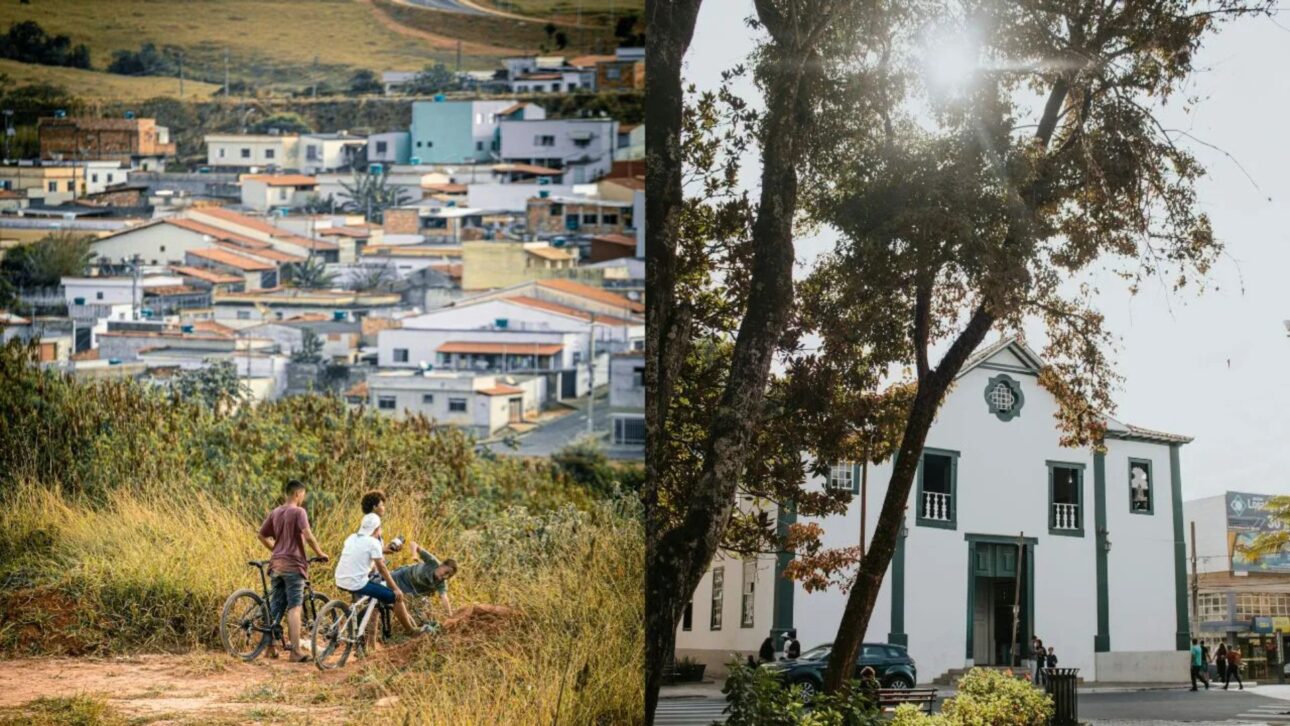
Set on a ridge of the Serra do Espinhaço, the community is exposed to constant winds and incursions of cold air descending from the higher areas of the region.
The high altitude lowers the average temperature and favors foggy mornings and cool evenings.
On clear winter days, residents report single-digit lows, while afternoons rarely become stuffy due to the ventilation and milder solar radiation.
Even though the nickname suggests a permanently harsh cold, the average highs throughout the year tend to be above 20 °C, varying by season.
In July, the coldest month, afternoons are around 21 °C; at the peak of summer, it is common for temperatures to reach 24 °C to 26 °C.
What distinguishes Lavras Novas is its temperature range: pleasant afternoons and nights that call for warm clothing for much of the year.
History and Population of the Village
Settlement dates back to the 18th century, during the gold rush in Minas.
The name comes from the “new mining sites,” the mining fronts that opened up around Ouro Preto.
Today, the village preserves cobblestone streets, colorful houses, and 18th-century churches, concentrated around the main square.
During holidays and vacations, the population multiplies with the arrival of visitors, but off-season the pace is rural: open doors, sidewalk chats, and a routine that runs without haste.
The connection to Ouro Preto is direct.
By car, the main access requires attention due to the mountain curves, especially on rainy days.
The relative isolation, however, is part of its appeal: the village maintains a preserved landscape among valleys, waterfalls, and transitional areas between Cerrado and Atlantic Forest.
Mountain Climate Year-Round
Those arriving in summer find more frequent afternoon rains and moderate thermal sensations, without extreme heat.
In winter, clear skies and dry air prevail; the lows may drop to around 10 °C or less, especially at dawn.
Therefore, a light to medium jacket is a useful item year-round.
At night, fireplaces in inns and restaurants reinforce the mountain atmosphere.
Contrary to the widespread perception on social media that “the temperature almost never exceeds 20 °C,” daily life shows variation: days with 23 °C to 26 °C are common in the warmer seasons.
The reputation for being a cold place, therefore, reflects more the mountain feeling and the consistency of cold nights than any national record of absolute lows.
Tourism, Trails, and Cuisine
The urban area is small and walkable. In just a few minutes, it’s possible to go from the Church of Our Lady of Pleasures to viewpoints that reveal the shape of the mountains.
Marked trails lead to waterfalls that are easily accessible and to stone slabs that serve as a stage for sunsets.
Local guides offer itineraries that combine walking, culture, and history.
In addition to the scenery, Minas Gerais cuisine enhances the experience.
Wood-fired stoves, artisanal cheeses, preserves, and brewed coffees can be found in both restaurants and producers’ shops.
On busy weekends, queues in bars and bistros are common, which contrasts with the tranquility of weekdays, when the routine returns to that of the locals.
Cultural Identity and Preservation
Lavras Novas holds colonial traces and a predominantly black community, with traditions that span centuries.
Religious festivals and popular events share the calendar with the high season.
The presence of tourism coexists with efforts to preserve architecture, landscape, and ways of life.
Inns and businesses have emerged in response to demand, but the historic area maintains a low scale and simple facades, generally in line with Ouro Preto’s conservation guidelines.
Best Time to Visit
The winter delivers the mountain stereotype: chilly dawns, clear skies, and extensive visibility.
For those who prefer voluminous waterfalls and intense greenery, spring and summer offer regular rains and still pleasant afternoons, without extreme heat.
At any time, it is advisable to carry warm clothing, footwear for uneven terrain, and to be extra cautious when driving on the mountain curves, especially in fog or wet conditions.
The tourist infrastructure is varied for the size of the village.
There are inns with fireplaces, simple rooms, and mid-range options.
Advance reservations are advisable during holidays and extended breaks, when demand rises and prices follow suit.
Cold, Altitude, and Way of Life
The image of a cold place arises from a set of factors.
The altitude lowers average temperatures and increases the likelihood of constant winds.
The vegetation of rocky fields and slope forests contributes to more open landscapes, which lose heat quickly at night.
The stone and wood architecture, combined with the rural pace, reinforces the typical mountain feeling, very different from what one imagines when thinking of a tropical Brazil.
It is important to emphasize that the title of “coldest” circulates as a touristic nickname.
Cities in the South, such as Urupema and São José dos Ausentes, frequently record negative absolute lows in winter.
In Lavras Novas, the difference lies in the consistency of cold nights and the absence of intense heat for most of the year, more than in climatic records.
Attractions and Charms of Lavras Novas
The combination of mild climate, easy access from Ouro Preto, and mountain scenery creates an attractive package.
For those seeking rest, the narrow streets and silence at night speak volumes.
For the active, short trails and waterfalls provide midday excursions.
For those interested in culture, the village offers historic temples and the memory of the gold cycle on a human scale.
Overall, Lavras Novas proves that Brazilian cold also arises from altitude, relief, and a preserved rural lifestyle — a counterpoint to the narratives of beaches and heat that often dominate the national imagination.
In light of this picture, what catches your attention the most: the cold nights under a starry sky or the historical atmosphere of a village that seems to have stopped in time?







ESSE SITE É SÓ SENSACIONALISMO DA MENTIRA .
Vilarejo mais gelado do Brasil é impossível. O próprio texto contradiz o título, quando cita as temperaturas do lugar. Os lugares mais frios do Brasil, se considerar temperaturas médias, máximas e mínimas durante o ano, seriam São Joaquim/SC, Urupema/SC, São José dos Ausentes/RS, entre outros. Ultimamente tenho visto muitas reportagens com títulos estranhos, ou até mentirosos, para chamar a atenção, e quando vc vai ler a matéria percebe que não era nada daquilo
Noites frias , amo frio , mas moro no MS muito calor . Sonho um dia morar em lugar mais fresco onde possamos tomar uma sopa quentinha dormir de coberta … tomar chocolate quente … este lugar parece perfeito, espero Deus permita um dia conhecer, calor me incha muito …