





 Portuguese
  English
  Spanish
  5 min of reading
  0 comments


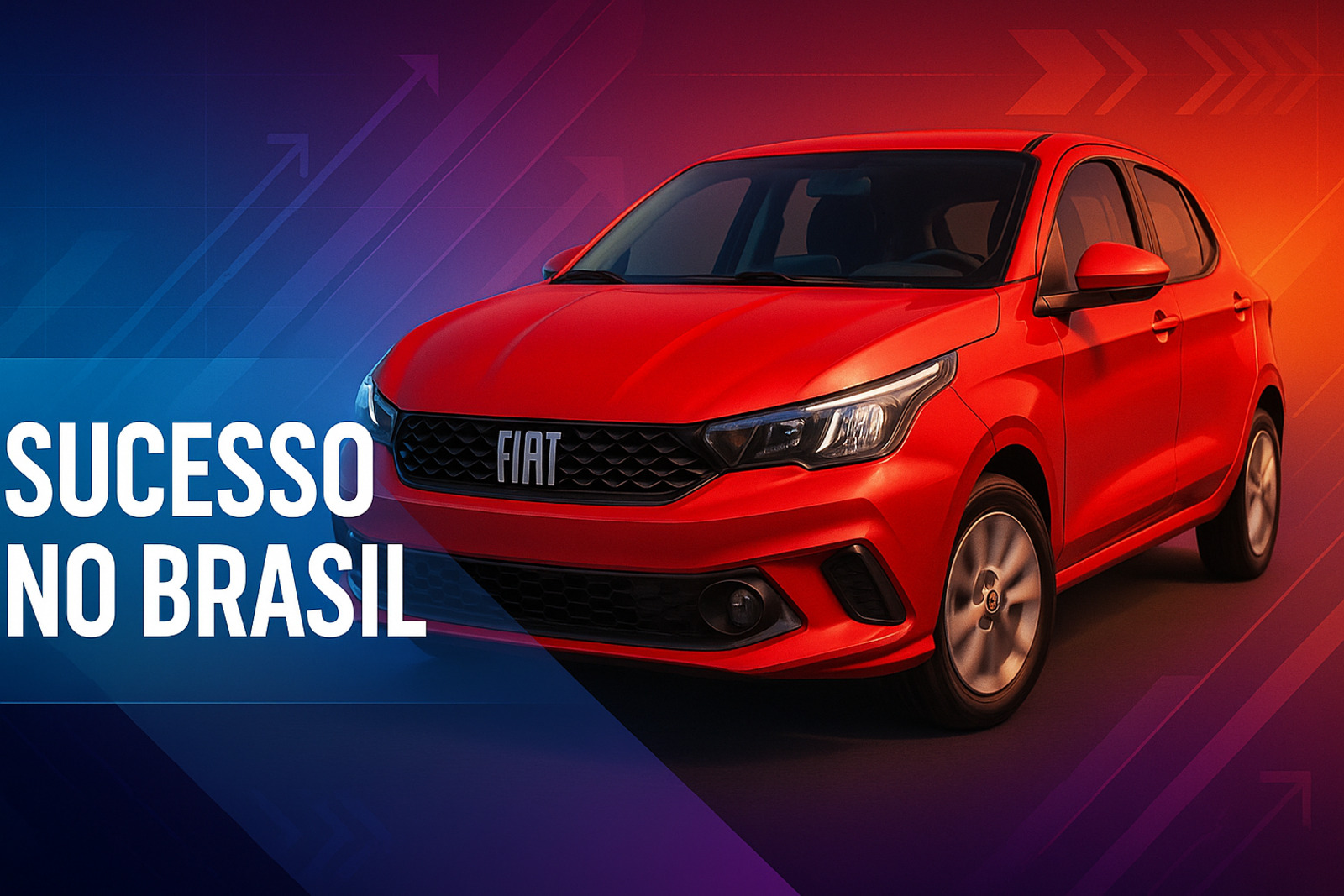
Stellantis Brings Together 14 Brands, Dominates The Brazilian Market With 30.11% Share In 2025, And Maintains Five Factories In Mercosur
Previously, there were three distinct groups: Fiat, Chrysler, and PSA. But then they all decided to unite to form one of the largest automotive conglomerates on the planet. This union gave rise to Stellantis, which today brings together no less than 14 brands and occupies a prominent position in Brazil.
The most important thing is that the group has not only consolidated its position in the global landscape but has also become the absolute leader in sales in the Brazilian market.
According to the National Federation of Automotive Vehicle Distribution (Fenabrave), Stellantis achieved a 30.11% market share in the country in 2025.
-
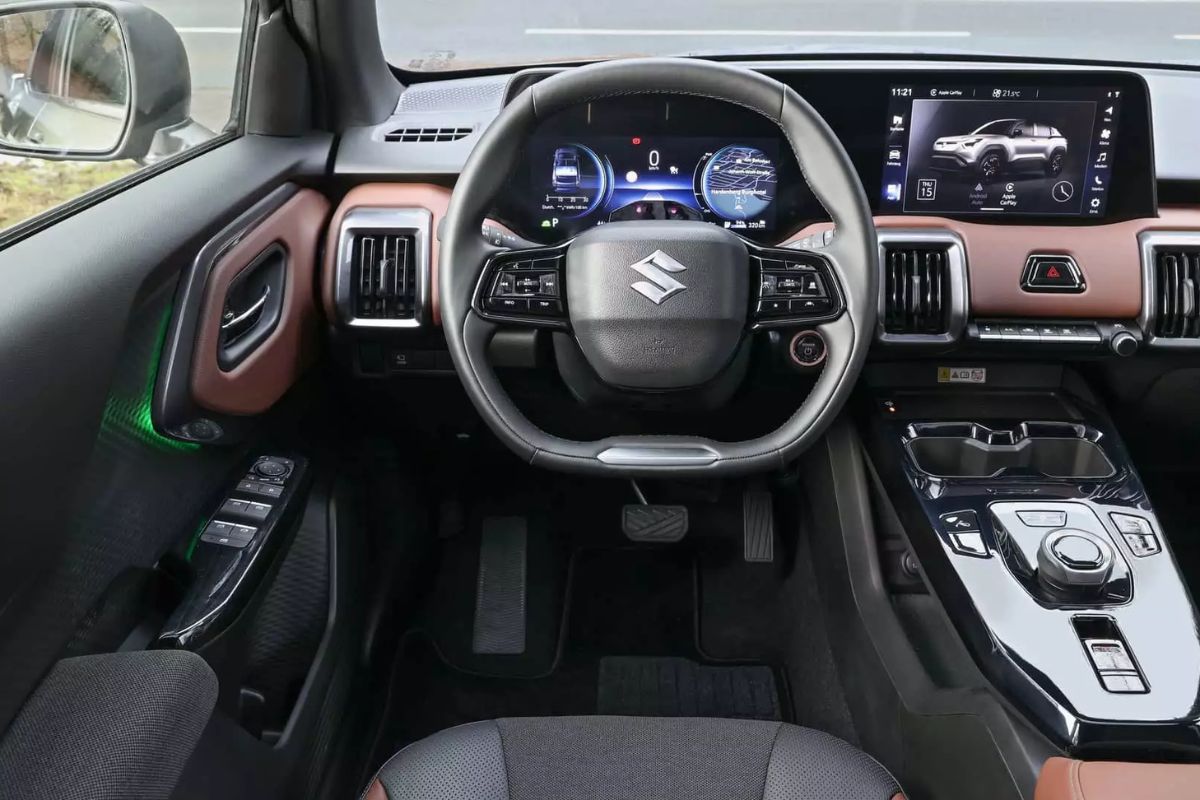
The 2026 electric Vitara arrives in Brazil and proves that Suzuki is not leaving: 4×4 traction, 184 hp, 61 kWh LFP battery, 293 km range, R$ 259,000, and a trunk capacity of 224 L.
-
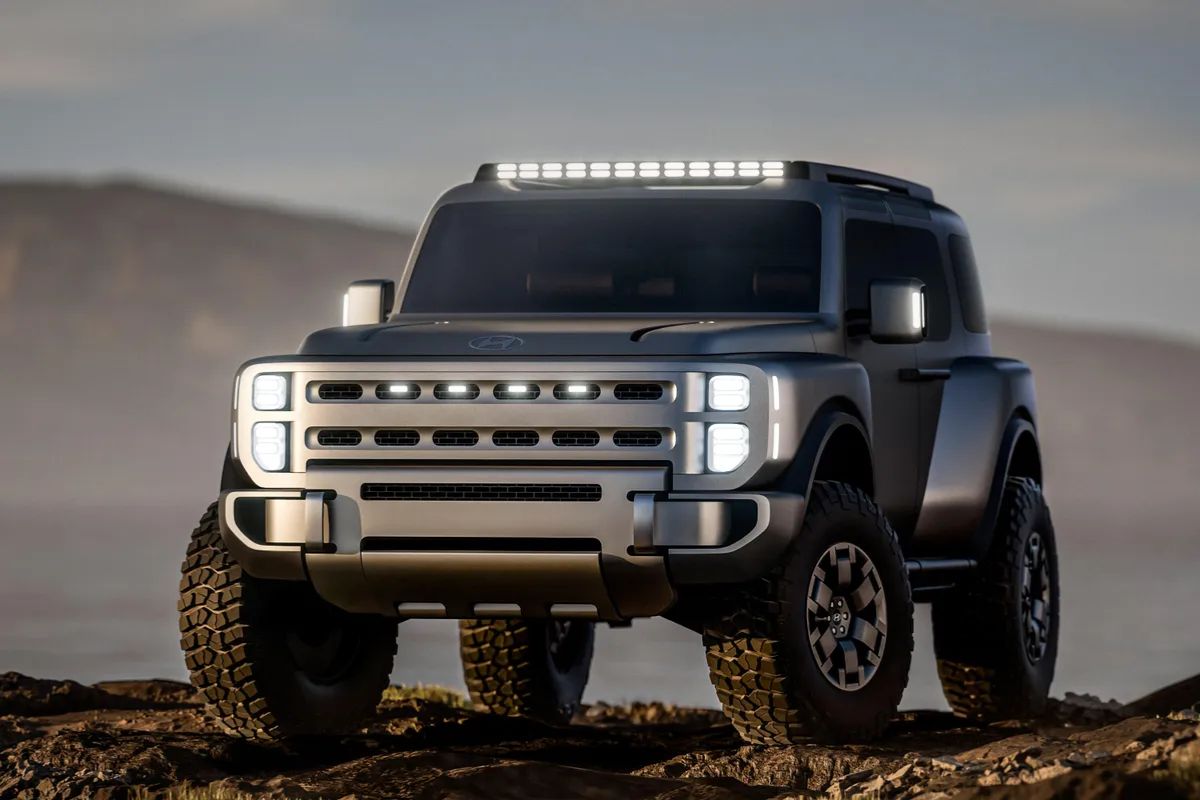
Hyundai has unveiled the Boulder, a square SUV with a body-on-frame design, 37-inch mud tires, and carriage-style doors that seems to be made to take on the Ford Bronco and the Scout Traveller in the United States.
-
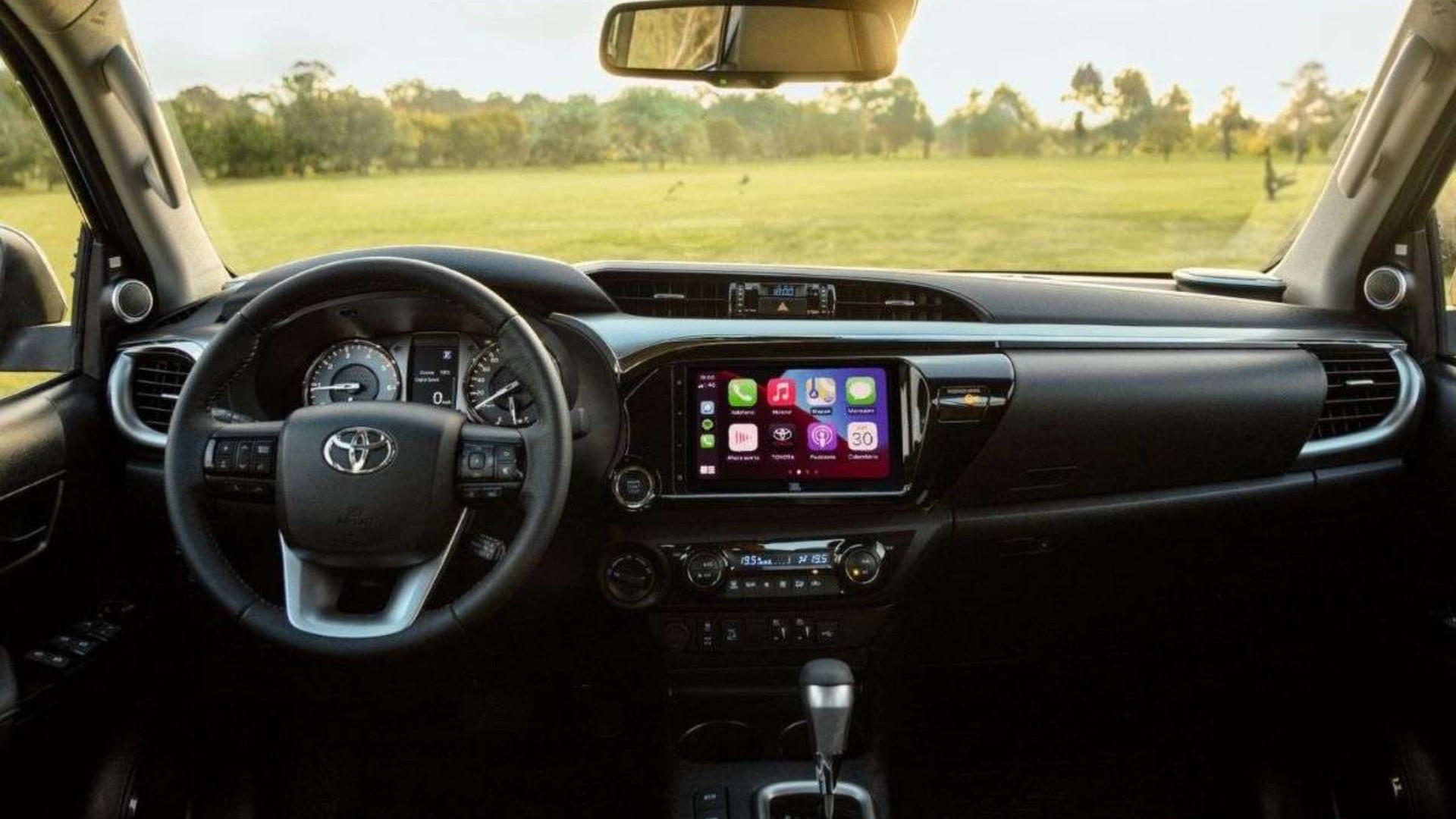
The Toyota Hilux is R$ 75.5 thousand cheaper and bets on the 2.8 turbodiesel engine with up to 204 hp and 50.9 kgfm to catch up with the VW Saveiro, which leads with 4,472 sales.
-
The new Renault Koleos has a screen exclusively for the passenger that is invisible to the driver, heated rear seats, and 29 assistance systems, but its Chinese competitors cost R$ 40,000 less and deliver more power.

Large groups have always existed in various sectors. However, in the automotive sector, the novelty was the merger of companies from different nationalities, with various brands.
This strategy, which mixes distinct industrial cultures, paved the way for new forms of cooperation.
The Weight Of Conglomerates
Today, most automakers in the world are part of some automotive group. Even brands that seem independent are within larger structures.
Honda, for example, also includes Acura, although it maintains an image of isolated operation.
But against giants like Stellantis, Volkswagen, Toyota, General Motors, and Chinese conglomerates BYD, GWM, and Geely, the strength of independent brands remains limited.
In global sales, Honda remains competitive. However, conglomerates can go further because they share platforms, factories, and even parts, reducing costs and increasing scale.
Therefore, it is easy to understand why even Honda and Nissan tried to form a partnership. The goal was to strengthen competitiveness against the giants. But, in this case, the agreement did not progress.
Stellantis Around The World
Stellantis officially emerged in 2021, following the merger between FCA and PSA. From FCA came Fiat and the Italian brands, in addition to the American brands from the former Chrysler.
From the French group side, Peugeot, Citroën, the German Opel, and the British Vauxhall, which were previously part of General Motors, joined.
Thus, Stellantis today includes the following brands: Abarth, Alfa Romeo, Chrysler, Citroën, Dodge, DS, Fiat, Jeep, Lancia, Maserati, Opel, Peugeot, RAM, and Vauxhall. It is an extensive list that covers everything from popular models to luxury vehicles.
Ferrari, which was once part of Fiat, no longer belongs to the conglomerate. However, there is a shared ownership connection.
The Agnelli family, controlling Exor, is the main shareholder of Ferrari and also of Stellantis. John Elkann, heir to the clan, presides over the automotive group.
Despite its global presence, Stellantis ranks only fifth in the world ranking of automotive groups.
It lags behind Toyota, Volkswagen, Hyundai-Kia, and the Renault-Nissan-Mitsubishi alliance. In 2024, it sold 6.5 million vehicles worldwide. For comparison, Toyota sold 10.8 million.
None of Stellantis’ brands appear among the 15 largest in the world individually. This shows that the strength of the group lies in the sum of its brands, not in a single isolated leader.
The Relevance Of Brazil
If Stellantis is not at the top globally, the story is different in Brazil. Here the group is unbeatable. In 2024, it sold 734,005 vehicles, including cars and light commercial vehicles, according to Fenabrave.
This represents 11.3% of the company’s global sales. Brazil is Fiat’s largest market and Jeep’s second largest. In addition to these two, the group also operates in the country with RAM, Peugeot, Citroën, and Abarth.
Fiat alone surpassed 500,000 units sold in 2024. Jeep reached around 120,000. Peugeot and Citroën, which have a larger presence in Europe, sold approximately 30,000 each, a volume similar to that of RAM.
All these brands have production in Mercosur, which reduces the need for imports. RAM models are the main imported vehicles.
Stellantis Factories
The conglomerate maintains five factories in the region.
In Betim (MG), the Fiat plant is the largest and may start manufacturing models from the French brands. Porto Real (RJ), formerly PSA, now produces Citroën. In Goiana (PE), the factory inaugurated by FCA produces Jeep SUVs, Fiat Toro, and, since 2023, RAM Rampage.
In Argentina, El Palomar manufactures Peugeot, while Córdoba produces Fiat, such as the Cronos and the Titano. Starting in 2025, it will also assemble RAM models.
In Uruguay, in Montevideo, Stellantis participates in Nordex, which has previously produced the Titano and now assembles commercial vehicles from various brands.
Who’s Who In Brazil
Among the group’s brands in the country, Citroën holds the entry-level position, with simpler models and affordable prices.
Fiat and Peugeot are at similar levels, but with distinct profiles. Fiat seeks volume, operating in all segments, from popular cars like Mobi to robust pickups like Titano.
Peugeot bets on design and on a public that values style, even sponsoring decoration events like Casa Cor.
Jeep and RAM are positioned as premium brands in Brazil. Jeep focuses on SUVs but also sells the Gladiator pickup.
Their models bring more technology and sophistication. In 2026, the brand is expected to launch the Avenger, a compact SUV based on platforms from Citroën and Peugeot, marking an entry into a more accessible segment.
RAM occupies the top tier. Its pickups start above R$ 200,000, and the most expensive, the 3500, can reach R$ 680,000. The proposal is to offer robustness with sophistication in a niche that is growing in the country.
A New Chapter
The growth of Stellantis in Brazil shows how a global conglomerate can adapt to different markets. The strategy of uniting brands, sharing factories, and diversifying portfolios has ensured isolated leadership in the country.
Therefore, even though the group may lag behind Toyota or Volkswagen globally, in Brazil, Stellantis remains a frontrunner.
In the next chapter of the series, attention will turn to Volkswagen, the giant that holds the second position in the Brazilian market and challenges Stellantis’ leadership.
With information from UOL.









-

-

-

5 pessoas reagiram a isso.