





 Portuguese
  English
  Spanish
  3 min of reading
  3 comments


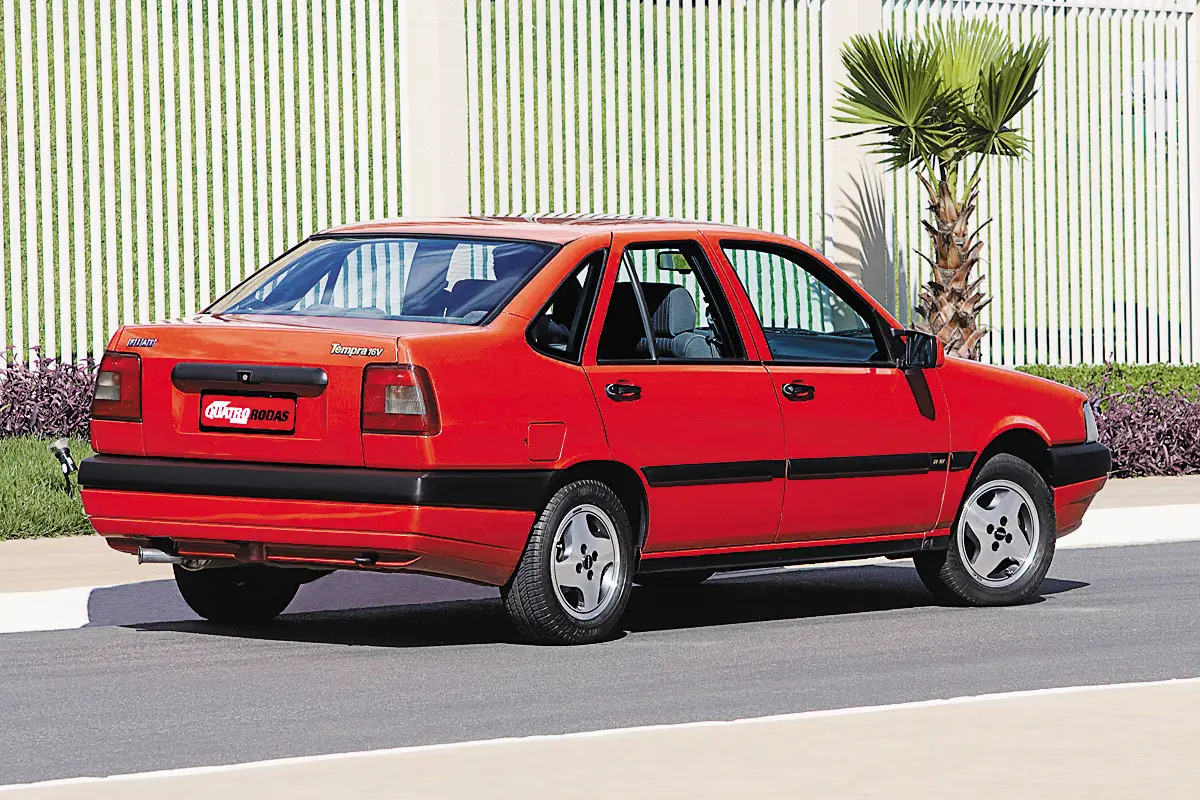


FIAT Tempra Revolutionized The National Market With Innovative Technology And Outstanding Performance. Recall Its Trajectory!
FIAT introduced the Tempra to the Brazilian market in November 1991, betting on a modern mid-size sedan to compete with established models like Volkswagen Santana, Chevrolet Monza, and Opel Vectra.
Produced in Brazil until 1998 and with over 204 thousand units sold, the car stood out as the first national sedan with a 16-valve engine, digital dashboard, and turbo version — innovations that marked the era in the segment.
The launch also represented the Italian automaker’s debut in a segment above the popular Uno and Prêmio, which dominated its sales at the time.
-
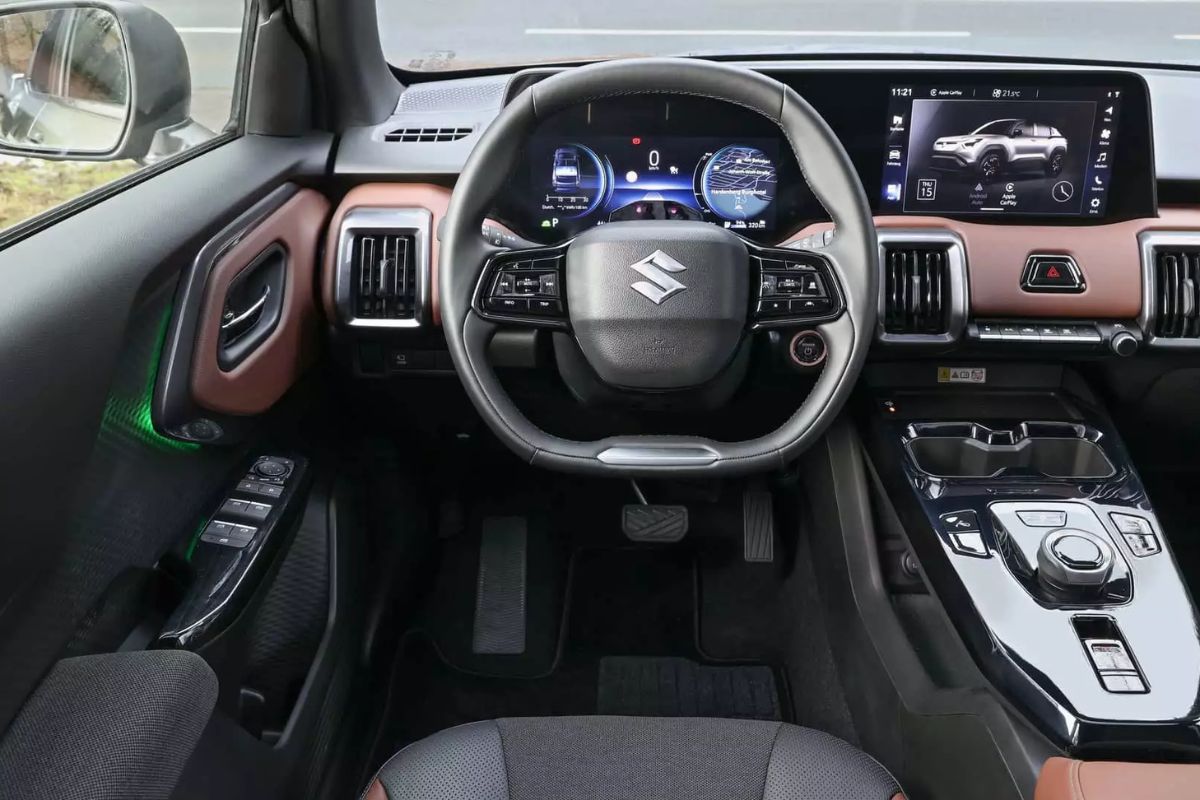
The 2026 electric Vitara arrives in Brazil and proves that Suzuki is not leaving: 4×4 traction, 184 hp, 61 kWh LFP battery, 293 km range, R$ 259,000, and a trunk capacity of 224 L.
-
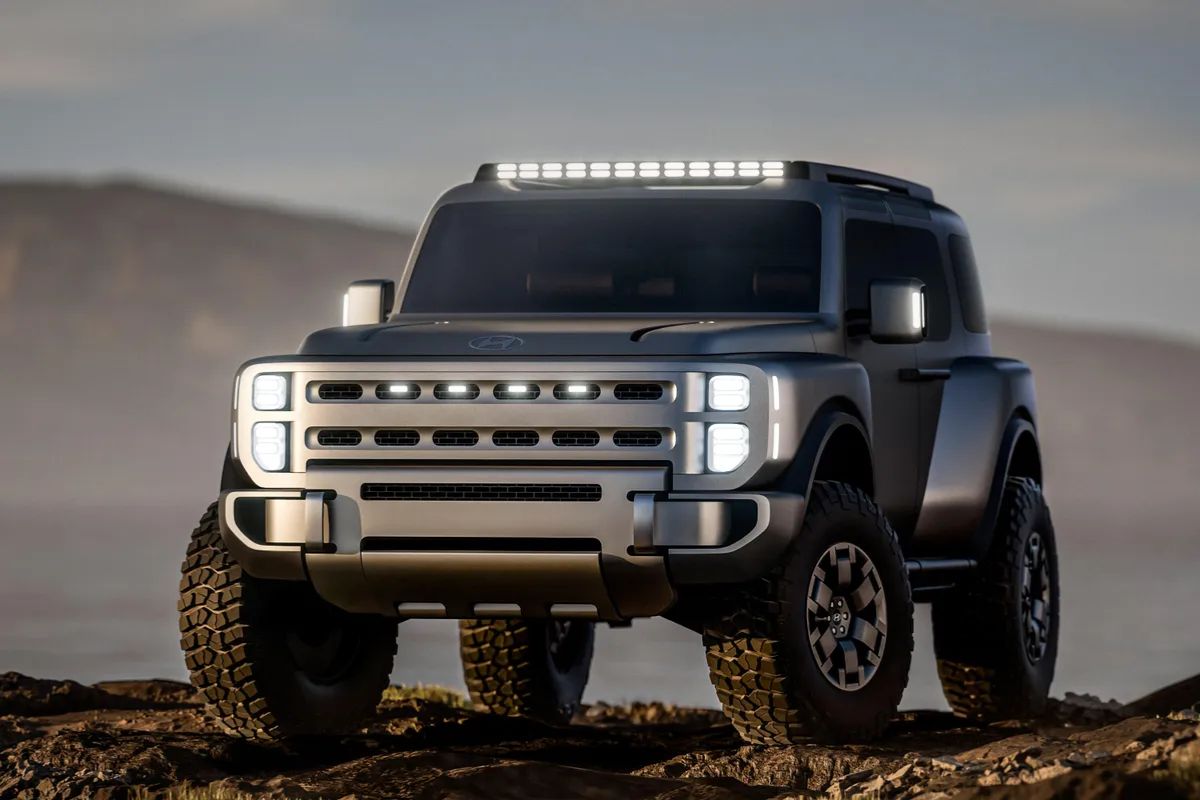
Hyundai has unveiled the Boulder, a square SUV with a body-on-frame design, 37-inch mud tires, and carriage-style doors that seems to be made to take on the Ford Bronco and the Scout Traveller in the United States.
-
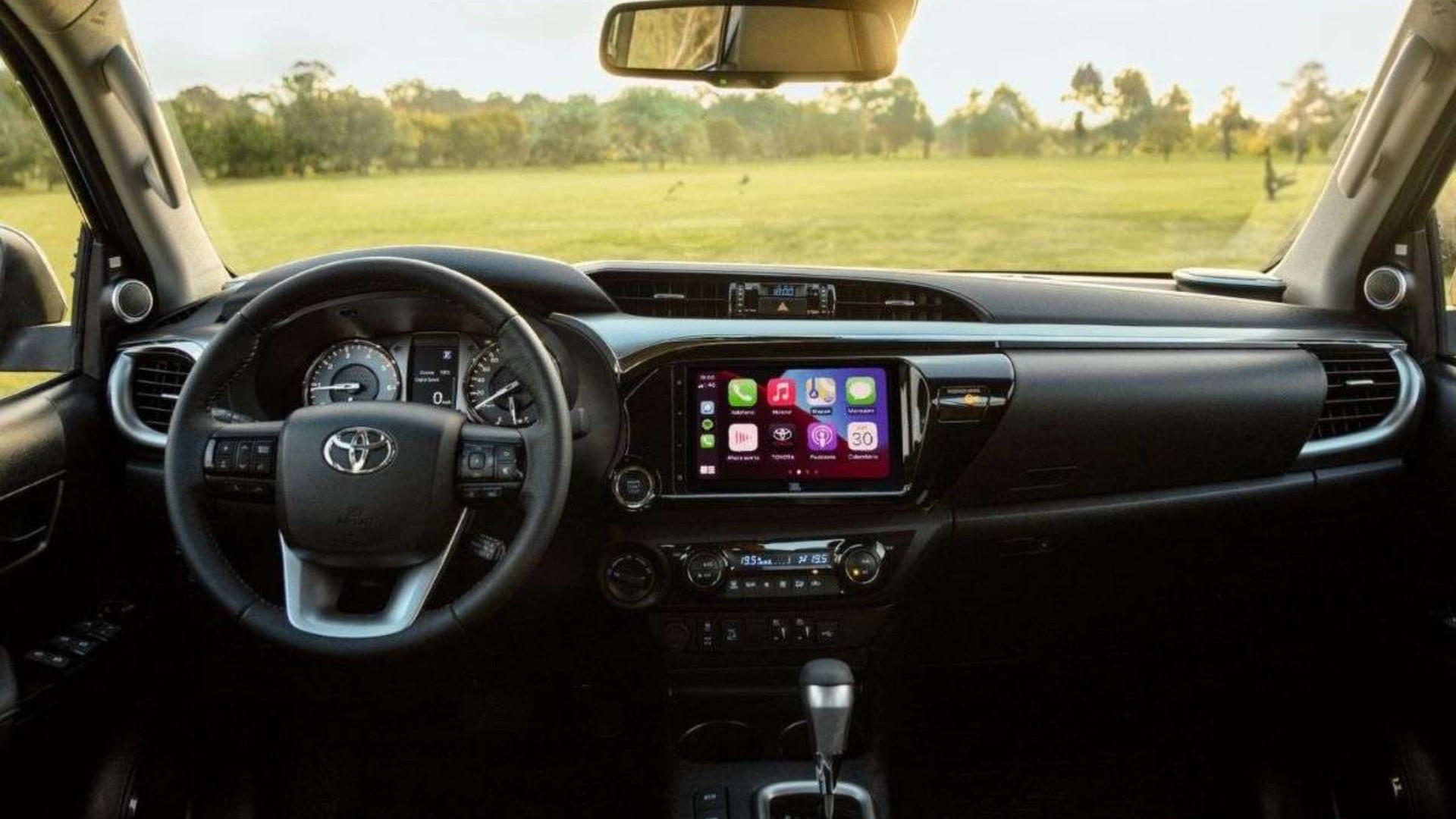
The Toyota Hilux is R$ 75.5 thousand cheaper and bets on the 2.8 turbodiesel engine with up to 204 hp and 50.9 kgfm to catch up with the VW Saveiro, which leads with 4,472 sales.
-
The new Renault Koleos has a screen exclusively for the passenger that is invisible to the driver, heated rear seats, and 29 assistance systems, but its Chinese competitors cost R$ 40,000 less and deliver more power.

Even in a competitive market, the FIAT Tempra gained ground with European design, a good equipment package, and technologies that were rare in Brazil in the early 1990s.
First Generation (1991–1993) | European Style And 2.0 8V Engine
The first phase of the FIAT Tempra came equipped with a 2.0 8-valve engine and dual-chamber carburetor, generating 99 hp.
Available in Silver and Gold versions, it offered a five-speed manual gearbox and comfort items that were uncommon in the segment, such as power steering, electric windows, and central locking in higher versions.
To maintain this level of comfort combined with the robustness required for national roads, the model underwent specific adaptations, receiving reinforced McPherson rear suspension and larger side mirrors.
Its performance, with acceleration from 0 to 100 km/h in 12.5 seconds and a top speed of 175 km/h, already placed it ahead of direct competitors.
Second Generation (1993–1996) | Electronic Fuel Injection And 16V Engine
From 1994, the FIAT Tempra received single-point SPI electronic fuel injection, raising the power to about 105 hp and improving fuel consumption. Versions such as SX and City emerged, aimed at serving everything from urban use to fleet operators.
Thus, the significant leap came with the Tempra 16V, the first national mid-size sedan with a multi-valve engine, delivering 127 hp, 0 to 100 km/h in 9.2 seconds, and a top speed of over 200 km/h.
In 1994, Fiat launched the Tempra Turbo 2-Door, with 165 hp, and the following year the Turbo Stile 4-Door version, capable of reaching up to 220 km/h. This phase consolidated the model as a reference for performance in the segment.
Third Generation (1996–1998) | Facelift And Final Stretch
In 1996, the Tempra underwent its last facelift, gaining redesigned headlights, new bumpers, and a renewed interior. The versions were renamed as SX (8V), HLX (16V), and Turbo Stile.
However, the increasingly fierce competition led to a decline in sales. In 1997, the SW station wagon and Turbo version ceased production, becoming discontinued.
The end of production occurred in October 1998, with units of the 1999 model year being sold afterward.
Tempra SW (1993–1997) | The Boldness Of The Technological Station Wagon
Imported from Italy, the FIAT Tempra SW was launched in 1993 to compete with models like Volkswagen Quantum. It came equipped with a 2.0 engine of 119 hp, digital dashboard, and a large trunk of 509 liters.
It was one of the few national vehicles to offer ABS brakes and airbags, but despite the innovations, it failed to achieve significant sales volumes. Its production ended in 1997, even before the sedan version.
The Legacy Of The FIAT Tempra
The FIAT Tempra left a mark on the national industry by introducing unprecedented technologies and raising the standard of equipment in the mid-size segment.
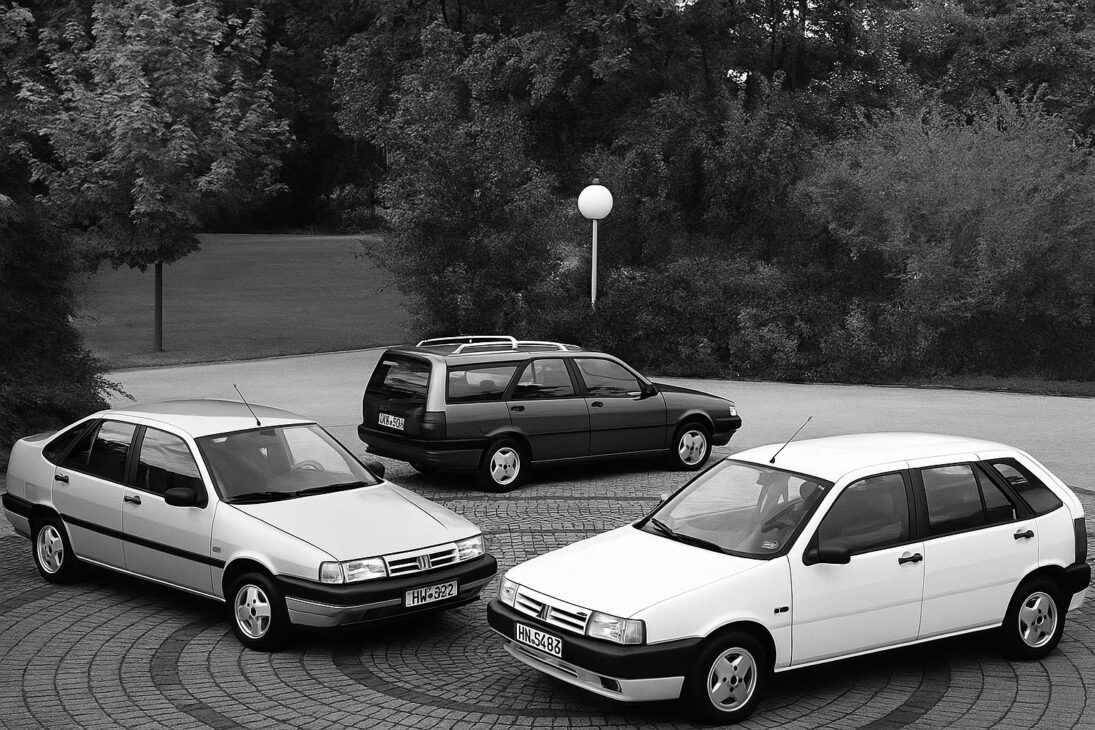
In total, 204,795 units were produced in Brazil, consolidating the model as one of the most iconic from the automaker in the 1990s.
Even after more than two decades since the end of its production, the Tempra is still remembered by enthusiasts as an example of Fiat’s technological boldness in the national market.










Tenho um 95 i.e vermelho alphine !!! Comigo a 17 anos !! Um espetáculo!!
Sou fã! Tenho um HLX, 16V, sou o único dono. Carro incrível, possui dispositivos de série e outros opcionais que ainda estão à frente do seu tempo!
Tenho um 96 8v, excelente carro, é minha relíquia.