





 Portuguese
  English
  Spanish
  4 min of reading
  0 comments


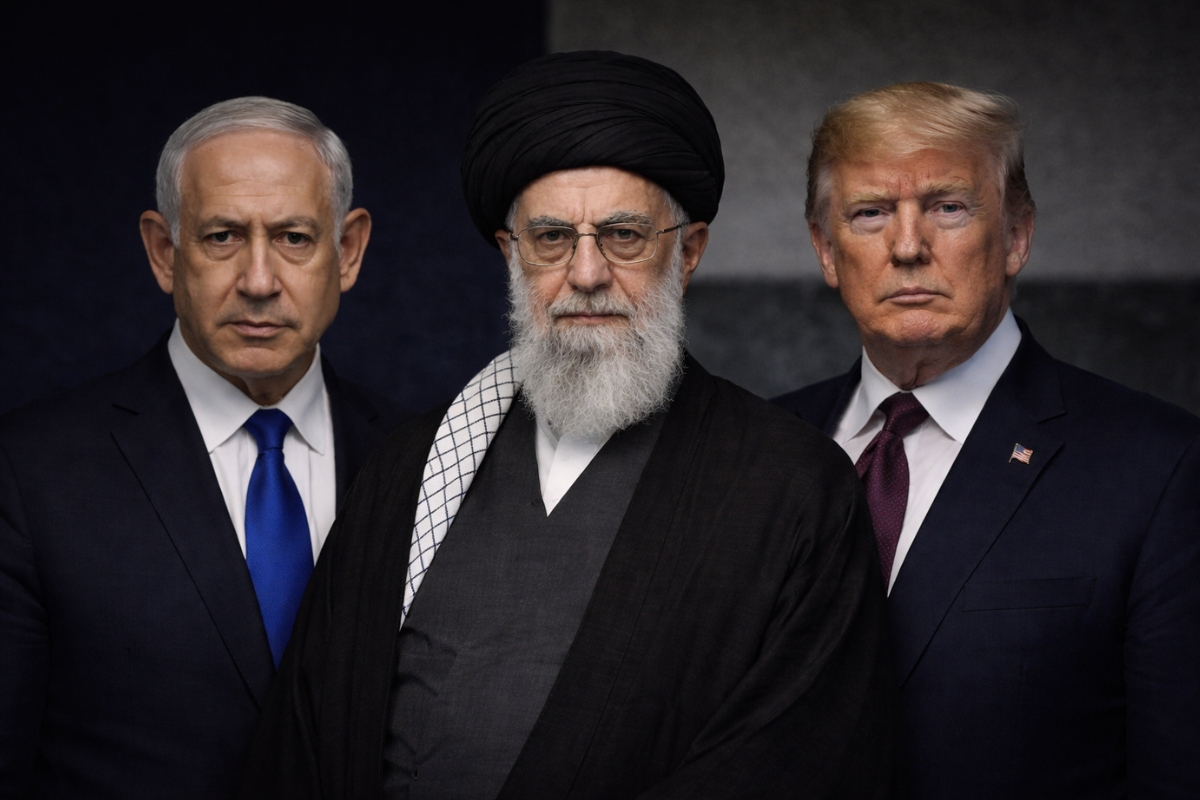
US And Israeli Bombings Target Iran To Curb Nuclear Program And Pressure Regime; An Expert Explains Why The Biggest Unknown Is Not Military Action, But The Political Impact In The Region
After the initial attack by the United States and Israel on Iranian territory, with the stated aim of curbing the military nuclear program and pressing for regime change after 47 years of the Islamic Revolution, doubts begin to surface that go beyond what is happening at military bases and targets. These are questions that help to project what might happen in the Middle East if this offensive actually leads to a regional reconfiguration.
Infobae spoke with Brian Fonseca, director of the Jack D. Gordon Institute for Public Policy at Florida International University, an expert in geopolitics, US national security, and foreign policy, to answer five questions about the attacks on Tehran and the core of Iranian power.
What Are The Objectives Of The US And Israeli Bombings Against Iran?
In the short term, Washington seeks to weaken or eliminate Iranian nuclear and military capabilities, reduce Tehran’s support for networks of allies and armed groups in the region, such as Hezbollah, and maintain continuous pressure on the regime in order to erode its internal stability and possibly stimulate political crises or domestic changes.
-
USA and China compete for Brazil over resources that could be worth trillions — rare earths put the country at the center of a global dispute

-
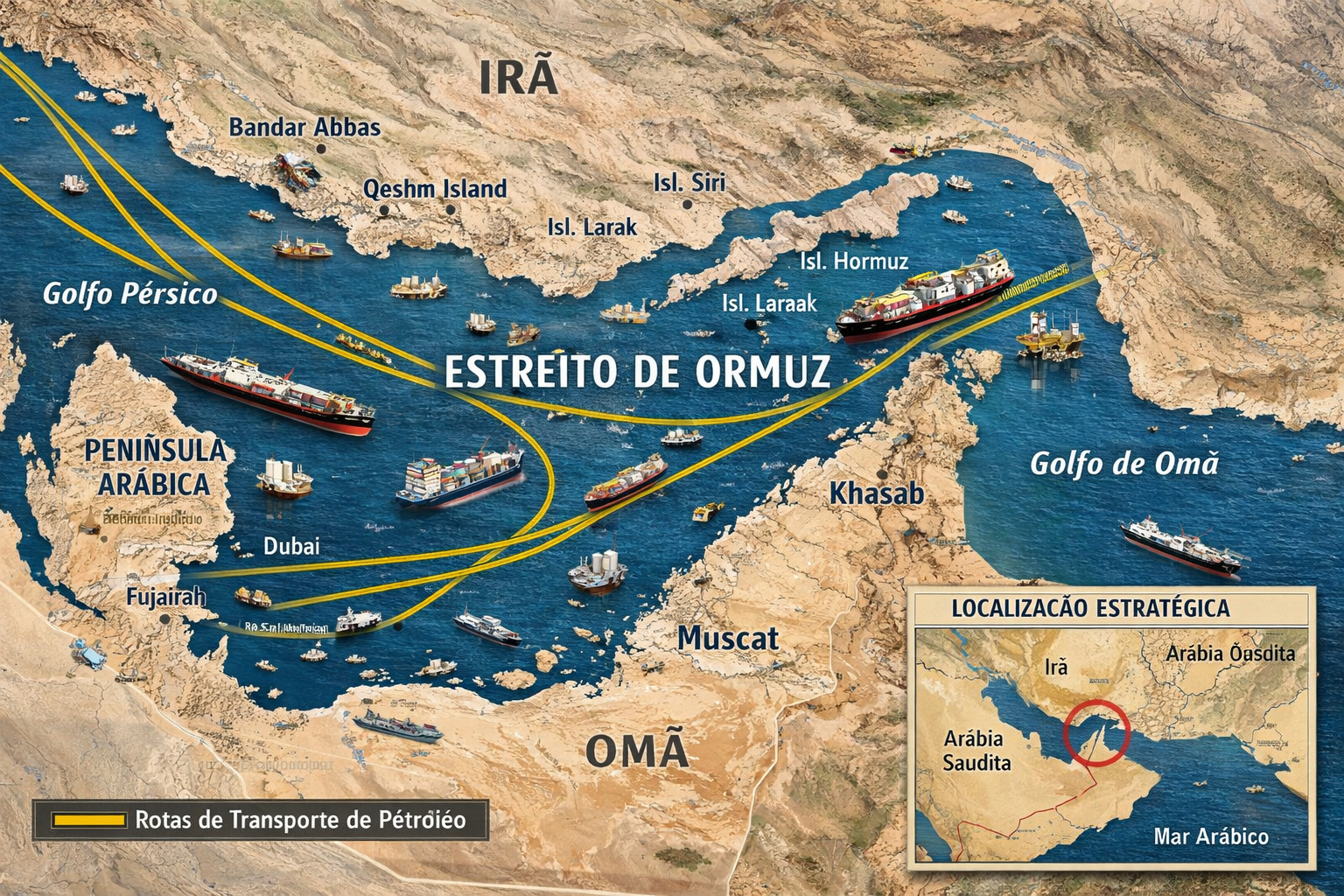
Global summit with over 40 countries pressures Iran for a blockade in the Strait of Hormuz and warns of direct impact on oil, food, and the global economy.
-
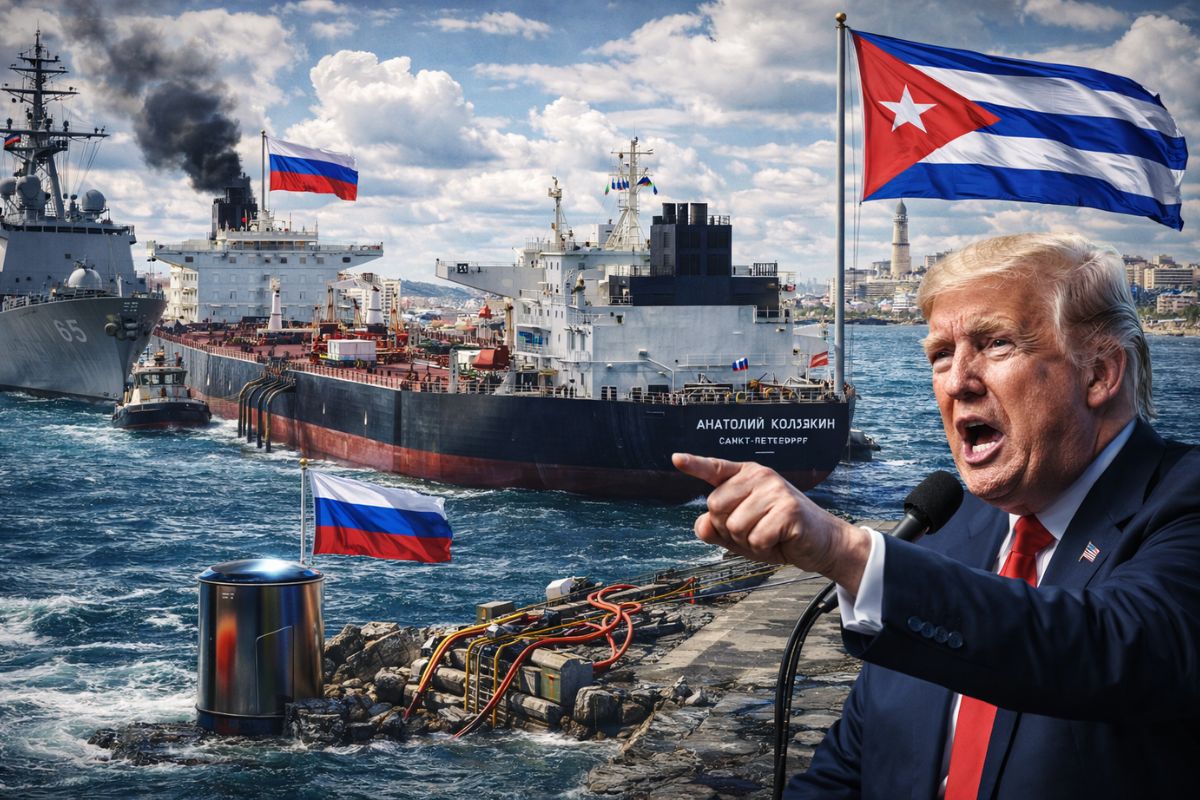
Russia has broken the U.S. maritime blockade to send oil to Cuba and is now loading a second ship while Trump says that “Cuba is next” in a possible military action against the island.
-
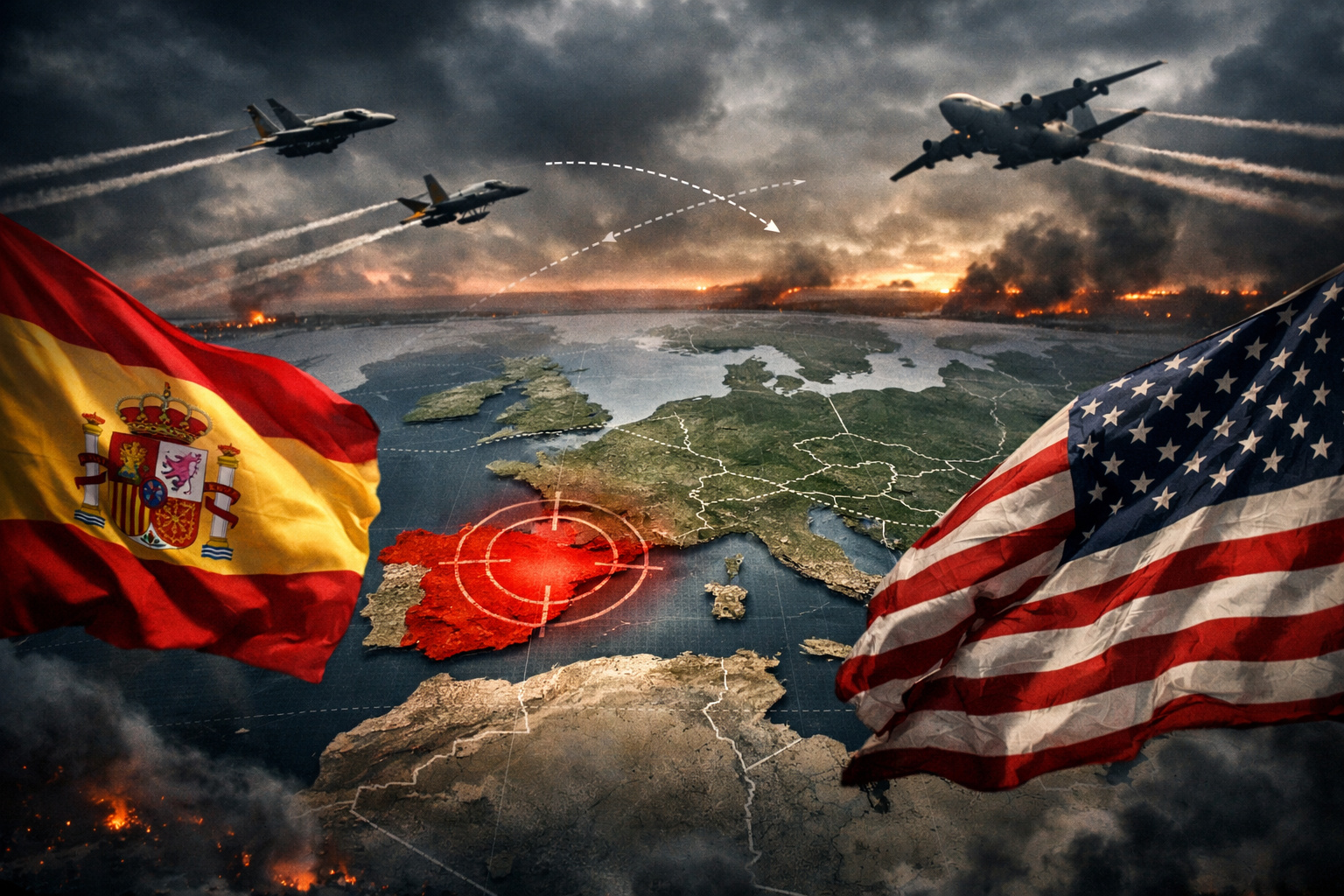
Spain challenges the USA and closes its airspace for operations against Iran, raising global tension and provoking the threat of a trade rupture.
From a broader perspective, the United States is also aiming for a redesign of energy geopolitics: increasing influence over an oil-rich country would enhance the West’s bargaining power in global flows and, indirectly, could limit China’s access to strategic inputs, a logic reminiscent of other resource-centered disputes, as seen with Venezuela.
Do The United States And Israel Pursue Exactly The Same Goals?
They are strategically aligned, but not identical in what they aim for. Both want to prevent the advancement of Iran’s nuclear program and diminish the weight of Tehran’s network of allies in the Middle East. The difference lies in emphasis: Israel treats this as an existential security necessity, while the Trump administration seems to be seeking a broader political outcome that involves reorienting Iranian behavior and, eventually, encouraging regime change.
Can These Bombings Stimulate A Coup Within The Iranian Armed Forces? Is A Regime Collapse Plausible?
Generally speaking, this operation resembles less a pinpoint action and more a coercive escalation designed to force an inflection in Iran. The hardest point to predict is not whether the military campaign achieves its immediate targets, but what it triggers politically. The consequences tend to be more unpredictable and much more difficult to control than the initial phase of operations.
If The United States And Israel Fail To Impose This Outcome, What Comes Next? And If They Succeed, What Would A New Middle East Look Like?
If the offensive fails to subdue Iran, Tehran may escalate retaliation through allies and militias, as well as missile attacks against US and Israeli targets, something that, according to Fonseca, is already underway. Another possibility is to accelerate the nuclear program in a more clandestine and underground manner.
If the United States succeeds, meaning a significant degradation of Iranian capabilities or even a regime collapse, the region may witness a weakening of the so-called “Axis of Resistance,” with a favorable strategic shift for Israel and key Gulf countries, alongside the emergence of a transitioning or even fragmented Iran.
Even so, regime changes in the Middle East tend to open up highly unstable periods: even a “success” tends to bring uncertainty and turbulence before any lasting realignment.
Finally, What Could Be The Role Of Russia And China In This Scenario?
It is unlikely that Russia and China will intervene militarily. Moscow tends to support Iran diplomatically and economically, while also potentially exploiting the crisis to divert Western attention from the war in Ukraine.
Beijing is likely to prioritize the protection of energy routes and flows, publicly advocate for de-escalation, and try to present itself as an alternative for diplomatic mediation. At the same time, it may discreetly deepen economic ties with Iran if sanctions intensify, unless the United States manages to block these initiatives.
This article was prepared based on information published on the international news site Infobae, used as a reference for contextualization and analysis of the facts presented.








Seja o primeiro a reagir!