





 Portuguese
  English
  Spanish
  5 min of reading
  0 comments


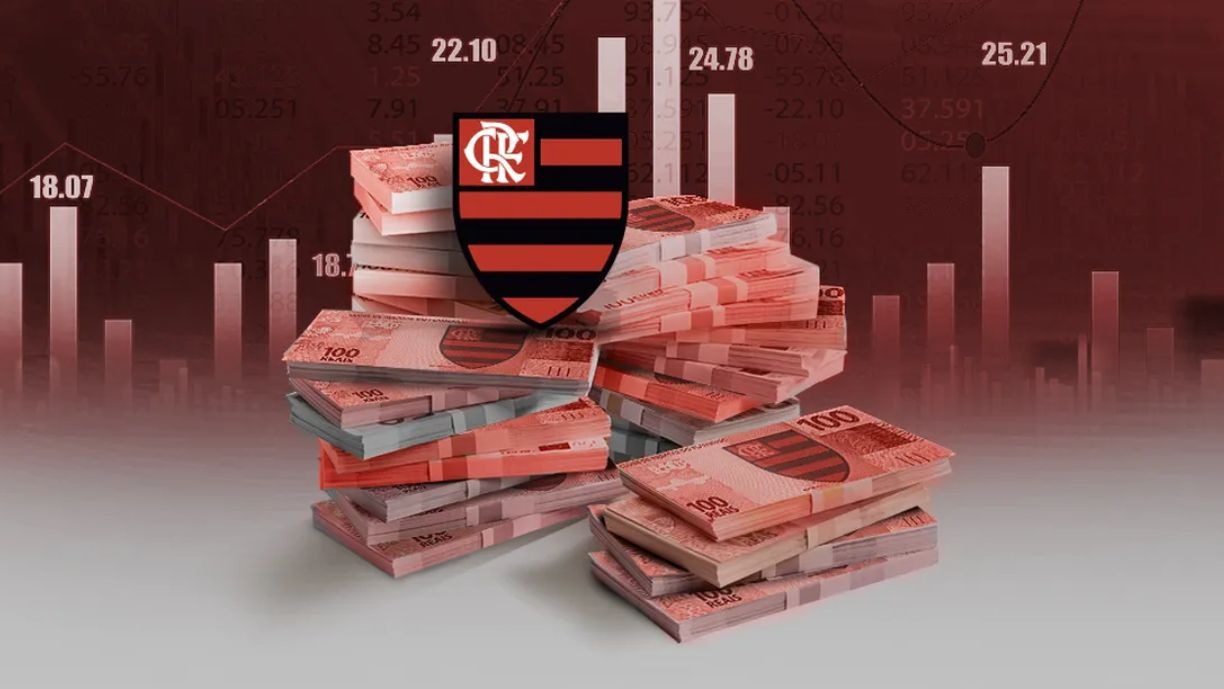
Evolution Shows How the Club Came Out of Millions in Debt in 2012 to Become a Reference in Revenue in Brazilian Football
How did Flamengo become such a financially sound football club? This question circulates in the stands, in bars, and even among rival fans.
To answer, it is necessary to look at a transformation process that began over a decade ago.
The club reduced heavy debts, increased revenues, and managed to build a solid financial base that today sustains billion-dollar investments. Below is the detailed journey of how Flamengo became an economic example.
-
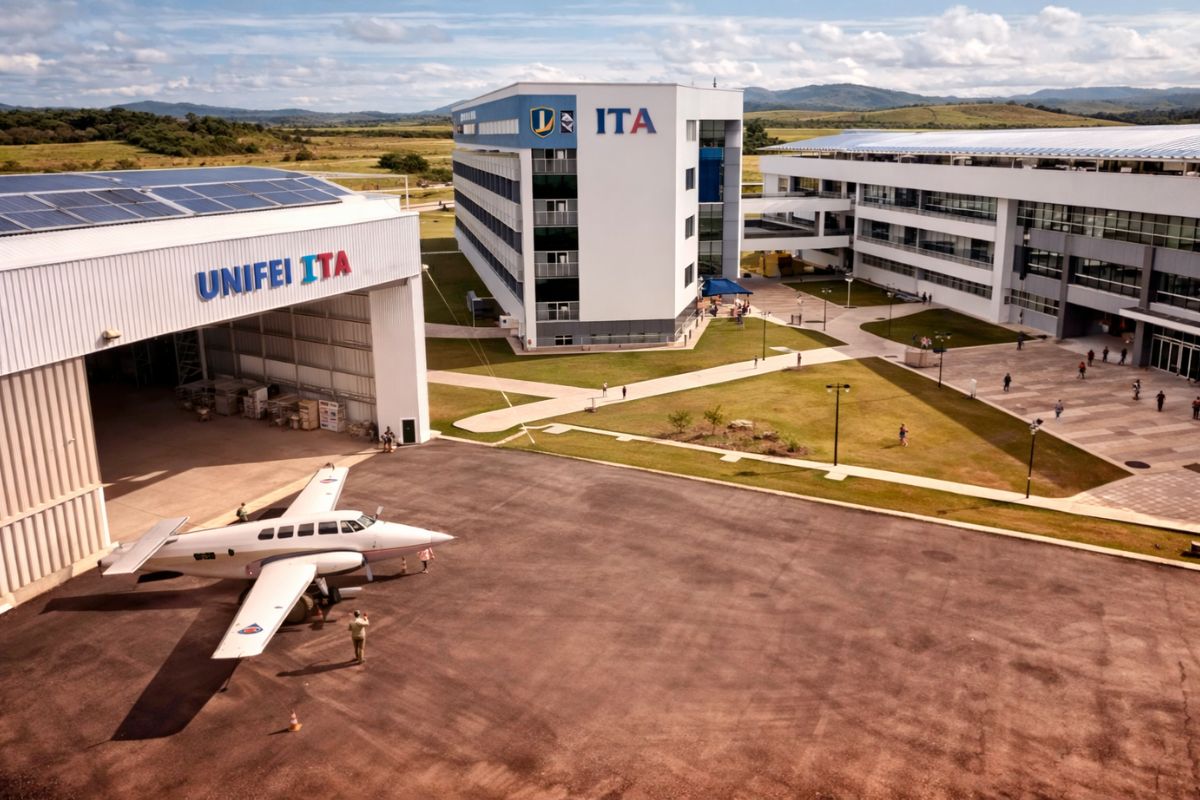
The institute that trained the greatest aerospace engineers in Brazil has just opened its first campus outside São Paulo after 75 years: ITA Ceará will have R$ 445 million, new courses in energy and systems, and classes are expected to start in 2027.
-
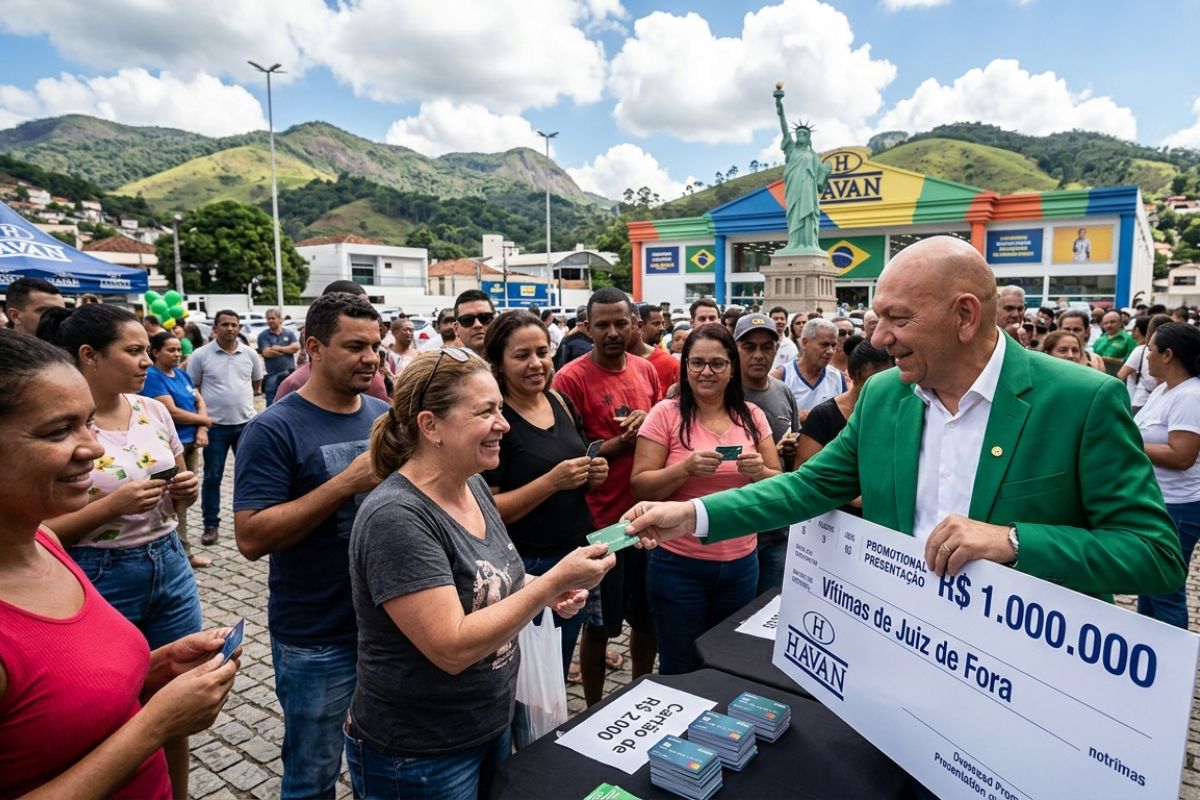
Luciano Hang, owner of Havan, goes to Juiz de Fora after the tragedy in February, brings R$ 1 million, hands out R$ 2,000 cards, and donates up to R$ 15,000 to victims in the region.
-
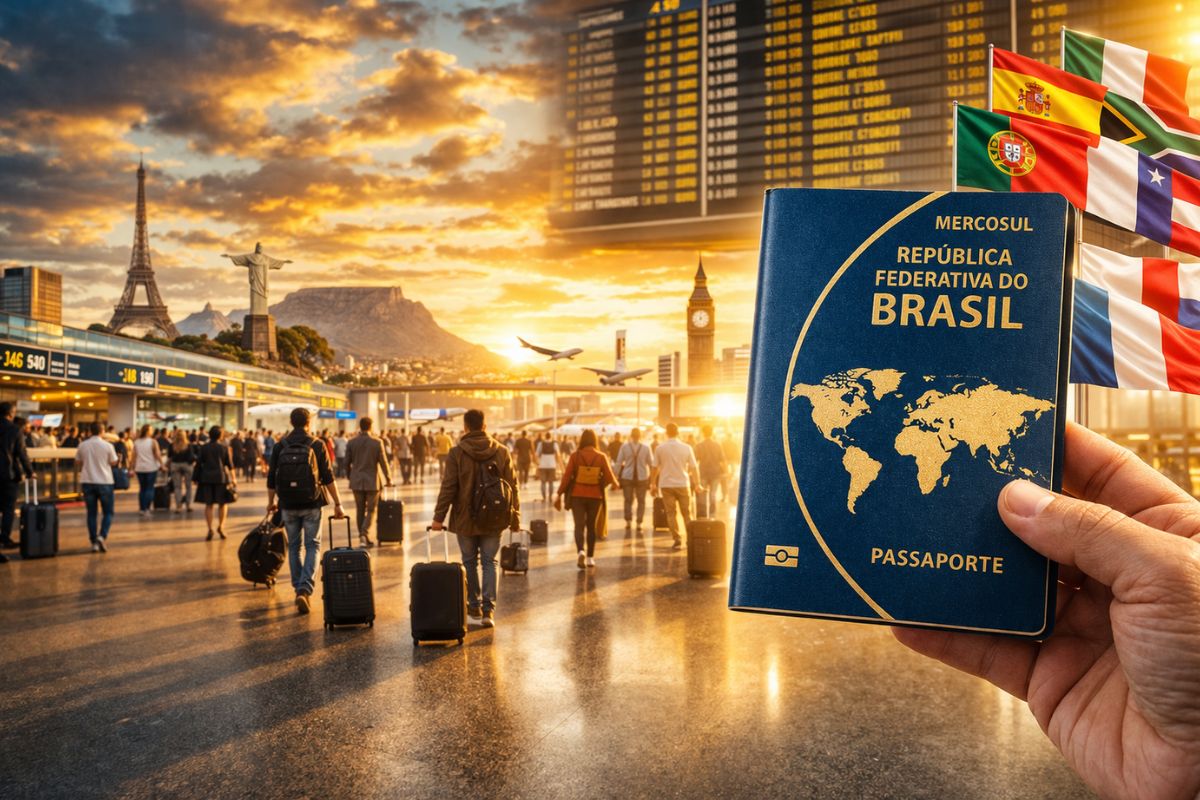
The Brazilian passport allows legal residence in dozens of countries without the need for a prior visa, and most Brazilians are unaware that they can apply for residency directly upon arriving in nations in South America, Africa, and even Europe.
-
Petrobras sends a message to Brazilian truck drivers after fuel collapse and reveals plan to have 100% domestic diesel.


The Turning Point with Eduardo Bandeira de Mello
At the end of 2012, Eduardo Bandeira de Mello assumed the presidency with a clear mission: to organize the accounts.
The club accumulated a debt of R$ 737 million, with R$ 400 million in tax liabilities.
There was no credibility to negotiate with banks, suppliers, or star athletes.
The initial goal was simple: pay off debts and increase revenues.
In 2013, Flamengo already showed signs of recovery. The debt fell to R$ 667 million, and revenue rose to R$ 267 million.
The following year, revenue reached R$ 342 million, and in 2015, it hit R$ 350 million, with debt reduced to R$ 554 million.
The most symbolic leap occurred in 2016, when revenue (R$ 490 million) exceeded debt (R$ 472 million) for the first time in decades.
2013-2015: Austerity and Focus on Debt Reduction
Between 2013 and 2015, the priority was debt repayment. The approval of Profut was decisive.
The program extended about R$ 300 million of tax debts over 20 years, giving breathing room to the cash flow. Bandeira personally got involved in negotiations in Brasília and classified the agreement as a victory.
During this period, the squad was cheaper but still competitive.
The title of the Copa do Brasil in 2013 bolstered confidence in the work. Revenue from fans also grew.
The “Nação Rubro-Negra” program, launched in 2013, turned fans into a stable source of revenue. The collected amount jumped from R$ 25 million in 2012 to R$ 83 million the following year.
Another highlight was progress in marketing.
In 2014 and 2015, Flamengo raised over R$ 115 million from the commercial area, reducing dependence on television.
In 2015, only 37% of revenues came from TV quotas, down from 55% in 2012.
2016-2018: Reinforcements Without Financial Madness
With Bandeira’s reelection, the strategy changed.
The club, now more organized, began investing in major signings.
Diego arrived in 2016. Everton Ribeiro was signed in 2017. Vitinho landed in 2018. The club only allowed these moves because it had the financial capacity to do so.
Between 2016 and 2018, Flamengo raised R$ 718 million from television and another R$ 217 million from player sales. The transfer of Vinicius Jr to Real Madrid in 2017 yielded 45 million euros.
At the same time, debts decreased. In 2018, the total fell to R$ 455 million. Bank debt, which had reached R$ 162 million in 2015, was reduced to only R$ 25 million.
Labor debts also fell: from R$ 193 million in 2012 to R$ 60 million in 2018.
The number of lawsuits in the Labor Court plummeted because the club started fulfilling severance obligations and making agreements.
2019: Aggressiveness in the Market and Titles
With the election of Rodolfo Landim in 2019, the promise was bold: to assemble an unbeatable team. There were nine signings, including Gabigol, Arrascaeta, Gerson, Bruno Henrique, and Filipe Luís. The negotiation for Arrascaeta, for example, became the largest in the history of Brazilian football, costing around 15 million euros.
The on-field result was immediate. Flamengo won the Libertadores, the Campeonato Brasileiro, and the Carioca in the same year. The strategy of spending more brought both sporting and financial returns.
In 2019, despite a debt of R$ 574 million, revenue reached R$ 652 million. Just from player sales, R$ 295 million was raised.
Continuous Growth and the New Reality
The next decade consolidated Flamengo’s position as a financial powerhouse.
The club managed to generate over R$ 1 billion in four consecutive years. Recurring revenue surpassed R$ 1.2 billion, an unprecedented level for a Brazilian team.
This strength came from diversifying revenue streams. In addition to television quotas and player sales, the club relied on the fan membership program, marketing, and sponsorships.
Credit capacity also grew, allowing for impactful recruitment investments.
The Balance Sheet of 2024
The year 2024 brought new records and also new challenges. Flamengo reported a gross revenue of R$ 1.334 billion, the largest in its history.
However, net operational debt increased to R$ 327 million, and the club recorded a deficit of R$ 734 thousand.
The debt increase is linked to two factors: investments in the squad and the purchase of the Gasômetro land, where Flamengo intends to build its own stadium.
Only with player signings, expenses reached R$ 415 million, the highest amount since 2019.
The balance sheet also details other figures: recurring revenue stood at R$ 1.227 billion, Ebitda at R$ 271 million, and operational costs and expenses at R$ 935 million.
In addition, the club ended the fiscal year with negative working capital of R$ 182 million, reflecting a reduction in cash and an increase in short-term obligations.
A Delicate Balance
Therefore, Flamengo’s trajectory shows how a club can transform through planning and financial discipline.
The Rubro-Negro moved from a suffocating debt in 2012 to billion-dollar revenue in 2024.
The challenge now is to balance high investments in athletes with maintaining healthy accounts.
Bandeira de Mello himself, responsible for initiating the turnaround, summarized the situation by stating that everything was achieved without patrons and shortcuts.
Flamengo reached this level with its own revenue generation, reinforcing the extent of the effort.
The recent history shows that the support of fans, sponsorships, marketing, and good management were pillars of this process.
The club that was once seen as a debtor without credibility now negotiates on the same level as global giants.
The future, however, will depend on the ability to maintain discipline while dreaming even higher.










-

-

8 pessoas reagiram a isso.