





 Portuguese
  English
  Spanish
  4 min of reading
  12 comments


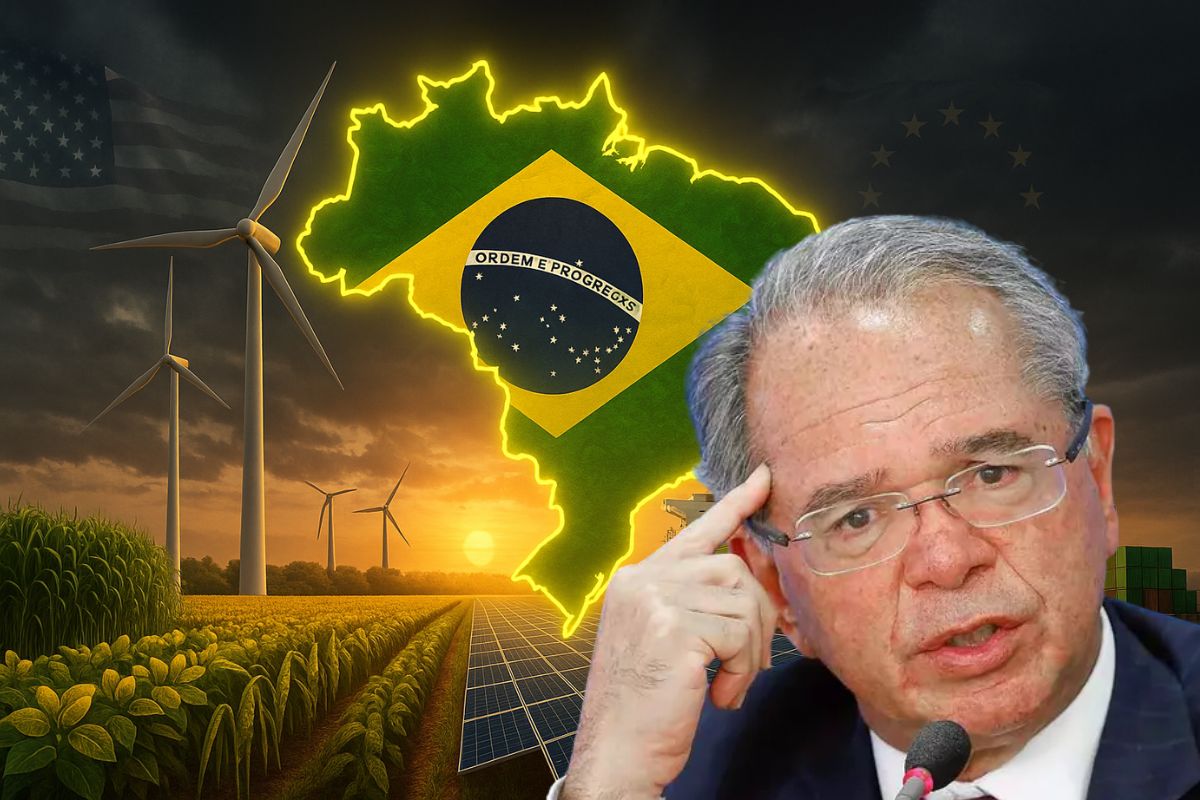


Former Minister Of Economy Points Out That Wars And Political Tensions Shake The West While Brazil Gains Attention For Agribusiness, Renewable Energy And Green-Shoring
The economist Paulo Guedes, former Minister of Economy, argues that the current international turbulence does not represent a failure of capitalism, but rather a crisis of Western democracy. In his view, conflicts such as the war in Ukraine and tensions in the Middle East fuel a conservative wave in countries like the United States, Italy and El Salvador, marked by discourses of law, order and immigration restrictions.
Meanwhile, Brazil emerges as one of the big winners of global reconfiguration. The country would have unique competitive advantages by combining robust agribusiness, an electric matrix with 85% renewable sources, and the ability to attract investments through friend-shoring and green-shoring, strategies that prioritize allied and sustainable countries.
The Clash Between Globalization And Western Politics
Paulo Guedes organizes his analysis starting from the post-World War II, when the Marshall Plan rebuilt Germany and Japan, and subsequent globalization integrated China and India. The entry of 1.5 billion Asian workers into global supply chains would have pressured wages and led to the deindustrialization of the West, according to the economist.
-
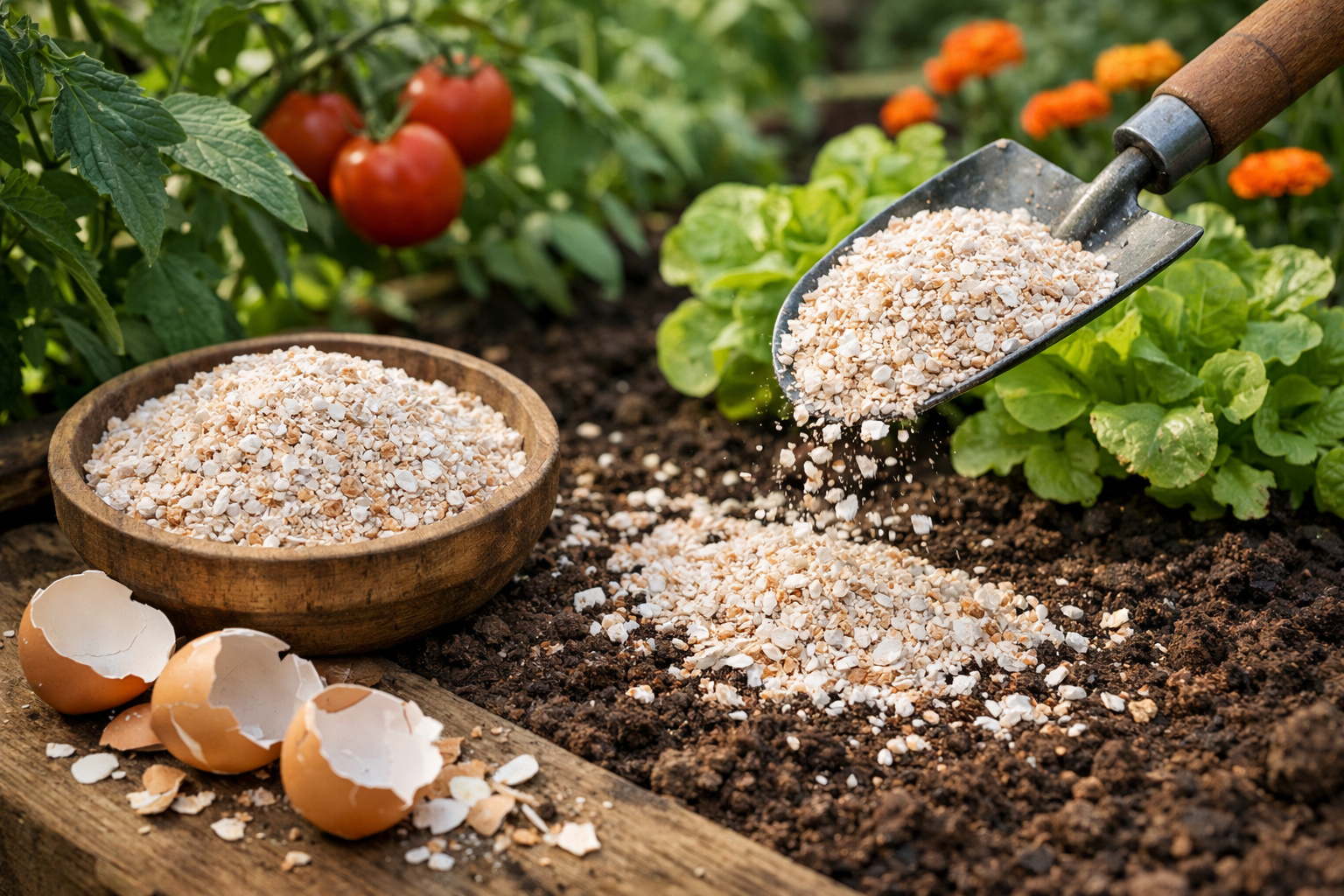
The eggshell that almost everyone throws away is made up of about 95% calcium carbonate and can help enrich the soil when crushed, slowly releasing nutrients and being reused in home gardens and vegetable patches.
-
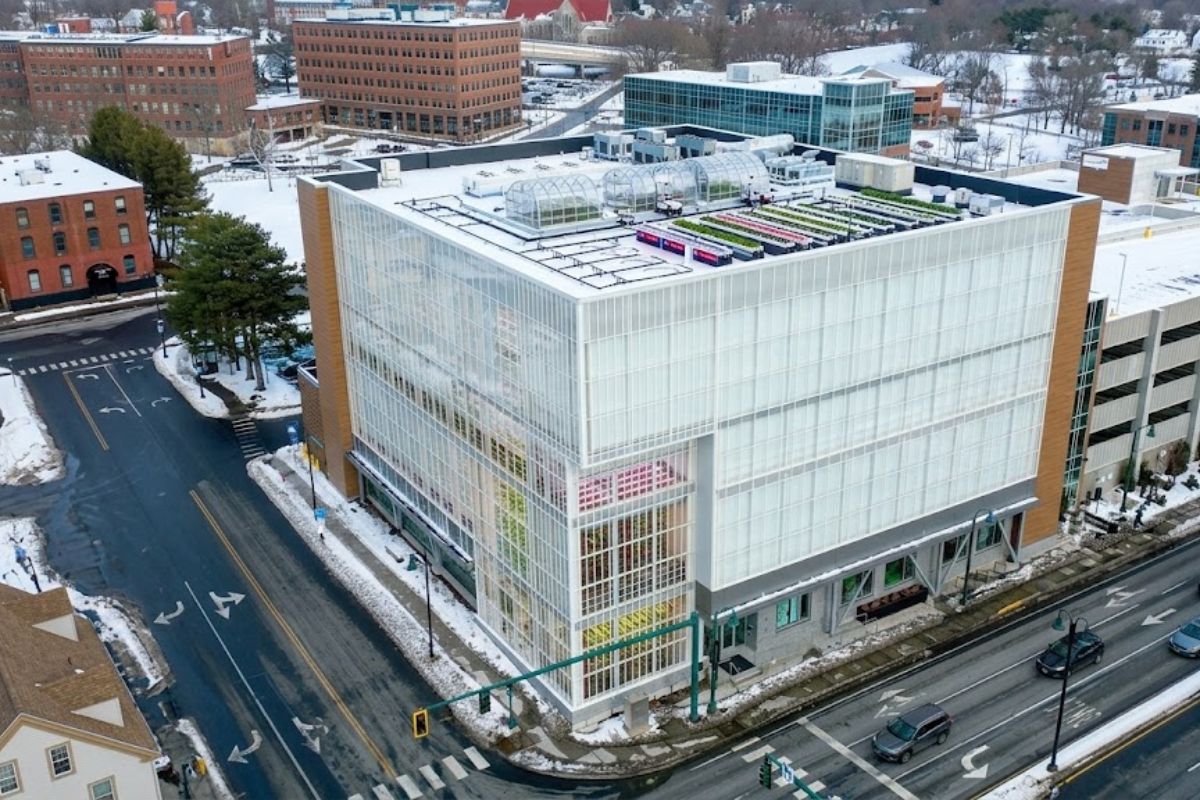
This farm in the United States does not use sunlight, does not use soil, and produces 500 times more food per square meter than traditional agriculture: the secret lies in 42,000 LEDs, hydroponics, and a system that recycles even the heat from the lamps.
-
The water that almost everyone throws away after cooking potatoes carries nutrients released during the preparation and can be reused to help in the development of plants when used correctly at the base of gardens and pots, at no additional cost and without changing the routine.

-
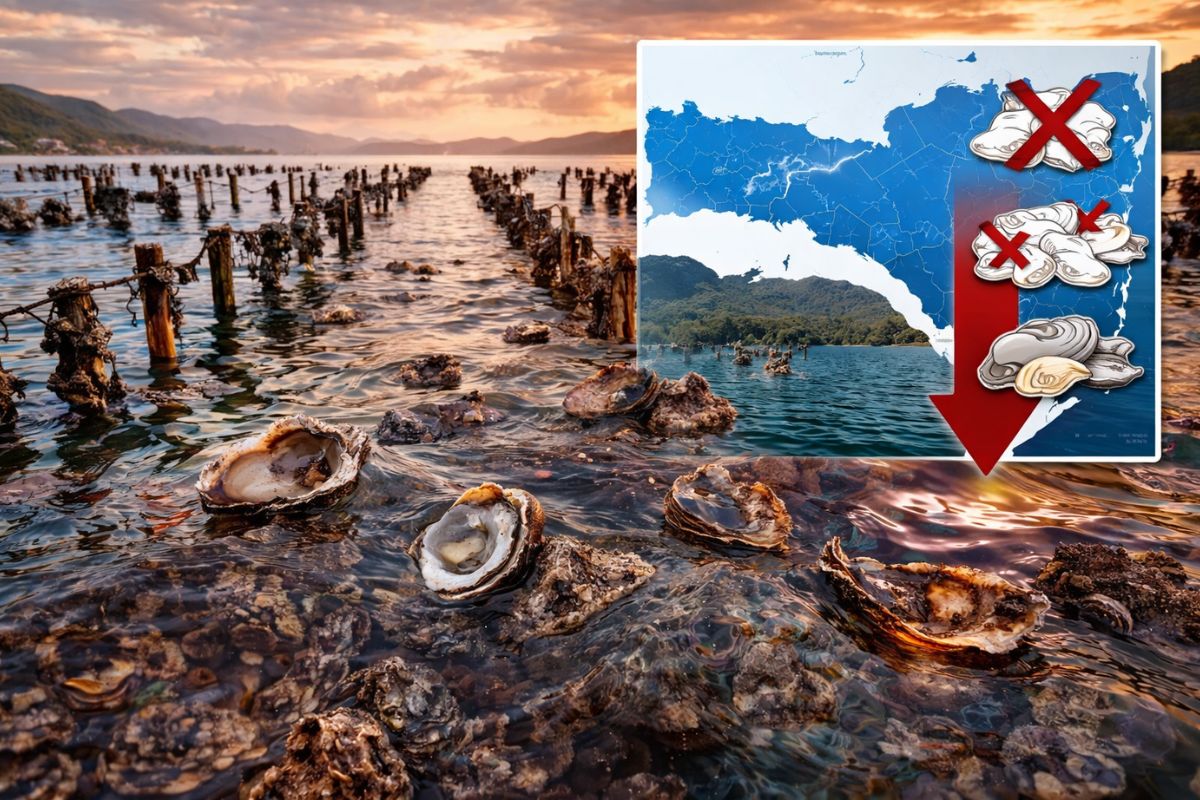
The sea water temperature rose from 28 to 34 degrees in Santa Catarina and killed up to 90% of the oysters: producers who planted over 1 million seeds lost practically everything and say that if it happens again, production is doomed to end.

This scenario fueled a social and political resentment, expressed in conservative reactions led by figures such as Donald Trump (USA), Giorgia Meloni (Italy), and Nayib Bukele (El Salvador). Guedes points out that the political crisis in the West stems from the difficulty in dealing with the effects of globalization, rather than a failure of capitalism.
Brazil: From Deindustrialization To Green Protagonism, According To Paulo Guedes
When analyzing the Brazilian case, Guedes criticizes the excessive taxes, such as IPI and ICMS, and the economic closure, which would have encouraged the flight of industries — such as the footwear sector from Vale dos Sinos — to China. These products, once domestic, have become reimported, deepening deindustrialization.
Now, however, the country would have the conditions to turn the tide. Guedes highlights that Brazil has consolidated itself as an agrifood power, supplying an essential part of global demand. Furthermore, with 85% renewable energy in its matrix, the country stands out as a natural destination for projects in green hydrogen, clean ammonia, sustainable steel, and data centers.
Foreign Trade Shows A Change Of Axis
A data used by Guedes illustrates the change in the scenario: in 2000, Brazil traded US$ 3 billion with China and US$ 3 billion with France. By 2020, trade with the Chinese soared to US$ 110 billion, while trade with France was only US$ 7 billion.
This reconfiguration reinforces that the global economic axis has shifted to Asia, and Brazil, with a strategic position and abundant natural resources, can benefit as a central link between different economic blocs.
The New Geopolitical Fragmentation
According to Guedes, the world is heading towards a fragmentation into areas of influence. The United States would tend to prioritize the NAFTA (USA, Mexico, and Canada), while Russia, China, and groups from the Middle East reinforce regional tensions. For the economist, NATO was wrong not to integrate Russia after the end of the Soviet Union, wasting a chance for pacification.
He also differentiates wars, which destroy the enemy’s military capacity, from terrorism, which seeks to destabilize through violence and provoke disproportionate reactions. These factors, according to him, fuel the political crisis in the West.
Opportunity For Brazil In The New Cycle


Paulo Guedes concludes that Brazil could be one of the biggest beneficiaries of the new global economic redesign. The country brings together food security, clean energy, and strategic position, essential factors in times of competition for more resilient supply chains.
To achieve this, he advocates opening the economy, reducing taxes, and adopting pragmatism as a way to attract investments that are already seeking sustainable alternatives. The message is clear: while the West faces political crises, Brazil has room to lead the next economic cycle.
And what do you think, do you believe that Brazil is really prepared to assume this global prominence pointed out by Paulo Guedes? Or could the internal political risk hinder this path? Leave your opinion in the comments — we want to hear from those who follow this debate closely.









Acho que o Brasil não deve baixar a guarda. Deve buscar o diálogo através dos meios jurídicos e comerciais. Aplica-se a lei da reciprocidade até que os órgãos internacionais apresentem uma resposta ao Governo Americano sobre o tarifaço.
Já diziam meus avós: Desconfie de um homem pelado (P. Guedes) que te oferece uma roupa “boa e barata”. Esse **** deveria estar no julgamento hoje junto com o resto da ORCRIM!!! KKK ..
O chiCAGO boy não passa de um vendilhão da pátria.