





 Portuguese
  English
  Spanish
  6 min of reading
  1 comment


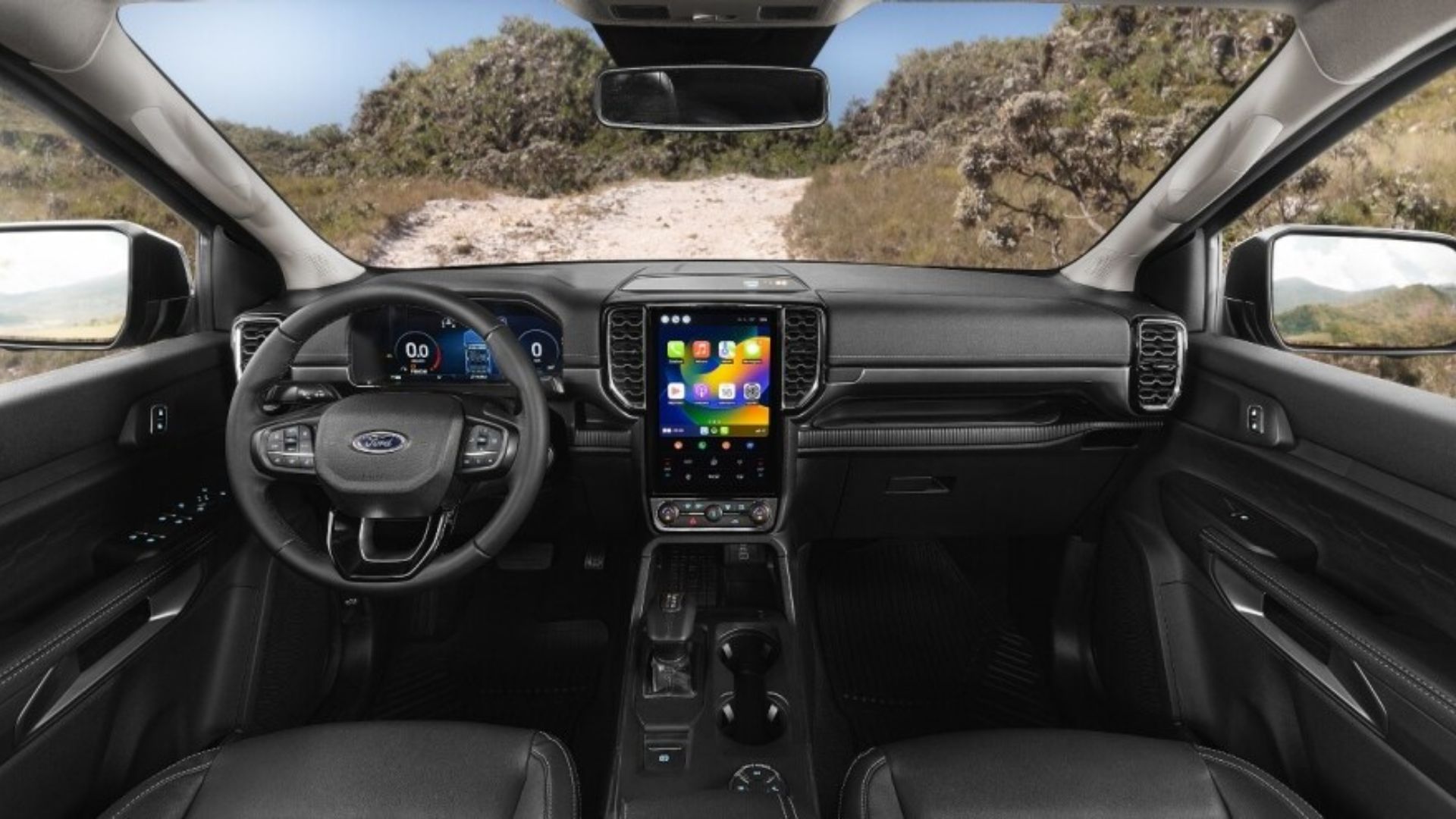


Medium Pickup Used Draws Attention For Competitive Price, High Load Capacity And Powerful 2.5 Flex Engine, Creating Alternative To Zero KM Versions Of Compact Models; Robustness, Performance And Larger Size Influence Purchase Decision.
The Ford Ranger equipped with 2.5 flex engine and single cab, from the so-called fourth generation, has established itself as a robust medium pickup option in the used market, especially for those who need to carry a lot of weight but do not want to pay the price of a zero-kilometer pickup.
Measuring approximately 5.35 meters in length, nearly 3.22 meters in wheelbase, and chassis over longitudinal beams, the model was designed for professional use and now appears as an alternative to compact pickups like the Fiat Strada Endurance, often with a lower price in many ads.
Used Market For The 2.5 Flex Ranger
In the segment of work pickups, the Ranger 2.5 flex single cab typically ranks among the most accessible mid-size options in stores and classified platforms.
-
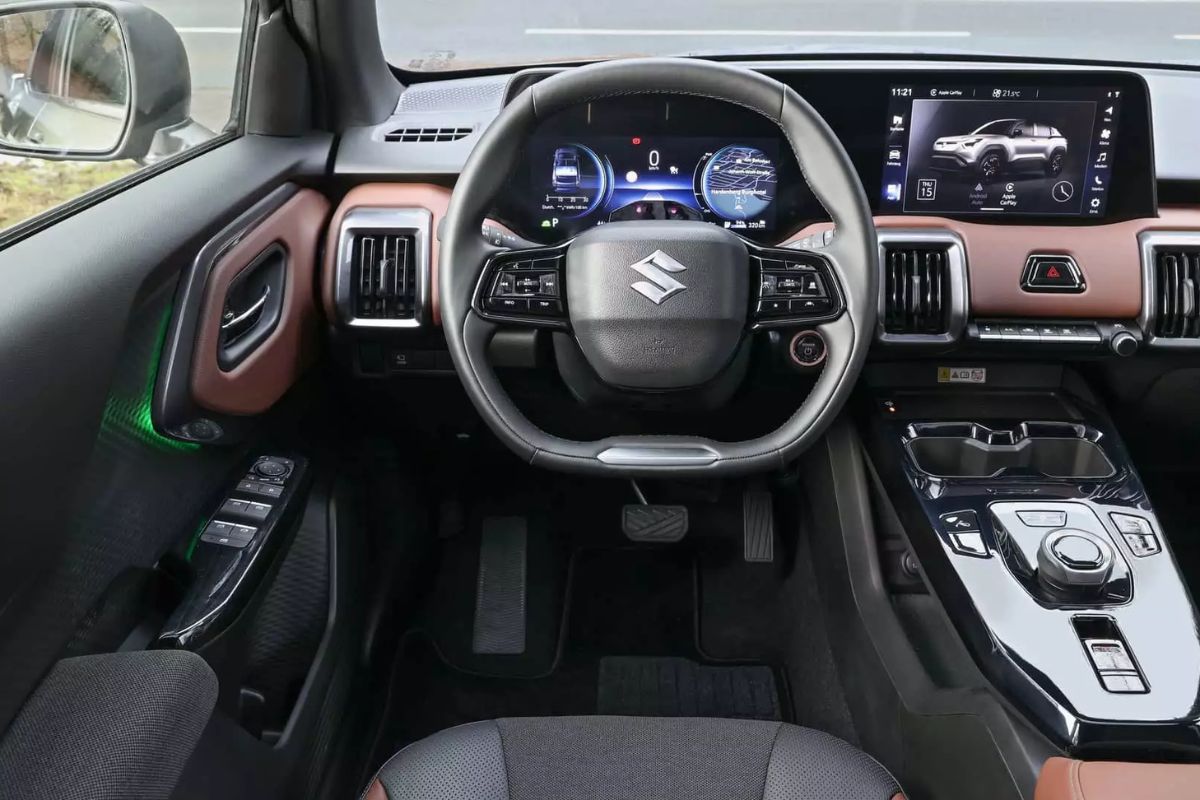
The 2026 electric Vitara arrives in Brazil and proves that Suzuki is not leaving: 4×4 traction, 184 hp, 61 kWh LFP battery, 293 km range, R$ 259,000, and a trunk capacity of 224 L.
-
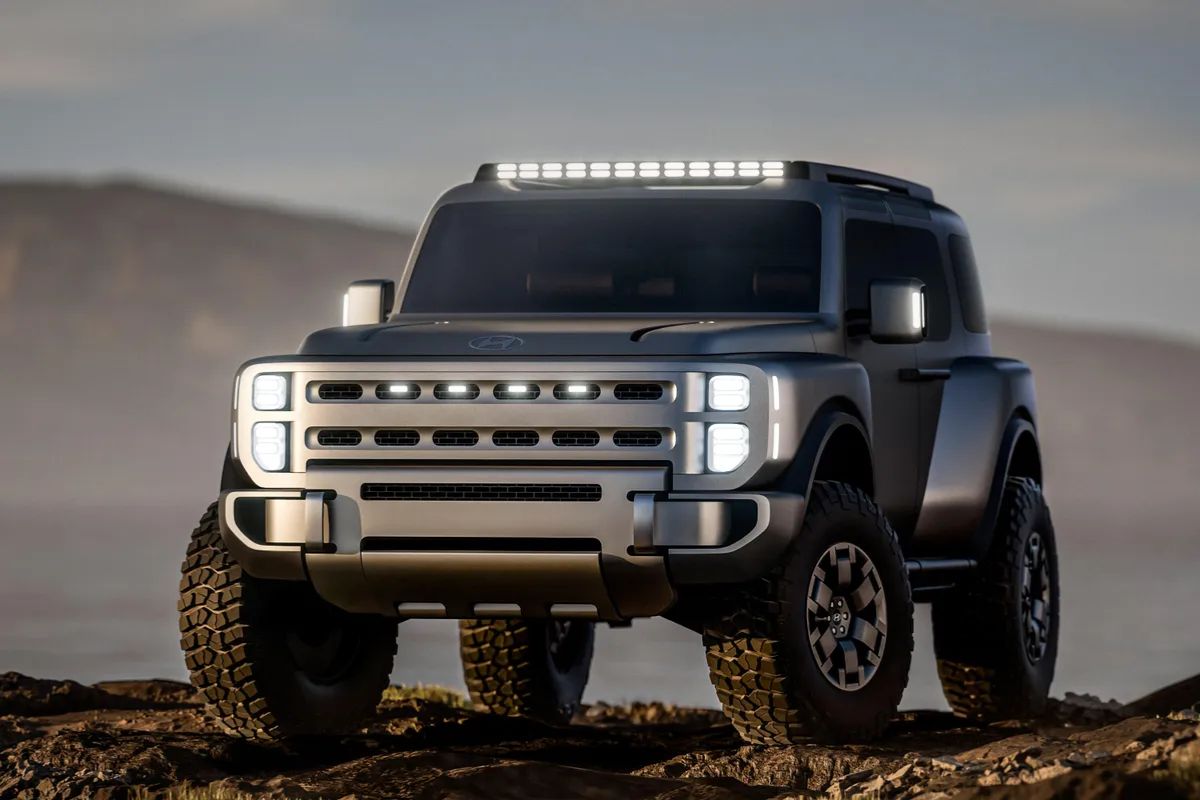
Hyundai has unveiled the Boulder, a square SUV with a body-on-frame design, 37-inch mud tires, and carriage-style doors that seems to be made to take on the Ford Bronco and the Scout Traveller in the United States.
-
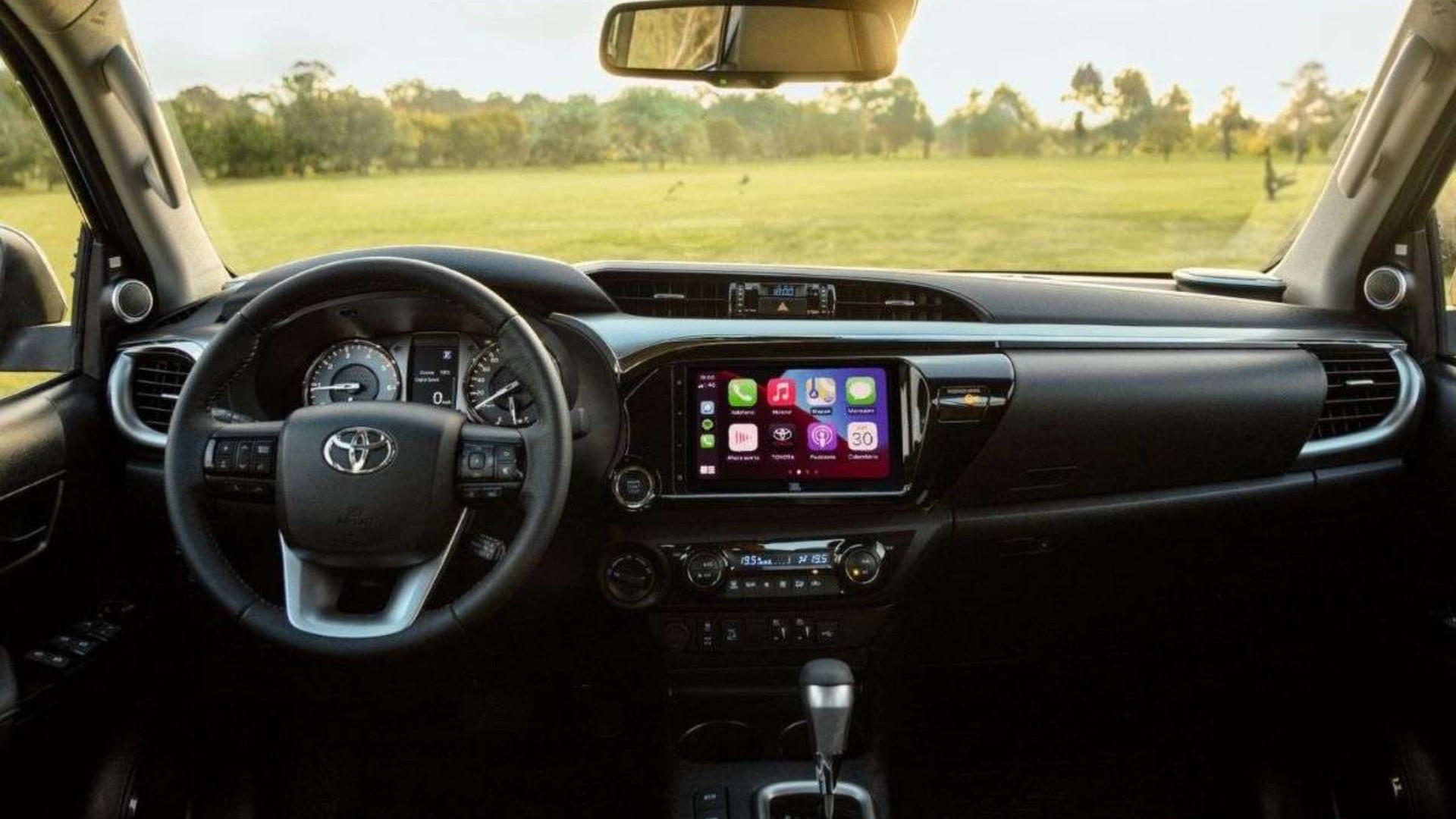
The Toyota Hilux is R$ 75.5 thousand cheaper and bets on the 2.8 turbodiesel engine with up to 204 hp and 50.9 kgfm to catch up with the VW Saveiro, which leads with 4,472 sales.
-
The new Renault Koleos has a screen exclusively for the passenger that is invisible to the driver, heated rear seats, and 29 assistance systems, but its Chinese competitors cost R$ 40,000 less and deliver more power.
According to the reference table, a sample of Ranger 2.5 CS XLS 4×2 flex model 2014 appears around R$ 80 thousand, a value that serves only as an average for the national market, varying according to condition, mileage, and region.
Despite this average value, surveys on vehicle sales sites show units of this same version listed in the range of R$ 70 thousand to R$ 90 thousand, with some higher mileage or older models, like 2013 or 2014, being offered slightly below R$ 75 thousand.

In other cases, depending on the provenance and maintenance history, the asking price goes up a bit but still remains close to or below the amount charged for zero-kilometer compact pickups aimed at work.
On the other hand, the new Fiat Strada Endurance 1.3 single cab, aimed at the professional audience, appears with a reference price around R$ 90 thousand to R$ 95 thousand in the Fipe Table, while the suggested price by the manufacturer for the entry-level version approaches R$ 100 thousand, according to recent market data.
In practice, this means that a used Ranger in good condition, even above R$ 75 thousand in many ads, can still cost less than a zero-kilometer Strada Endurance in dealership networks.
This scenario helps explain the combination mentioned in the title: a medium pickup with 2.5 flex engine producing up to 173 hp, a chassis with longitudinal beams, and larger truck dimensions occupying the price range traditionally associated with simpler compact models, especially when considering the market for pre-owned and used vehicles.
Dimensions, Chassis And Load Capacity
The Ranger of this generation uses a traditional medium pickup design, with a body mounted on a chassis with longitudinal beams, a typical solution for models aimed at severe use in construction, farming, and cargo transport.

In the single cab configuration, the length is around 5.351 meters, while the wheelbase reaches 3.220 meters, measurements that reinforce the larger size compared to compact pickups.
These proportions directly reflect in the bed.
The XLS 2.5 flex single cab version offers about 1,800 liters of volume, with a useful capacity of approximately 1,455 kg, according to reference technical sheets and materials from the time.
This is practically double the load capacity of many small pickups, including the Strada Endurance single cab, which carries up to 720 kg and has a bed of around 1,354 liters.
In practice, this means that the Ranger can transport over 700 kg more useful load compared to the Strada aimed at work, while still maintaining a larger bed volume.
For those who need to carry heavy tools, building materials, agricultural supplies, or bulky equipment, this difference heavily weighs in on the choice, especially when the operation requires fewer trips or greater safety margins regarding the load limit.
In addition to the larger bed, the longer wheelbase favors stability on the road with a full load, although it may require more care in urban maneuvers and tight parking spaces.
The chassis with longitudinal beams, more rigid and prepared to support weight concentrated on the rear axle, is one of the arguments that brings the Ranger closer to typical applications of fleet operators, farmers, and small regional transport companies.
2.5 Duratec Flex Engine And Performance

Under the hood, the Ranger 2.5 flex uses the Duratec 2.5 16V engine, a four-cylinder inline unit with multipoint electronic injection and variable timing.
Fueled with ethanol, the unit delivers up to 173 hp, while with gasoline the power is around 168 hp.
The torque is around 24.7 kgfm with ethanol and 24 kgfm with gasoline, numbers that guarantee comfortable performance for loaded driving or on highways, especially when compared to smaller pickups with 1.3 or 1.4 engines.
The transmission is manual with 5 gears, with rear-wheel drive 4×2 in the versions aimed at lighter urban and road use.
There are also variants with 4×4 drive in the Ranger lineup as a whole, but the highlighted configuration here, single cab 2.5 flex XLS, focuses precisely on the simpler 4×2 solution, more aimed at acquisition and maintenance costs.
Specialized press tests conducted at the time of launch emphasized that the engine has enough power to handle the vehicle’s mass and the load in the bed, but with higher fuel consumption than that of compact pickups, especially in urban use and with a full rear compartment.
On the other hand, the performance gain compared to 1.3 and 1.4 engines is often noticeable during acceleration and climbs, which can mean less effort on daily routes with maximum load.

For those considering the cost per kilometer traveled, the equation tends to be as follows: the Ranger consumes more fuel but delivers load capacity and performance that often eliminates the need to resort to light trucks or more than one vehicle for the same type of service.
Equipment And Professional Focus
Even being a model focused on professional use, the Ranger 2.5 XLS single cab is not completely spartan.
Technical sheets and catalogs from the time indicate the presence, in most units, of front airbags, ABS brakes, power steering, air conditioning, and electric locks, in addition to adjustable steering column.
In some units, especially from the more recent production years, stability and traction controls also appear, items that contribute to safety in emergency situations, especially with a loaded bed.
In the cabin, the space is designed for two occupants, prioritizing the basic comfort of the driver and a passenger, with simple seats but adequate for prolonged use.
The declared focus of the version is to serve small businesses, service providers, and farmers seeking a vehicle with known mechanics, a good assistance network, and robustness for traveling on dirt roads, poorly maintained roads, and regional highways.


Those migrating from a compact pickup to the Ranger also notice the difference in dynamic behavior typical of medium pickups: rear suspension with leaf springs, a feeling of greater structural robustness, and a higher driving position.
On the other hand, one must deal with a larger turning radius, extra care in tight parking spots, and costs for tires and parts compatible with the vehicle’s size.
In this context, a direct comparison with the Strada Endurance helps to delineate the profile of each model.
The Strada offers cheaper maintenance, smaller dimensions, and more contained consumption, but carries around 720 kg in the bed.
On the other hand, the Ranger 2.5 flex, with its 1,455 kg load capacity, proves to be more suitable for those who frequently explore the weight limit and need to transport larger volumes in fewer trips.
Considering reference prices, load capacity, performance, and usage costs, which makes more sense for your daily life today: investing in a used Ford Ranger 2.5 flex, with the size of a medium pickup and almost 1.5 tons of useful capacity, or opting for a zero-kilometer Fiat Strada Endurance, with less space but more favorable fuel consumption and warranty?









Foto do interior do modelo novo e video da 2020🤦♂️