





 Portuguese
  English
  Spanish
  4 min of reading
  0 comments


Ford Makes Impactful Announcement Shaking Up The Automotive Industry And Leaving The Market Anxious. With Possible Drastic Changes And New Strategies At Play, The Future Of The Brand And Its Competitors Gains A New Perspective.
Recently, Ford Surprised The Automotive Industry By Announcing The Cancellation Of A Three-Row Electric SUV That Was In Development To Compete With Industry Giants Like Kia And Volvo.
The Investment In This Project, Estimated At Around 2 Billion Dollars, Was Already Generating High Expectations.
However, The Automaker Abruptly Decided To Halt The Project, Disrupting The Market And Fueling Speculation About The Future Of Vehicle Electrification.
-
Honda performs miracles in fuel consumption with a hatch that marks 13.2 km/l in the city and 15 km/l on the highway, leaving Polo, HB20, 208, and Onix behind and becoming a reference among compact cars without resorting to turbo or hybrid systems.

-
Six diseases that seem common but can prevent the renewal of the driver’s license for the elderly throughout Brazil and surprise experienced drivers — could any of them affect you without showing clear signs?

-
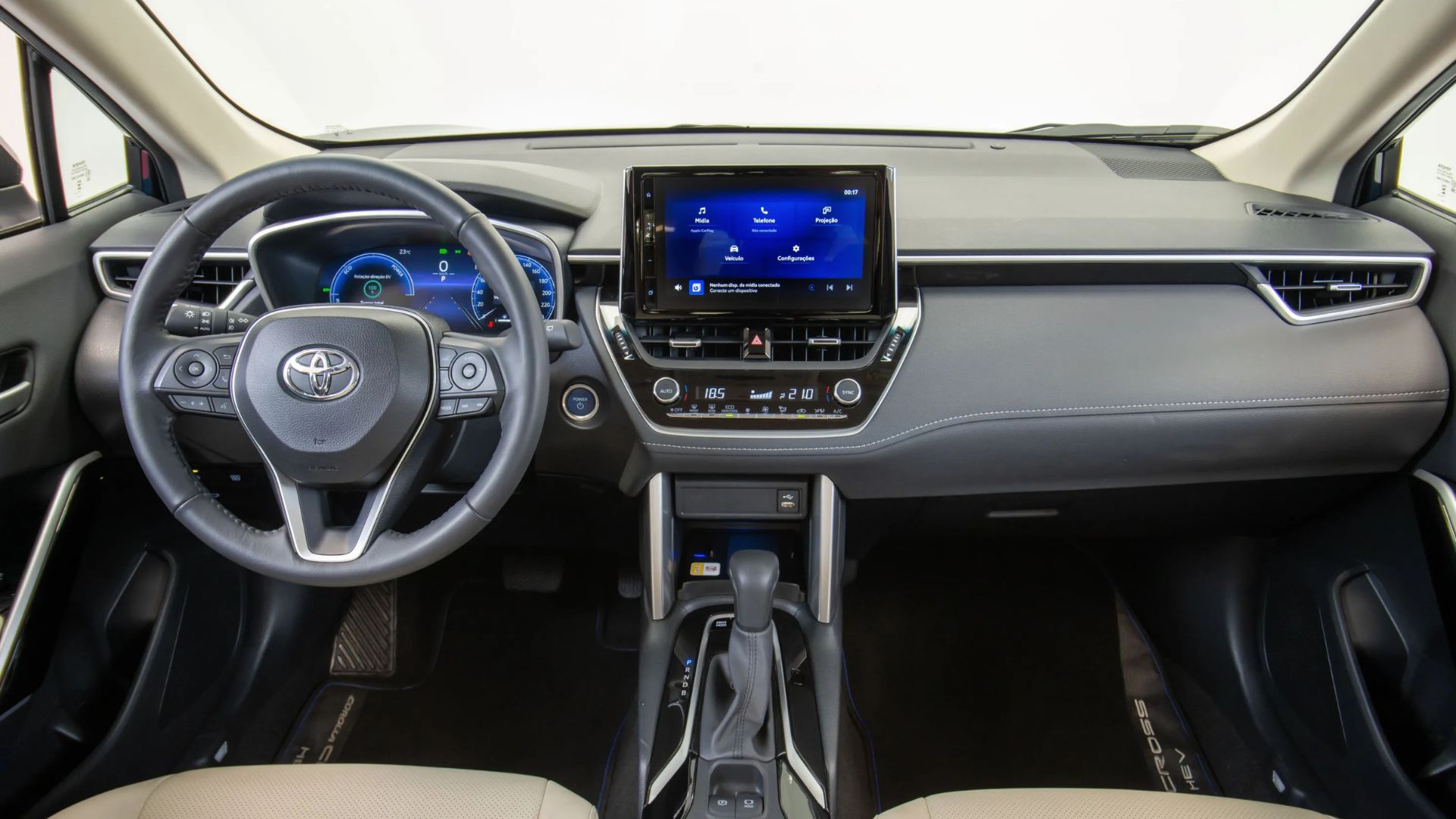
With 122 hp, fuel consumption of up to 17.7 km/l, and a trunk capacity of 440 liters, this hybrid SUV impresses even though it costs up to R$ 47,000 more than the Yaris — meet the Toyota Corolla Cross.
-
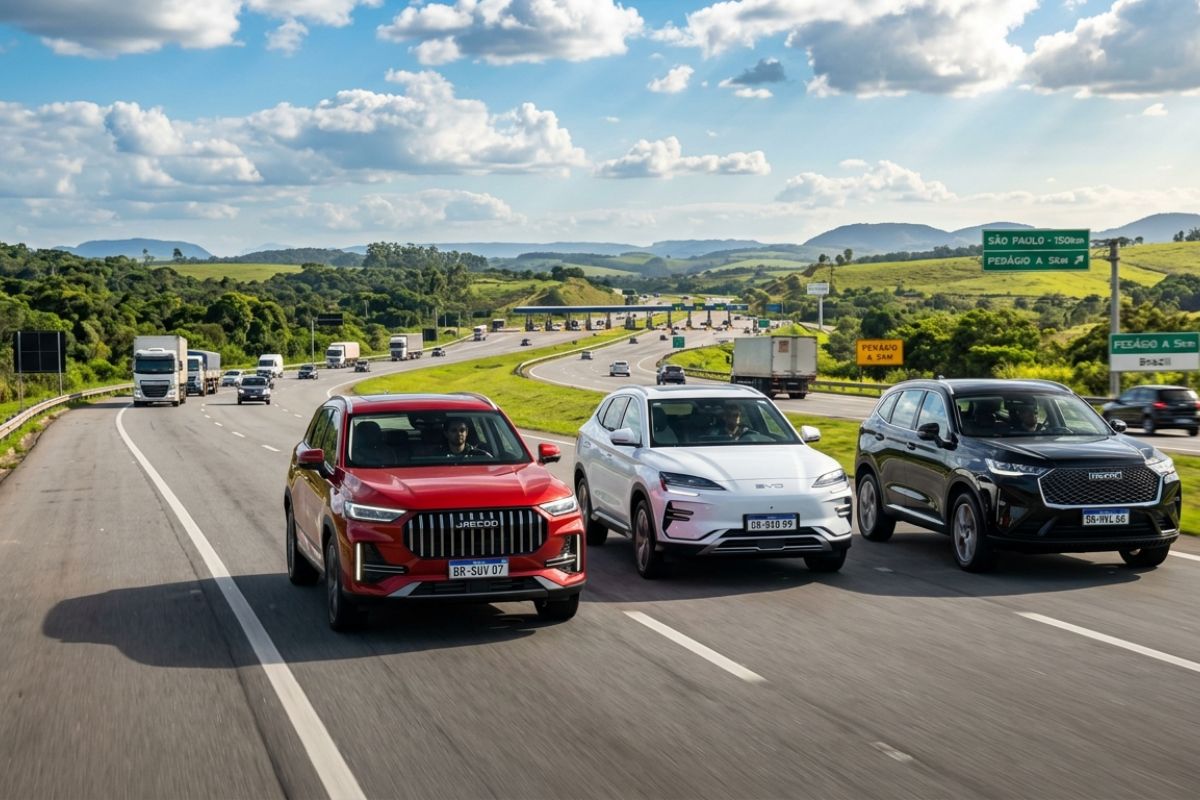
600 km with three Chinese plug-in SUVs, same mode and air conditioning on: Jaecoo 7, BYD Song Plus, and Haval H6 hit the road, and the pump reveals who was truly the most economical.

According To The Fórmula Turbo Channel, The Automotive Market Is In Constant Evolution, But The Bet On Electric Cars Has Proven To Be More Challenging Than Expected.
The Ford Announcement Caused Uproar And Raised A Series Of Questions: Why Would An Industry Giant Abandon Such A Promising Project Amid The Race For Electrification?
According To The Automaker, The Decision Is Based On Factors Such As High Costs And Low Expectations For Financial Return.
“Ford Assessed That This Specific Model Would Not Be As Profitable As Expected”, Pointed Out The Channel, Highlighting Also The Increasing Competitiveness Of The Sector, Where The Costs To Develop Electric Vehicles Continue To Skyrocket.
The Crisis In Electric Vehicles
The Ford Setback Occurs Amid A Landscape Of Financial Challenges For Electric Vehicle Automakers.
According To The Fórmula Turbo Channel, The Company’s Electric Vehicle Division Reported A 2 Billion Dollar Loss In The First Half Of 2024, With Projections That This Value Could Double By The End Of The Year.
“The Electrification Of Vehicles, Which Seemed To Be The Ideal Future, Has Proven To Be Complex And Costly”, Analyzes The Channel.
Ford Is Not The Only One Facing This Dilemma; Several Traditional Companies Are Finding It Difficult To Compete With Chinese Battery Technology, Which Produces Vehicles At A Much Lower Cost.
The Channel Also Highlighted That Many Consumers Have Hesitated To Adopt Electric Vehicles Due To The Rapid Depreciation Of Models, Some Of Which Lose Up To 50% Of Their Value In Just One Year.
Ford’s Decision May Indicate A Need To Reassess The Electric Vehicle Market And Look For Alternative Solutions That Are Economically Viable.
The Bet On Hybrid
Instead Of Focusing All Efforts On Fully Electric Vehicles, Ford Decided To Invest In A Hybrid Strategy, Aiming To Cater To Both Consumers Interested In Electric Innovation And Those Who Still Prefer The Safety Of A Combustion Engine.
The Fórmula Turbo Channel Comments That This Choice Represents The “Best Of Both Worlds” And Mentions Models Like The Ford Explorer And Expedition, Which Will Have New Hybrid Versions On The Market.
From A Technical Perspective, Hybrids Offer Benefits In Terms Of Fuel Economy And Emission Reductions.
This Means That Drivers Can Save Money While Enjoying The Convenience Of Refueling With Gasoline At Any Gas Station, Avoiding The Dependence On Charging Infrastructure, Which Is Still Limited In Many Countries.
Financial Restructuring And Cost Cuts
In Addition To Changes In The Production Line, Ford Has Also Implemented Financial Adjustment Measures Aiming To Minimize Accumulated Losses.
The Company Reduced Its Budget For The Development Of Electric Vehicles From 40% To 30% And Is Restructuring Global Operations, Including The Closure Of Some Factories And A Decrease In Production At Certain Units.
These Actions Are Part Of A Broader Restructuring To Optimize Its Investments And Ensure Long-term Sustainability.
As The Fórmula Turbo Channel Reports, The Automaker Is Also Investing In Strategic Segments, Such As The Development Of A New Electric Commercial Van And A New Generation Of Electric Pickups, Set To Debut In 2027.
The Decision Reveals That, Despite The Cuts, Ford Remains Committed To Innovation, But In A Calculated Manner.
Ford’s Market Strategy: Adaptation Or Abandonment?
Ford’s Move Towards Hybrid Vehicles Is Undoubtedly A Direct Response To The Challenges Of The Electric Market.
The Electric Automotive Market Has Been A True Testing Ground, With A Fierce Race For Leadership, And Ford Had To Adapt Its Approach.
At The Same Time, The Automaker Continues To Make Progress In Electrification And Sustainability, But With A More Pragmatic Vision Aligned With The Reality Of The Sector.
Although The Future Of Fully Electric Vehicles Remains Uncertain, Ford’s Decision May Be An Attempt To Stay Competitive Without Risking The Company’s Financial Future.
The Bet On Hybrids Represents A Less Radical Transition And May Bring A Smooth Adaptation As The Market Matures.
“The Hybrid Might Be The Transitional Solution That Consumers And Automakers Need”, Suggests The Fórmula Turbo Channel.
Bet On The Long-term Or A Step Back?
By Canceling The Launch Of The Electric SUV And Prioritizing Hybrids, Ford May Have Found A Temporary Solution To Keep It Relevant And Competitive.
But Is This The Best Choice In A Market Where Electrification Seems Inevitable?
The Decision To Focus On Hybrids Instead Of Electric Vehicles Raises Important Questions About The Future Of Mobility And The Choices Automakers Need To Make To Ensure Their Financial Sustainability.
And What About You? Do You Believe That Ford’s Bet On Hybrid Vehicles Could Be The Key To Its Success In The Future? Or Is The Automaker Simply Delaying The Inevitable Advance Of 100% Electric Vehicles?









Seja o primeiro a reagir!