





 Portuguese
  English
  Spanish
  5 min of reading
  0 comments


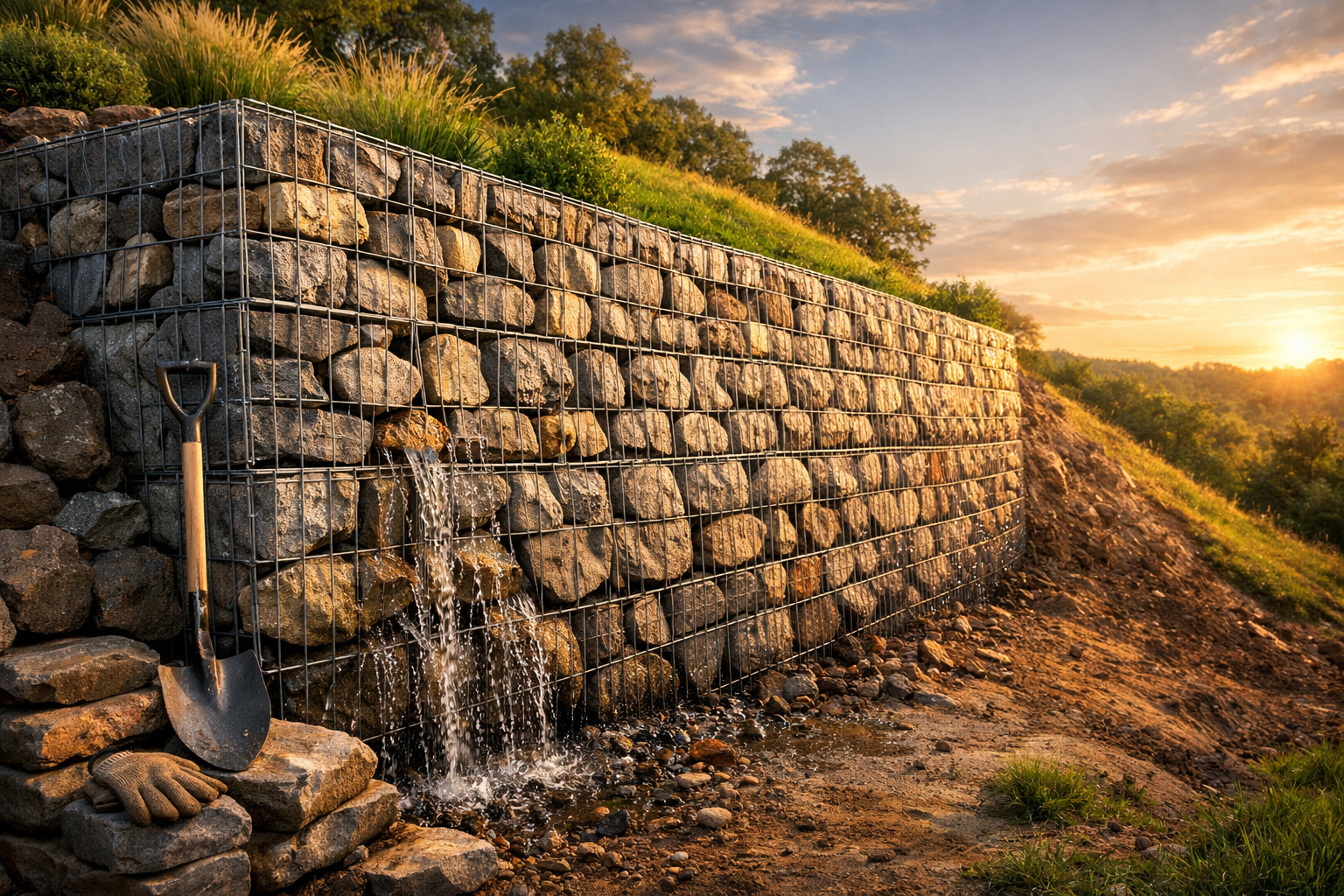
Gabion Structures Made with Metal Baskets Filled with Stones Can Last Over 100 Years, Drain Water Naturally, and Are Used in Engineering to Contain Slopes, Rivers, and Even Garden Walls.
In civil engineering and landscaping projects, an ancient solution has been gaining attention again for its strength, simplicity, and durability: gabions, structures formed by metal baskets filled with stones. At first glance, they may seem like just a stacking of rocks within steel grids. However, behind this simple appearance lies a system widely used in large-scale works, including slope stabilization, riverbanks, dams, and highways.
In recent years, architects and landscapers have started applying this technology in residential projects as well, transforming gabions into walls, fences, benches, and decorative elements. The combination of structural strength, natural drainage, and durability allows this type of structure to remain stable for decades or even over a century, depending on the installation conditions.
What Are Gabions and How Do They Work
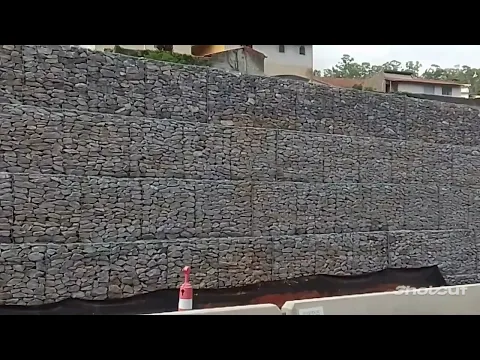
A gabion is a structure formed by metal baskets or boxes made with galvanized steel mesh, filled with stones. These boxes are assembled on-site and filled with medium to large-sized rocks, creating a heavy and stable structural block.
-
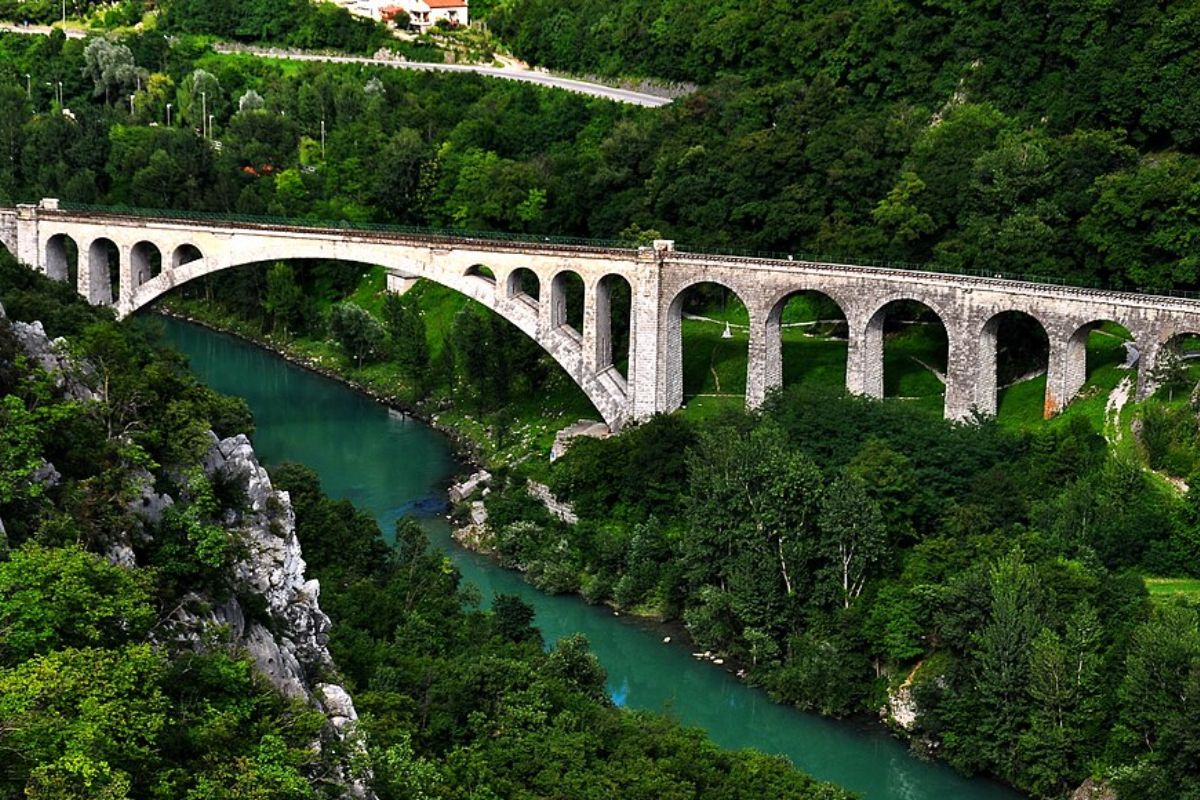
The bridge that holds the largest stone railway arch in the world: built over 100 years ago, destroyed in the war, and rebuilt to continue operating to this day, it still carries trains over the Soča River in Slovenia.
-
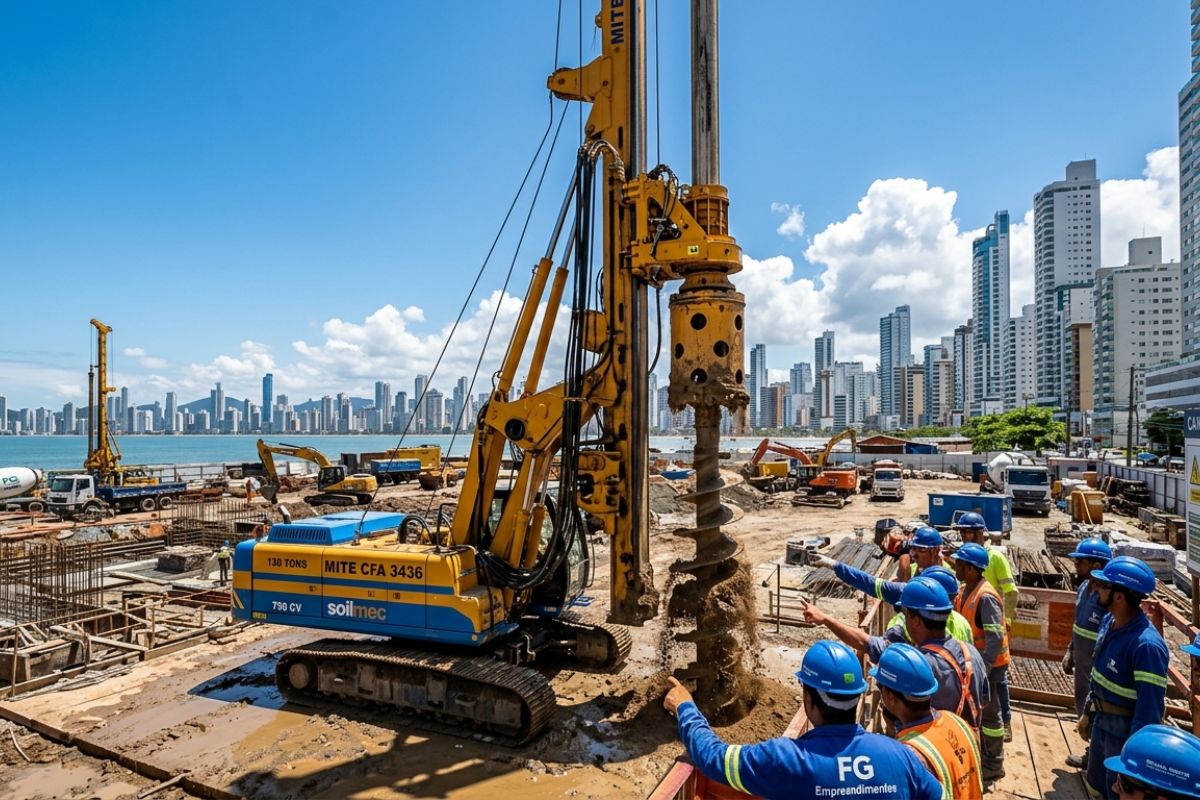
Italian giant of 130 tons arrives at the Senna Tower construction site and accelerates foundations: Mite CFA 3436 drills up to 50 m, 750 hp engine, investment of R$ 20 million, unique in Latin America.
-
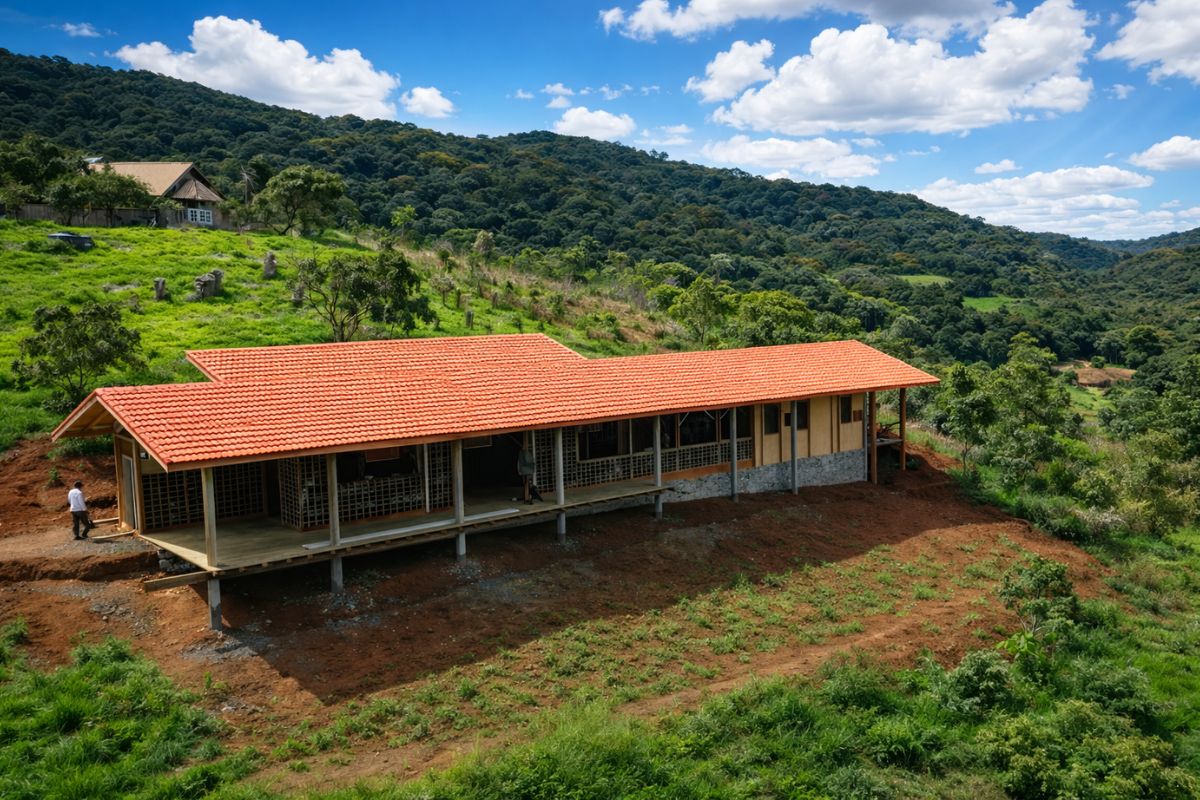
The adobe house in Monteiro Lobato takes shape with bamboo and clay from the land, a stone foundation, and a roof for the wind; cracks are normal, and finishing with lime turns it into a “common house.”
-
Four friends with over 30 years of friendship built a “mini village” by the banks of a river in Texas to grow old together, with houses of just 32 m² and a shared common space. The Bestie Row project has become a model of alternative living that is starting to spread around the world.


The system functions based on three simple principles:
- weight of the stones, which creates stability
- flexibility of the metal mesh, which allows for minor deformations without breaking
- natural drainage, which prevents water pressure buildup
This combination makes gabions especially effective in locations where rigid concrete structures may fail. For example, on slopes prone to soil movement or areas with high water flow.
A Technology Used in Engineering for Over a Century
Although they currently appear in modern landscaping projects, gabions have a much older origin. Similar structures were used by European military engineers since the 19th century to protect fortifications and stabilize terrain.
Over time, the technique evolved and began to be applied in large-scale civil works. Today, gabions are used in various types of infrastructure projects, such as:
- slope stabilization on highways
- riverbank stabilization
- erosion protection
- dams and channels
- hydraulic works
In many cases, these structures replace concrete walls, especially when the terrain requires greater drainage capacity.
Why Gabions Drain Water Naturally
One of the great differentiators of this solution is its drainage capacity. Conventional concrete walls can suffer from hydrostatic pressure, which occurs when water accumulates behind the structure.
This pressure can cause cracks or even collapse in the wall. Gabions prevent this problem because they have spaces between the stones, allowing water to pass freely through the structure.

This means that the wall does not need to withstand the pressure of accumulated water. This feature makes gabions especially efficient in areas subject to:
- heavy rains
- water runoff
- sloped terrains
- regions near rivers or channels
Surprising Structural Strength
Despite their simple appearance, gabion structures can support very high loads. This happens because the combined weight of the stones creates an extremely stable structural mass.
Furthermore, the metal mesh surrounding the stones distributes forces throughout the structure. Another important factor is flexibility. While rigid concrete walls may crack when the ground shifts, gabions can absorb small deformations without losing stability.
This feature makes them particularly useful in regions with:
- unstable soil
- vibration caused by heavy traffic
- minor ground movements
Durability That Can Last Over Decades
The durability of gabions mainly depends on the quality of the metal mesh used. Today, modern structures utilize galvanized steel or coated with anti-corrosive materials. This type of protection allows the metal baskets to withstand exposure to the elements for long periods.
In hydraulic engineering projects, there are records of gabion structures remaining functional for over 100 years. Moreover, maintenance is usually straightforward.
If any part of the metal mesh is damaged, the structure can be repaired without the need to rebuild the entire wall.
Growing Use in Architecture and Landscaping
In recent years, architects have begun to explore the aesthetic potential of gabions. The look of natural stones within metal baskets creates a visual effect that blends well with contemporary designs and naturalistic landscaping.
Today it is possible to find gabions being used in:
- garden walls
- residential fences
- benches and outdoor furniture
- decorative walls
- dividers for outdoor areas
The choice of stones also allows for variation in the building style. Light, dark, or colored rocks can completely transform the final appearance of the structure.
A Solution Considered Sustainable
Another factor driving the use of gabions is the environmental aspect. Compared to traditional concrete, this system can have a lower environmental impact for several reasons.
Among them:
- use of local natural stones
- lower cement consumption
- less need for material transportation
- possibility of reusing stones
Furthermore, the structure allows vegetation to grow between the rocks over time. This causes many gabion walls to naturally integrate into the surrounding environment.
Where Gabions Are Most Used
Today, this technology appears in various types of projects. The most common uses include:
- slope and hillside stabilization
- erosion protection on riverbanks
- highway stabilization
- urban landscaping
- residential walls
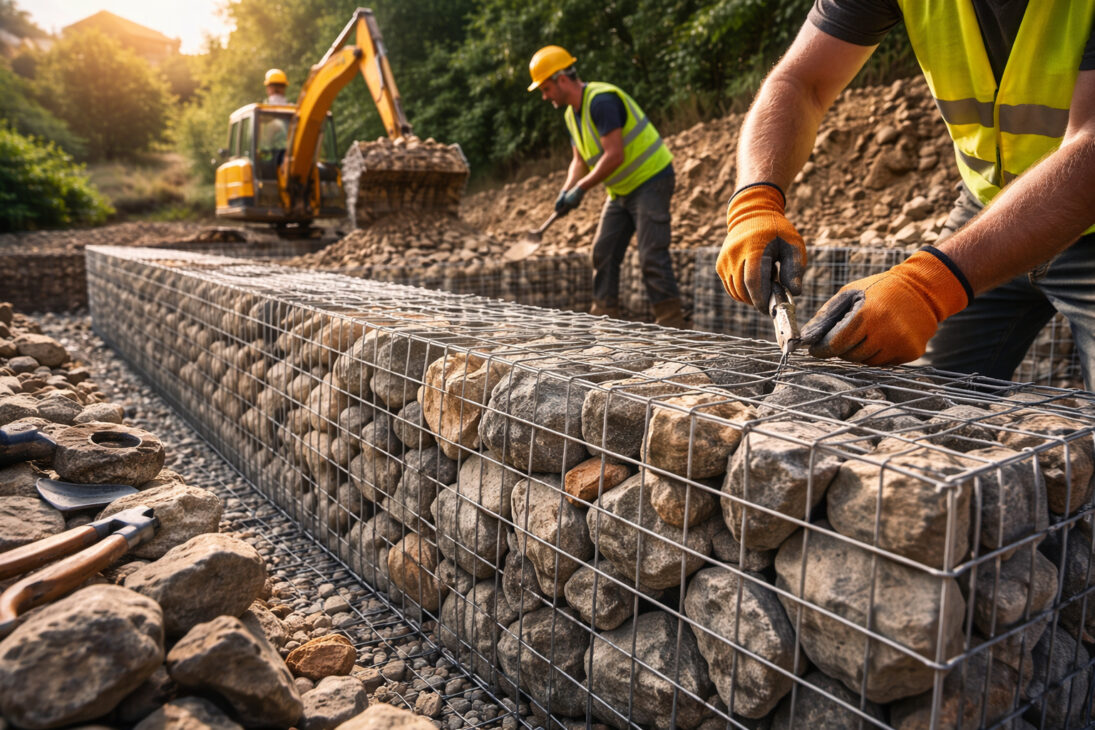
In mountainous or erosion-prone regions, gabions are often chosen by engineers precisely because of the combination of structural strength and natural drainage.
Simple Engineering That Remains Relevant
Although modern technologies for soil retention exist, gabions continue to be widely used. This is because the solution combines characteristics that are difficult to achieve in a single system: constructive simplicity, high structural strength, efficient drainage, and long durability.
In infrastructure works or residential projects, the technique demonstrates how a solution based on stones and steel can compete with complex concrete structures.
For this reason, the gabion system continues to be adopted by engineers and architects in different parts of the world and increasingly appears in gardens, backyards, and contemporary landscaping projects.







-

-

-

-

-

-

16 pessoas reagiram a isso.