





 Portuguese
  English
  Spanish
  4 min of reading
  0 comments


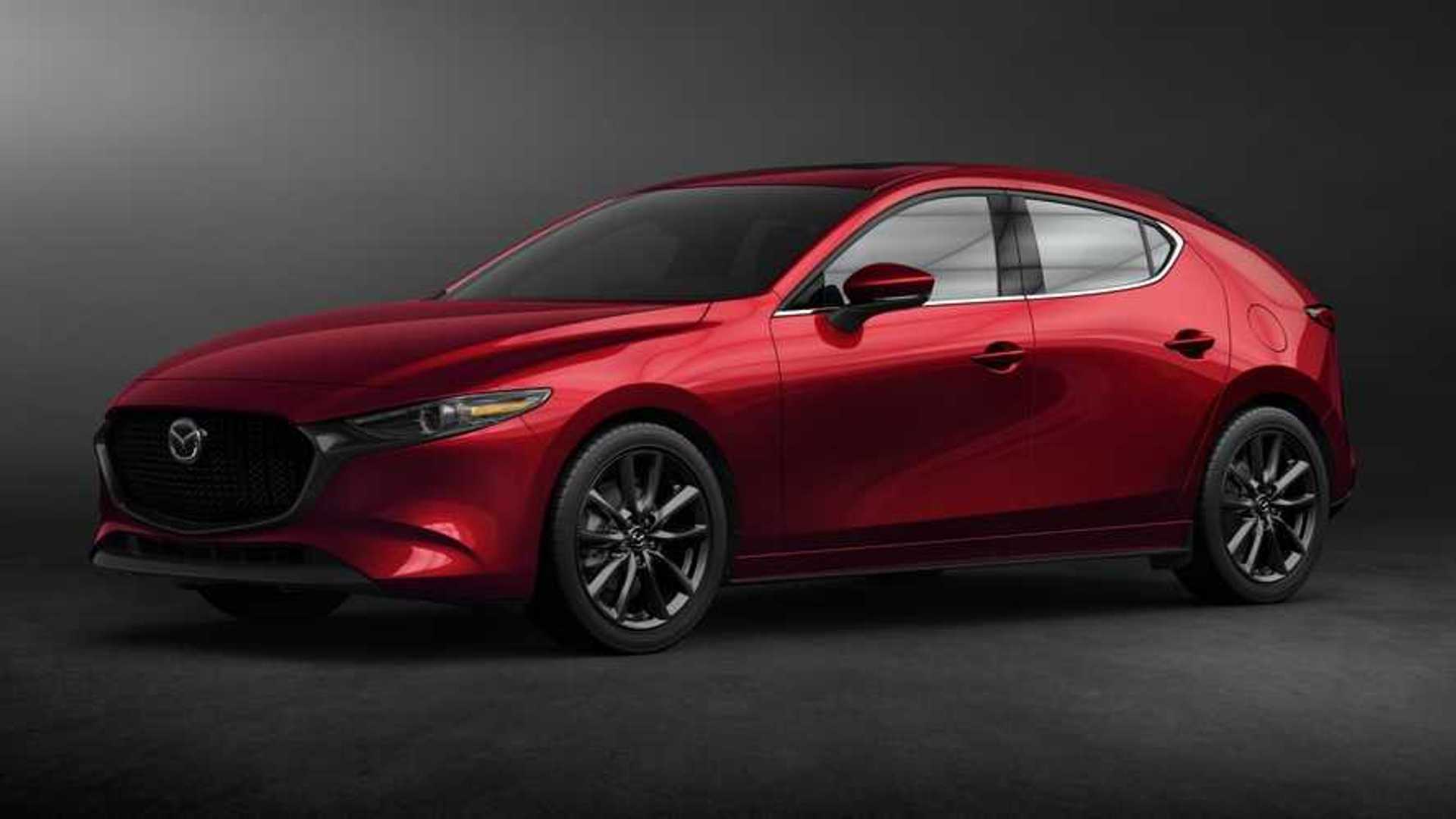
Mazda 3 2.0 Was Ignored When New, But Became a Find in the Used Market by Combining Global Design, Refined Suspension, and Durable Engine.
When officially for sale in Brazil, the Mazda 3 2.0 never managed to establish itself as a popular choice. A little-known brand, limited network, and heavy competition made the hatch almost unnoticed in the showcases. Over time, the market made justice. Today, the Mazda 3 has become one of the most sought-after medium hatches among used cars, precisely for offering solid Japanese engineering, durable mechanical set, and dynamic behavior superior to many more famous rivals.
Why the Mazda 3 Was Ignored When It Was New
The problem with the Mazda 3 was never the product. It was the context. Mazda had limited operations in Brazil, with few dealerships and low brand presence.
This created consumer insecurity, even with a technically competitive car against the Golf, Focus, and Civic. The result was low sales volume and a silent exit from the market.
-
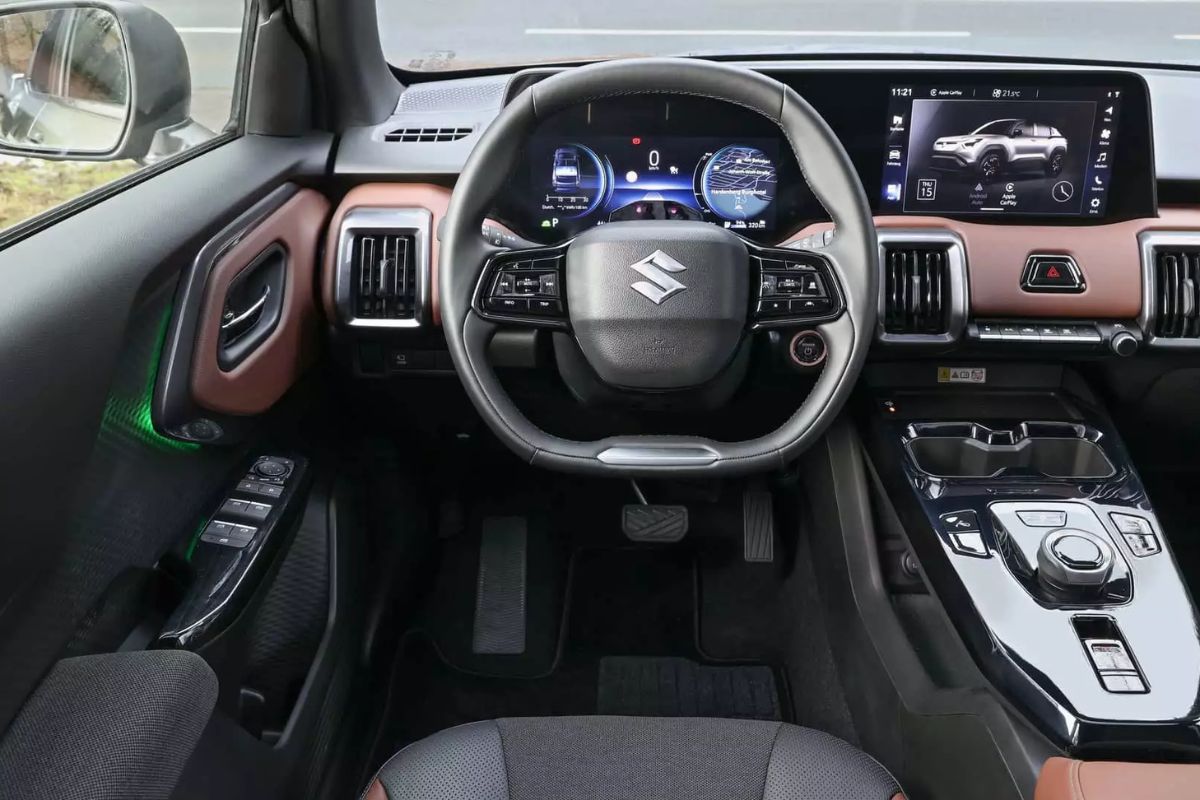
The 2026 electric Vitara arrives in Brazil and proves that Suzuki is not leaving: 4×4 traction, 184 hp, 61 kWh LFP battery, 293 km range, R$ 259,000, and a trunk capacity of 224 L.
-
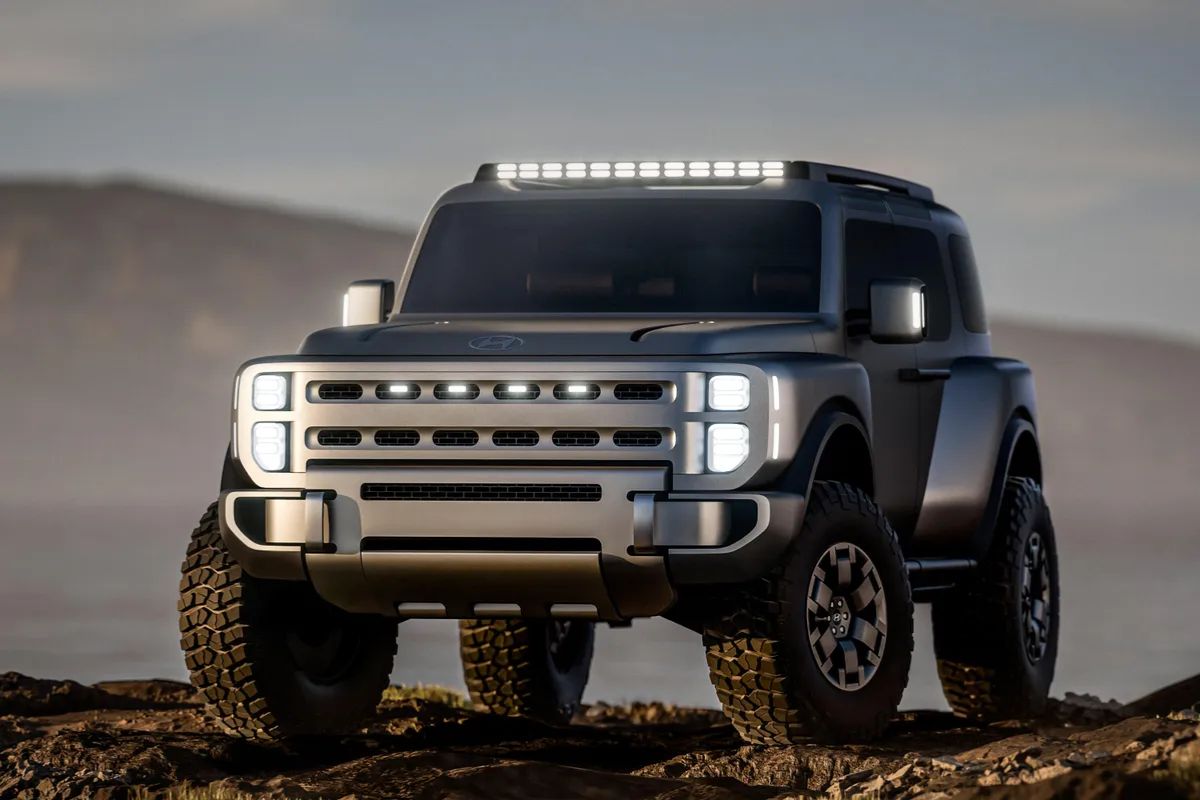
Hyundai has unveiled the Boulder, a square SUV with a body-on-frame design, 37-inch mud tires, and carriage-style doors that seems to be made to take on the Ford Bronco and the Scout Traveller in the United States.
-
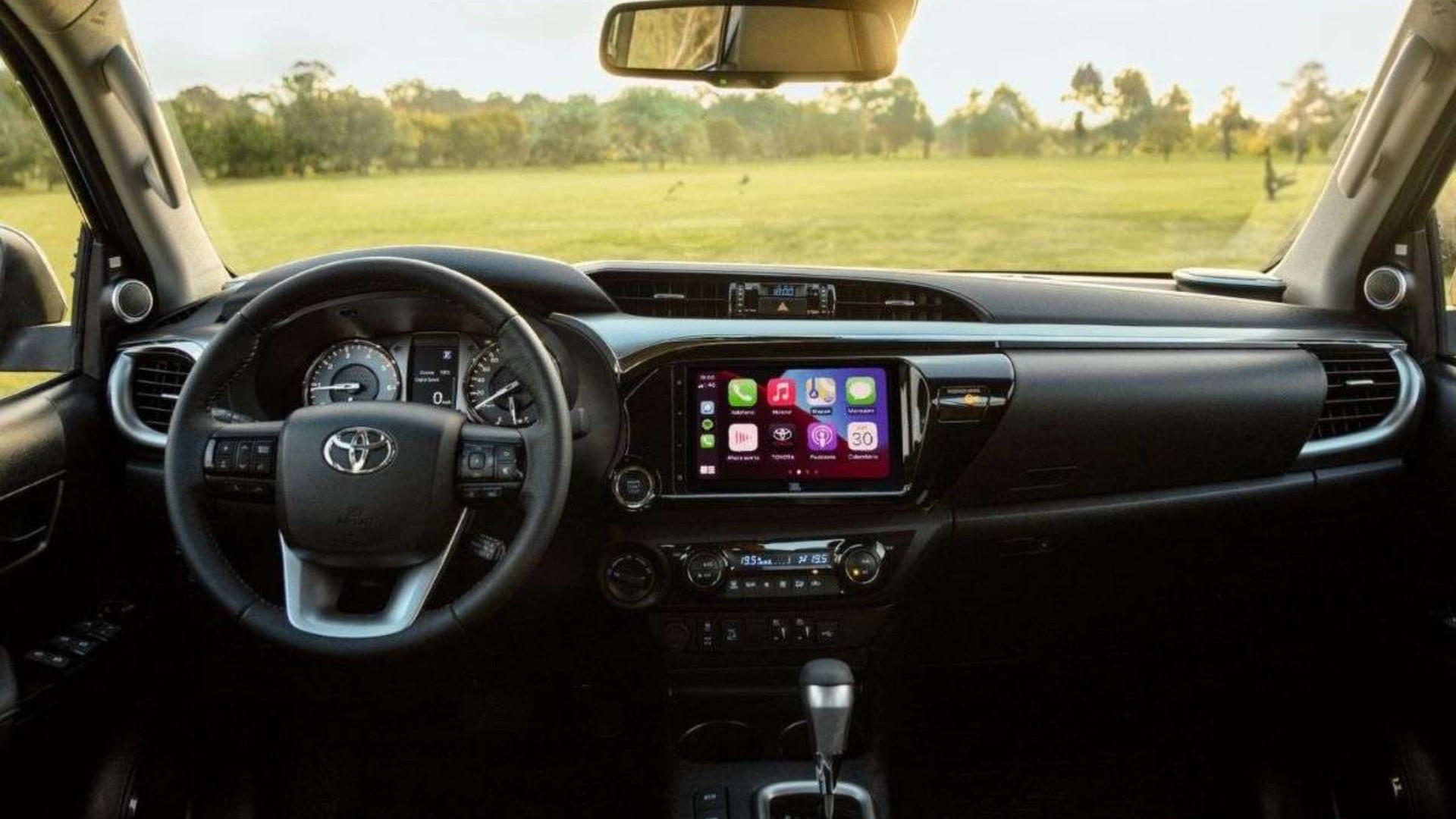
The Toyota Hilux is R$ 75.5 thousand cheaper and bets on the 2.8 turbodiesel engine with up to 204 hp and 50.9 kgfm to catch up with the VW Saveiro, which leads with 4,472 sales.
-
The new Renault Koleos has a screen exclusively for the passenger that is invisible to the driver, heated rear seats, and 29 assistance systems, but its Chinese competitors cost R$ 40,000 less and deliver more power.

Global Design and Japanese Engineering Standard
The Mazda 3 was not developed for emerging markets. It is a global hatch, sold with the same technical base in Europe, Japan, the United States, and Australia.
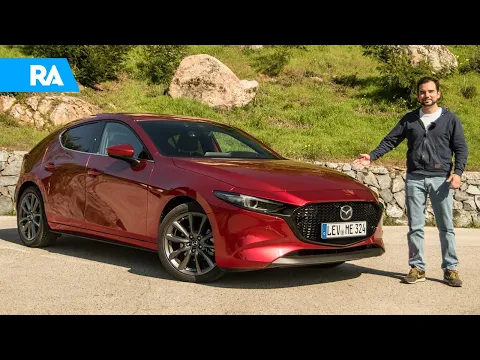

This is reflected in rigid structure, good sound insulation, and a chassis designed for stability and driving pleasure. Nothing was simplified to reduce production costs. This global standard explains why the car has aged so well in the used market.
Refined Suspension: Above-Average Stability in the Segment
One of the biggest differentiators of the Mazda 3 is its independent suspension on all four wheels, something increasingly rare in the segment. The tuning prioritizes stability in curves, control at high speeds, and comfort on highways.
In practice, the car transmits a feeling of solidity and precision that many modern medium hatches have lost. It is a hatch that drives like a higher-category car.
This set makes the Mazda 3 one of the most enjoyable to drive among used cars.
2.0 Naturally Aspirated Engine: Simplicity That Ensures Longevity
The Mazda 3 uses a 2.0 naturally aspirated engine, known for its robustness and tolerance to prolonged use.
No turbo, no problematic direct injection, and no experimental solutions, the set prioritizes durability.
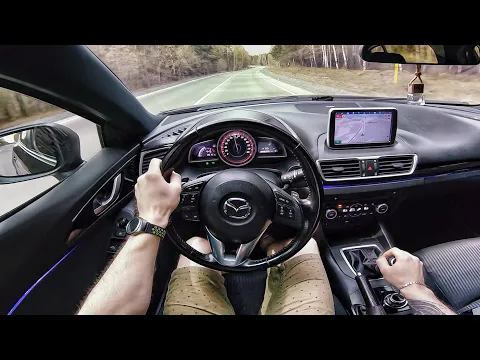
This is an engine designed to run 300,000 to 400,000 km without the need for deep interventions, when properly maintained. It is the type of mechanics that accepts intense daily use without frequent surprises.
Today, this type of engine has become an exception in the market.
Reliable Automatic Transmission and Predictable Behavior
The automatic versions of the Mazda 3 use a traditional automatic transmission, with a torque converter.
The operation is smooth, with well-spaced shifts and no significant history of chronic failures.
This ensures predictability in maintenance costs, something extremely valued in the used market. There are no recurring reports of expensive breakdowns or structural problems in this set.
For those who want an automatic without a headache, this is a decisive point.
Finish and Ergonomics Above Expectations
Another surprising point about the Mazda 3 is its level of finish. Even in older versions, the interior features good quality materials and solid assembly.
The driving position is well thought out, with well-placed controls and a wraparound cockpit feel.
It is a car designed for those who drive, not just for those who observe. This attention to detail explains why the model has aged better than many rivals.
Maintenance and Cost of Ownership: Myth Greater Than Reality
The biggest fear of those looking at the Mazda 3 is maintenance. In practice, this fear is greater than the actual cost.
The engine is simple, robust, and shared globally. Mechanical parts are relatively easy to find, and maintenance does not differ much from other Japanese medium hatches.
It is not a popular car, but it is far from being expensive to maintain, especially considering what it offers.
Why the Mazda 3 Became Sought After in the Classifieds
Today, the Mazda 3 brings together an increasingly rare combination:
- Solid Global Design
- Refined Suspension and Superior Dynamic Behavior
- Durable Naturally Aspirated Engine
- Reliable Automatic Transmission
Since it was not trendy when new, the price in the used market remained more rational. This attracts buyers who prioritize real engineering over marketing. The result is a model that sells quickly when it appears in good condition.
Who Should Consider the Mazda 3 2.0 in 2025
The Mazda 3 is ideal for those who:
- Seek a true medium hatch, not a disguised SUV
- Value drivability and stability
- Want to avoid fragile turbo engines
- Plan to keep the same car for many years
For this profile, it offers more technical content than many newer and more expensive cars.
The Mazda 3 2.0 is the portrait of a car that was not understood when new, but has found its audience over the years. Free from problematic solutions and trends, it has aged with dignity.
Today, it is one of the most complete and honest medium hatches in the used market, offering robustness, driving pleasure, and real durability. Those who understand cars know: the Mazda 3 was never bad — it was just underestimated.










Seja o primeiro a reagir!