





 Portuguese
  English
  Spanish
 4 min of reading
  0 comments


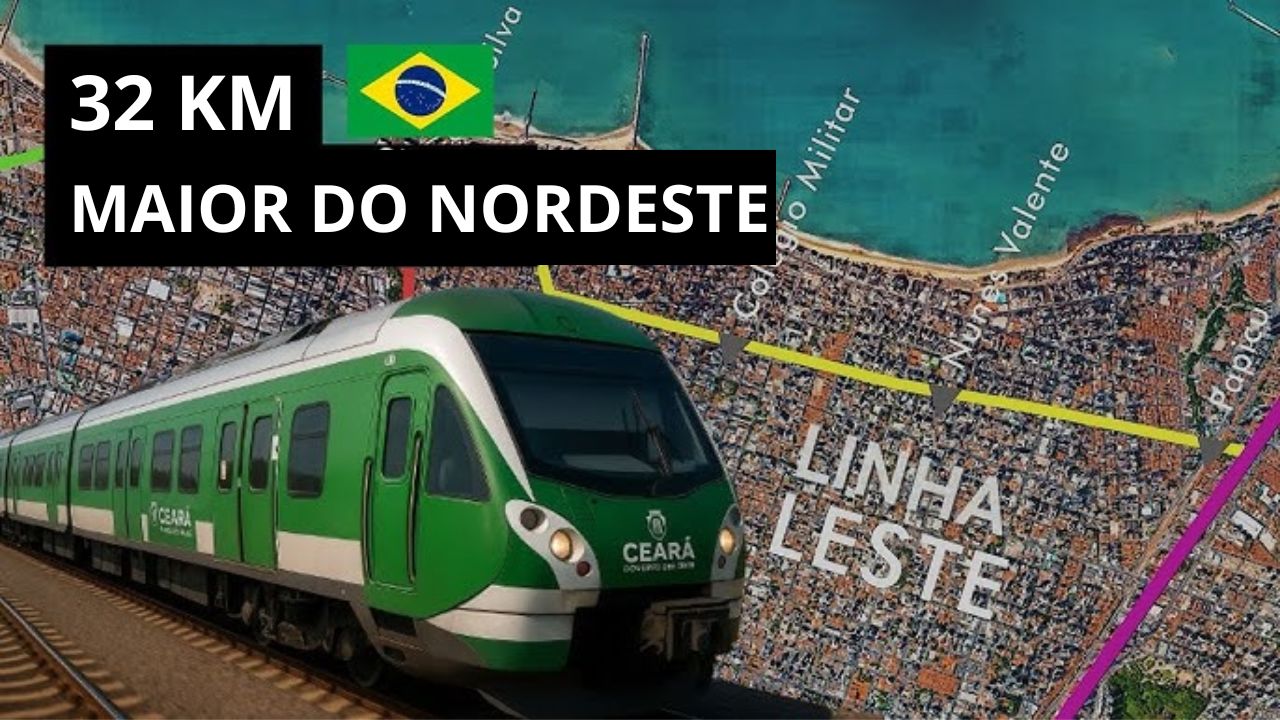
The Unification of the East and West Lines Creates a New 32 km Metro Line in the Northeast. Learn How the Project Will Renew Urban Mobility, Reduce Emissions, and Change Travel in Fortaleza and Caucaia.
A new metro line in the Brazilian Northeast will connect the centers of Fortaleza and Caucaia, creating an integrated branch of about 32 kilometers. The project combines the current West and East Lines, with completion expected by the end of 2028 and final adjustments by 2029.
The change is expected to bring faster, more accessible urban travel that is less dependent on private vehicles.
Already, the new configuration of the metro line represents a hope for change for those living in the region — with the expectation of reducing congestion and increasing access to different metropolitan areas in less time.
-
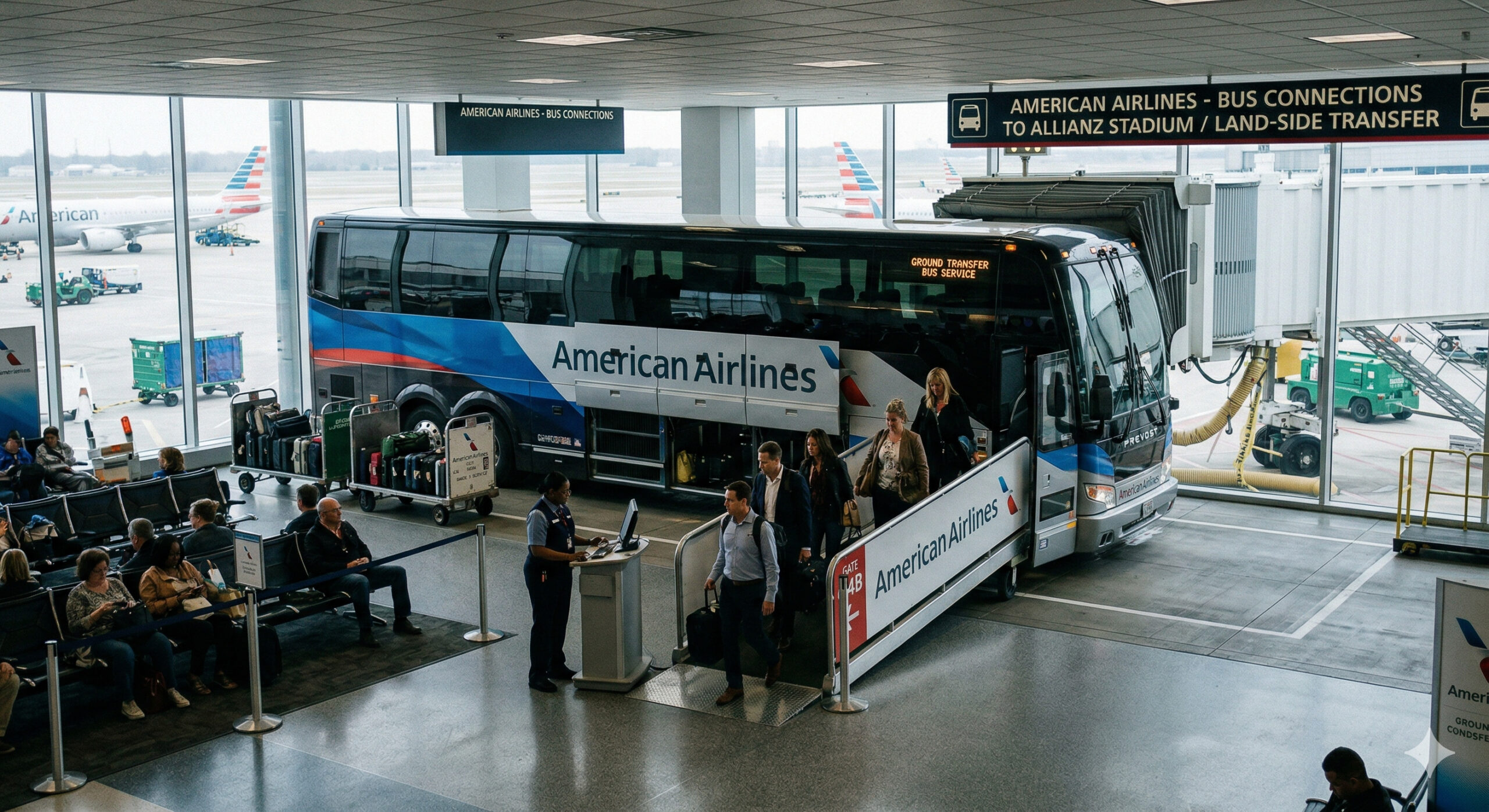
American Airlines starts selling trips as if they were flights, with check-in and baggage check at the airport, but on short routes, passengers board luxury buses connecting cities to major hubs in the U.S.
-
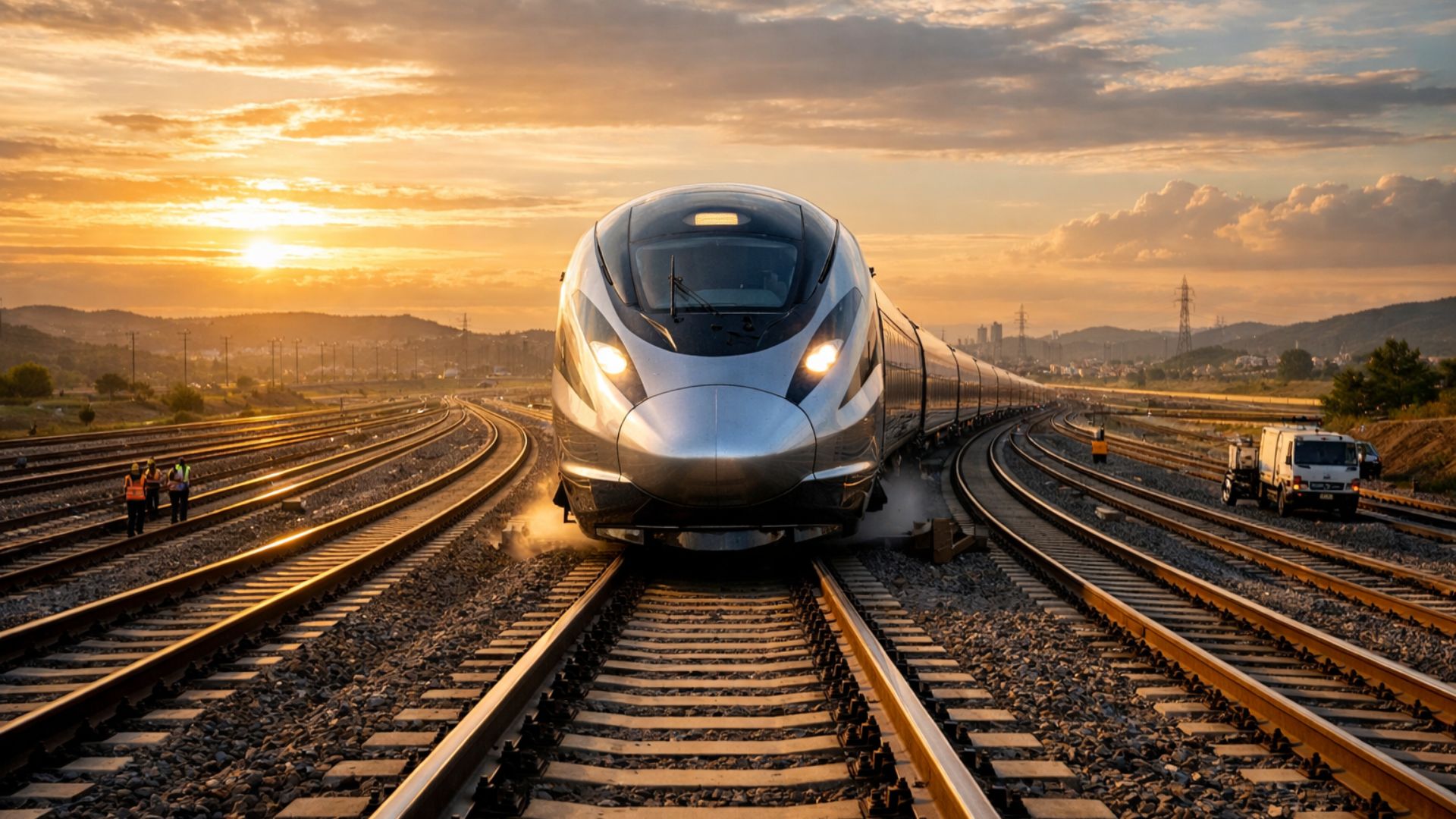
São Paulo surprises the world with a colossal railway network project that promises over 1,000 km of tracks, R$ 194 billion in investments, and 40 projects connecting the capital to the interior with fast and sustainable trains.
-
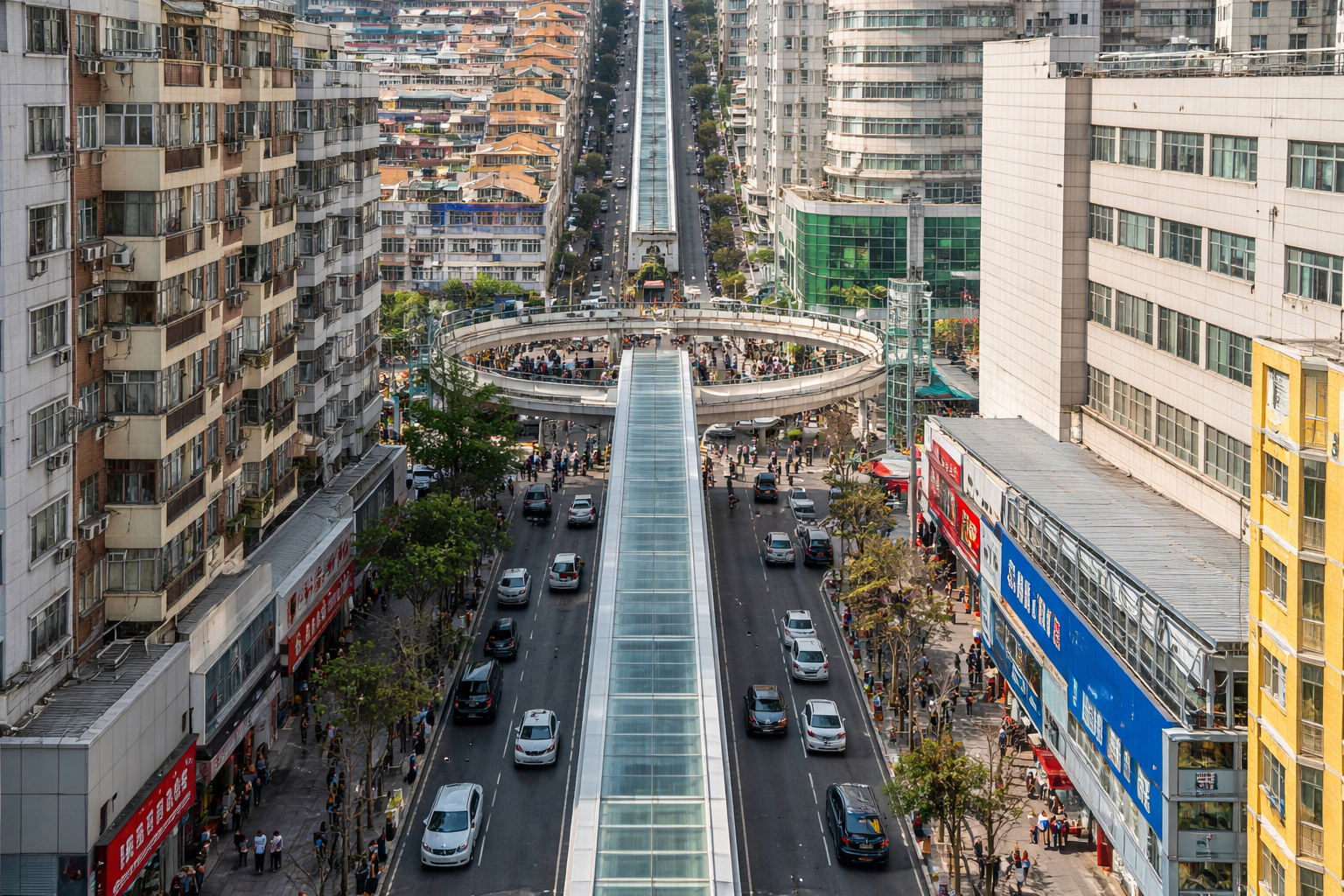
The world’s largest escalator, measuring 905 meters in China, reduces urban travel time from 1 hour to about 20 minutes and transforms mobility in mountainous regions with an engineering solution adapted to the terrain.
-
A R$ 300 million logistics giant is taking shape in Serra with over 100,000 m² and raises a question: how can this transform e-commerce and distribution in the state?

Why Is the New Metro Line Important for the Population?
The plan addresses several structural demands: integrating urban and metropolitan areas, providing faster and more reliable travel, and reducing the dependence on buses or cars.
As a result, populations from both cities will have easier access to services, jobs, and leisure.
Additionally, the metro line project includes the modernization of the infrastructure. The old West Line — which currently operates with light diesel vehicles — will be electrified and adapted for conventional metro use.
The East Line, for its part, is under construction and will be essential for achieving integration.
Electrification also brings significant environmental benefits: less pollutant emissions and reduced dependency on fossil fuels.
In this way, the new system is not only efficient but also tends to be more sustainable.
How Will the Integration of the East and West Lines Work?
- The West Line currently connects downtown Fortaleza to downtown Caucaia, with about 20 km in operation.
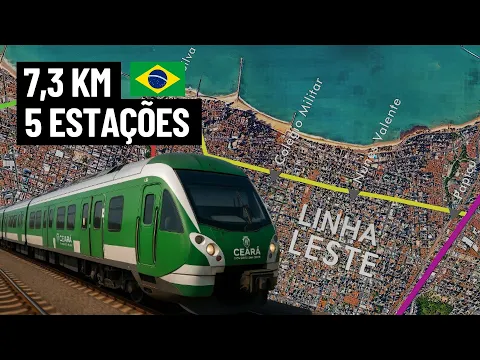
- The East Line, under construction, will have approximately 12.4 km when both phases are completed.
- With the union of the two sections, the resulting metro line will total 32 km — making it the longest in the North-Northeast region.
This new branch not only connects the two cities but also enhances metropolitan mobility — facilitating routes, reducing travel time, and potentially integrating different modes of transportation.
Expected Impacts on Mobility and the Local Economy with the New Metro Line
According to official data, the new metro line is expected to facilitate access to workplaces, commerce, services, and leisure much more efficiently.
This should improve the quality of life for those who rely on public transportation daily.
Moreover, the modernization and integration of the system may create jobs during construction and afterward with operation.
The infrastructure will also encourage real estate appreciation and urban development in the served areas.
In environmental terms, the electrification of the line reduces pollutant emissions compared to the use of diesel vehicles — contributing to cleaner and more sustainable public transport.
Challenges and Next Steps Until Completion
Despite the optimism, the project still depends on the completion of construction and investments.
The East Line needs to be finished by the end of 2028; and the modernization of the West Line is expected to extend until 2029.
It will also be necessary to adapt infrastructure, stations, and energy systems to ensure that the new system operates as a conventional metro.
The transition requires careful planning and monitoring.
Another important point: it will be essential for the population to adopt the new system.
To facilitate this, signage work, integration with other transport modes, and information campaigns can make a difference.
What Changes for Those Living in Fortaleza and Caucaia with the New Metro Line?
With the new metro line unifying the regions, many people are expected to gain in time and comfort when going to work, studying, shopping, or enjoying leisure activities.
The trips that used to take longer may become shorter and more predictable.
For those who depend on public transportation, the change means having a more reliable, less polluting system with greater geographic coverage.
For the city, it also represents urban progress and appreciation of the served areas.

Ultimately, the line is not just a construction project: it is a structural change in mobility in the region — with the potential to improve the lives of thousands of residents.
Source: Diário do Nordeste










Seja o primeiro a reagir!