





 Portuguese
  English
  Spanish
  4 min of reading
  0 comments


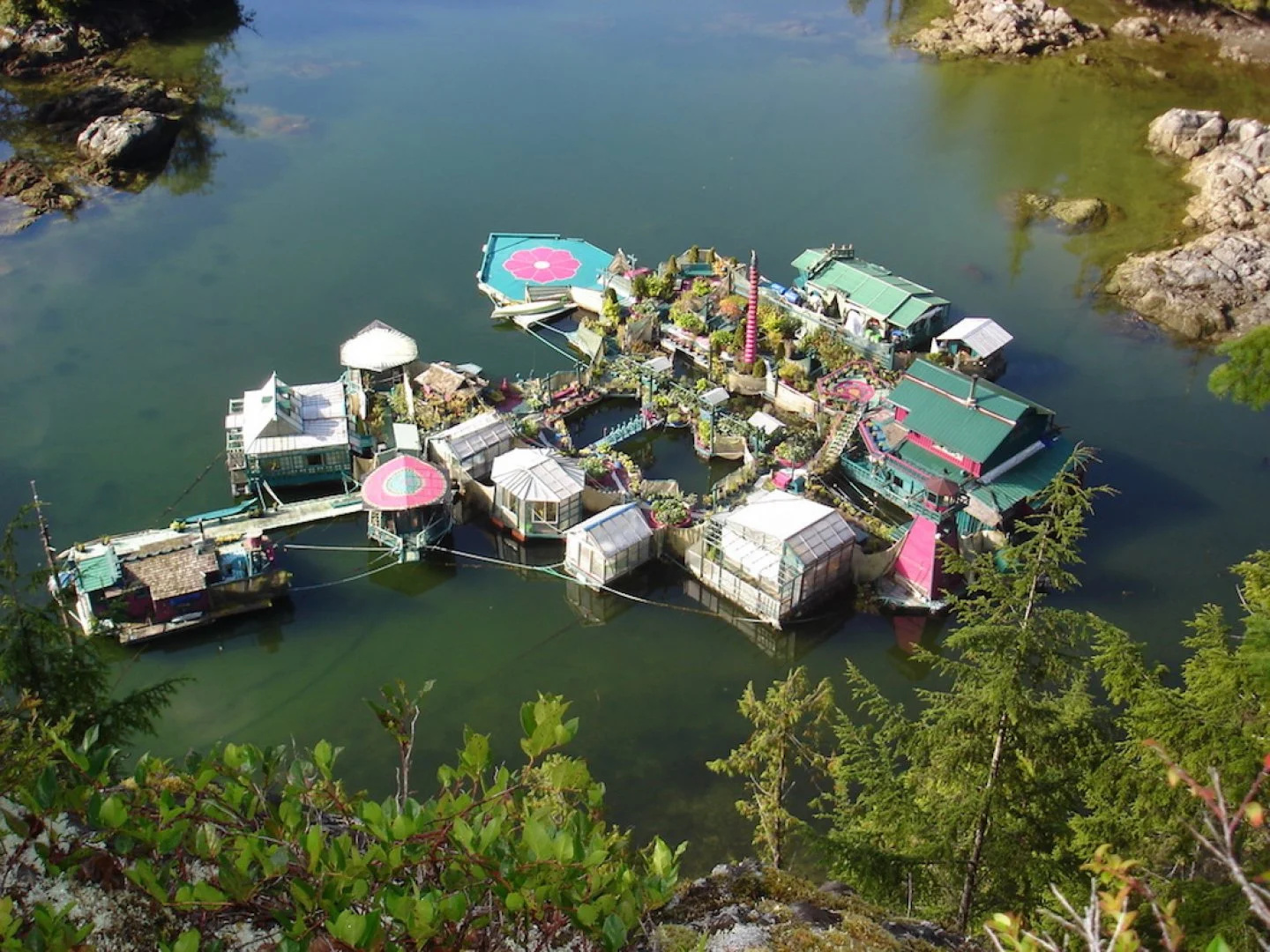
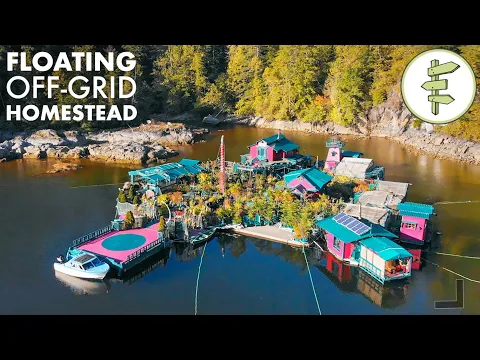
Built By Hand Since 1992, Freedom Cove Is A Self-Sufficient Floating Village In Canada That Lives Off The Power Grid And Challenges The Traditional Concept Of Housing.
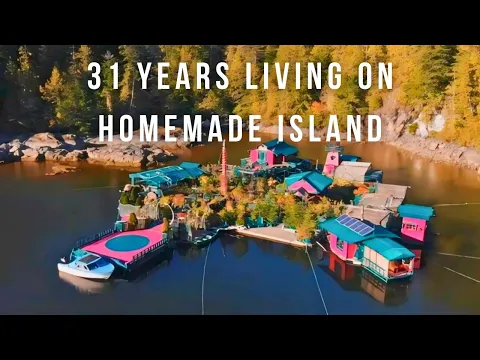
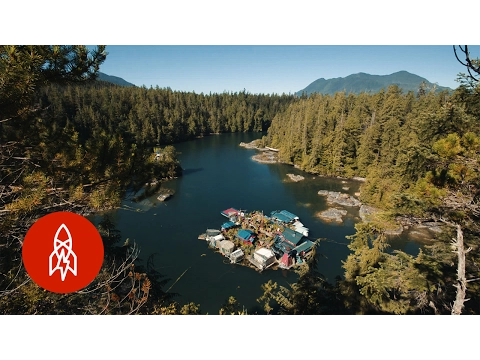
In a secluded cove on the west coast of Canada, surrounded by dense forests and the cold waters of the North Pacific, there is a construction that defies almost everything understood about conventional housing. Known as Freedom Cove, this self-sufficient floating village has been built by hand since 1992 and remains permanently inhabited, off the power grid, far from cities, and accessible only by boat.
The project is located in Cypress Bay, near the town of Tofino in the province of British Columbia, and is the work of two Canadian artists: Wayne Adams and Catherine King. Unlike government initiatives or experimental enterprises funded by universities, Freedom Cove was born from a personal decision: to abandon urban life and create a functional and independent space, floating over the ocean.
Who Built Freedom Cove And Why

Wayne Adams and Catherine King are neither engineers nor architects. Both are visual artists who decided, in the early 1990s, to leave the urban circuit and build a place where they could live, work, and create away from the limitations imposed by housing costs, zoning rules, and complete reliance on public infrastructure.
-
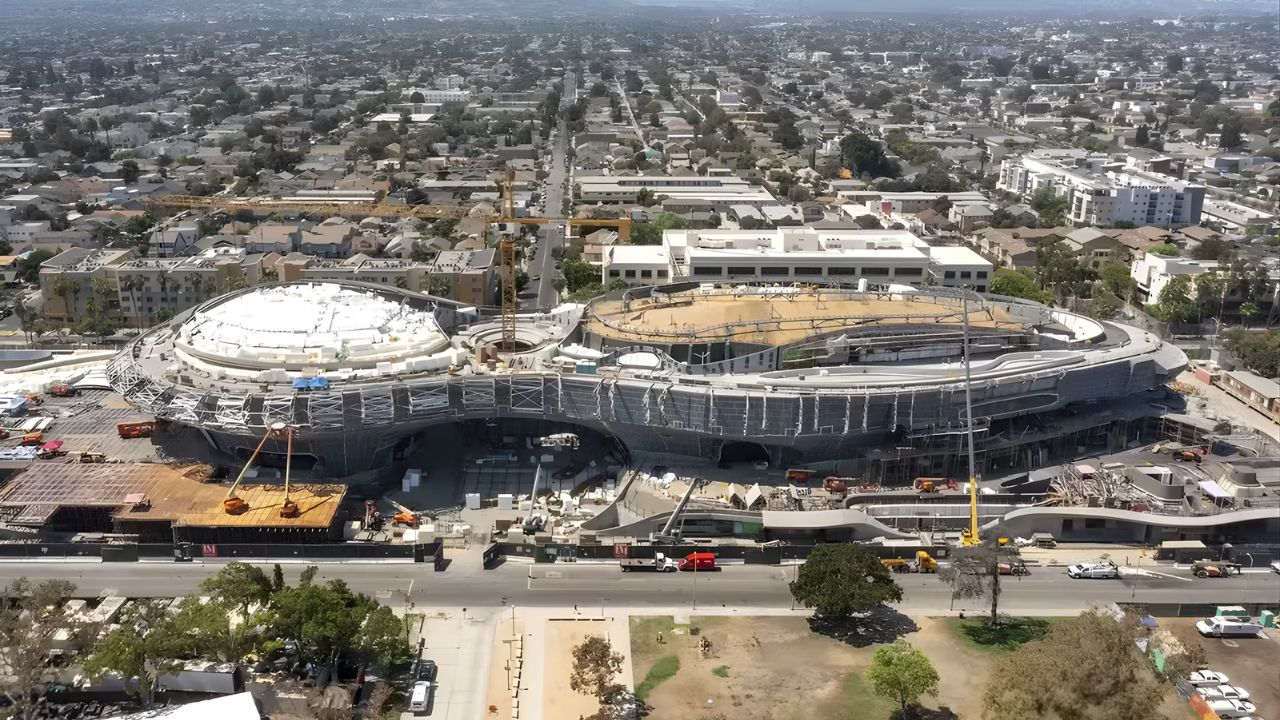
Created by George Lucas with over $1 billion, a futuristic museum in the shape of a spaceship with 1,500 curved panels is about to open in Los Angeles and will house one of the largest private collections of narrative art in the world.
-
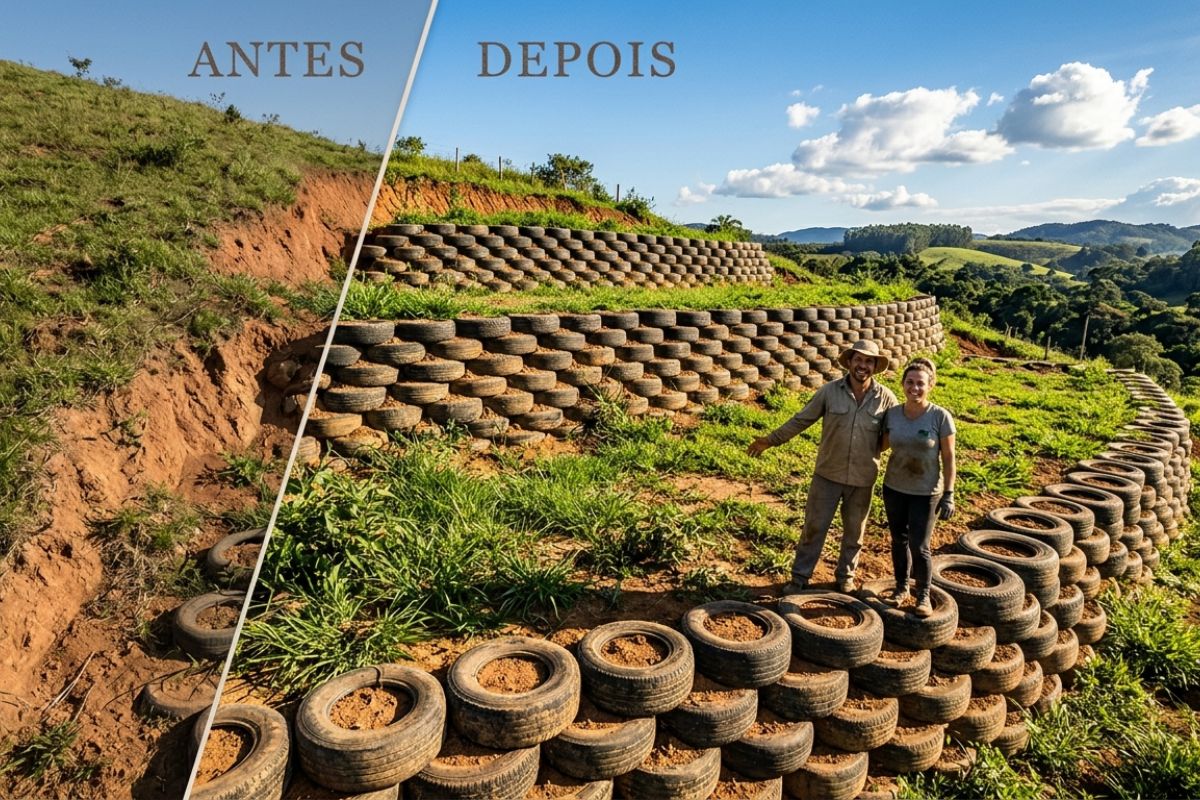
Couple shows how they built a retaining wall on their property using 400 old tires: sloped land turned into plateaus, tires are aligned, filled, and compacted with layers of soil, with grass helping in support and at almost zero cost.
-
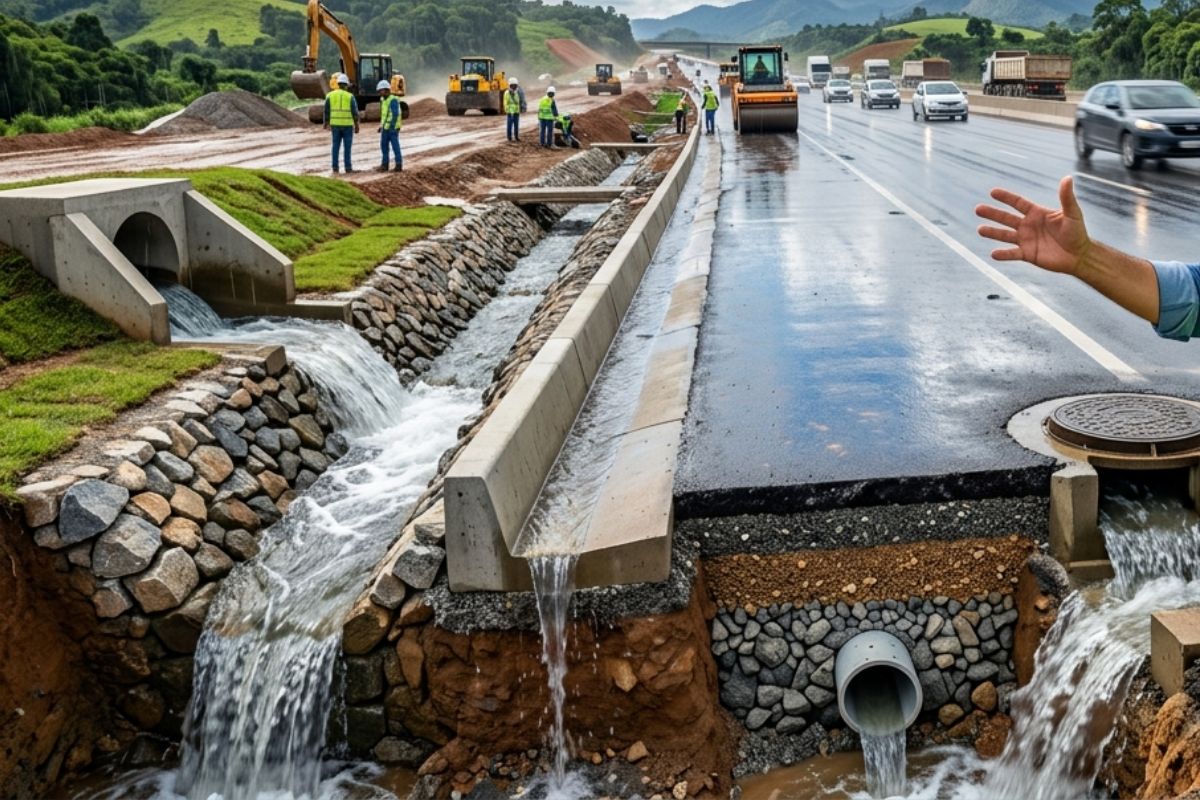
Engineer explains drainage during the rainy season: the difference between surface water and deep water, ditches, gutters, and water outlets on the road, as well as drains and drainage mattresses, to prevent erosion, aquaplaning, and flooding at the construction site today.
-
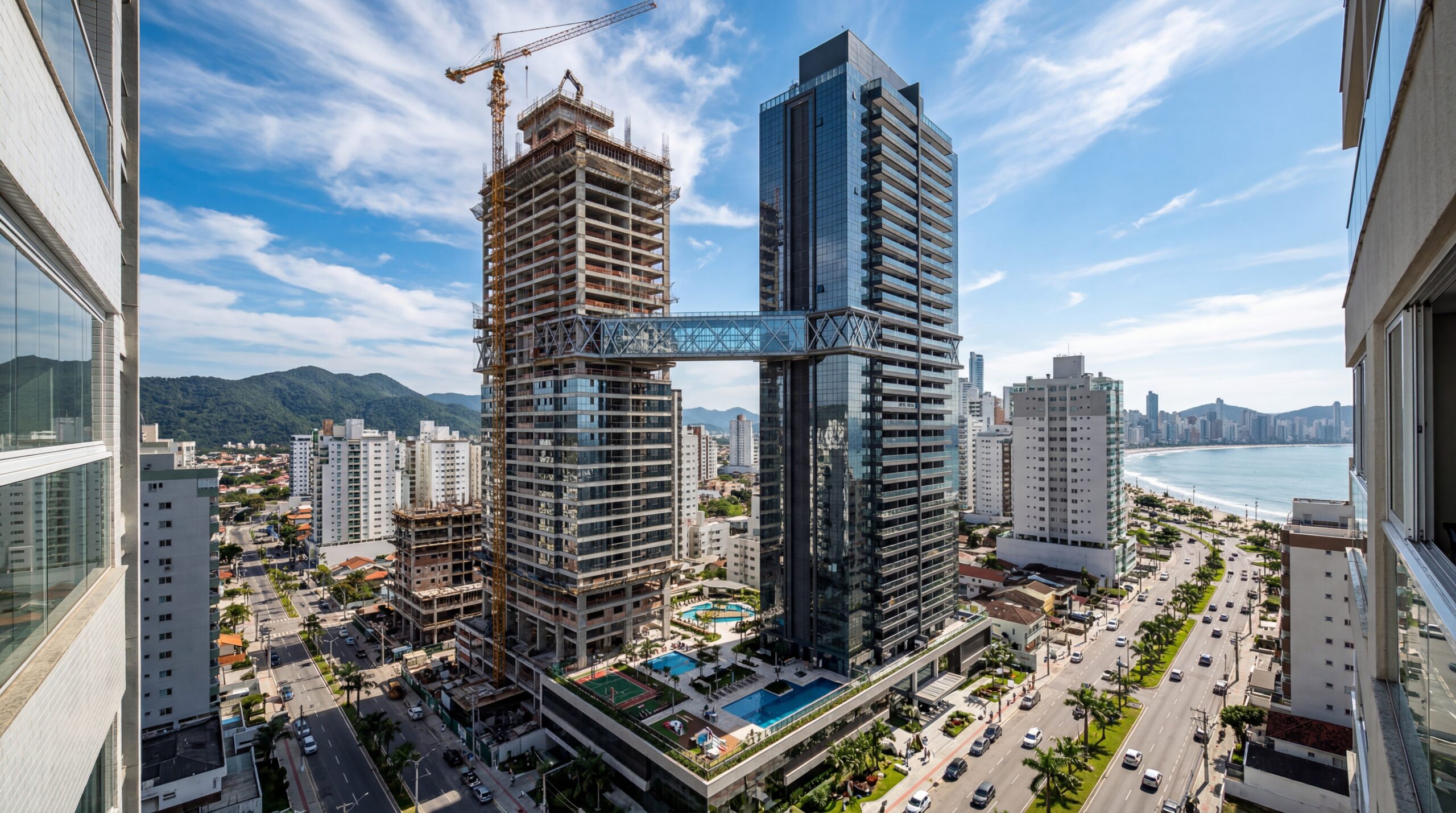
With 55 floors, 177 meters in height, a 15-meter walkway between the twin towers, ventilated facade, and 6,300 m² of leisure space, Ápice Towers already has one tower completed and another nearly at the top.

The initial idea was not to create a “village,” but a simple floating platform that would serve as a home and studio. Over time, the project grew organically.
New platforms were added, structures were expanded, and Freedom Cove transformed into a small interconnected floating complex, composed of residential areas, art studios, greenhouses, storage spaces, and communal areas.
A Floating Village Built Almost Entirely By Hand
Freedom Cove was not built all at once. It is the result of over three decades of continuous construction, primarily done by hand, using repurposed materials and floating structures originally used in fish farming.
The platforms are supported by recycled industrial floaters, anchored to withstand changes in tide, wind, and currents. On these bases, houses, walkways, greenhouses, and covered areas were erected, all connected by wooden bridges.
There is no “final design.” The village grows according to the needs of its inhabitants and the resources available, making Freedom Cove a constantly transforming organism.
Life Off The Power Grid And Without Urban Infrastructure
One of the most impressive aspects of Freedom Cove is the fact that it functions entirely off the power grid. The energy used on site is primarily generated by solar panels, supplemented by generators during periods of low sunlight, common during the winter on the Canadian Pacific coast.
Drinkable water comes from rainwater collection, stored in reservoirs and filtered for household use. There is no connection to public water supply or sewage systems. Organic waste is composted, while other types of garbage must be transported by boat to the mainland.
Nothing arrives automatically. Any supplies, tools, or materials must be planned in advance, purchased on the mainland, and brought to the cove by boat.
Food Production And Partial Self-Sufficiency
Although not completely self-sufficient in terms of food, the residents of Freedom Cove produce a significant portion of what they consume. Floating greenhouses allow for the cultivation of vegetables even in a cold and humid climate, while fishing provides complementary protein.
The adopted logic is not one of extreme survival, but of maximizing reduction of external dependency. The goal has never been total isolation, but autonomy: choosing when to go to town, not being forced to do so by basic survival needs.
Geographic Isolation Does Not Mean Invisibility
Despite its physical isolation, Freedom Cove is not an unknown project. Over the years, the place has been the subject of international reports, documentaries, and articles in outlets such as The Guardian, National Geographic, as well as specialized platforms in alternative architecture and off-grid living.
Wayne Adams and Catherine King receive occasional visitors, researchers, journalists, and curious onlookers, always in a controlled manner. The village is not open to conventional tourism and does not operate as a commercial attraction.
A Social Experiment That Challenges The Modern Housing Model
What makes Freedom Cove relevant is not only the fact that it floats over the ocean but what it represents in an increasingly urban, expensive, and dependent world on centralized infrastructure. The project raises direct questions about the cost of living, access to housing, sustainability, and individual autonomy.
While large cities face housing crises, rising rents, and pressure on public services, Freedom Cove shows that other ways of living are possible, even if not replicable on a large scale.
Since 1992, Freedom Cove has survived storms, harsh winters, local climate changes, and constant logistical challenges. Three decades later, it remains inhabited, functional, and slowly expanding, always built by hand, always adapted to the conditions of the environment.
This is not a model for everyone, nor a universal solution. But it is a real, documented, and persistent example of how the conscious decision to step away from urban standards can lead to a radically different way of life that, for those who chose this path, is more aligned with their values.









-

-

-

5 pessoas reagiram a isso.