





 Portuguese
  English
  Spanish
  3 min of reading
  0 comments


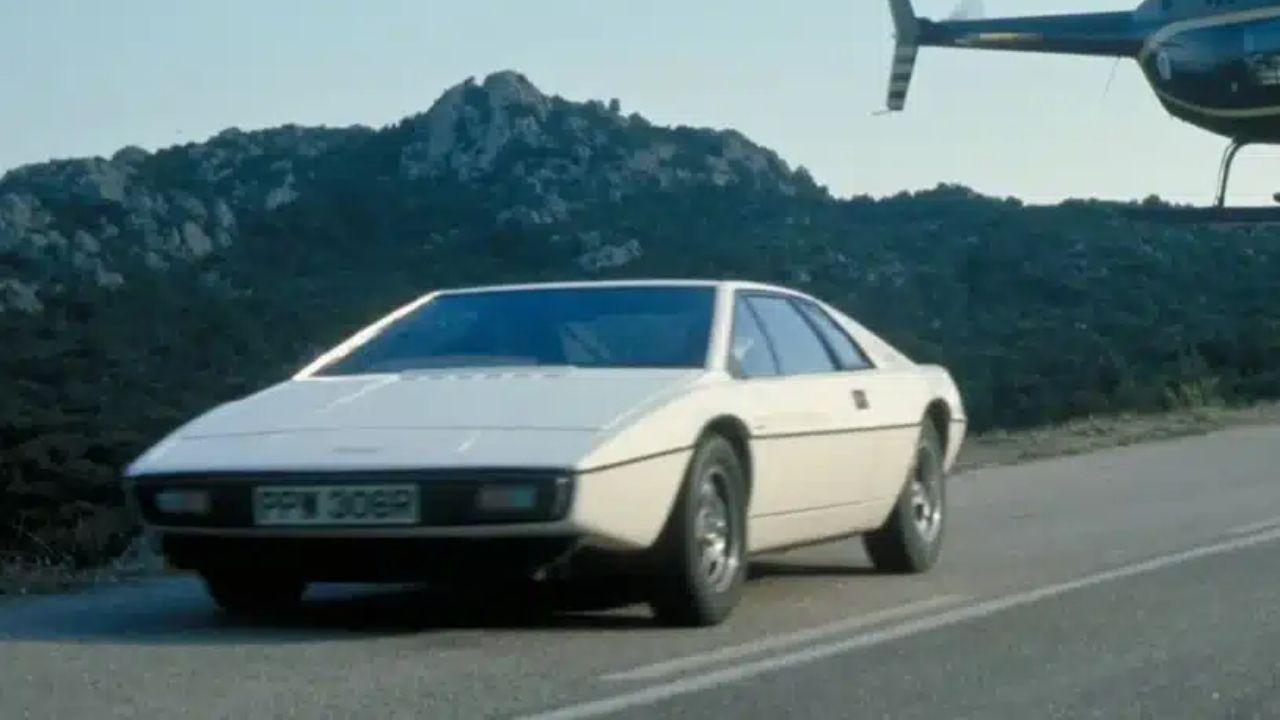
Forgotten Under Old Blankets in a Container, the Iconic Vehicle Was Auctioned for a Fortune and Inspired One of the Most Controversial Cars Today
In 1989, a contractor from Long Island, USA, participated in a “blind” auction for an abandoned container. With a modest bid of approximately US$ 100, he had no idea that beneath piles of dusty blankets, he would find one of the most legendary pieces in film history: the James Bond submarine car, used in the movie 007 – The Spy Who Loved Me (1977). The vehicle, which seemed like junk to untrained eyes, proved to be an investment with an almost incalculable return decades later.
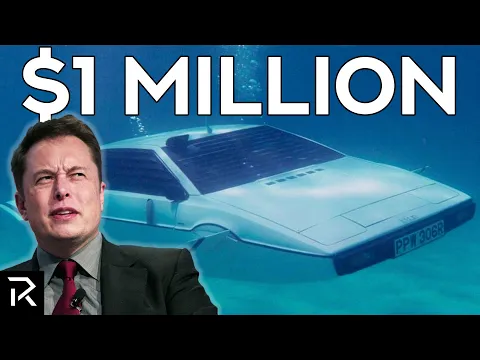
The discovery made worldwide headlines when the vehicle was authenticated and subsequently auctioned in 2013. The buyer was none other than billionaire Elon Musk, who shelled out about US$ 997,000 (approximately R$ 5 million in today’s conversion) for the piece. More than just a collector’s item, this modified Lotus Esprit carries a fascinating story of cinematic engineering, accidental luck, and a direct influence on modern automotive design.
The Engineering Behind the Magic of Cinema
To create the unforgettable sequence where Agent 007 dives into the ocean to escape from a helicopter, the film’s production spared no expenses. The vehicle, nicknamed behind the scenes as “Wet Nellie”, was not just a simple stage prop. It was built by Perry Oceanographic, a naval engineering company from Florida, at an estimated cost of over US$ 100,000 in the 1970s, a value that would today exceed US$ 500,000.
-
These living root bridges and ladders are over 700 years old and help indigenous people survive in one of the rainiest regions in the world.

-
From sertanejo star to international investor: Ana Castela invests millions in a mansion in the USA, creates a themed accommodation in Orlando, and shows that the “boiadeira” also wants to grow away from the stage.

-
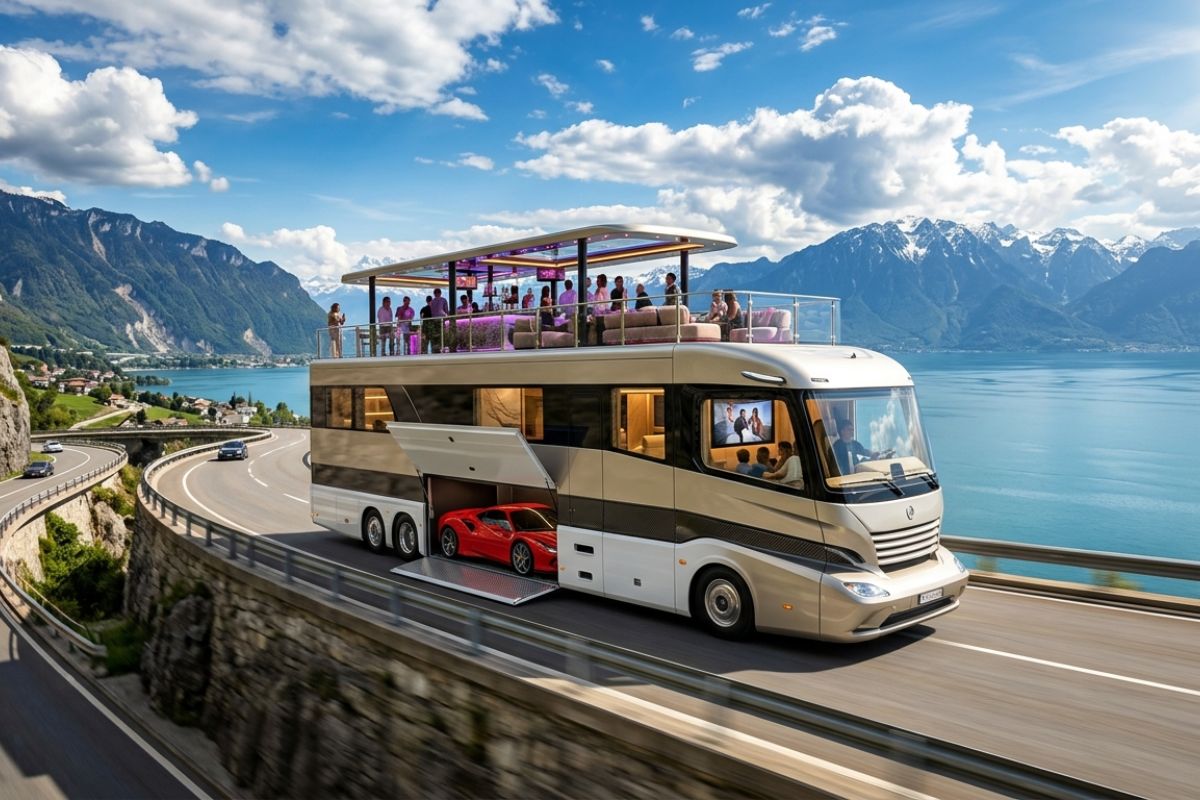
The 10 most stunning motorhomes in the world: a $3 million trailer with a rooftop nightclub and garage for a Ferrari, “palaces on wheels” with Italian marble, private cinema, and five-star hotel luxury for billionaires.
-
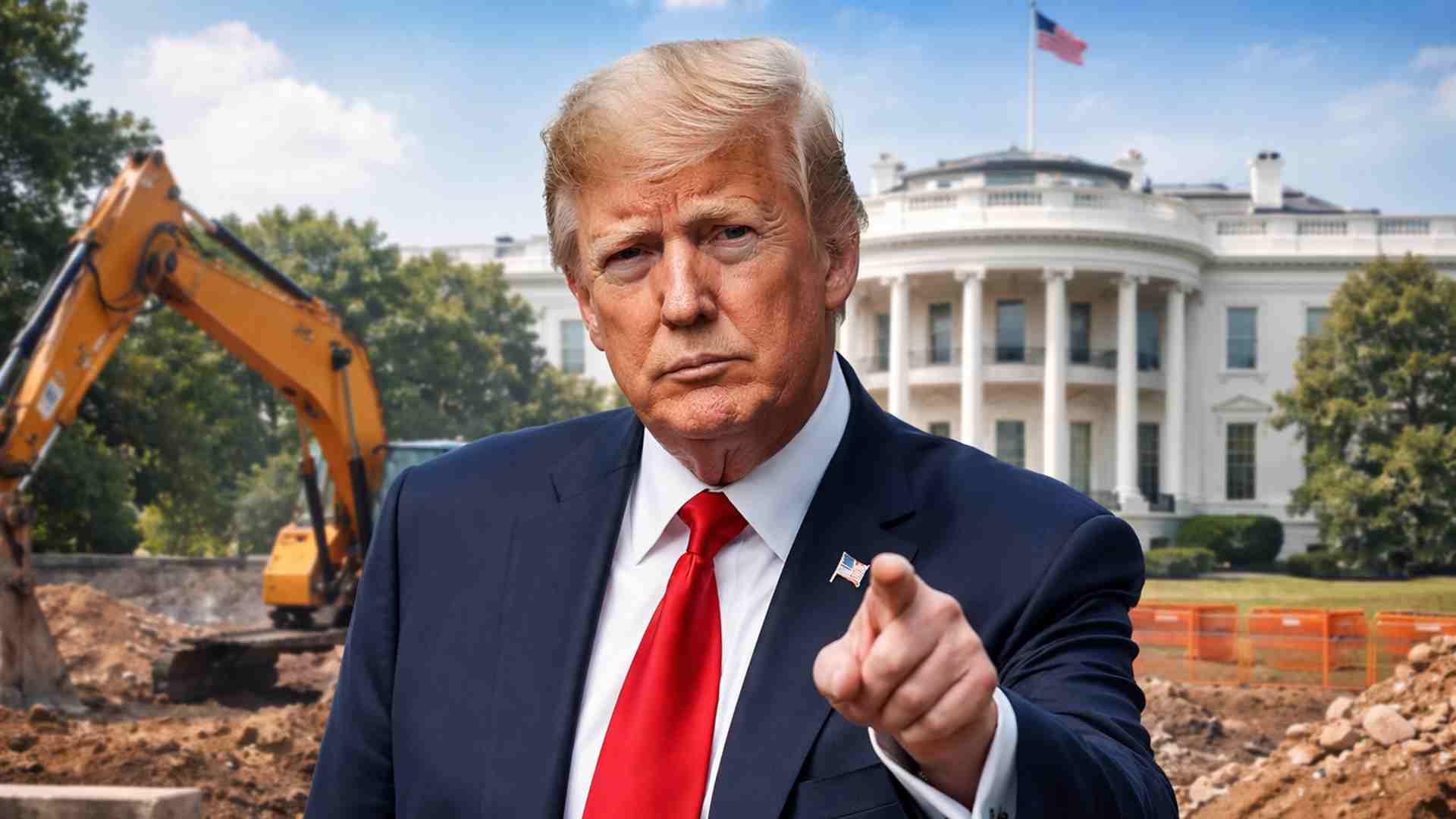
Trump wanted to spend $400 million on the White House, but the courts prohibited the million-dollar construction.

Unlike what the film suggests, the “Wet Nellie” is a “wet submarine”. This means its interior is not pressurized, requiring occupants to wear full diving gear during operation. The car does not have a functioning automotive engine; underwater, it was powered by four electric motors and maneuvered through articulated fins, operated by a team of two divers, including a former Navy SEAL.
From Unknown Junk to Authenticated Treasure

After filming and the promotional tour, the vehicle was stored in a prepaid container for ten years and, surprisingly, forgotten by the studio. When the rental expired in 1989, the contents were put up for auction. The buyers, who had never watched a James Bond movie, initially thought they had purchased a broken sports car, without wheels and with a dented roof.
The true identity of the car only began to be unveiled when truck drivers, seeing the vehicle being towed, commented over the radio that it looked like “the James Bond car.” Intrigued, the new owners rented the movie on VHS to compare. The official confirmation came years later, turning the US$ 100 investment into a million-dollar asset that was preserved, ironically, by the initial lack of knowledge of its owners.
The Million-Dollar Auction and Elon Musk’s Vision
In 2013, the “Wet Nellie” was the star of an auction in London, selling for almost US$ 1 million. The buyer, later revealed to be Elon Musk, admitted to buying the car out of pure childhood nostalgia. Musk claimed to have been “disappointed” to discover that the car didn’t actually transform, as in the movie.
His initial intention was ambitious: to update the vehicle with a Tesla electric drivetrain to try to make it actually transform. Although this complex engineering project hasn’t been publicly realized, the Lotus Esprit had a different and lasting impact. Musk confirmed that the angular, futuristic design of the “Wet Nellie” served as the main aesthetic inspiration for the Tesla Cybertruck, proving that the investment directly influenced the future of the automotive industry.
Do you believe Elon Musk should attempt to modify the original vehicle to make it functional, or should a historical piece like this be kept exactly as it was found? Leave your opinion in the comments.







-

-

2 pessoas reagiram a isso.