





 Portuguese
  English
  Spanish
  3 min of reading
  0 comments


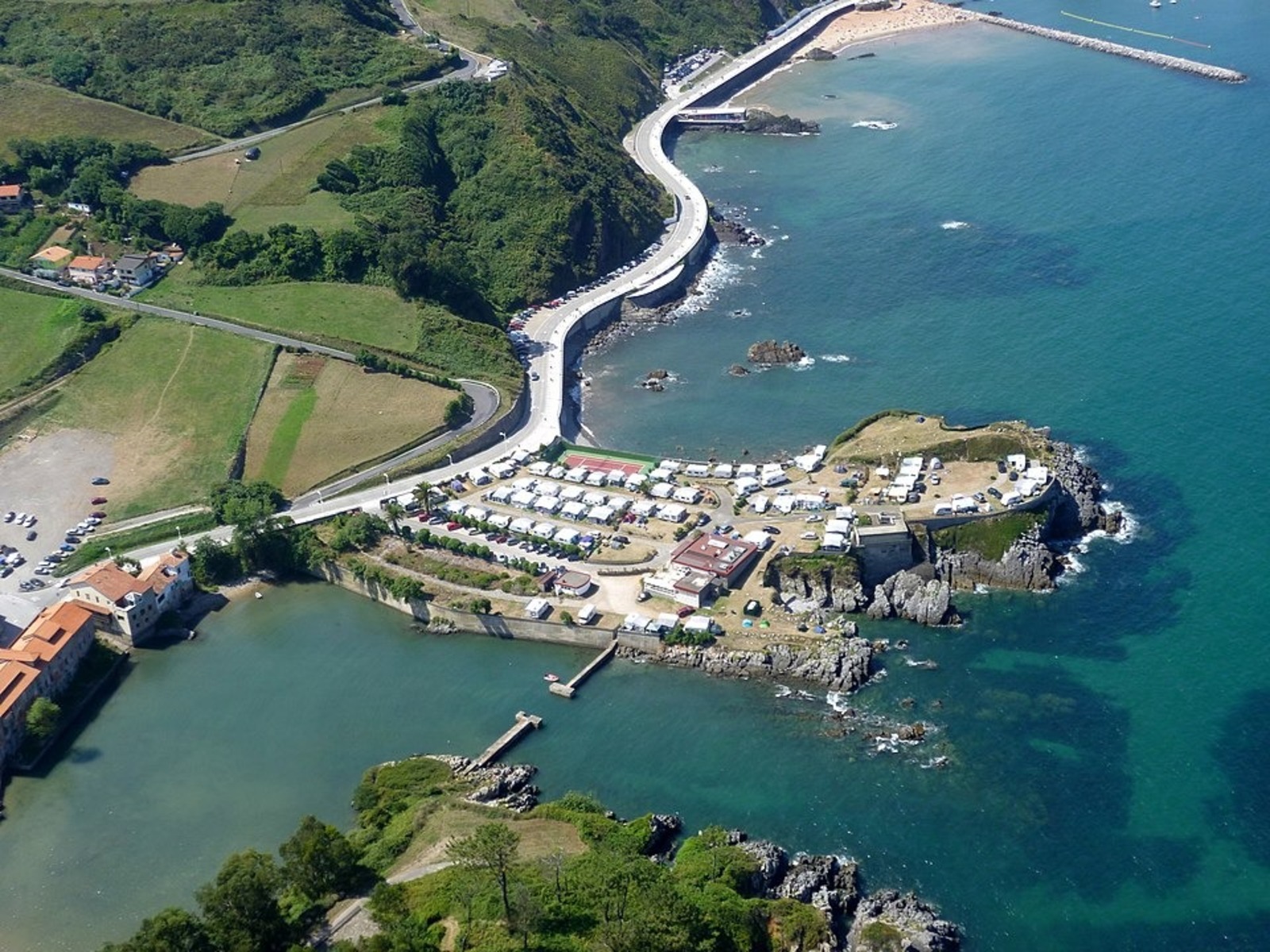
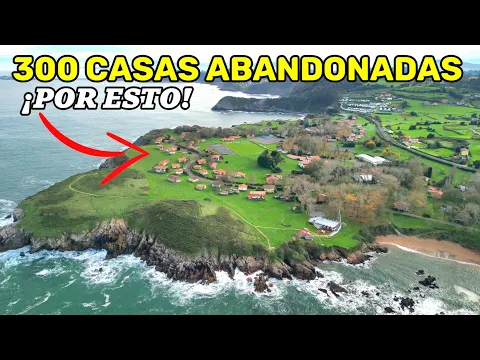
Perlora Residential City in Asturias Created in 1952 with 20 Hectares by the Cantabrian Sea, 90-Room Hotel Opened in 1954 and 274 Abandoned Buildings After 2006 Summarizes the Rise and Fall of Spanish Social Tourism
Created in the 1950s as a state vacation destination on Spain’s northern coast, Perlora Residential City in Asturias transitioned from an organized tourist hub to an abandoned area, with empty buildings, due to administrative decisions and lack of investment, while debates on rehabilitation continue.
State Origin and Official Opening of the Complex
Created during the Franco dictatorship in 1952, Perlora was part of a subsidized state leisure plan, aimed at organizing popular vacations in controlled, accessible environments close to the Cantabrian coast.
In 1954, the opening of the Jacobo Campuzano Hotel, with 90 rooms, marked the official opening of the space, solidifying the project as an institutional reference for social tourism in northern Spain.
-
A strong earthquake in Indonesia affects houses and schools, causes panic, triggers a tsunami alert, and records a rise in sea level of up to 30 centimeters in some areas.
-
The Argentine government celebrates the lowest poverty rate in 7 years, but experts warn that the methodology has changed, real wages have fallen, unemployment has risen, and the number of people on the streets of Buenos Aires has increased by 57% since Milei took office.

-
7.8 magnitude earthquake in Indonesia frightens the population, triggers tsunami alert, and hits an island with over 200,000 inhabitants this Thursday.
-
Google will finally let you change that embarrassing Gmail address you created in your teenage years without losing any accounts, logins, or old emails: the feature is already available in the United States.


Urban Configuration and Territorial Dimension
Over the years, the complex gained houses, apartments, and residences of various styles, forming an integrated tourist microcosm, with accommodation, services, and beaches concentrated in about 20 hectares.
The direct proximity to the Cantabrian Sea and the compact spatial organization allowed for short distances between housing, leisure, and services, reinforcing the logic of a planned resort city.
Infrastructure That Sustained Attractiveness
Perlora brought together facilities focused on leisure, community, and culture, going beyond beach houses, with sports fields, a playground, a chapel, an outdoor theater, and a community library.
With bars, restaurants, grocery stores, and extensive green areas, the accommodation network offered diverse typologies, sustaining a self-sufficient model of collective and organized summering.

Peak of Tourist Activity and Employment in the City
At its peak, the complex employed about 200 people and received over two thousand vacationers each year, also attracted by the nearby beaches of Huelgues, Carranques, and Madrebona.
This steady flow consolidated Perlora as a regional reference for social tourism, associating affordable vacations with community living and intensive use of the available infrastructure.
Administrative Transition and Onset of Decline
The decline was gradual and associated with political changes following the democratic transition, when, in 1982, management shifted from the central state to the Government of the Principality of Asturias.
The administrative change altered funding and maintenance, without consistent investments or adaptation to new tourism standards, accelerating the progressive deterioration of the buildings.
Closure, Demolitions, and Current Scenario of the Ghost Town
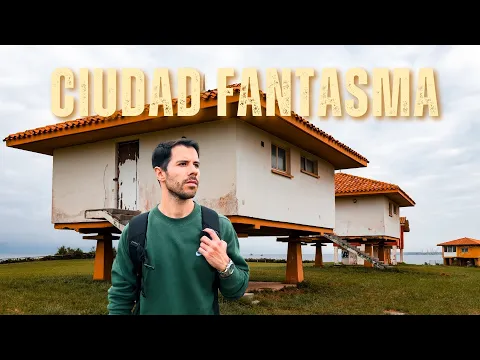
Privatization projects did not advance, the Jacobo Campuzano Hotel was demolished in 2005, and in 2006, the accommodations closed, leaving 274 abandoned buildings exposed to vandalism.
Despite the abandonment, Perlora still attracts curious visitors and photographers, retaining symbolic value for families who recall summer seasons at the beach, while rehabilitation plans are still under study, even with ongoing debates about coastal protection and future public use.
With information from O Antagonista.






-

-

-

-

-

7 pessoas reagiram a isso.