





 Portuguese
  English
  Spanish
  7 min of reading
  0 comments


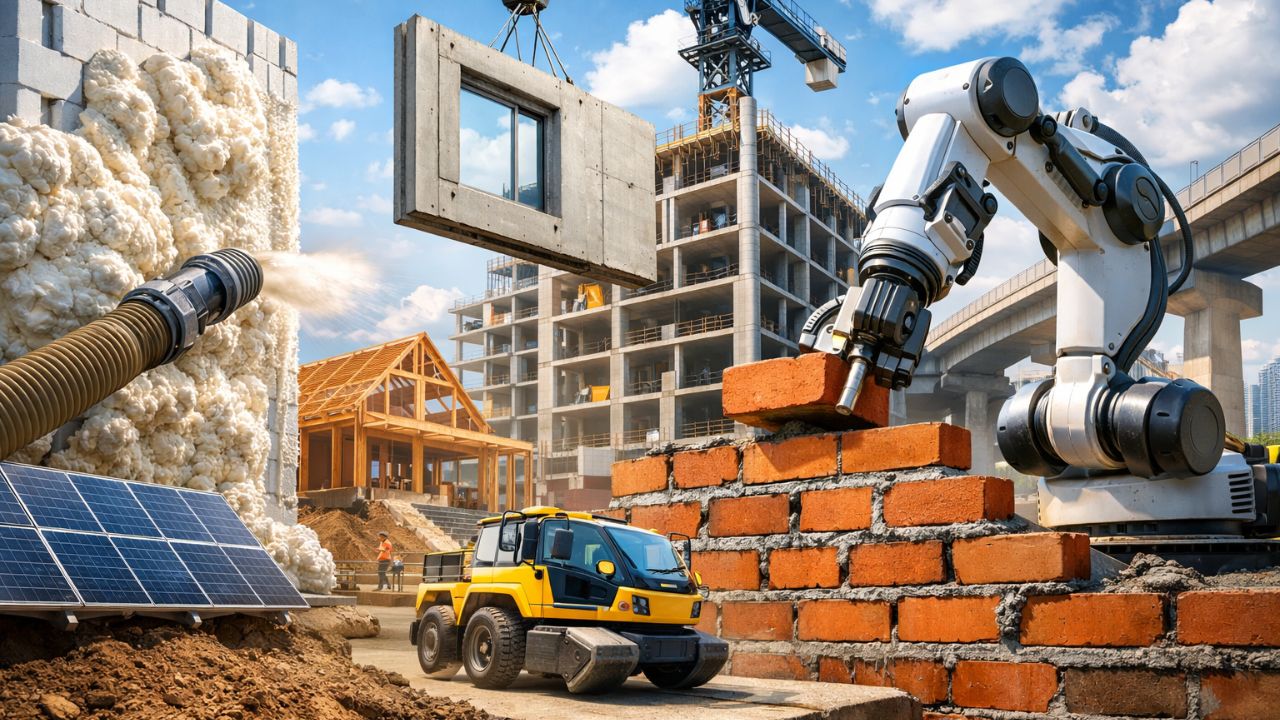
From Factory to Job Site, Civil Construction Accelerates with Sustainable Materials, Rapid Assembly, Less Risk, Lower Cost, and High Precision in Houses, Buildings, and Roads.
Civil construction is accelerating like never before with a new generation of materials, modular systems, and jobsite robots that replace improvisation with planning, precision, and sustainability. Instead of relying solely on concrete, gravel, and scaffold labor, solutions are emerging that provide better insulation, reduce waste, increase safety, and deliver projects in a fraction of the time.
At the same time, mineral foams, hemp-based blocks, concrete with recycled tires, and smart coatings demonstrate that it is possible to build in a lighter way for the planet, without sacrificing structural performance.
Houses, buildings, and roads are now being erected like fine engineering assemblies, with each step designed to accelerate execution and cut costs throughout the entire lifespan of the project.
-
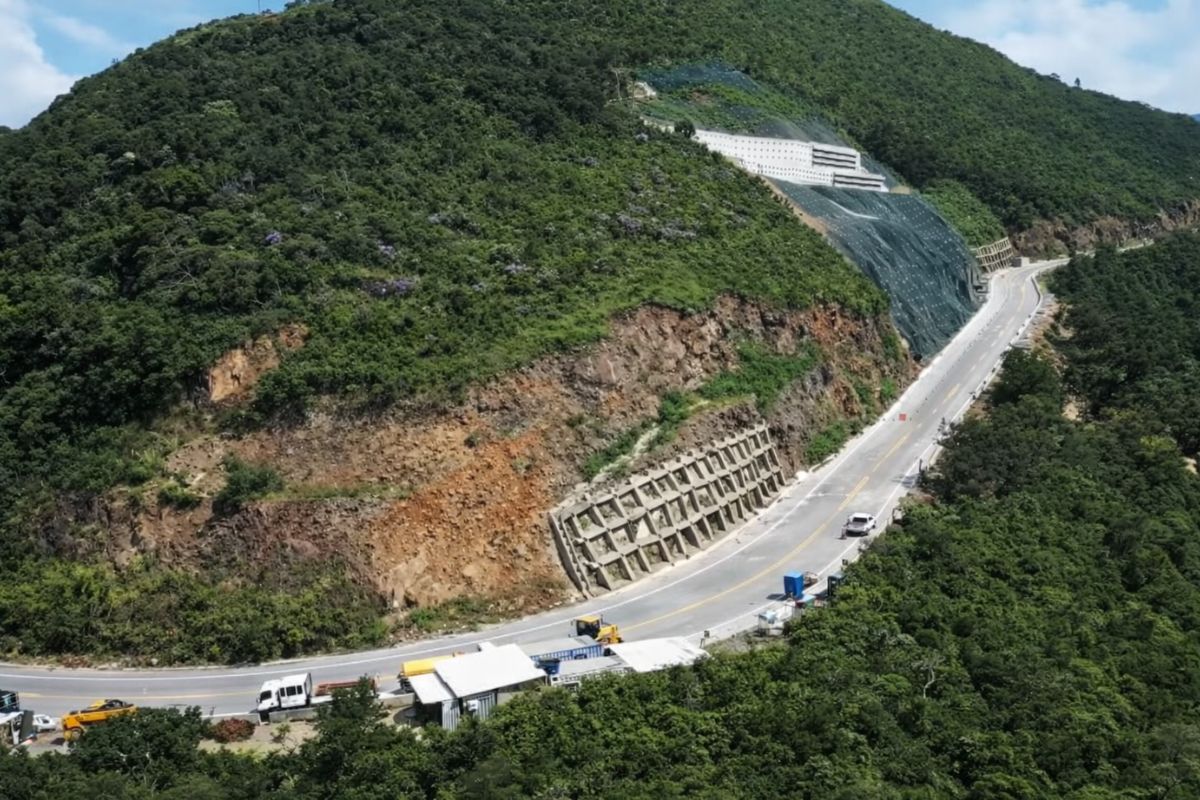
The section of Serra da Rocinha on BR-285 is now open in Timbé do Sul: 50 m tensioned curtains and top-down technique stabilize the slope, with a stairway duct controlling the water.
-
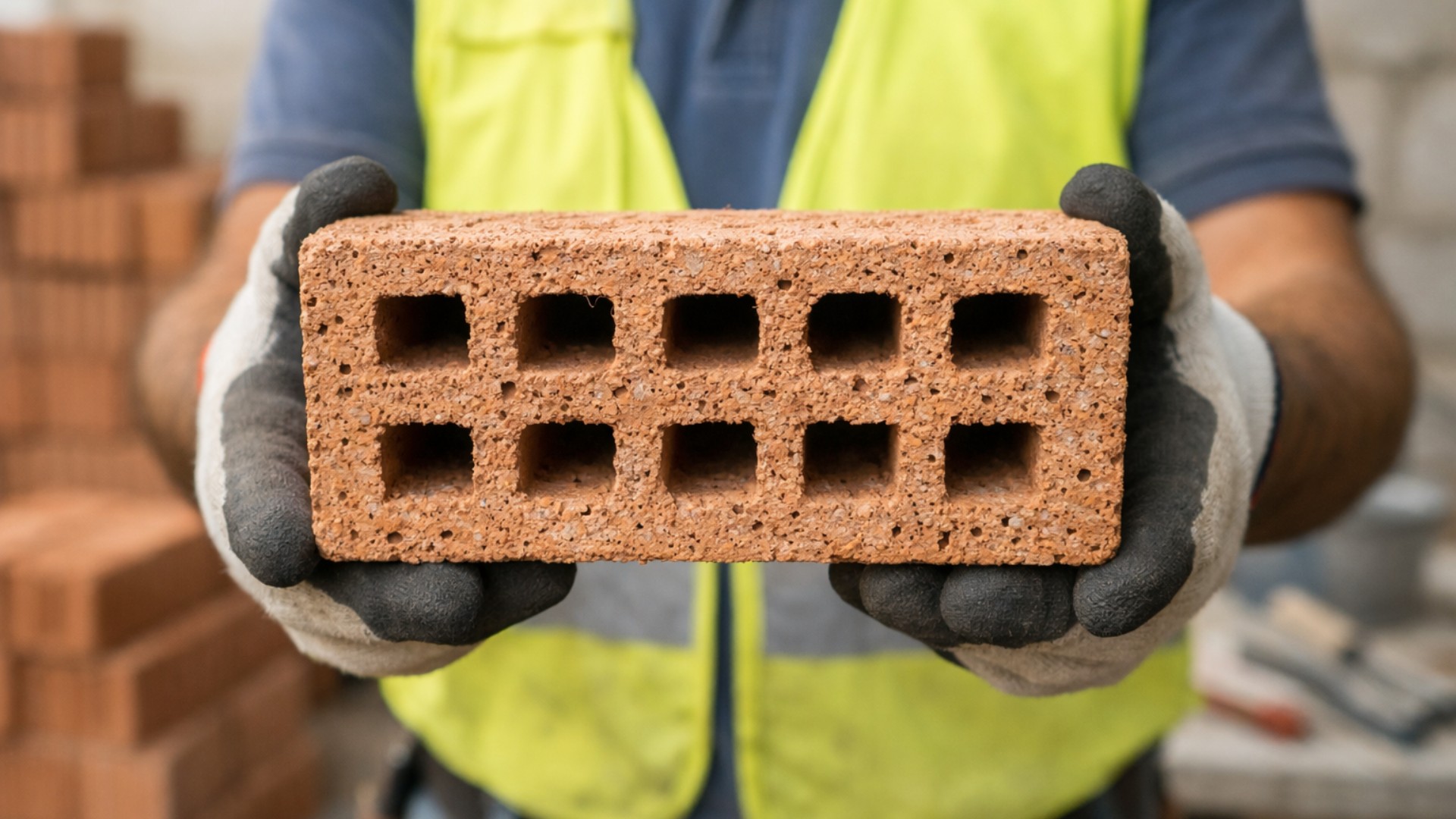
Scientists use sawdust mixed with clay to create a lighter brick, promising efficient thermal insulation and impressing by transforming waste into a solution for construction.
-
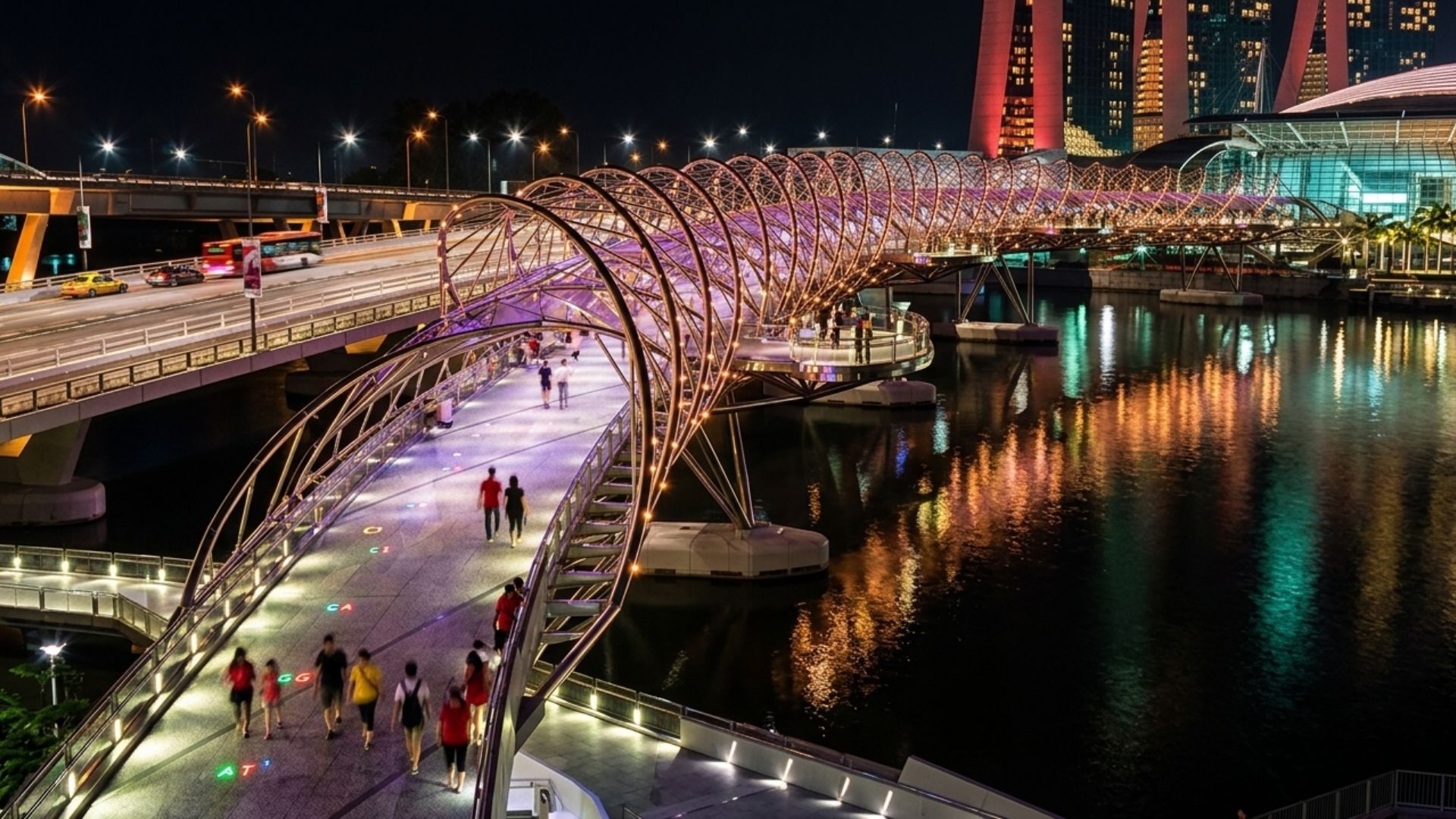
With a DNA shape, this bridge in Singapore draws attention in modern architecture and surprises tourists by transforming a simple crossing into an unforgettable visual experience in the urban heart.
-
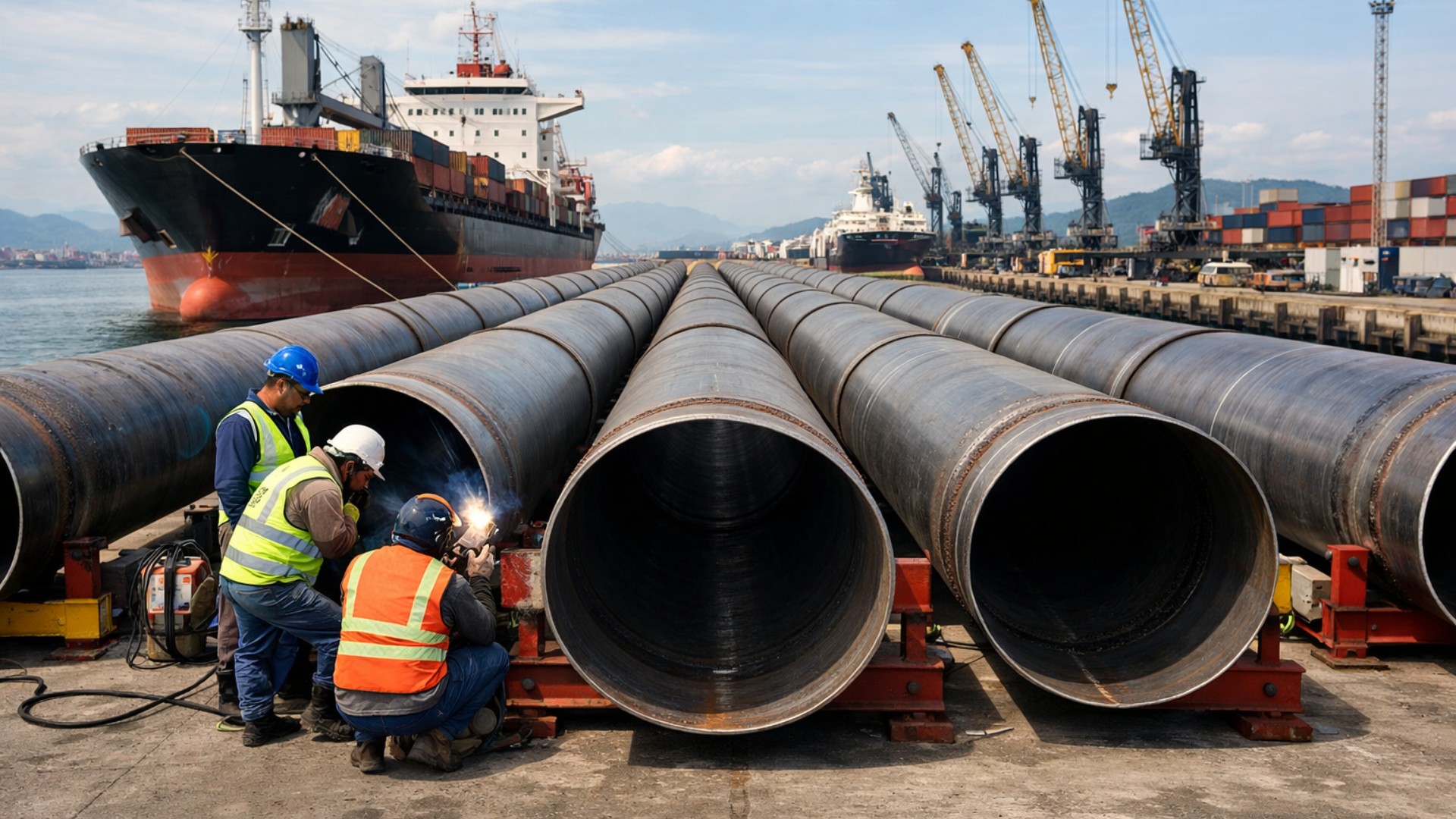
Giant underwater pipeline begins to take shape with a R$ 134.7 million project at the Port of Santos: the 1.7 km structure uses 12-meter and 700 mm pipes to supply water to 450,000 people in Guarujá.
Materials That Isolate, Protect, and Reduce Environmental Impact
One of the engines driving this new phase of accelerated civil construction is the revolution in materials. The Airium foam, for example, is a mineral-based insulation that arrives in liquid form, fills all gaps, and hardens quickly, creating a continuous envelope in walls, slabs, and roofs.
It is fire-resistant, does not create mold, and is 100% recyclable, providing thermal and safety performance in a single application step.
In the same vein, coatings such as Blue Max emerge, a liquid rubber waterproofing that adheres to concrete, wood, metal, and other surfaces.
With elasticity of up to 1200 percent, it does not crack, peel, withstands water, mold, and UV rays, and can be applied with a brush, roller, or spray. This simplifies construction, reduces rework, and extends the lifespan of exposed structures.
For those seeking a truly healthy envelope, hemp-based blocks like those from Just BioFiber create houses with negative carbon, fire-resistant, free of mold and pests, non-toxic, and with high seismic resistance.
It is a type of solution where civil construction accelerates without pushing the climate bill into the future, combining comfort, safety, and sustainability into a single wall system.
Rapid Assembly, Less Risk, and Projects That Come to Life in Days

The acceleration also comes from how structures are assembled. Systems like Structured Build and Lift allow roofs to be built on the ground and then raised with hydraulic jacks, removing scaffolding and much of the risk of working at heights.
Roof and structure are ready in no time, with a safer and more predictable operation.
Other solutions address classic bottlenecks in reinforced concrete. The Steck-Box, for example, is a modular piece that creates reserves in beams, slabs, and walls in up to 36 different sizes.
Instead of improvising with styrofoam, wood, and patches, the engineer simply fits the right module, saving time, labor, and headaches in installation pathways.
When it comes to wall assembly, SYSTEM 3E brings LEGO logic to the job site. Using perlite-based modules, the walls are raised using a click-click method, without traditional mortar, and can be ready in a day, with 100 percent recyclable materials.
Civil construction accelerates by replacing bucket and trowel with high-precision fittings, reducing noise, dirt, and variations in quality from team to team.
There are also plastic formwork systems for reinforced concrete walls and foundations that allow an entire house to be built in about seven days.
The mold is assembled like a kit, concrete is poured all at once, and once cured, the result is a resistant and durable structure, with less discarded wood and a much leaner schedule.
Floors, Walls, and Ceilings That Do More Than “Close” Spaces
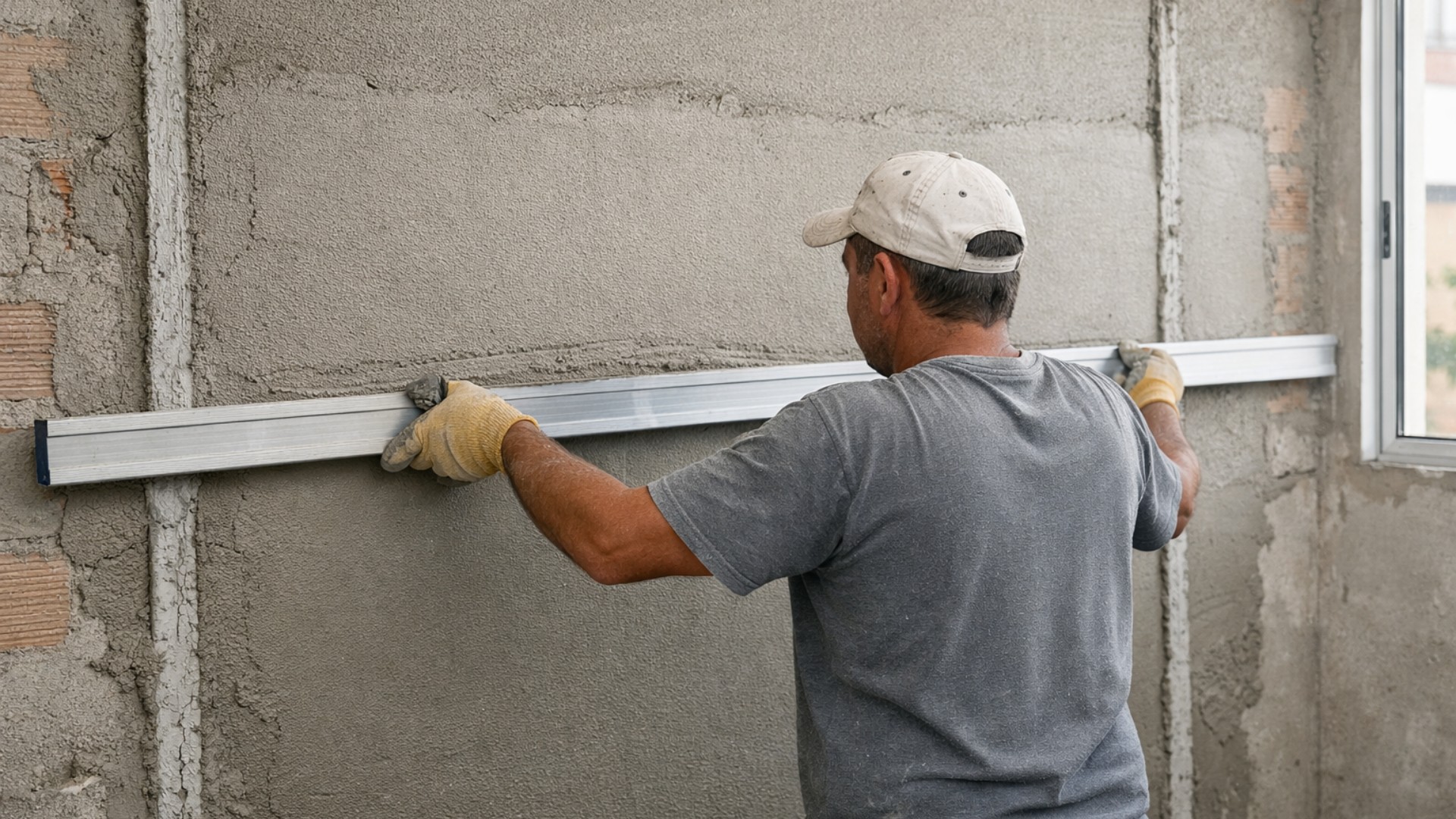
Meanwhile, finishing products are gaining new functions. Synthetic anhydrite mortar, for example, is prepared with binder, aggregates, and additives to be poured on the floor and leveled in a continuous layer. The result is a smooth, durable, and aesthetically superior floor, ready to receive coverings with fewer corrections and intermediate stages.
On walls, the natural poplar bark cladding from BarkClad brings a nature-inspired look. Each piece is peeled by hand, dried in an oven, and cut to size, which makes each panel unique and gains personality over time, as the material ages naturally.
Elevated floor systems, such as the aluminum panels Titanflor, create an adjustable structure that can reach 2.5 meters in height, with steel feet and beams and an anti-static surface.
This creates space for electrical, data, and climate control networks beneath the floor, ideal for data centers and clean rooms, and accelerates renovations, as the panels can be removed and replaced without breaking anything.
Thermal Comfort and Energy Efficiency Integrated into the Design
In residential and commercial buildings, civil construction also accelerates in how it handles thermal comfort and efficiency.
The BLANKE PERMATOP WALL system carries hot or cold water pipes inside the walls, functioning as a large invisible radiator. With low temperature differences, the environment receives more homogeneous radiant heat, without strong drafts, and optimized energy consumption.
To complement, the ThermaBead system injects special polystyrene beads with a resin emulsion into wall cavities, sealing micro-gaps and creating long-lasting insulation. This reduces energy loss and helps maintain stable internal temperatures, decreasing the need for mechanical climate control.
On the roof, closed-cell external foam is spray-applied at high pressure. It prevents vapor transmission, avoids moisture and mold, adapts to any roof shape, fills cracks, and ensures watertightness.
Thus, civil construction accelerates the waterproofing stage and, at the same time, improves thermal performance and the durability of the roofing system.
Insulators such as PINK Next Gen fiberglass also enter this package. With installation up to 23 percent faster, a softer texture, and low dust generation, the material is fire-resistant and mold-resistant, breathable, and contributes to energy savings and acoustic comfort.
More Durable Roads and Infrastructure with Fewer Resources

It is not only in houses and buildings that civil construction accelerates. In roads, fiberglass reinforcements placed between layers of asphalt redistribute stresses, reduce cracks, and significantly increase the pavement’s lifespan.
This cuts maintenance costs and decreases resource consumption over the years, making it an important ally in modern highways.
For erosion-prone works, HYDROTEX fabric concrete mattresses are positioned on-site and filled with fluid concrete.
After curing, they form a flexible armor that follows the terrain and resists water action, creating a long-lasting protection on riverbanks, channels, and slopes.
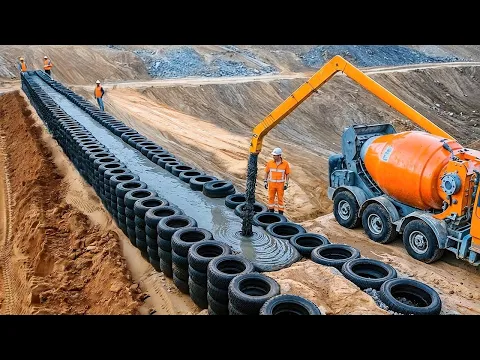
Mechanical Concrete, developed with geocellular aggregates and used tires, uses the shape of the tires to contain and limit the concrete, increasing the load capacity of the structure by up to three times. Construction is quick, the carbon footprint drops, and waste that would go to landfills gains a high-value application.
Systems like Monopour, combined with Fastfoot, allow large volumes to be poured at once using polyethylene fabric concrete feet, saving time and wood compared to traditional forms. The versatility of use and quick installation make this duo attractive for foundations and larger structures.
Jobsite Robots and Automation That Change the Daily Life of the Job Site
If materials and systems already show how civil construction is accelerating, automation takes this movement to another level. The P900 robot from Partner Robotics works as an tireless tiler.
It aligns large ceramic tiles with laser and sets them with millimeter precision, completing hundreds of pieces per day without human intervention. This reduces errors, standardizes joints, and frees teams for more strategic tasks.
In structural masonry laying, the Hadrian X appears as the first automatic mobile robot designed for brick wall construction.
Powered by computer-aided design data, it positions each brick in the right place, with speed and safety. It is the logic of 3D printing applied to masonry, with less waste and more predictable schedules.
Even seemingly simple items, like an assembly adhesive, are entering the automation era. The product used in construction and renovations creates strong connections between wood, metal, concrete, and ceramics, works even on damp surfaces, is odorless, and, in about 30 minutes, becomes energy-conductive.
This opens up space for quick and clean fixtures in electrical and finishing systems, replacing drilling, plugs, and more labor-intensive mixtures.
What All This Changes for Houses, Buildings, and Roads
When looking at the overall picture, it becomes clear how civil construction accelerates in several fronts at the same time. Roofs assembled on the ground and lifted with hydraulic systems reduce risks.
Walls made of interlocking modules in LEGO style shorten project durations. Smart insulations cut energy consumption. Reinforced concretes and fabric mattresses extend the lifespan of roads and slopes.
For those living and working in these spaces, the result is healthier homes, more efficient buildings, more durable roads, and entire cities with less waste.
For those designing and building, it opens up a scenario where deadlines, costs, safety, and environmental impact can be managed with much more control. Instead of repeating old formulas, construction starts to incorporate high-performance solutions in almost every step.
In the end, the message is simple. When civil construction accelerates with intelligence, quality of life also accelerates along, with more comfortable environments, safer structures, and a much more responsible use of natural and financial resources.
And you, which of these technologies that make civil construction accelerate would catch your attention if you were about to build or renovate?







-

-

-

3 pessoas reagiram a isso.