





 Portuguese
  English
  Spanish
  4 min of reading
  0 comments


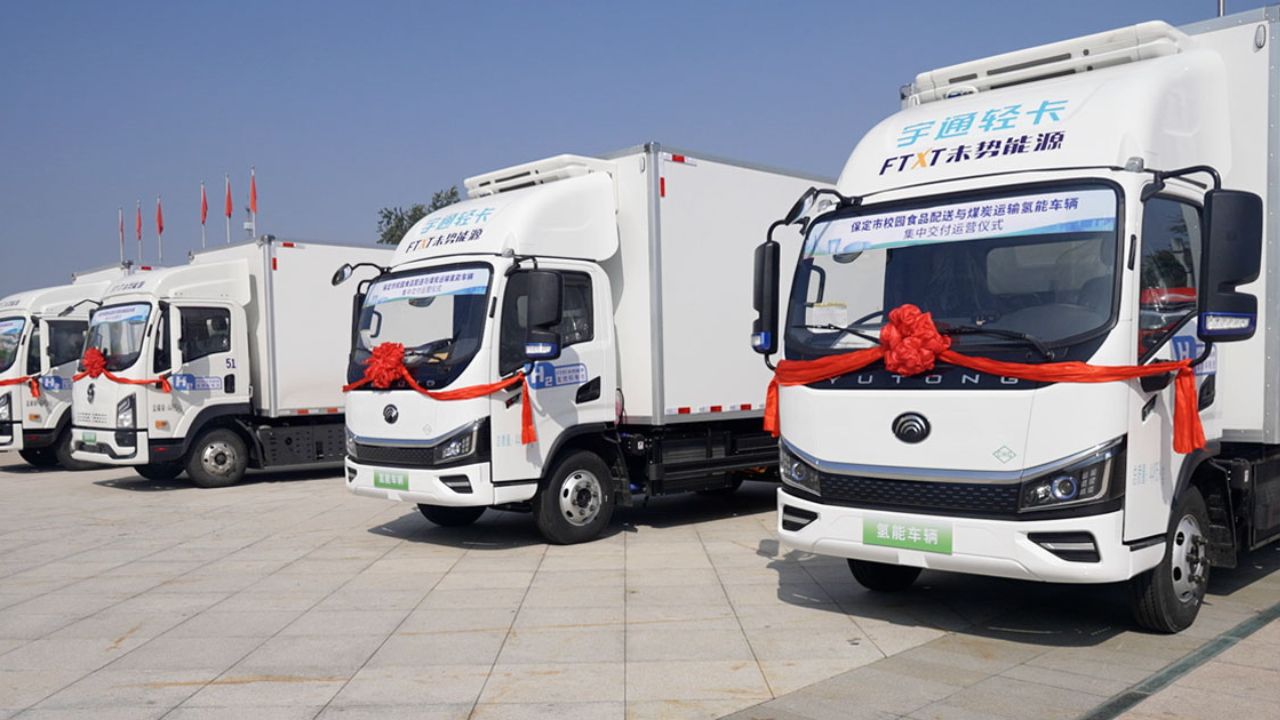
GWM Expands Its Presence in China with Over 2,000 Hydrogen Trucks in Operation, Reinforcing Sustainable Mobility and Accelerating Global Energy Transition
The Chinese automaker GWM (Great Wall Motor) announced a significant advancement in the energy transition of the heavy transport sector: more than 2,000 hydrogen trucks are already in operation in China.
The news, published by the website Notícias Automotivas this Thursday (16), highlights the growth of the fuel cell vehicle (FCEV) fleet and the strategic role of the brand FTXT, a subsidiary of GWM, in clean logistics and sustainable mobility.
GWM’s Hydrogen Truck Fleet Exceeds 2,000 Units in China
The newly announced fleet includes 500 hydrogen trucks, consisting of 200 light vehicles for refrigerated transport and food distribution, and 300 heavy trucks aimed at coal logistics.
-
Green hydrogen at home: Belgium launches new technology that makes solar panels produce fuel from the moisture in the air, which could boost the energy transition.

-
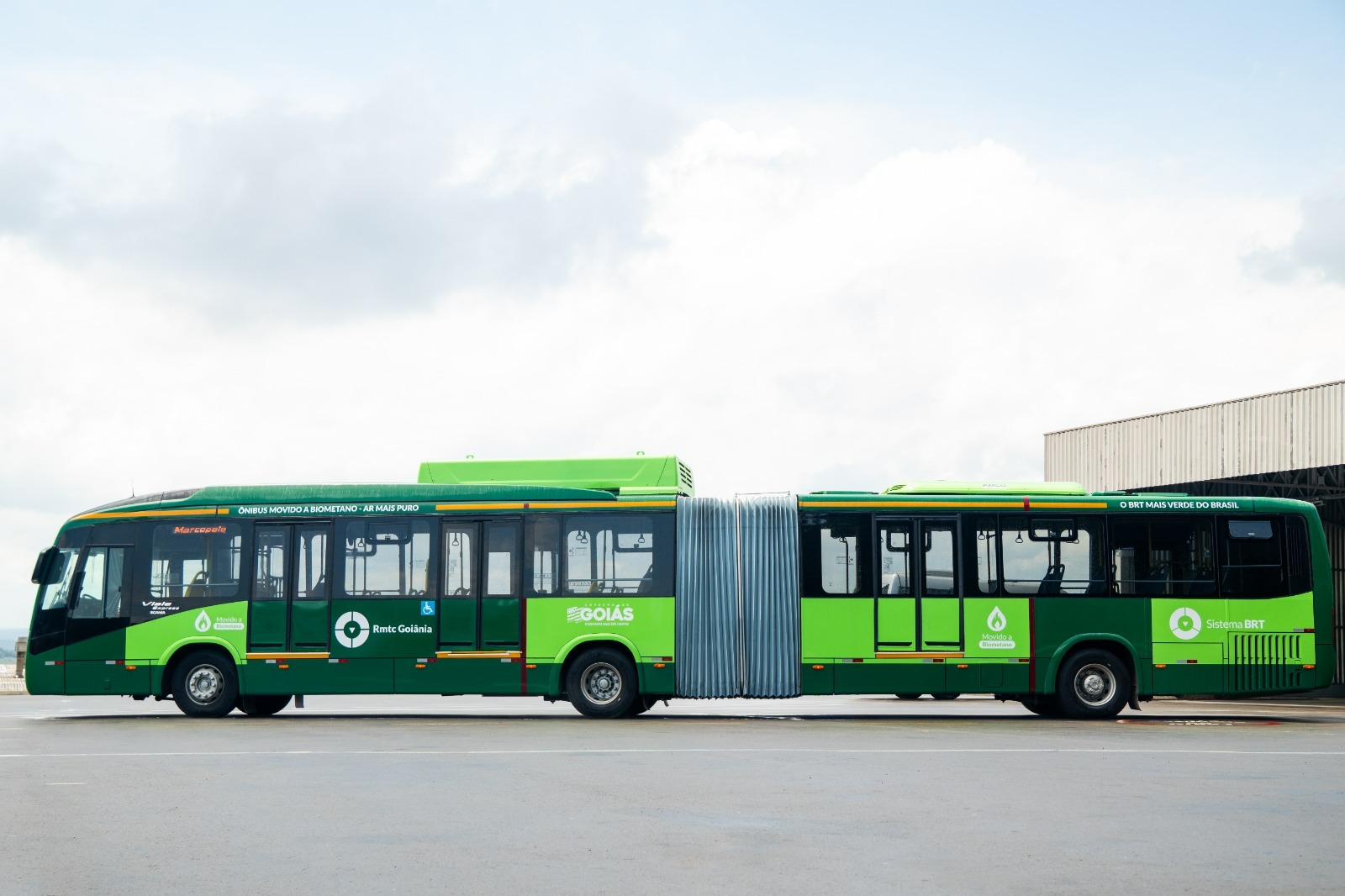
Revolution in public transport: Goiânia puts into circulation the first articulated buses powered by biomethane in Brazil and promises to drastically reduce pollution on the Anhanguera Corridor.
-
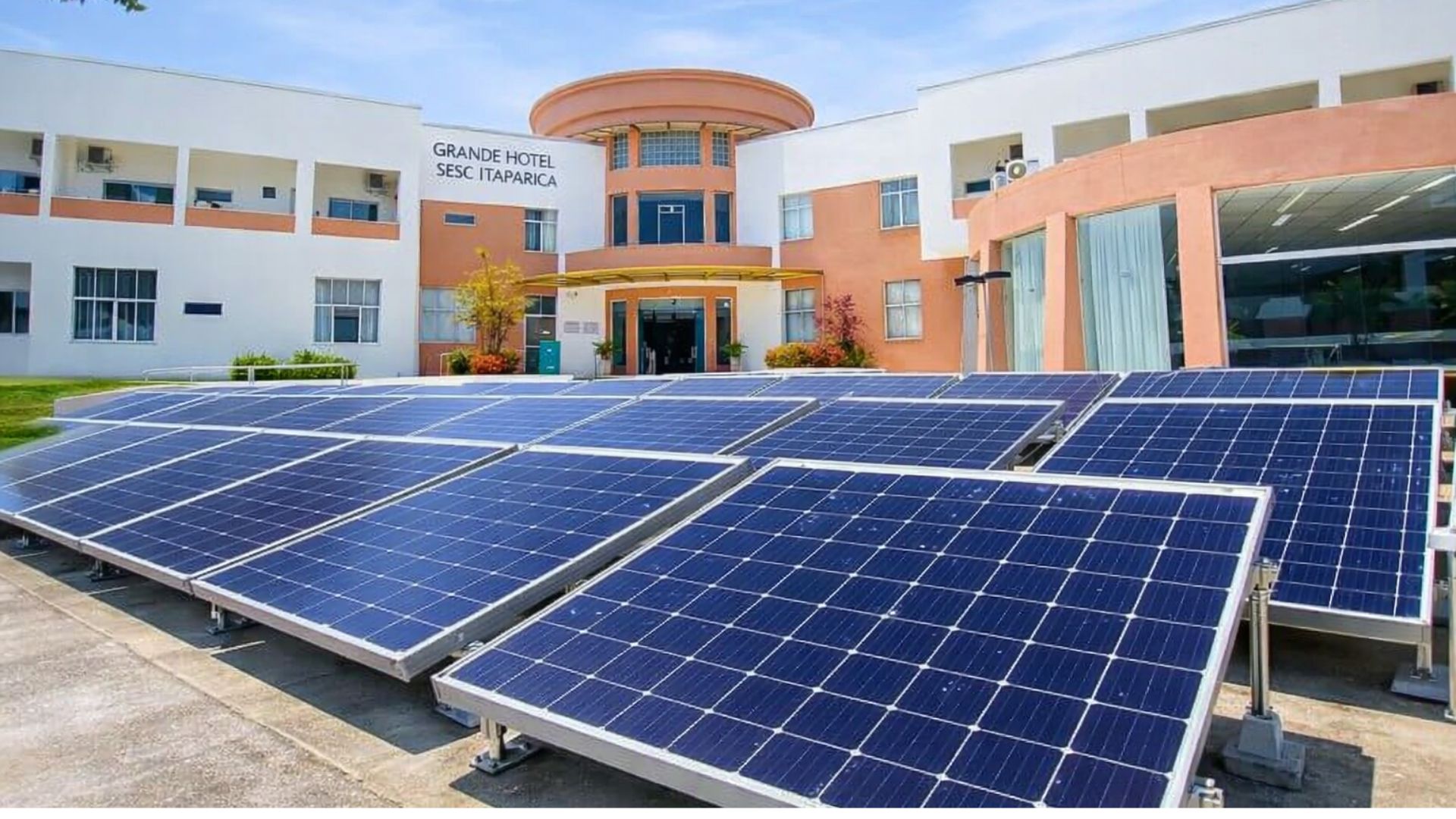
Sesc-BA bets on renewable energy with the support of EDP and drives the energy transition with a direct impact on cost reduction and the sustainability of its operations in Bahia.
-
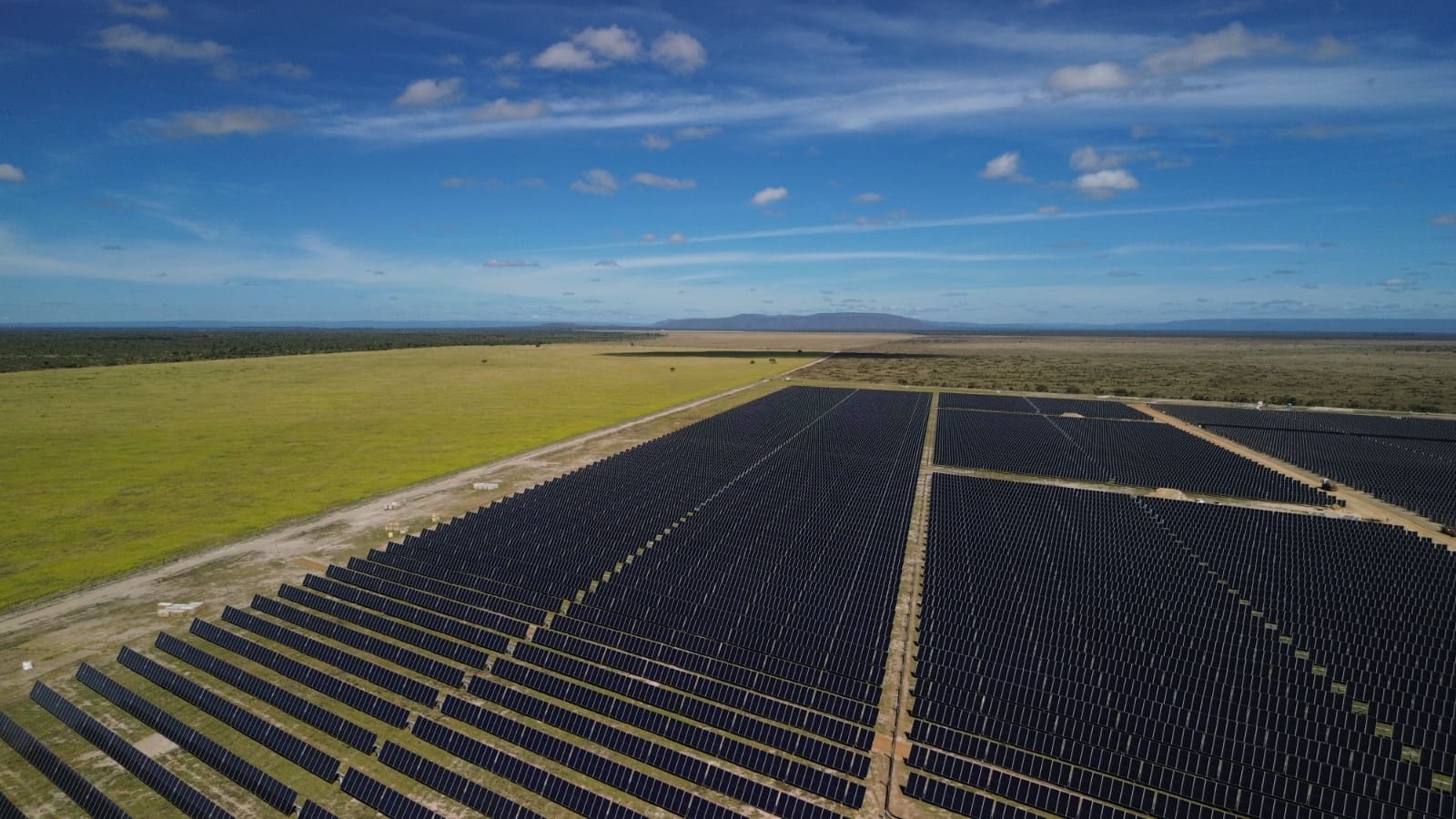
Technology giant breaks global sustainability records: How Amazon’s leadership in renewable energy procurement transformed the global energy market in the past year.


With this addition, GWM Hydrogen surpasses the mark of 1,000 FCEV vehicles in operation by 2025, consolidating over 2,000 units in circulation in the country.
This milestone reinforces the viability of fuel cell technology for large-scale cargo transport. GWM claims that the vehicles’ performance demonstrates technical and operational maturity, as well as contributing directly to the decarbonization of the logistics chain.
GWM and Leadership in Global Energy Transition
GWM has positioned itself as one of the global leaders in the energy transition of the automotive sector, especially in the heavy commercial vehicle segment. The FTXT subsidiary is responsible for developing fuel cell technologies and essential components for using hydrogen as a clean energy source.
Beyond China, the company has already begun testing hydrogen trucks in Brazil, focusing on the national market. The model was unloaded at the Port of Santos and is in the validation phase at GWM’s factory in Iracemápolis–SP. GWM’s international operations reinforce its commitment to sustainable mobility and technological innovation.
Hydrogen Trucks: A Viable Solution for Clean Logistics
The adoption of hydrogen trucks represents a promising alternative to reduce greenhouse gas emissions in road transport. Unlike conventional electric vehicles, FCEVs offer greater autonomy and reduced refueling time, essential characteristics for intensive logistics operations.
According to data from the International Energy Agency (IEA), the transport sector is responsible for about 24% of global CO₂ emissions related to energy, with heavy vehicles being one of the main contributors.
Replacing them with hydrogen-fueled trucks can significantly reduce this impact. FCEV technology allows trucks to operate with a significant reduction in pollutant emissions, contributing directly to sustainable mobility.
The national strategy includes tax incentives, subsidies for production, and public-private partnerships to accelerate the adoption of technology. GWM’s actions in this scenario reinforce the Chinese automotive industry’s commitment to sustainability and innovation.
GWM’s Global Impact and Future Perspectives
GWM’s advancements in China have global repercussions. The company plans to expand its operations in other markets, including Latin America, Europe, and the Middle East. The adoption of hydrogen trucks on an international scale can transform global logistics, reducing operational costs and environmental impacts.
Among the main benefits of FCEV trucks are:
- Zero CO₂ and air pollutant emissions
- Greater autonomy compared to battery electric vehicles
- Quick refueling, similar to diesel
- Reduced noise and vibration
- Lower long-term operational costs
These advantages make hydrogen trucks ideal for long-distance operations, refrigerated transport, and heavy logistics, as demonstrated by GWM in its operations in China.
Challenges and Opportunities in the Energy Transition
Despite the advances, the energy transition faces challenges such as:
- High production cost of green hydrogen
- Limited infrastructure in some countries
- Need for international regulation and standardization
On the other hand, the growing demand for sustainable solutions, combined with government support and technological innovation, creates a favorable environment for the expansion of FCEVs. The energy transition requires collaboration between industry, government, and society to accelerate the adoption of clean technologies.


Paths to Accelerate Sustainable Mobility with Hydrogen Trucks
The operation of over 2,000 hydrogen trucks by GWM in China represents a milestone in global sustainable mobility. With a focus on clean logistics, heavy fleet, and FCEV technology, the company demonstrates that it is possible to combine operational efficiency and environmental responsibility.
GWM’s leadership in the energy transition reinforces China’s strategic role as the epicenter of hydrogen innovation. The expansion into other markets, such as Brazil, indicates that the future of heavy transport will be driven by clean and sustainable solutions.
For companies, governments, and consumers, this advancement is an invitation to reflection and action: the path to a cleaner planet passes through the adoption of technologies that respect the environment and promote progress.








-

Uma pessoa reagiu a isso.