





 Portuguese
  English
  Spanish
 5 min of reading
  0 comments


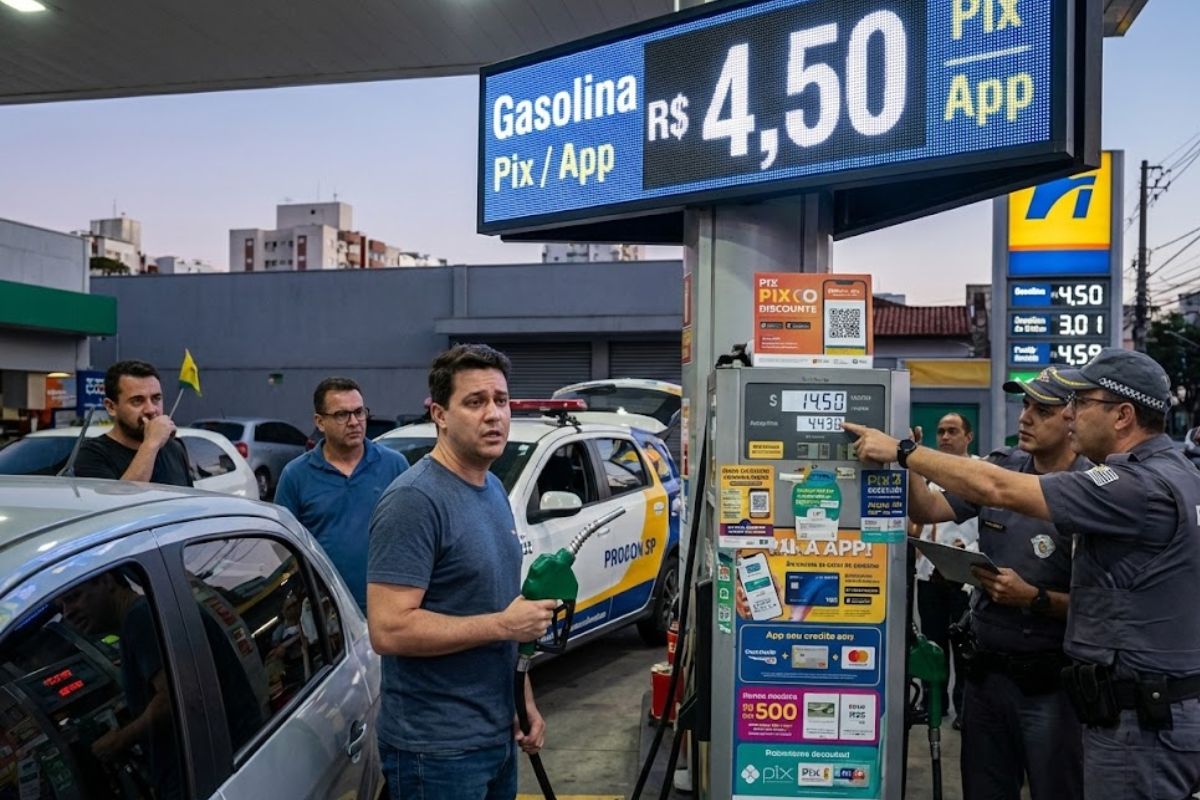
In Gas Stations That Advertise Gasoline Price With Discount on Pix on Giant Panels, but Charge Another Value at the Pump, Drivers Are Surprised While Procon SP Intensifies Inspections Against Deceptive Practices.
At gas stations that advertise discounted gasoline on giant panels, but charge another value at the pump, drivers only discover the difference between Pix, card, and cash at the checkout, while inspections reveal recurring networks, confusing panels, and ongoing losses for consumers in the state, in gas stations in the capital and countryside.
According to Domingo Espetacular in a report, the scene repeats in different neighborhoods of São Paulo: the driver sees from afar a panel with cheaper gasoline, enters the station believing he will make a good deal, and only realizes the trap when the tank is already full. Among the values advertised on the panel, effective prices at the pump, and discounts conditioned to Pix, card, or app, the final bill strays from what was clearly visible on the street and opens up space for Procon SP penalties for false advertising and serious information failure.
Discount on Pix, Surprise at the Checkout

A driver who stopped at a Rede Duque gas station in the west zone of São Paulo decided to refuel upon seeing ethanol advertised at R$ 3.99.
-
3 times more ethanol per hectare can be produced with Eike Batista’s supercane amid rising gasoline prices — how can this technology change fuel prices in Brazil?

-
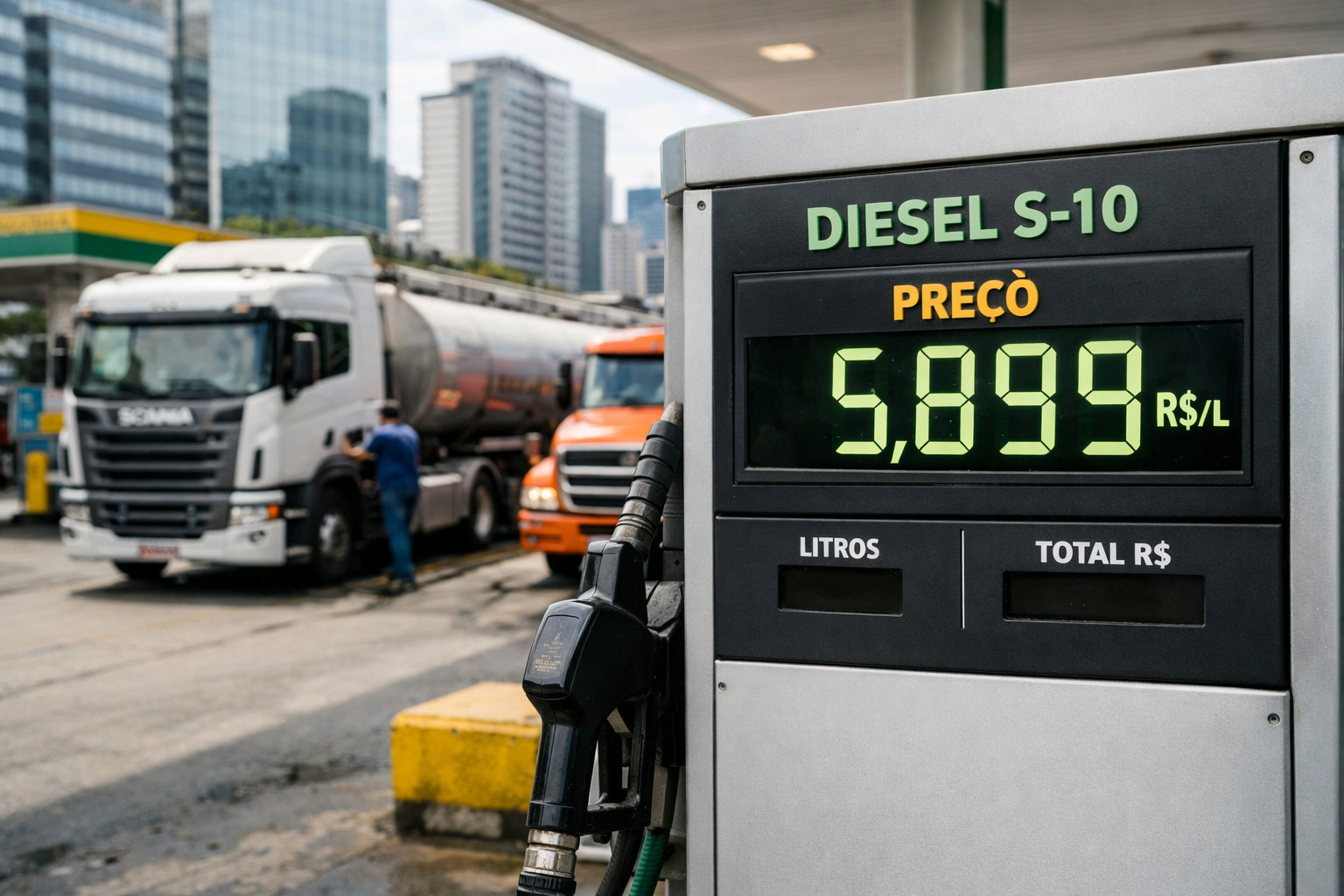
Former president of IBP highlights that dependence on diesel imports pressures prices in Brazil, increases vulnerability to global crises, and underscores the need for more robust and sustainable energy policies.
-
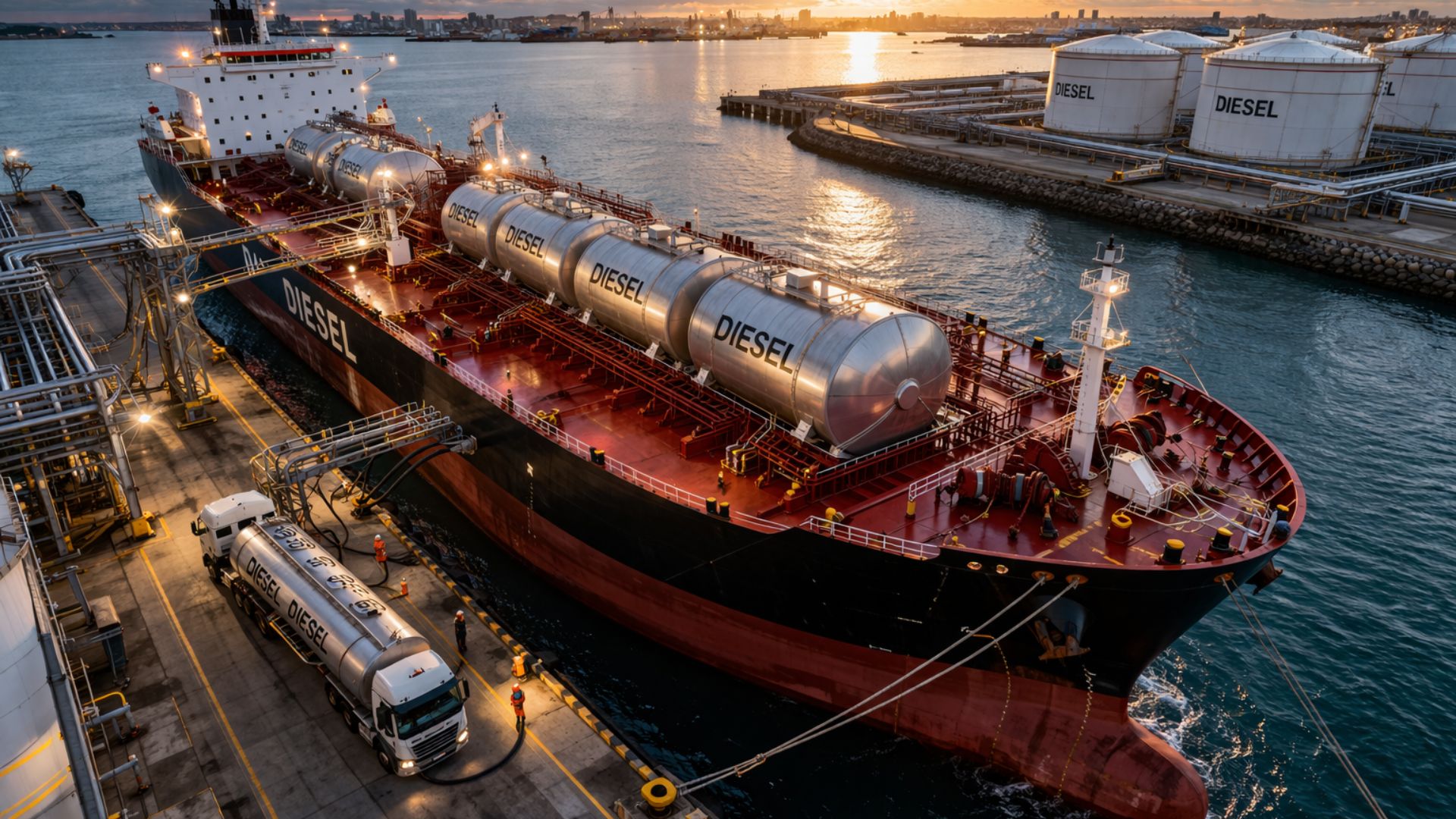
Middle East War Drives Up Oil Prices, And Petrobras Increases Diesel: Fuel Reaches R$ 3.65 Per Liter At Distributors
-
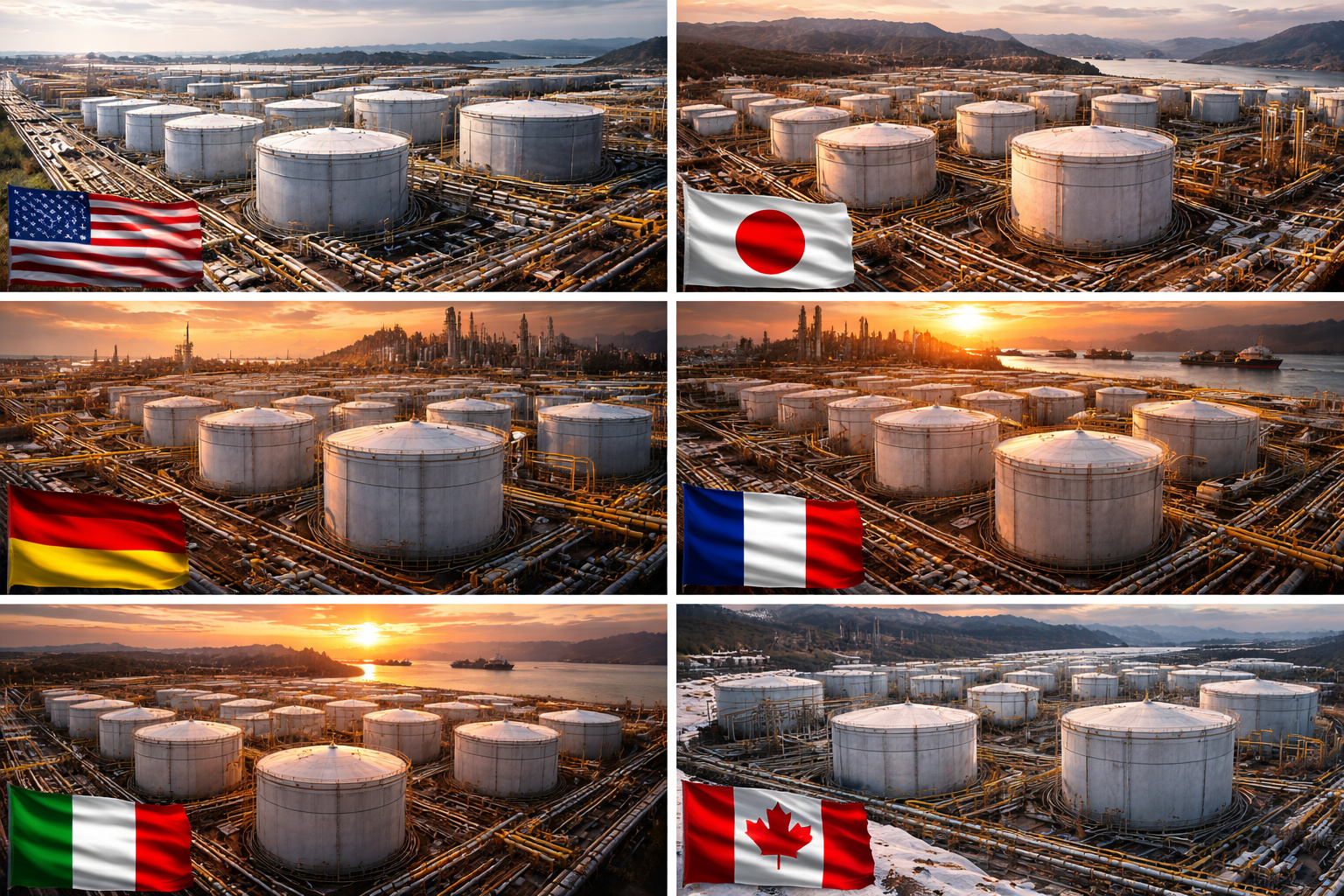
Oil Soars to Nearly $120, Middle East Tensions Shake Global Market, and a Little-Known Detail Returns to Energy Debate: The Gigantic Strategic Reserves Hidden by G7 Countries — See How Many Millions of Barrels Each Nation Holds in Reserve to Face a Global Crisis

He requested R$ 100 and, upon checking the pump, realized only 16 liters were dispensed, when he expected around 25 liters.
The attendant’s explanation only came afterward: that price was exclusively for payment via Pix, information that was not clear on the entrance panel.
To avoid a larger loss, the consumer ended up paying via Pix but recorded a video denouncing what he considers a scam in price communication, since the highlighted price on the panel did not reflect what most customers would actually pay.
After the filmed complaint, the panel began to show a second piece of information, with the real price in smaller prominence, reinforcing the sense of lack of transparency.
In other stations of the same network, the news team found even more significant discrepancies between payment methods.
In some cases, alcohol was shown at R$ 3.99 on Pix and R$ 5.99 in cash; the gasoline was advertised at R$ 6.99 on Pix and R$ 9.19 in cash.
The price change based on payment method is permitted, but the law requires that the effective price, the higher one, be clearly visible from a distance, so that the driver decides whether or not to refuel before entering.
Large Panels, Small Letters, and Deceptive Gasoline Highlighting
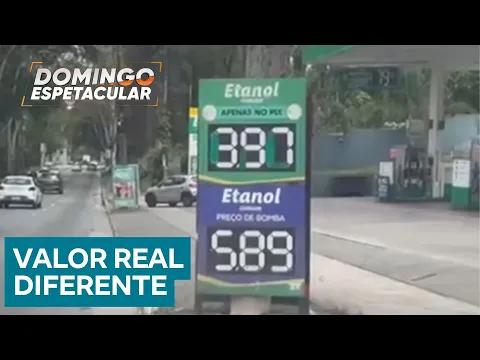

The inspection caught situations where the sidewalk panel displayed giant numbers for ethanol or gasoline, with critical observations hidden in small letters, such as “price only on Pix.”
In another part of the same yard, a totem displayed the real, higher price, but in a position and format that received less attention from approaching drivers.
In many cases, in addition to the difference between gasoline on Pix, by card, or in cash, the station also offers its own apps that grant another type of discount.
The result is a true “menu” of prices, in which the consumer only understands the final value when the refueling has already been completed.
Experts remind us that the multiplicity of price ranges is not, in itself, illegal, but it becomes irregular when communication is confusing enough to lead to error.
What the Law Allows and Where the Infringement Begins
The legislation allows for price differentiation based on payment method.
However, the central rule is simple: the pump price, the highest one, must be the visible reference for drivers at the entrance to the station.
Discounts for Pix, apps, or loyalty programs must be explicitly presented as a reduction from this maximum value.
Inspectors explain that a gas station’s revenue is calculated based on the total sold, regardless of whether it is paid in cash, card, or Pix.
Selling gasoline at a lower price on Pix does not eliminate the obligation to collect taxes on the declared full value.
When communication is used to shift part of the sales to a less traceable payment method, there may be suspicion of tax evasion and tax crime, as well as a violation of the basic right to clear information in consumption.
Procon SP Increases Inspections and Targets Recurrent Networks
From January to November 10 of this year, Procon SP conducted 1,459 inspections at fuel stations and issued 207 fines directly related to price information.
In the previous year, there were 173 inspections and 306 fines.
The most common irregularity was precisely not clearly displaying, at the entrance, the price of all fuels, highlighting only promotional values.
In the actions, the agency checks whether the street-facing panel shows the highest price of gasoline and other fuels, in a size compatible with being read from a distance.
When the greater emphasis is placed on the value with Pix or an app, and the normal price appears smaller or farther away, the station may be fined for inducing the consumer to error.
The fines vary according to the size of the establishment and can reach millions in large chains, with the possibility of closure in cases of recurrence.
One of the chains mentioned, Duque, which operates stations in the capital, metropolitan area, inland São Paulo, and Rio de Janeiro, accumulates dozens of formal complaints related to undue charges, price discrepancies, and false advertising.
The company states, in a note, that it follows the legislation, discloses both the Pix price and the cash price, and considers the complaints “few and unfounded” compared to the volume of customers served each year.
How the Driver Can Protect Himself When Refueling Gasoline
Consumer defense agencies advise that the driver always check the price of gasoline at the pump before authorizing the refueling and explicitly ask what value will be charged for each payment method.
If there is a difference between the street panel and the price applied at the pump, the consumer has the right to demand the charging of the advertised price visibly.
In case of refusal, the recommendation is to document everything: take a photo of the entrance panel, the pump with the final amount, and the receipt.
With this material, the driver can file a complaint on the Procon SP website or on conflict mediation platforms, reporting the discrepancy between the advertised and charged price.
The records help substantiate new inspections and may result in fines and corrections of practice by the chains involved.
Experts emphasize that there is no “miraculously cheap” gasoline without a catch, whether in the form of payment restrictions, special conditions in an app, or volume limitations.
In a scenario of monitored prices and tight margins, when the offer seems too good to be true, it is important to read carefully the smaller letters and question the attendant before filling the tank.
And you, have you ever found a gasoline price on the panel and another at the pump when refueling your car or motorcycle?









-

-

2 pessoas reagiram a isso.