





 Portuguese
  English
  Spanish
  4 min of reading
  0 comments


New Automotive Policy Changes IPI: Clean Cars Pay Less, Polluting or Powerful Models Face Tax Increase Until 2026
The new automotive policy from the federal government is changing the calculations for those looking to buy a car. The “Sustainable Car” program, which exempts the IPI for the cleanest and most efficient models until the end of 2026, also has a direct impact on the other side of the market: cars powered by gasoline, diesel, or with very powerful engines will pay more tax.
The measure, which came into effect with Decree No. 12,549/2025, creates a compensation system. That is, the government removes the tax from sustainable models and compensates for this fiscal loss with an increase in IPI for vehicles considered polluting or inefficient.
How the New IPI Is Calculated
The base IPI rate for passenger cars remains at 6.3%. The difference lies in the criteria that add or subtract percentage points from this value.
-
The institute that trained the greatest aerospace engineers in Brazil has just opened its first campus outside São Paulo after 75 years: ITA Ceará will have R$ 445 million, new courses in energy and systems, and classes are expected to start in 2027.

-
Luciano Hang, owner of Havan, goes to Juiz de Fora after the tragedy in February, brings R$ 1 million, hands out R$ 2,000 cards, and donates up to R$ 15,000 to victims in the region.

-
The Brazilian passport allows legal residence in dozens of countries without the need for a prior visa, and most Brazilians are unaware that they can apply for residency directly upon arriving in nations in South America, Africa, and even Europe.

-
Petrobras sends a message to Brazilian truck drivers after fuel collapse and reveals plan to have 100% domestic diesel.
In total, there are five factors analyzed: energy source, energy efficiency, engine power, vehicle safety, and recyclability.
Each of these criteria can generate bonuses (discounts) or malus (increases). The result is a new final rate, which can be lower or higher than the initial 6.3%.
More Polluting Vehicles Will Pay More
The first factor that directly increases the rate is the type of fuel. Models powered by gasoline or diesel receive significant increases.
Gasoline cars receive 6.5 percentage points more. Diesel-powered vehicles have a malus of 12%. Hybrids based on these fuels also suffer increases ranging from 2% to 5.5%, depending on the type of hybrid system and the fuel used.
A gasoline SUV, for example, starts with a rate of 12.8% — the sum of the base of 6.3% plus the 6.5% malus.
Engine Power Also Counts
Another factor that can raise the IPI is engine power. Models with engines above 115 horsepower already start to incur increases. A car with 177 hp, for example, rises by 1.5%. Above 395 hp, the increase is 6.5%.
Adding the two criteria — fuel and power — the increase can be significant. A gasoline car with 400 hp can reach a 19.3% IPI, according to the defined parameters.
Those Without Bonuses Lose Discounts
In addition to direct increases, the new system indirectly penalizes vehicles that do not meet recycling, safety, and energy efficiency criteria.
These factors do not directly increase the tax, but eliminate possible discounts. The maximum bonus possible in these items is 5 percentage points.
In practice, those who do not meet the requirements miss out on up to 5% of discounts. And this also weighs on the final rate.
Models That Pay Less Tax
On the other hand, the cleanest and most efficient vehicles receive bonuses. Electric vehicles, for example, have discounts of up to 2%.
Hybrids running on ethanol or flex can have discounts of 1% to 2%. Cars with engines up to 75 hp receive up to 2.15% in bonuses.
In addition, models with a high percentage of recyclable parts and safety technologies can add up to 3% in additional discounts.
The result is that a car with good environmental and structural performance can reach an IPI of only 2.8%.
Buy Now or Wait?
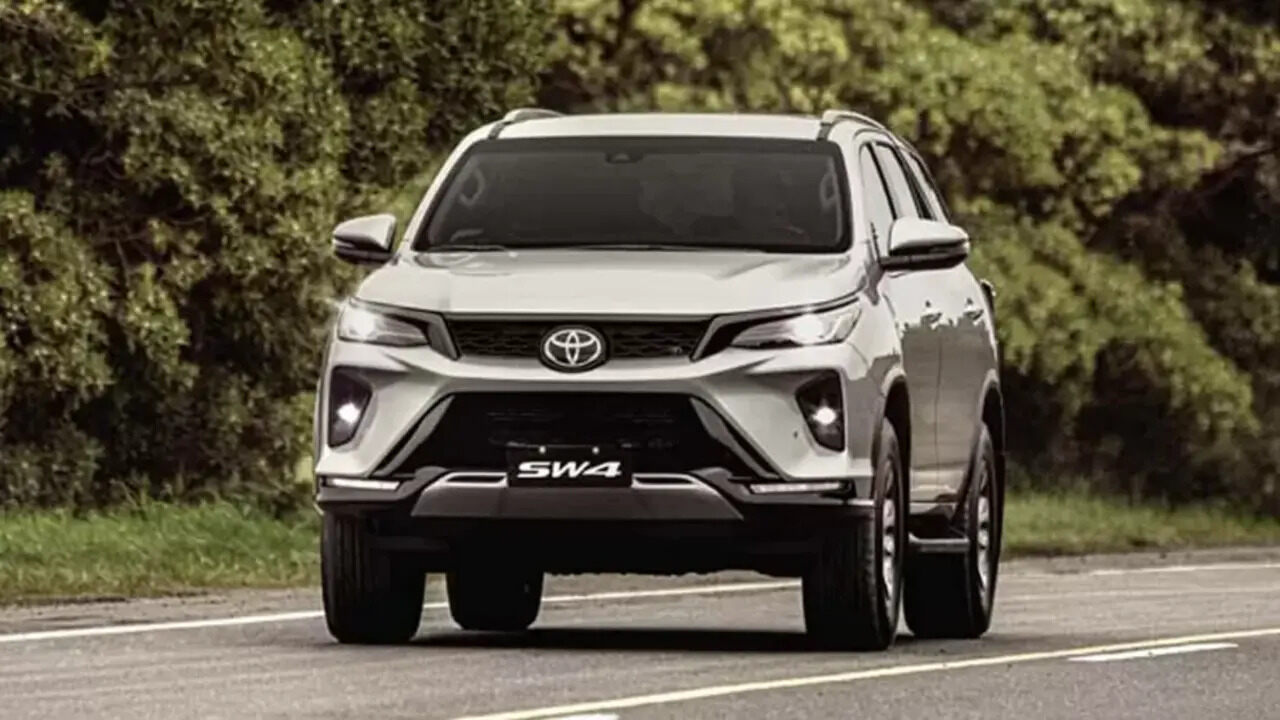
Those looking to buy a powerful gasoline or diesel car may want to expedite the purchase. One cited example is the Toyota SW4 diesel.
It currently pays about 13% in IPI. With the new rule, the rate rises to 21.3%.
For those wanting a flex hybrid, electric, or highly recyclable car, the best option might be to wait. These models are expected to become more affordable over time, as the tax will be reduced until 2026.
Government Defends New Logic
During the announcement of the program at the Palácio do Planalto, the government explained the change as a fair redistribution.
Vice President Geraldo Alckmin, who also heads the Ministry of Development, Industry, Commerce and Services (MDIC), stated that the new system is an “example of social and environmental justice.”
Finance Minister Fernando Haddad emphasized that the measure is fiscally neutral. That is, it does not represent an increase in revenue, but rather a redistribution of the burden according to the environmental impact of each vehicle.
Decarbonize Without Increasing Total Tax
The government’s goal is ambitious: to decarbonize the Brazilian fleet. This means reducing the use of fossil fuels and promoting cleaner technologies.
At the same time, the program aims to broaden access to popular and sustainable vehicles.
Although the immediate effect is primarily the change in prices at dealerships, the government is betting on the long term.
The expectation is that the policy will help Brazil meet environmental goals and strengthen the sustainable vehicle industry.
With information from UOL.









-

-

4 pessoas reagiram a isso.