





 Portuguese
  English
  Spanish
  7 min of reading
  0 comments


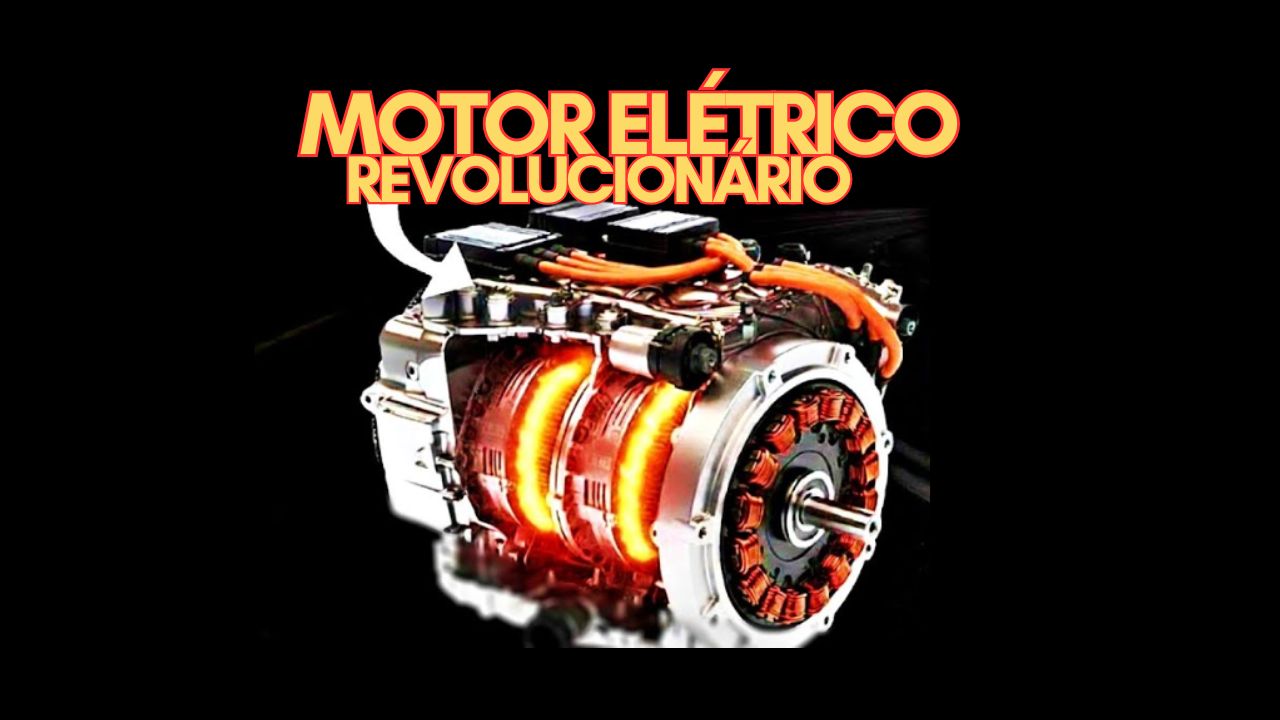
Revolutionary Dual SCT Electric Motor Created by German Mali Achieves Over 95% Efficiency, Unprecedented Continuous Power, and Operates Without Rare Earth Magnets, Threatening Tesla and Chinese Rivals.
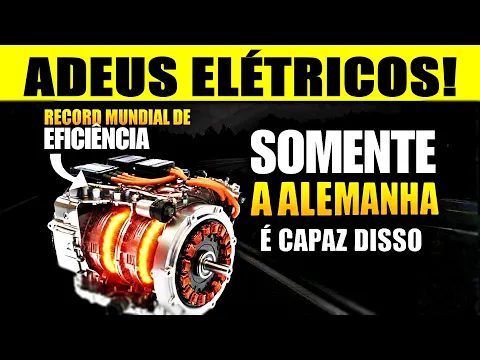
The new revolutionary electric motor developed by Mali is redefining what was understood as the limit for electric propellers in heavy applications. With a record efficiency of over 95% and the ability to operate indefinitely at 92% of maximum power, the dual SCT system was designed to maintain high performance without suffering from the number one enemy of electric motors: heat. Instead of accepting power loss as something inevitable, Mali’s revolutionary electric motor was built specifically to sustain maximum force for long periods without giving up.
This revolutionary electric motor is impressive not only for its numbers but also for its intelligent architecture that abandons the reliance on rare earths and expensive magnets, reducing costs and returning technological control to the German industry.
In a scenario where Tesla, BYD, and Chinese manufacturers set the pace of the electric market, Germany responds with top-level engineering and an open question: in which vehicles will this propeller be used and how can it redesign the future of heavy trucks?
-
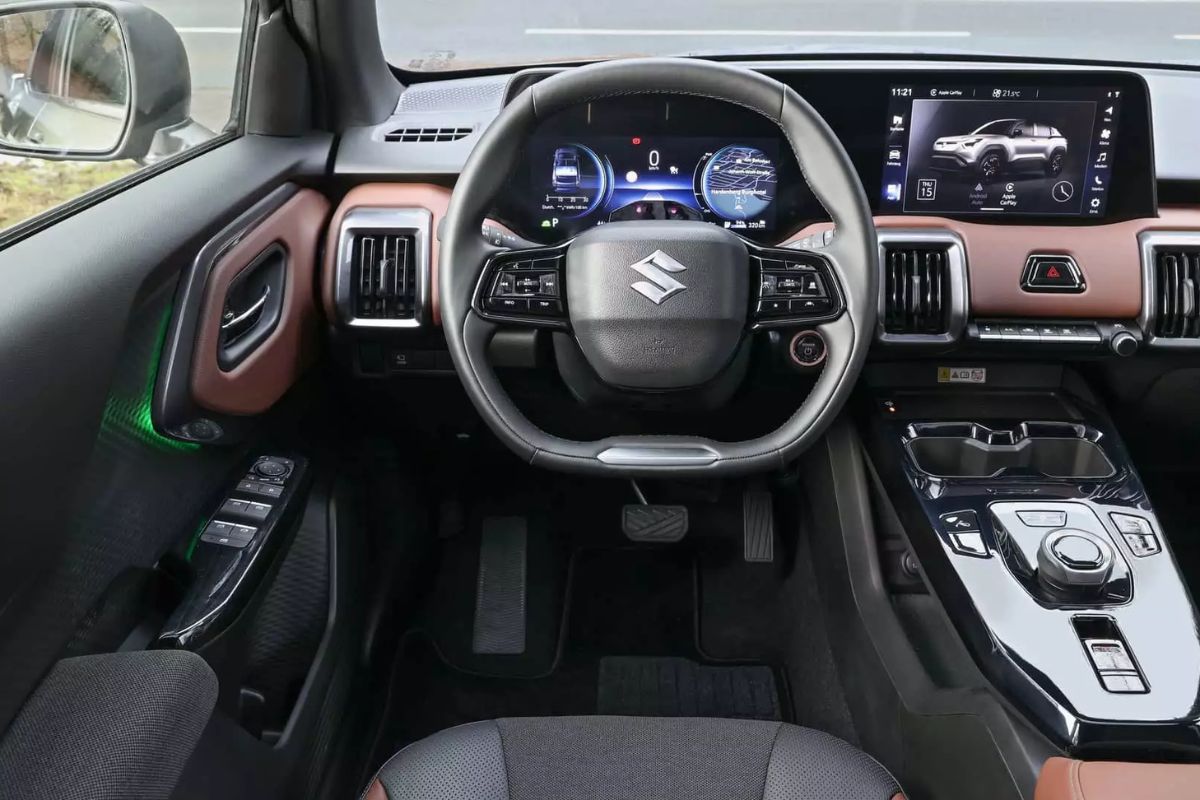
The 2026 electric Vitara arrives in Brazil and proves that Suzuki is not leaving: 4×4 traction, 184 hp, 61 kWh LFP battery, 293 km range, R$ 259,000, and a trunk capacity of 224 L.
-
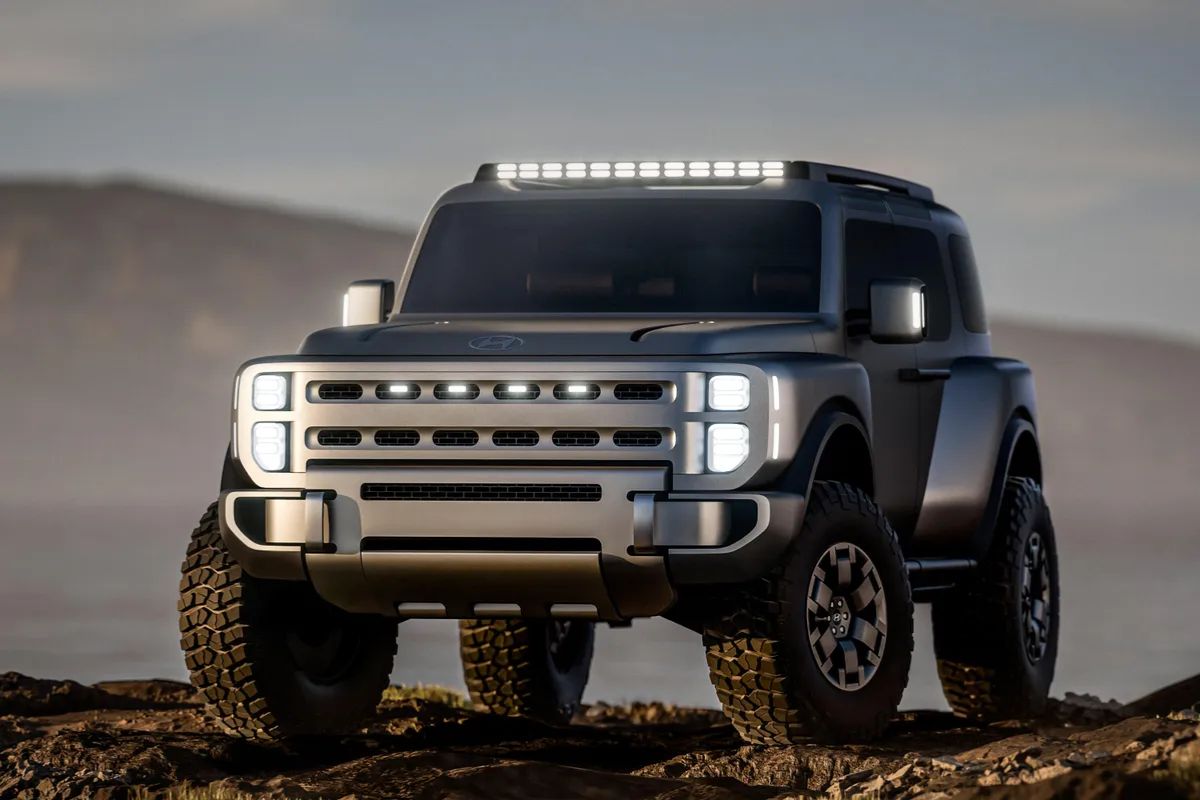
Hyundai has unveiled the Boulder, a square SUV with a body-on-frame design, 37-inch mud tires, and carriage-style doors that seems to be made to take on the Ford Bronco and the Scout Traveller in the United States.
-
The Toyota Hilux is R$ 75.5 thousand cheaper and bets on the 2.8 turbodiesel engine with up to 204 hp and 50.9 kgfm to catch up with the VW Saveiro, which leads with 4,472 sales.

-
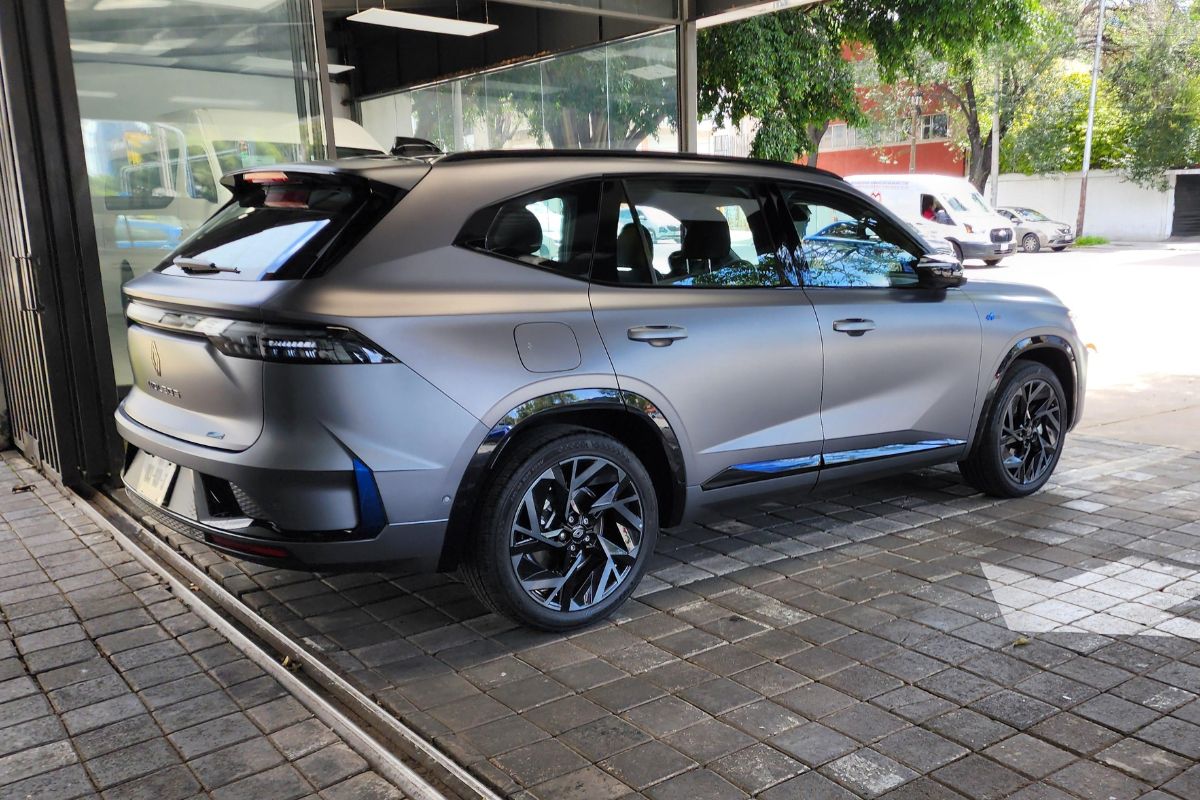
The new Renault Koleos has a screen exclusively for the passenger that is invisible to the driver, heated rear seats, and 29 assistance systems, but its Chinese competitors cost R$ 40,000 less and deliver more power.

If the promise is fulfilled, the combination of continuous power, efficiency, and independence from critical materials could usher in a new chapter in the transition from diesel to electric.
How the Revolutionary Dual SCT Electric Motor Works
The heart of Mali’s revolutionary electric motor is the dual SCT, which stands for Superior Continuous Torque. The idea is simple to explain and difficult to execute: maintain torque and power as close to peak as possible for practically unlimited time, without the assembly melting from the inside.
To achieve this, the entire revolutionary electric motor is traversed by a thermal oil that ensures a continuously ideal operating point. The coolant does not only act on the most accessible parts but encompasses the assembly in a much broader way than in conventional electric motors.
In practice, Mali’s revolutionary electric motor turns the heat problem into an ally, using the rotor’s own movement to drive the oil and stabilize the internal temperature.
The direct result of this approach is an efficiency level of over 95% under ideal operating conditions, something classified as a world record.
And, more importantly than lab peaks, the dual SCT setup was designed for real-world use, where the truck climbs steep hills loaded, crosses borders with long inclines, and works under high load hour after hour.
Thermoregulation: The Achilles’ Heel that the SCT Aims to Solve

For years, thermoregulation has been the largest limiter of continuous power in electric motors. Under prolonged use under strain, heat would accumulate, even with active cooling systems.
Coils would reach temperatures between 155 °C and 180 °C over the long term, a limit at which insulation begins to degrade. Permanent magnets in the rotor, in turn, suffer irreversible damage when exceeding around 120 °C, permanently losing strength.
Because of this, almost every traditional electric motor needs to automatically reduce power to protect itself.
In scenarios like the ascent of the Brenner Pass between Austria and Italy, it is common for the available power to drop to half or even a quarter of the peak value. This is precisely where Mali’s revolutionary electric motor makes a difference: it was designed not to “give up” when maximum continuous power is most needed.
The solution from Mali involves submerging the rotor in an oil-based coolant, drastically increasing the thermal contact area. Instead of relying solely on heat conduction through the external casing, the revolutionary electric motor promotes thermal exchange directly where heat is generated, in the internal components.
And without additional pumps: the rotation generates centrifugal force, pushing the oil from the center outward, feeding the heat exchanger, and returning to the rotor in a self-sufficient and elegant circuit.
Continuous Power That Surpasses Diesel Engines in Heavy Trucks
The ultimate test for any revolutionary electric motor is not in the lab chart, but on the road.
In the dual configuration proposed by Mali, the system achieves 697 peak horsepower, about 520 kW, with an impressive 644 horsepower in continuous power, around 480 kW. In other words, the revolutionary electric motor maintains approximately 92% of the maximum power available in a sustained manner.
According to the manufacturer itself, this performance allows a 35-ton electric truck to traverse the Brenner Pass up to 10% faster than any current diesel model. It’s not just a matter of speed, but of the ability to maintain pace under load, without sudden drops in power caused by temperature.
In an industry where minutes and reliability mean money, a revolutionary electric motor that maintains stable power on long inclines completely changes the equation of heavy transport.
In practice, this repositioning makes the electric truck a real alternative on mountainous routes, intense logistics corridors, and operations that today still rely on diesel engines precisely because of continuous power.
If the revolutionary electric motor technology is applied in large-scale fleets, the difference in productivity and operational costs could be substantial.
A Revolutionary Electric Motor Without Rare Earths or Mandatory Magnets
There is another crucial side to this story: critical materials. The first version of the SCT was assembled as a permanent magnet synchronous machine, using neodymium and dysprosium, rare earths whose supply is considered strategic and concentrated.
The dependence on external suppliers, especially for Germany, which imports about 99% of these inputs, is a relevant industrial risk.
However, Mali has made it clear that the revolutionary electric motor does not necessarily need these magnets. The same concept can be implemented with a wound rotor, using only copper and advanced electronics to power the coils.
In this scenario, the revolutionary electric motor can completely dispense with rare earths and permanent magnets, reducing costs, geopolitical vulnerability, and supply risks.
At a time when the global supply chain is at the center of the dispute between the United States, Europe, and China, a revolutionary electric motor that does not rely on rare magnets becomes a powerful card up Germany’s sleeve.
This material independence combines with high energy efficiency, creating an extremely attractive package for heavy truck and bus manufacturers thinking long-term.
Germany, Tesla, China, and the Race for the Next Generation of Motors
Despite Tesla, BYD, and Chinese manufacturers leading electric vehicle sales, German engineering has not dropped out of the game.
Companies like Vitesco, Mali, and Continental are developing propulsion systems that can not only compete but, in many cases, technically surpass market leaders.
The dual SCT revolutionary electric motor is a clear example of how this strategy materializes: focus on efficiency, continuous power, and technological independence.
While part of public opinion sees Germany as “behind” in electrification, what is observed behind the scenes is an intense effort to recover ground with high-complexity solutions.
Mali’s revolutionary electric motor shows that the German response does not involve copying Tesla or Chinese manufacturers, but directly tackling the technical bottlenecks that still limit the use of heavy electric vehicles.
This same logic is reflected in other energy infrastructure projects, such as the use of pressurized salt caverns with compressed air at up to 200 bar to store large amounts of energy and stabilize the electrical grid.
Each chamber can store energy comparable to that released in a historic atomic explosion, highlighting the scale of the bet. These are bold initiatives that raise doubts and debates, but confirm one thing: Germany is willing to take technological risks to avoid losing industrial leadership.
What to Expect from the Future of This Revolutionary Electric Motor
Despite all the promises, there are still open questions about the dual SCT revolutionary electric motor.
It is unclear in which commercial models it will be installed first, how integration with existing truck platforms will occur, and what the final cost of mass production will be.
Additionally, transitioning from a version with permanent magnets to a version fully based on copper coils requires strategic decisions involving suppliers, patents, and industrial timelines.
What is already known, however, is that the concept of a revolutionary electric motor with high continuous power, efficiency above 95%, and self-sufficient thermoregulation puts direct pressure on established manufacturers worldwide.
Those working with heavy transport, logistics, and road infrastructure know that every gain in efficiency, every reduction in consumption, and every additional hour of fleet availability counts.
If the SCT delivers in practice what it demonstrates in theory, electric heavy trucks could, for the first time, consistently outperform diesel in truly challenging routes.
The combination of performance, independence from rare earths, and thermal robustness makes this revolutionary electric motor one of the most interesting developments in recent automotive engineering.
From here, the question shifts from “if” the technology works to “when” and “on what scale” it will be adopted.
And you, do you believe that a revolutionary electric motor like the dual SCT can really replace diesel in heavy trucks and change the balance of power between Germany, Tesla, and Chinese manufacturers?









-

Uma pessoa reagiu a isso.