





 Portuguese
  English
  Spanish
 5 min of reading
  8 comments


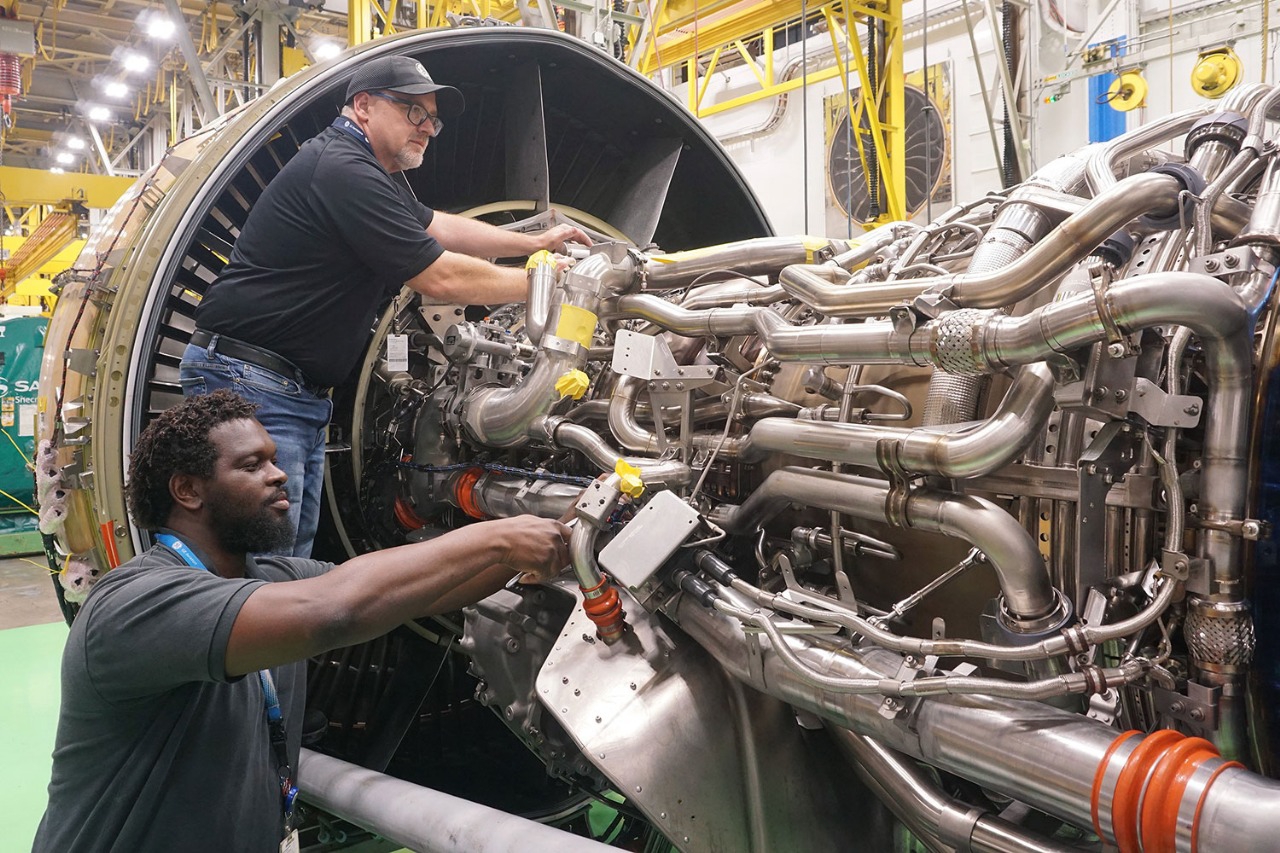


GE Aerospace’s Mega Investment in Rio de Janeiro Prepares Maintenance Engine Factory and Turns Brazil into a Reference for the Aerospace Industry
Few engineering parts endure such a harsh routine as an airplane engine. In minutes, it faces extreme heat during takeoff, temperatures below zero at 35,000 feet, and soon after, humid, salty air when flying over tropical regions. It is a machine that cannot fail. And that is precisely why GE Aerospace maintains one of the largest and most respected global networks for maintenance, repair, and overhaul of engines, known as MRO.
In Brazil, this story has a home that has been gaining more and more prominence: the Celma complex in Rio de Janeiro, which is preparing for one of its largest expansions since it began operations.

The Historic Leap of GE in Brazil
The Celma unit, originally established in the 1950s, will celebrate three significant milestones in 2026: 75 years in operation, 30 years fully integrated into GE Aerospace, and the start of a new MRO factory in Três Rios, which promises to nearly double the annual maintenance capacity.
-
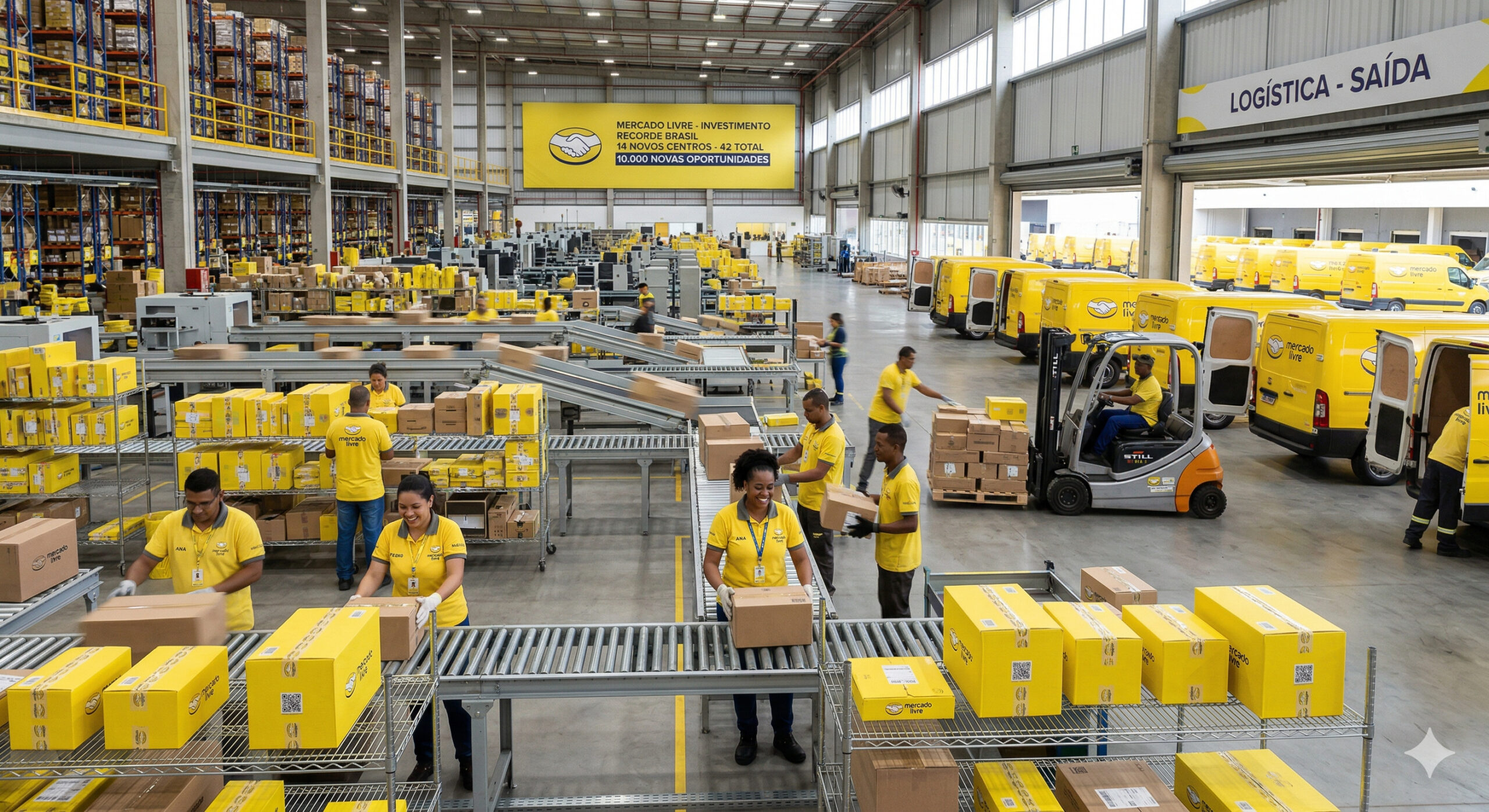
Mercado Livre “opens the vault” and announces a record investment of R$ 57 billion in Brazil in 2026, a value 50% higher than the previous year, with an expansion plan that includes 14 new logistics centers, totaling 42 units in the country and hiring an additional 10,000 employees.
-
How investment in technology can revolutionize the national economy and enhance industrial gains, according to a study that highlights the direct impact on productivity, innovation, and wealth retention within Brazil.

-
The largest food company on the planet, JBS, has just opened a 4,000 square meter laboratory in Florianópolis to develop customized proteins that modulate muscle mass gain, immune response, and metabolic performance.

-
After nearly 30 bids and competition among industry giants, a Spanish company purchases one of the largest airports in Brazil for almost R$ 3 billion and takes over the management of Galeão in a concession that will last until 2039.


Today, the complex services about 600 engines per year. With the new plant, that number is expected to reach 1,000 engines, solidifying Brazil as a strategic hub in global commercial aviation.
GE has publicly confirmed that the new center will be the largest in the world dedicated to the overhaul of CFM LEAP engines, developed in partnership between GE and the French company Safran. These engines equip aircraft such as the Boeing 737 MAX, the Airbus A320neo, and the Chinese Comac C919, three pillars of current commercial aviation.
To understand the market’s magnitude, CFM International itself reports that there are already more than 10,000 LEAP engines in operation globally, with projections for continued fleet growth in the coming years.
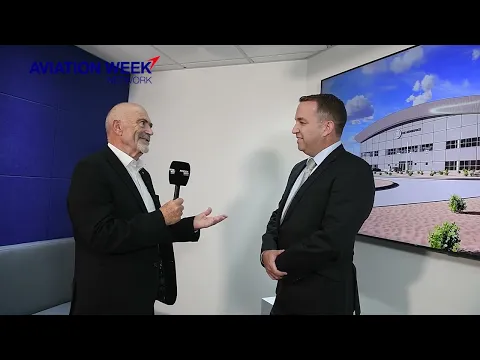
The MRO leader for GE in Brazil, Julio Talon, explains: “The new MRO in Três Rios will be the largest center for CFM LEAP engine overhaul on the planet. We will welcome customers from various continents and reinforce Brazil’s role as a reference in the aerospace industry.”
The Impact of LEAP Engines and the New Global Demand
The CFM LEAP engines began commercial flights in 2016 and have become the dominant choice among single-aisle aircraft. They are known for reducing fuel consumption by up to 15% compared to the previous CFM56 generation, in addition to generating less noise and emissions.
Public data available on Airbus‘s website shows that the A320neo is currently the best-selling aircraft in the world, surpassing 10,000 orders.
This means a surge of work for maintenance units. The first LEAP engines that entered operation are now approaching their scheduled overhaul time, which necessitates an increase in MRO capacity worldwide. That is why GE is heavily investing in Celma and other international units.
Talon emphasizes that the new site will specialize exclusively in the LEAP-1A (Airbus A320neo) and LEAP-1B (Boeing 737 MAX) models. Other engines, such as GEnx, CF6, and CFM56, will continue to be serviced at the existing facilities in Rio de Janeiro.
Job Creation and SENAI’s Role in Highly Qualified Labor
The expansion in the state interior is expected to create 400 new jobs, raising the total number of GE Aerospace employees in Rio de Janeiro to nearly 4,000 professionals. As the company requires highly skilled labor, training began well before the inauguration.
GE Celma’s Human Resources executive, Jaqueline Tibau, explains:
“We are not waiting for the unit to open to start training. We are already preparing teams to operate from day one.”
One of the pillars of this process is the partnership with SENAI, recognized for training technicians for the industrial and aerospace sectors in Brazil. SENAI itself, on its official page, highlights that the training paths for aviation maintenance are among the most sought after in the country.
Talon acknowledges the importance of the institution: “Historically, a large portion of SENAI graduates join GE. They bring a very solid technical foundation, and we provide advanced development within aviation. The LEAP sector will elevate this level even further.”
The Strength of FLIGHT DECK and Cutting-Edge Technology
In addition to physical expansion, GE is applying an internal method called FLIGHT DECK, which combines lean management tools, data analysis, and process reorganization to accelerate deliveries and enhance safety.
Jaqueline Tibau describes the program as “the north” in organizing the factory: “We spent weeks in Três Rios talking with teams, adjusting the layout, and bringing FLIGHT DECK to the center of the operation. We want to reduce lead times, increase quality, and deliver what the customer needs without waste.”
The new plant will also feature advanced diagnostic and repair systems specific to the LEAP engine, in addition to digital tools that allow real-time tracking and expanded use of artificial intelligence to predict failures before they occur.
GE is already using such technologies in systems like GE Digital Aviation, widely adopted by airlines.
A Future That Consolidates Brazil as an Aerospace Hub in the World
For GE, the combination of a culture of continuous improvement, new infrastructure, skilled labor, and advanced technology elevates the Celma operation to an even higher level.
In addition to serving the domestic market and Latin America, the new center is expected to attract customers from Europe, the United States, the Middle East, and Asia.
Talon sums up the moment with a phrase that has become a motto among the teams:
“The Celma of tomorrow needs to be better than the Celma of today.”
And, with the pace of growth, everything indicates that Brazil is about to reinforce its role as one of the global pillars in the maintenance of aircraft engines.
Register Your Resume with GE
For those eyeing a job in the field and looking to take advantage of GE’s expansion in the state of Rio de Janeiro, it is worth noting that the company maintains an official portal for resume registration and tracking open positions in Brazil.
The GE Aerospace Careers Site offers opportunities for technicians, engineers, analysts, and operational support roles across various units, including the Celma factory.
The ideal approach is to create a complete profile, update experiences, and activate job alerts to be notified as soon as new positions are opened, especially now that the demand for professionals is expected to grow with the opening of the new engine maintenance center in Três Rios.
If this expansion of GE in Rio de Janeiro caught your attention, share the article or leave a comment telling us what you think about the impact of this new factory on the Brazilian aerospace sector. I want to hear your opinion!










Trabalhei no parque industrial em Maria da Graça no RJ/RJ no **** de turbinas de avião
Tive um grande prazer de trabalhar nessa empresa 42anos e 6 meses. Hoje aposentado tenho muito orgulho de ter feito parte dessa história.
Que Deus continue abençoando a vida do presidente Júlio talon.
Na qual eu admiro muito.
Fui mecânico por mais de 30 anos de motores diesel e sempre gostei de aviação, cheguei a fazer um curso de motores a jato.
Gostaria de saber, onde pode ser feito cursos de capacitação para esses motores?
na edapa que fica localizado em petropolois rua 16 de marco e no senai