





 Portuguese
  English
  Spanish
  4 min of reading
  0 comments


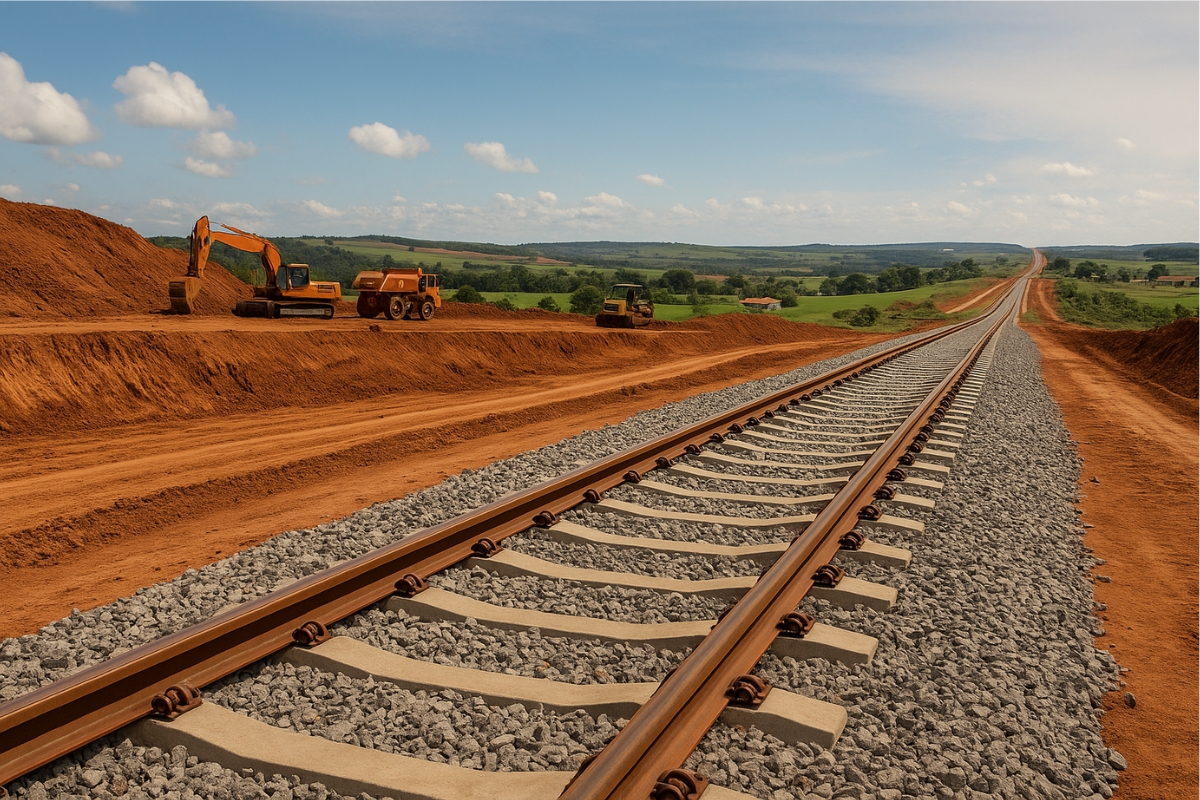
Railroad in Mato Grosso Advances Rapidly and Promises to Reduce Costs, Boost Agriculture, and Create a New Strategic Export Corridor Linking the Midwest to Northern Ports
The landscape of the interior of Mato Grosso is changing at an unprecedented speed. Machines are working day and night to pave the way for a railroad that promises to profoundly alter Brazilian logistics and the future of agribusiness.
There are segments advancing, on average, one kilometer per day in some fronts, marking a decisive stage of a project that has gained strategic importance for the country.
The so-called Midwest Integration Railroad, nationally known as FICO, has finally come to fruition after years of discussion and uncertainty.
-
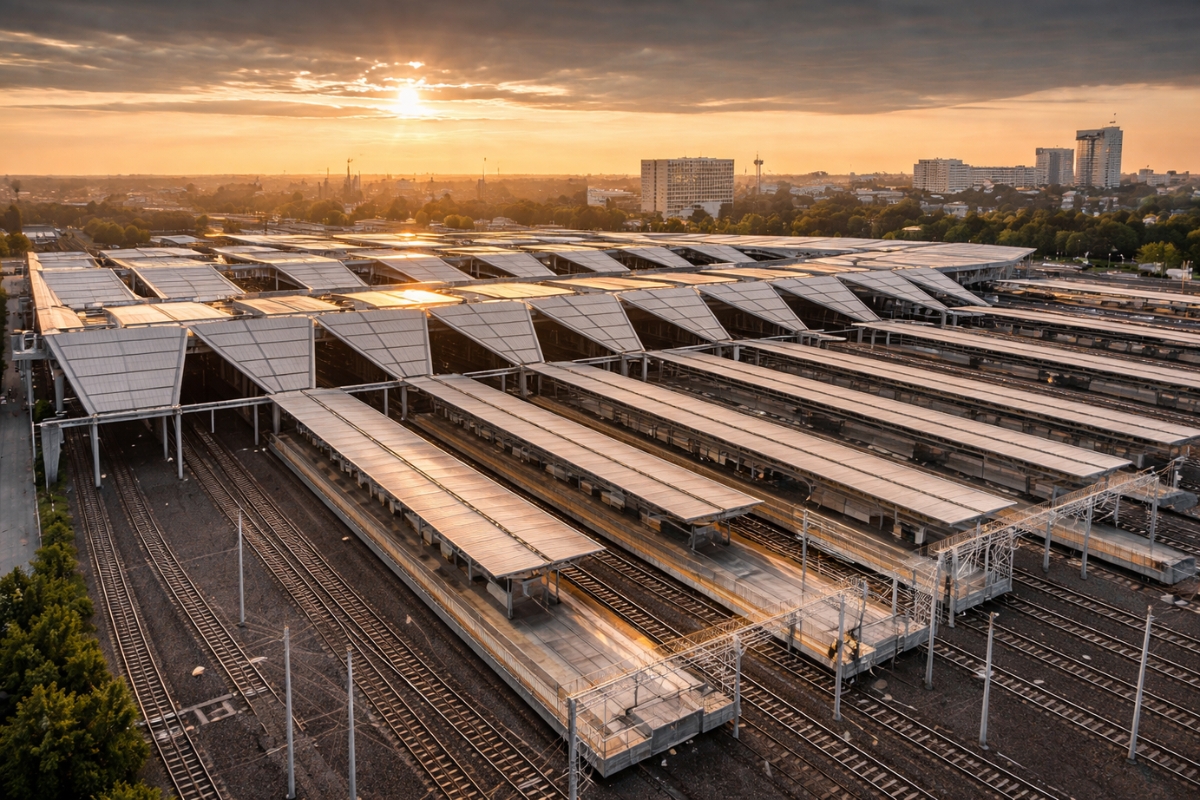
In A European City, The Country’s Largest Railway Junction Was Modernized Without Closing Its Doors, Kept Trains Running During Years Of Construction, Now Serves Up To 60,000 Passengers Per Day, And Installed Solar Panels That Generate About 30% Of Its Energy
-
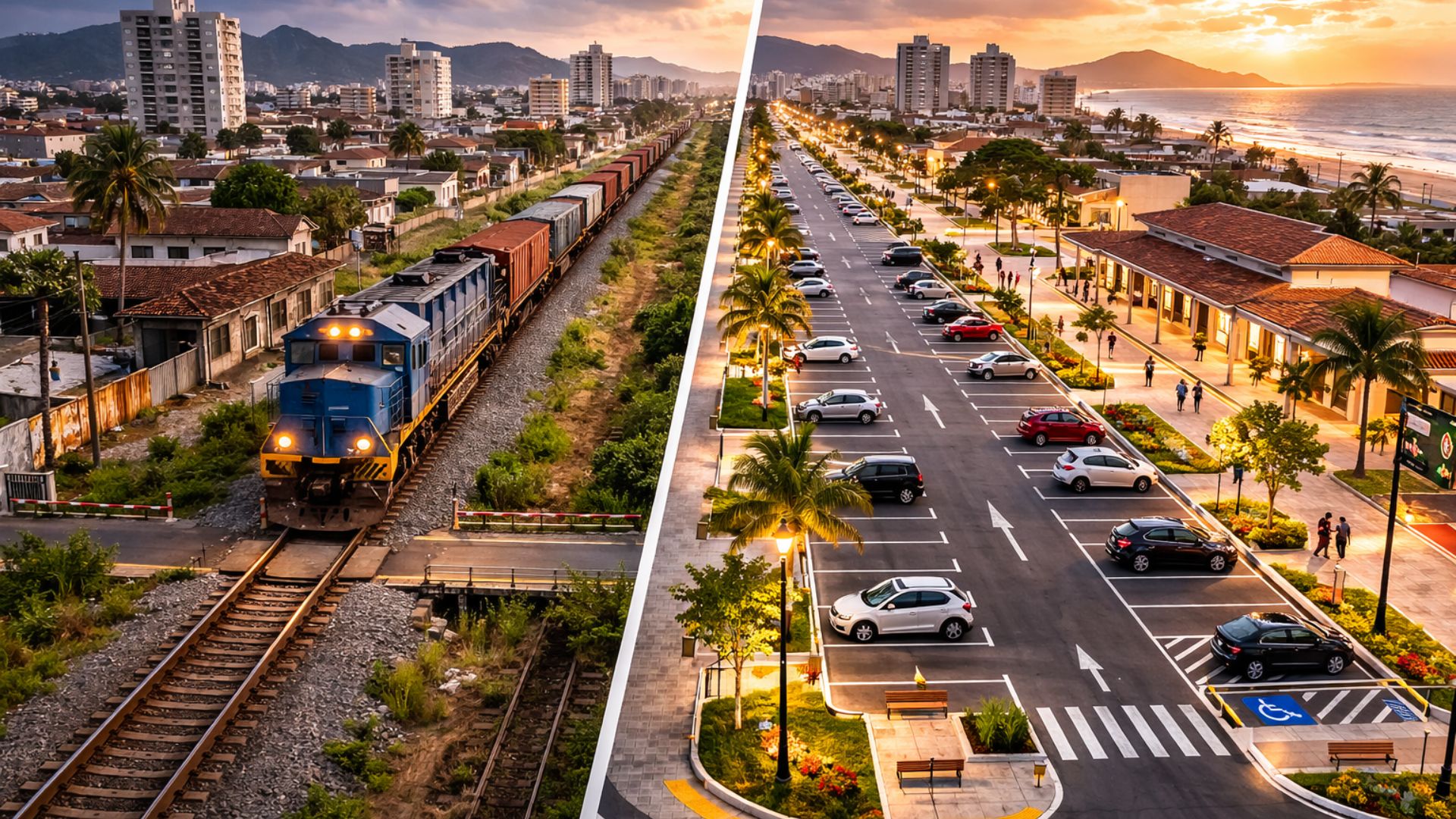
Famous Brazilian Railway May Become a Parking Lot
-
The Country of “Punctual As a Train” Admits It Has Lost Control: High-Speed Trains Delay, Stop, Disappear from the Map and Turn 6-Hour Trips into 10, While Deutsche Bahn Promises Restructuring in 2026 But Faces 19th Century Infrastructure, Staff Shortages and Sections Closed for Months

-
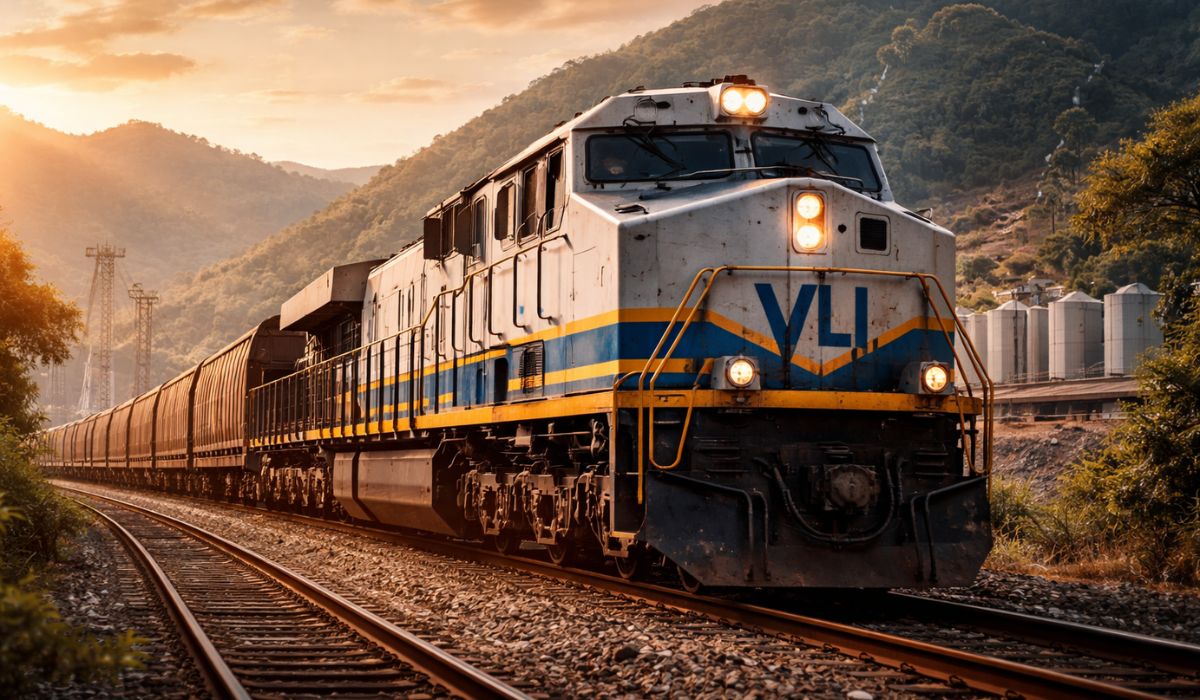
With an Investment of R$ 700 Million in One of the Country’s Main Rail Networks, VLI Reinforces Infrastructure, Receives 8 New Locomotives, and Expands the Corridor Connecting 7 States, Boosting Jobs and the Transportation of Grains, Ore, and Oil Products to the Port of Santos

What was once a collection of studies has now transformed into a physical corridor of works, construction sites, and bridges under construction.
The railroad is seen as the key to alleviating overloaded highways and reducing the export cost of soybeans, corn, and cotton, products that have made Mato Grosso the heart of Brazilian agricultural production.
A Corridor Linking the Largest Agricultural Producer to the Coast
The railroad aims to connect Água Boa, in the eastern part of the state, to the North-South Railway in Mara Rosa, Goiás, creating a direct corridor to the Port of Itaqui, in Maranhão. This reduces hundreds of kilometers of trucks on the roads and opens up space for a more constant and efficient flow of commodities.
Investments are in the billions and driven by an unprecedented model of railway authorization. Vale provided grant resources that made the initial implementation viable, and the project is being conducted by the state-owned company Valec in conjunction with the federal government.
The promise is to deliver a robust, technological axis prepared to support the continuous growth of production in Mato Grosso.
The significance of the railroad is explained by the numbers. Mato Grosso is expected to exceed the mark of 100 million tons of grains between 2024 and 2025, according to data from the Mato Grosso Institute of Agricultural Economics.
Without a new railway route, much of this cargo would remain stuck in long lines on federal highways, especially on BR-163, which frequently faces congestion, emergency works, and slowdowns during harvest periods.

Accelerated Work, Machines at Continuous Pace, and Direct Impact on the Field
The physical advancement of the project became especially evident in 2024. Teams spread throughout Mato Grosso are working with controlled explosions, earthworks, shallow tunnel openings, and the implementation of the first kilometers of ballast.
The pace of one kilometer per day, reported by those responsible for the engineering consortia, is not constant along the entire stretch but demonstrates the aggressiveness of the schedule.
The construction is already moving the interior of the state. Hotels, restaurants, and workshops are crowded in small towns that previously relied mainly on rural activities.
Merchants report an increase in the circulation of workers and a rise in sales volume, boosting local economies that rarely received investments of this magnitude.
Rural producers are also closely following each advancement. The expectation is that the cost of transportation per ton will drop significantly, increasing profit margins and allowing small and medium farmers to access competitive routes.
For many of them, the railroad represents the possibility of expanding production without exclusively relying on trucks, which face freight fluctuations, a shortage of drivers, and direct impacts from the price of diesel.
Long-Term Effects and a New “Pre-Salt” in the Cerrado
Economists specializing in infrastructure assert that the railroad has the potential to transform Mato Grosso into an unparalleled logistics hub.
The direct connection to the national network, combined with the growing capacity of northern ports, creates a faster flow vector towards Asia, the main buyer of Brazilian grains.
This new railway corridor strengthens the so-called North Arc, which has been rapidly growing. The Port of Itaqui has already achieved successive record movements of soybeans and corn, and the arrival of FICO is expected to further strengthen this route.
Fewer trucks over long distances also mean reduced emissions, less wear on highways, and a lower risk of accidents.
The project also paves the way for other planned sections, creating the possibility of a railway system that integrates Mato Grosso, Goiás, Tocantins, Pará, and Maranhão. This movement, combined with the constant growth of production, represents a strategic leap for the Brazilian economy.
For specialists, the impact can be compared to the emergence of the pre-salt, given the monetary magnitude involved in agribusiness and foreign trade.
At the current pace, the railroad is moving from promise to solidification as one of the most important projects of the decade. It is the kind of venture that redefines logistical flows, boosts cities, and reposition entire regions on the economic map.










-

-

-

3 pessoas reagiram a isso.