





 Portuguese
  English
  Spanish
 5 min of reading
  0 comments



With Land Starting at R$ 160 Thousand, a Climate of 18 °C and a Cost of Living 35% Lower, a City in the Mountains of Minas Attracts Retirees and Digital Nomads Seeking Tranquility and Nature.
Between green valleys and peaks rising over 1,500 meters above sea level, a small town in southern Minas Gerais has been attracting attention from all over the country. Hidden in the Serra da Mantiqueira, Gonçalves (MG) has become a symbol of the new Brazilian lifestyle — one that trades urban chaos for silence, clean air, and a more accessible life. With lots starting at R$ 160 thousand, average temperatures of 18 °C, and a cost of living up to 35% lower than those of large capitals, the municipality has seen tourism transform into residency, and the mountains become the new address for those seeking quality of life.
Mountains, Waterfalls, and a Life at a Different Pace
Located 1,350 meters above sea level, Gonçalves is the kind of town that seems to have stopped in time. Its cobblestone streets cut through small villages and hills covered with araucarias, and the sound of traffic is replaced by the rushing streams and birds. In winter, mist covers the valley, and fireplaces light up in the inns, which coexist with small farms and artisanal coffee shops.


The climate is considered one of the most pleasant in the country. According to the National Institute of Meteorology (INMET), the annual average is 18 °C, with lows of 4 °C in winter and highs that rarely exceed 26 °C in summer. The result is a mountain environment that recalls European towns and is being discovered by tourists, retirees, and digital nomads.
-
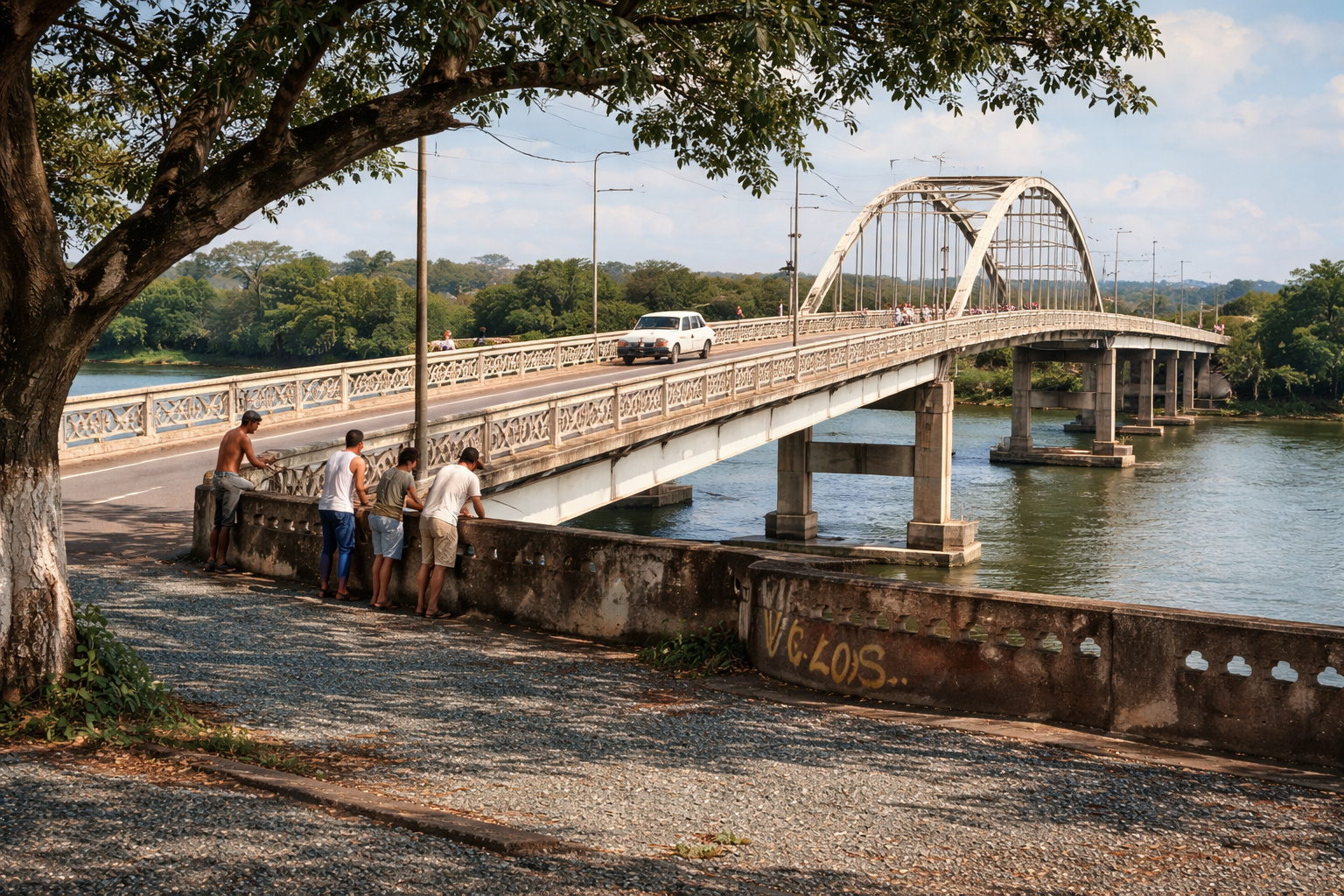
Families have been living for over 30 years under a bridge in Mato Grosso, revealing a housing deficit, irregular occupation in APP, and dependence on fishing as the main source of income.
-
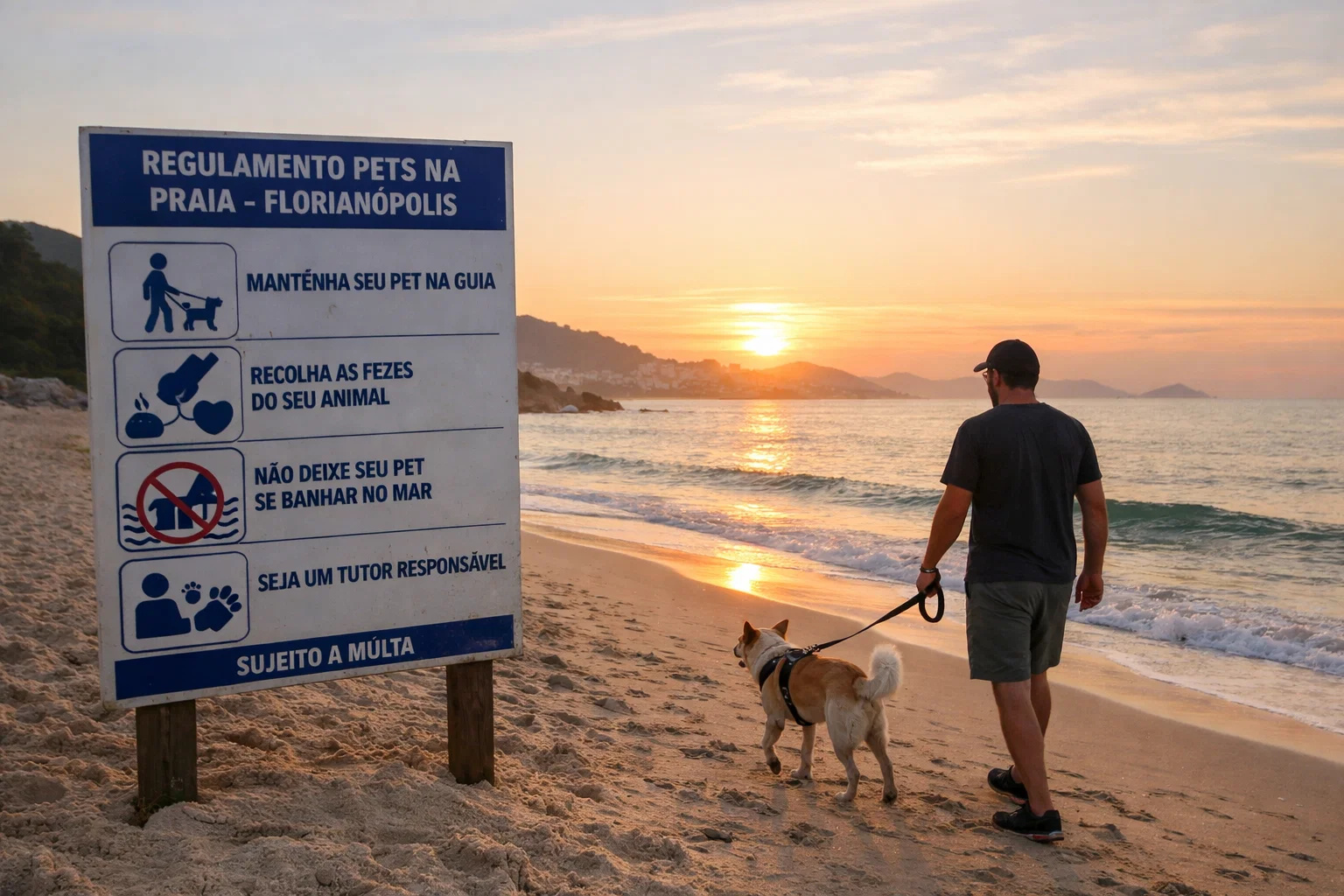
What Changed at Florianópolis Beaches? New Rule Surprises Pet Owners and Restricts Dogs on the Sand at Specific Times
-
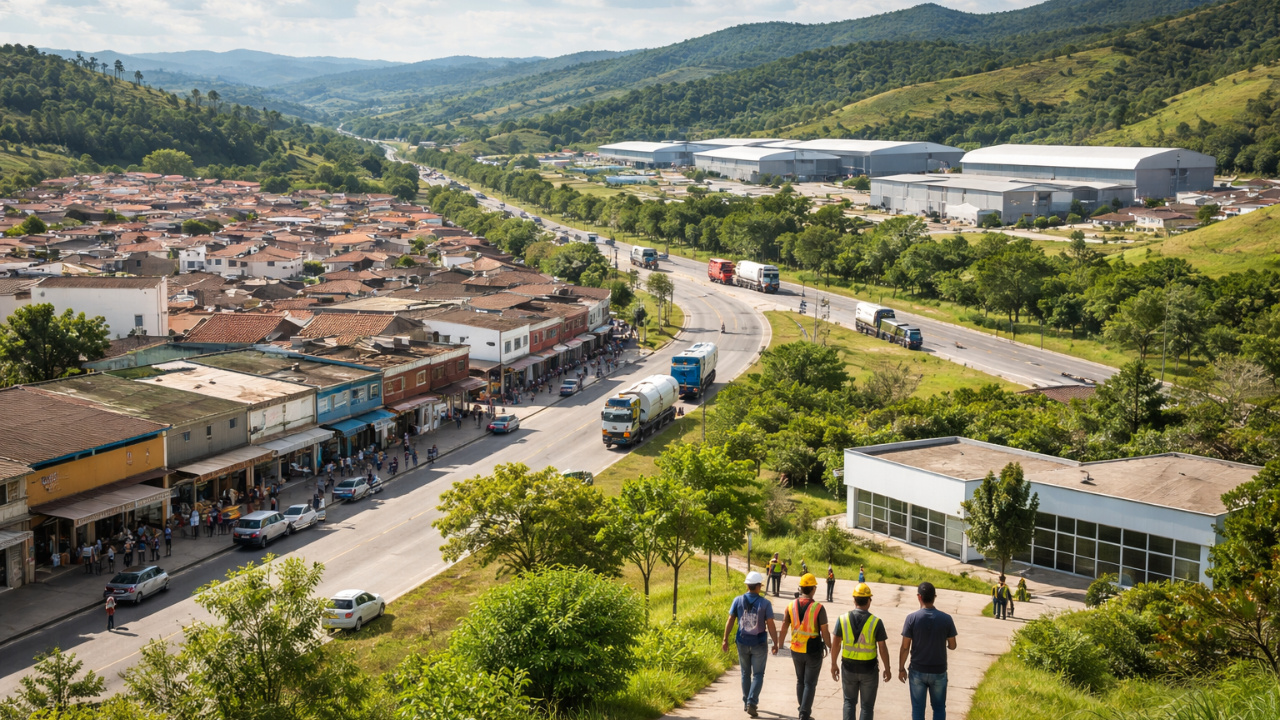
Economic Diversification Accelerates in Itatiaiuçu to Reduce Mining Dependence
-
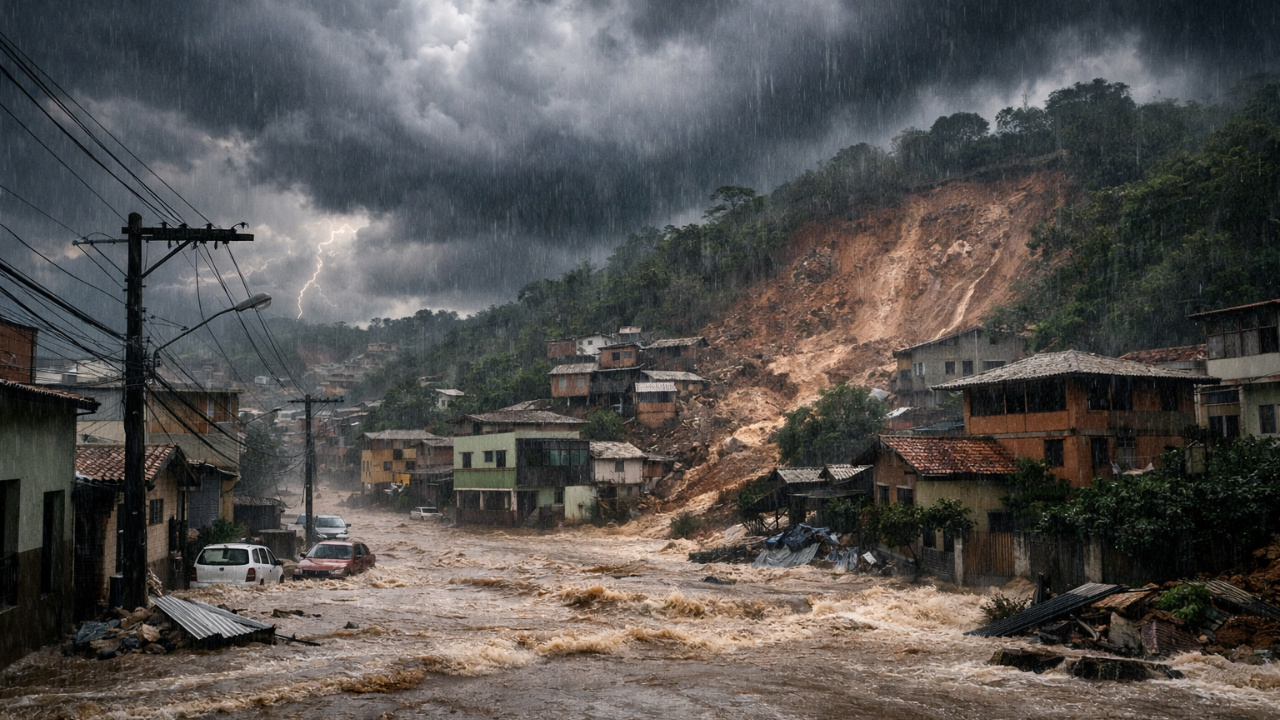
Extreme Rains: Cold Front, Supercell, and Atmospheric Trough Cause Tragedy in MG

Land with Mountain Views at Still Affordable Prices
While the square meter skyrockets in the capitals, Gonçalves maintains prices that seem frozen in time. A survey conducted in 2025 on platforms like VivaReal, OLX, and ZapImóveis shows that rural lots can be found between R$ 160 thousand and R$ 200 thousand, in areas surrounded by native forest and trails.
This price difference — compared to the average prices of R$ 350 thousand to R$ 500 thousand for a similar lot in São Paulo or Belo Horizonte — is driving a wave of silent migration. Each year, dozens of families sell properties in the capitals and build chalets or single-story homes in Gonçalves.
Cost of Living 35% Lower and a Sense of Freedom
The numbers help explain the phenomenon. According to estimates from Dieese and data from IBGE, the average monthly cost for a family of four in the region is about 35% lower than that of a Southeast capital.
While in São Paulo the average spending on housing, transportation, and food exceeds R$ 6,000, in Gonçalves the same family structure spends around R$ 3,800 to R$ 4,000, considering rent, supermarket, and basic bills.

The rent for a spacious two-bedroom house with a balcony and yard is between R$ 1,000 and R$ 1,200, and the electricity bill rarely exceeds R$ 180 per month. Gas, groceries, and transportation also weigh less on the wallet, allowing retirees and remote workers to live more comfortably — and without the constant feeling of racing against time.
The New Destination for Digital Nomads
Since the pandemic, the municipality has become one of the preferred addresses for professionals working online. The arrival of fiber optics, combined with stable energy and pleasant weather, has turned Gonçalves into a refuge for designers, journalists, programmers, and entrepreneurs seeking a hybrid lifestyle: productivity amidst nature.
Reports from Folha de S.Paulo and Revista Exame (2023) have already highlighted the advancement of this movement in Mantiqueira cities. According to local real estate agents, a good portion of new residents comes from São Paulo, Rio de Janeiro, and Brasília — and many maintain their jobs in the capitals, taking advantage of the reduced cost and the environmental quality as a life differential.
Sustainable Tourism and Creative Economy
In addition to mountain tourism, the town bets on artisanal cuisine, high-altitude cafes, and ecological lodgings. The old farms have turned into inns and studios, and the residents earn a living producing cheeses, breads, honey, sweets, and craft beers.
The movement of visitors is constant — tourist traffic increased 25% between 2021 and 2024, according to the Tourism Observatory of Minas Gerais, boosting local businesses.
This growth, however, is being closely monitored by the city hall and environmental entities. The municipality maintains a plan for controlled growth, requiring strict environmental licenses and limiting building heights to preserve the natural landscape.
Quality of Life and Sense of Community
The simple routine and the coexistence between longtime residents and newcomers create a unique blend. Children still play in the squares, bakeries jot down purchases “in the notebook,” and neighbors greet each other by name.
For those coming from urban centers, this is a breath of fresh air — and for those born there, a source of pride.
Safety is also an attraction: according to the Public Security Indicators Panel of Minas Gerais, Gonçalves is among the 10 safest municipalities in the state, with virtually zero crime rates.
A Refuge That Appreciates More Each Year
The real estate market quickly noticed the change in profile. Planned developments with solar energy and green spaces are emerging on old farms, and the annual appreciation of properties in the city hovers around 12% to 18%, according to the Housing Union of MG (Secovi-MG).
For investors, it’s a long-term opportunity; for those seeking a fresh start, a chance to live with less haste and more purpose.
Today, Gonçalves represents much more than a tourist destination: it is a symbol of the transition to a new way of living, in harmony with the environment and one’s own routine. What once seemed like a distant dream — living surrounded by mountains, working from home, and paying less for it — has become a reality in the heart of the Minas mountains.






Seja o primeiro a reagir!