






 Portuguese
  Spanish


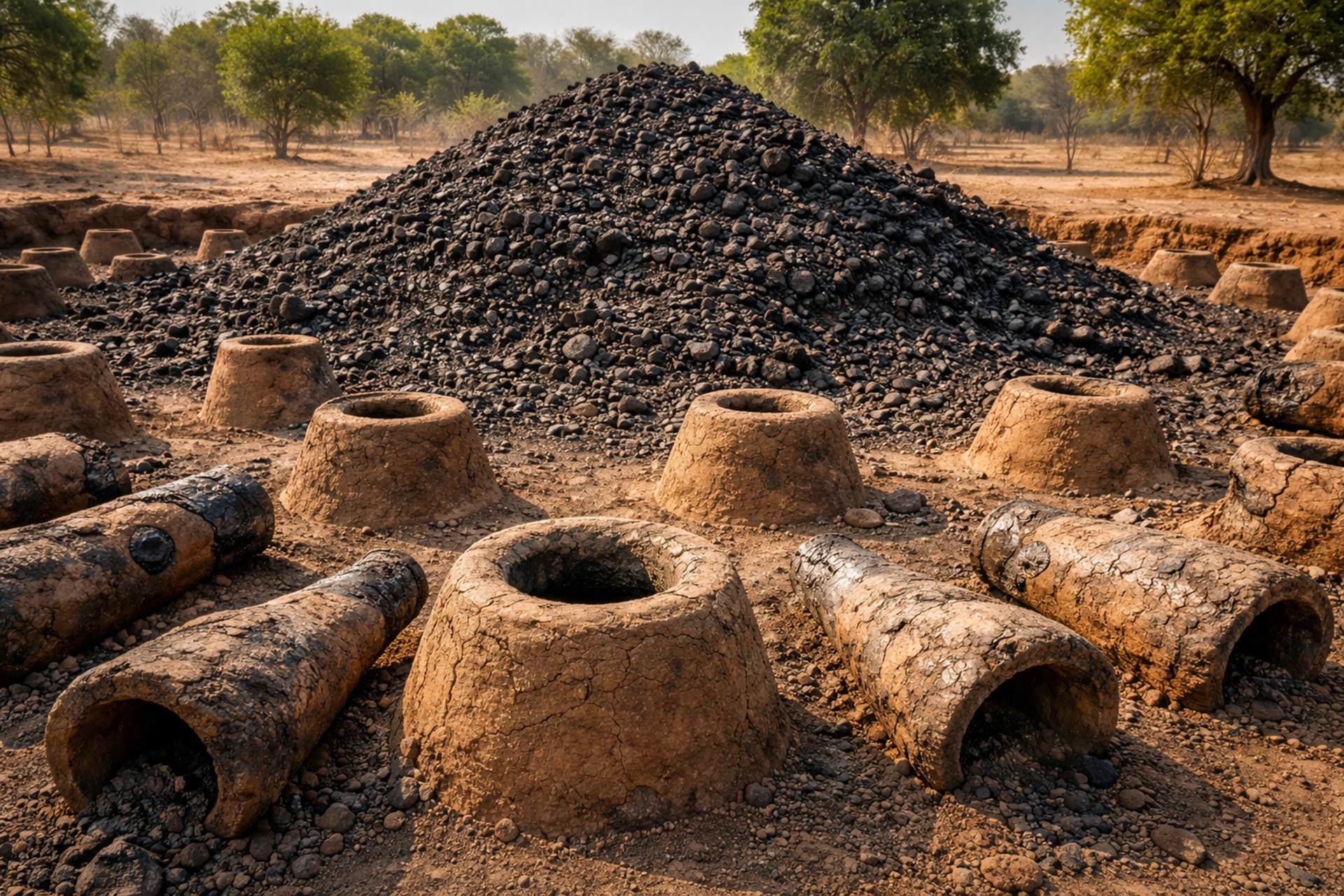
The discovery of an iron smelting workshop at the archaeological site of Didé West 1 in Senegal revealed a structure with about 100 tons of slag, 30 clay tubes, and 35 furnace bases, expanding the debate on the origin and continuity of iron metallurgy in West Africa
The discovery of an iron smelting workshop at the archaeological site of Didé West 1 in Senegal is expanding the understanding of the emergence of iron metallurgy in West Africa. The site contains technical and structural remains that, due to their state of preservation, age, and long period of use, have been described as a unique case by the researchers involved in the study.
The team formed by Mélissa Morel from UNIGE and other researchers pointed out that the Didé West 1 workshop sheds new light on this historical process. The study also highlights that the chronological markers of the Iron Age vary significantly across different regions of the world, although in Europe this period is generally situated between around 800 B.C. and the end of the first century A.D.
The earliest evidence of iron production is associated with the second millennium B.C. in Anatolia, present-day Turkey, and the Caucasus. In this broader context, the Senegalese site stands out for bringing together elements capable of documenting ancient metallurgical practices with a high degree of detail.
-
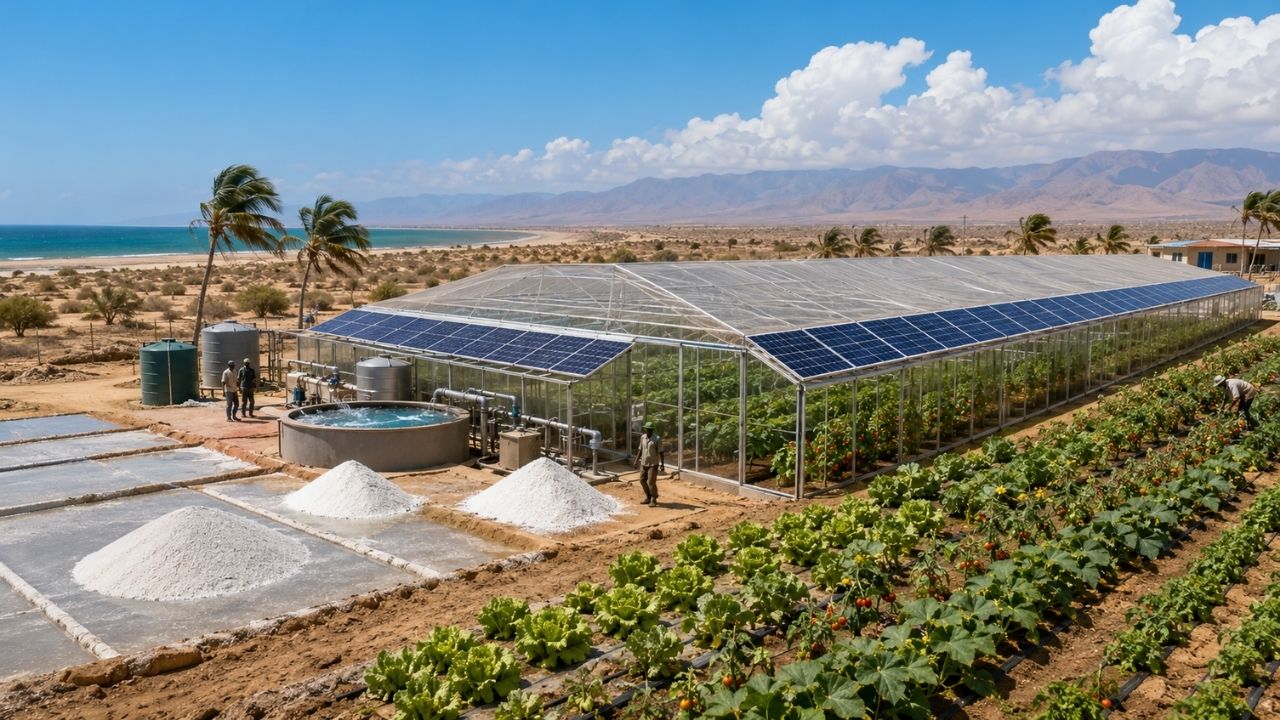
In Somaliland’s Desert, Greenhouse Uses Sun and Seawater to Grow Lettuce, Cucumbers, and Tomatoes Without Rain: 1-Hectare Project Cools Crops, Desalinates Water, and Converts Brine into Commercial Salt

-
Trump Unveils $400 Million Boeing 747 Donated by Qatar as Temporary Air Force One Amid Boeing Delays, Sparking Debate on National Security, Costs, and Foreign Influence
-
Chinese Company Unveils Robotic Toilet That Comes to You, Featuring Lidar Sensors, Voice Command, Bidet, Hot Air Drying, UV Light, and Self-Cleaning Waste Disposal
-
Rotterdam Develops Floodable Square to Absorb Nearly 2 Million Liters of Rainwater, Doubling as Sports, Theater, and Leisure Space When Dry to Combat Urban Flooding



Structure of the workshop in Didé West 1
The workshop consists of a large pile with about 100 tons of slag, as well as a semicircular arrangement of approximately 30 tuyères used, which are clay tubes responsible for channeling air into the furnace. The set also includes 35 circular bases for furnaces, each about 30 centimeters deep.
The researchers indicate that the production of iron and steel at the site was likely done on a small scale to meet local needs. The main purpose of this activity would be the manufacture of agricultural tools, which associates the workshop with production aimed at the practical use of the community.
Mélissa Morel stated that the site is truly unique for its exceptional state of preservation, antiquity, long duration of use, and specific technical characteristics. For the archaeologist, this situation creates a rare opportunity to study the continuity and adaptation of an iron smelting technique over time.
Technical characteristics of the FAL02 tradition
At the Didé West 1 site, the spatial organization, the morphology of the furnace, and the associated residues were linked to the tradition known as FAL02. This tradition is described as consisting of small circular furnaces topped with a removable chimney, as well as the use of large clay nozzles.
One of the central features of this system lies in the air vents, which do not have just one air outlet, but several small openings connected to the main channel by perpendicular side ducts.
This design allows air to be distributed to the bottom of the furnace, indicating a specific technical configuration within the workshop.
Another characteristic noted as distinctive is the use of palm seeds as filling material at the base of the furnace. The researchers recorded that this practice had not been documented previously, which enhances the technical relevance of the set found at Didé West 1.
Technical continuity over time
Anne Mayor, an archaeologist from UNIGE and the Institute of Global Studies, stated that despite the long period during which the workshop operated, this tradition remained remarkably stable. The changes recorded were described as minor technical adjustments, without significant disruption in the mode of operation.
This permanence, according to the researchers, contrasts with other African metallurgical contexts. The case reinforces the importance of understanding the technical and cultural choices made by the early metallurgists involved in iron production.
The stability observed at Didé West 1 transforms the workshop into an important point for studying long-duration processes within African metallurgy. The preservation of the technique and the presence of specific characteristics allow for tracking how this system was maintained and adapted without profound changes over its use.
The work of the team was published in the journal African Archaeological Review. With this, the iron smelting workshop of Didé West 1 occupies a central position in research on the early forms of iron production in West Africa.





Be the first to react!