





 Portuguese
  English
  Spanish
  4 min of reading
  1 comment


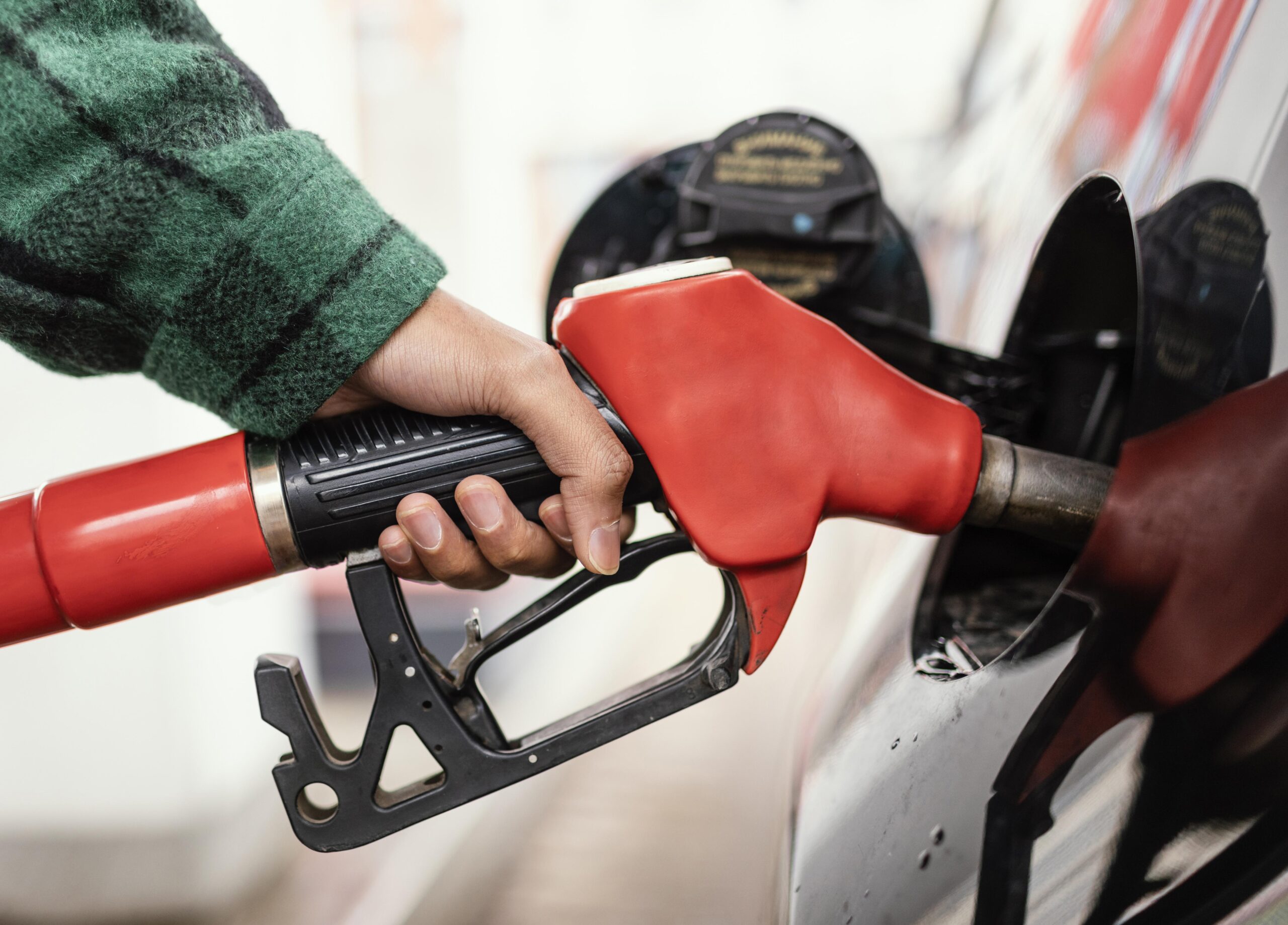

The Government Recently Sanctioned the Inclusion of Gasoline E30 — Which Mixes 30% of Ethanol in Its Composition — into the National Energy Policy.
Starting on August 1, 2025, the new fuel will be valid throughout the country, as reported by the site O Povo.This initiative promises not only to reduce the price of gasoline but also to consolidate a significant advancement towards sustainability in the automotive and energy sectors.
Historically, Brazil has always navigated between intense use of fossil fuels and efforts for renewable energy. Now, with E30, the country seems to be seeking a middle ground that combines economy, supply, and environmental awareness.
A Historical Step in Fuel Policy
In past decades, Brazil faced cycles of oil crises, currency fluctuations, and instability in fuel prices. Therefore, since the 1970s, the country has bet on ethanol as a strategic alternative — especially in the context of the 1973 oil crisis. This movement cemented a national tradition of blends between alcohol and gasoline.
-
The rise in oil prices could ensure an extra revenue of R$ 100 billion for the Federal Government, indicates a recent economic study.

-
Naturgy begins an investment of R$ 1.6 million to expand the gas network in Niterói and benefit thousands of new residences and businesses.
-
A major turn in the Justice system suspends tax increases and directly impacts oil and gas companies in Brazil by affecting costs, contracts, and financial planning, leaving uncertain what could happen to the sector if these costs had increased.

-
Brava Energia begins drilling in Papa-Terra and Atlanta and could change the game by reducing costs in oil while increasing production and strengthening competitiveness in the offshore market.


Despite this, for long periods, the mixes fluctuated, and the dependence on fossil fuels remained. Now, with the officialization of E30, the government revives this tradition in a more structured way, integrating ethanol into the energy matrix with explicit goals of sustainability and competitiveness.
Thus, the adoption of E30 represents both a historical resurgence and a renewal of Brazil’s energy strategy — aligned with global environmental demands and the need to ensure fair prices for consumers.
Benefits of E30: Lower Cost and Lower Environmental Impact
The blend with 30% ethanol brings immediate advantages. First, ethanol in Brazil is primarily produced from sugarcane, a renewable source.
Thus, by using E30, the driver reduces the emission of polluting gases and contributes to a smaller carbon footprint.
Furthermore, national production of the fuel avoids dependence on costly imports vulnerable to global fluctuations. In other words, with E30, Brazil gains more energy and economic autonomy.
Finally, the increasing use of ethanol also stimulates the sustainable agribusiness sector, strengthens rural areas, and reduces intensive use of fossil fuels. All this reinforces the concept of sustainability as the central axis of energy policy.
Impacts on Consumers and the Automotive Market
For consumers, the expectation is for relief in their budgets. If E30 is adopted on a large scale, gasoline prices could drop. This happens because ethanol, in many cases, is cheaper than fossil fuels — especially when the crop and sugarcane supply are favorable.
For the automotive market, the change requires adaptation. Cars that run on regular gasoline will need to be compatible with the E30 blend. However, many models already accept ethanol mixes. Automakers and gas stations will have to adjust refueling procedures and logistics.
Moreover, in light of the new law, companies in the sector may take the opportunity to invest in biofuels, new technologies, and infrastructure for the production and distribution of E30, generating jobs and boosting the local economy.
Sustainability as a Long-Term Strategy
The adoption of E30 does not merely represent a one-time change — it places Brazil on the path of global energy transition. By combining a renewable biofuel with existing infrastructure, the country minimizes environmental impact and preserves competitiveness.
If accompanied by incentive policies, energy efficiency, and emission control, this measure could mark the beginning of a new energy cycle — cleaner, fairer, and more resilient to external crises.
Additionally, the promotion of E30 strengthens Brazil’s international image as a country committed to the Environment, with reduced use of fossil fuels and realistic and viable sustainability strategies.
Challenges in Implementation and Necessary Cautions
Despite the advantages, implementing E30 on a large scale requires attention. It will be essential to ensure adequate infrastructure at gas stations, quality control, and compatibility of vehicles. It will also be important to educate consumers about the benefits and care of the new fuel.
Furthermore, ethanol production must be sustainable — respecting agricultural areas, water use, and sugarcane management to avoid negative environmental impacts.
Another challenge involves regulatory stability and ongoing incentives to maintain the balance between demand, supply, and environmental preservation. The law creates a new context but requires structural commitment from the government, businesses, and society to generate lasting results.
Gasoline E30 as a Symbol of a Possible Transition
With the approval of E30, Brazil takes a concrete step towards sustainability in transportation. The combination of renewable ethanol and traditional gasoline represents a medium-term solution, with economic, environmental, and social benefits.
If well implemented, this initiative can reconnect the country with its tradition of biofuels, modernize the automotive sector, and reduce dependence on fossil fuels. At the same time, it offers citizens the real prospect of lower tariffs and a fairer system.
E30 shows that, with balance, strategy, and a vision for the future, it is possible to unite development, economy, and environmental responsibility — without giving up comfort and mobility.









SUSTENTÁVEL? ESSE GOVERNO PODE SER TUDO, MENOS SUSTENTÁVEL.