





 Portuguese
  English
  Spanish
  4 min of reading
  0 comments


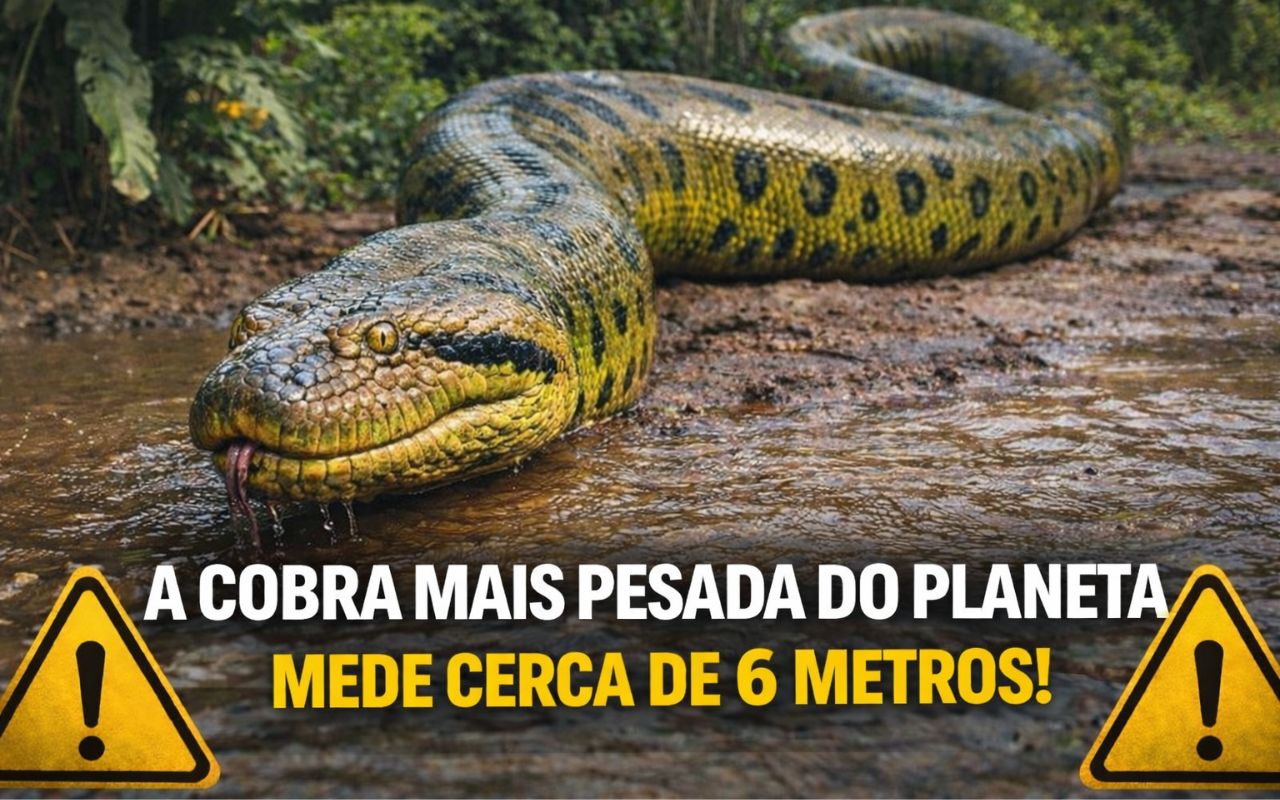
The Green Anaconda, Regarded as the Heaviest and Strongest Snake in the World, Lives in South American Rivers and Impresses with Its Weight, Muscle Strength, and Hunting Strategy.
The green anaconda, internationally recognized as the heaviest and strongest snake in the world, is one of the most impressive animals in the South American fauna.
Found in wetlands, rivers, and tropical forests, this giant snake draws attention not only for its size but also for its muscle strength capable of overpowering large prey.
The species was highlighted in a report by National Geographic Brasil, which gathered scientific data on its biology, behavior, and distribution.
-
He started running at 66 years old, broke records at 82, and is now a subject of study for having a metabolic age comparable to that of a 20-year-old, in a case that is intriguing scientists and inspiring the world.

-
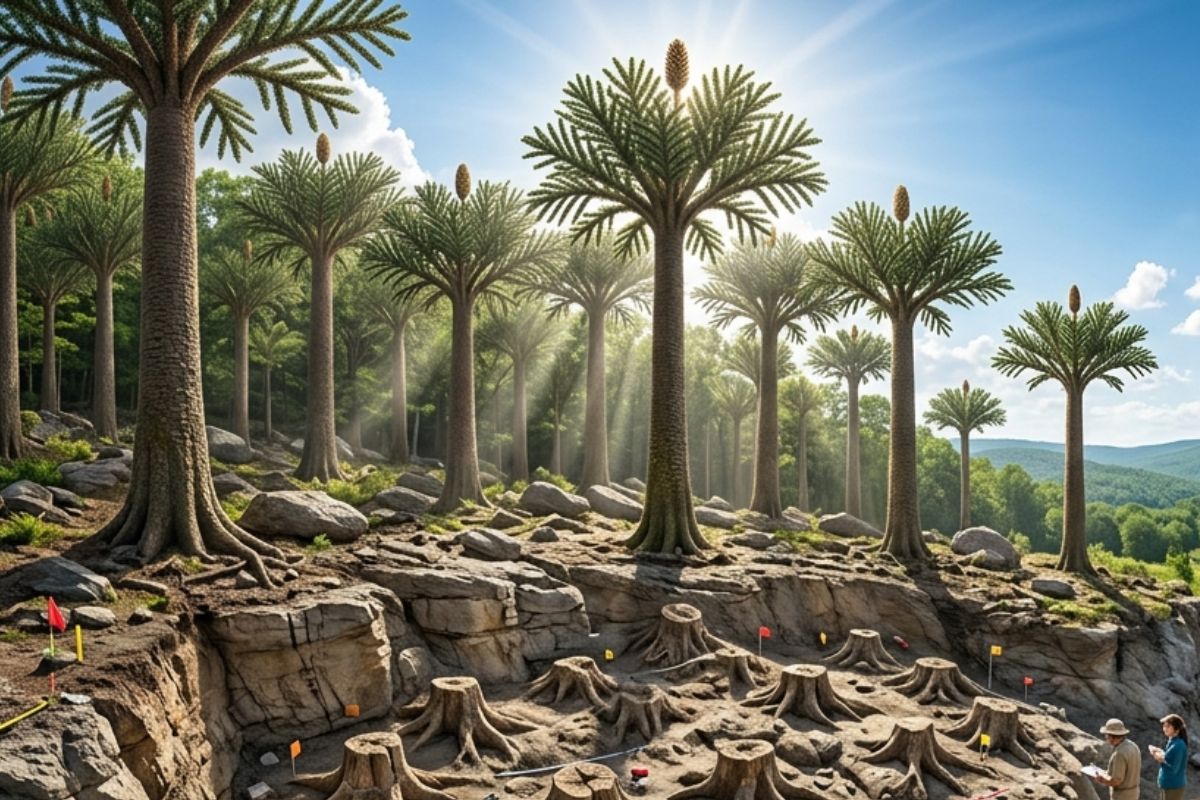
Oldest tree on the planet reappears after 130 years of searches: Wattieza, 385 million years old, was 10 meters tall and had no leaves or seeds; Gilboa fossils in New York solved the mystery in 2007.
-
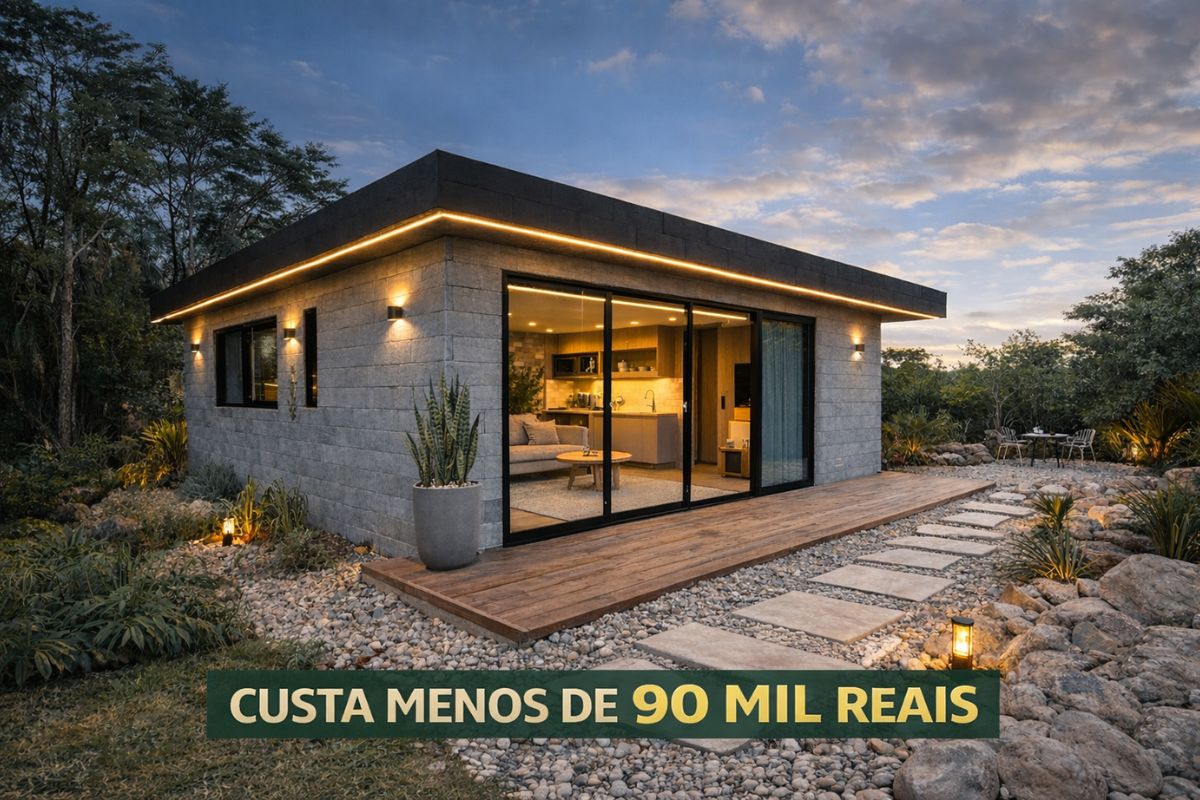
A 48-square-meter house assembled in hours with 4,000 bricks made of recycled plastic that does not absorb moisture, has natural thermal insulation, and costs less than 90,000 reais in a complete kit.
-
Luciano Hang revealed that Havan’s air fleet has already accumulated more than 20,000 landings, 10,000 flight hours, and 6 million kilometers traveled, and he says that without the planes, the company would never have grown so quickly.


Interest in the animal is growing because it represents an extreme example of evolutionary adaptation in aquatic environments of South America.
Where Does the Green Anaconda Live?
The green anaconda primarily inhabits freshwater regions associated with the Amazon and Orinoco river basins.
These environments offer abundant food, vegetation cover, and flooded areas ideal for a semiaquatic snake.
In addition to Brazil and Colombia, the species also occurs in countries such as Venezuela, Peru, Bolivia, and Argentina.
The presence in different territories demonstrates its ability to adapt to various tropical ecosystems, from dense forests to floodplain areas.
Weight and Strength: What Makes It the Most Powerful Snake on the Planet
When it comes to physical strength, no other snake surpasses the green anaconda. Although it is not the longest snake in the world, it holds the title of heaviest and strongest snake in the world due to its enormous body mass.
According to data cited by National Geographic Brasil, some females can weigh around 250 kilograms.
This weight, concentrated in an extremely muscular body, ensures a constriction ability far superior to that of other constricting snakes.
Giant Females and Smaller Males
An important detail of the species is sexual dimorphism, that is, the difference in size between males and females.
The females of the green anaconda are significantly larger and more robust.
While they can exceed six meters in length, males typically measure approximately half that size.
This difference is related to reproduction and the need for females to accumulate more energy for gestation.

How Does the Green Anaconda Kill Its Prey?
Unlike venomous snakes, the green anaconda kills using pure strength. It captures its prey and wraps its body around the animal, tightening progressively.
According to specialists cited in the report, the death does not occur from lack of air, as popularly imagined.
What happens is the interruption of blood circulation, caused by the intense pressure exerted by the snake’s muscles.
Silent and Efficient Hunting Strategy
The green anaconda is an ambush predator. Much of its hunting occurs underwater, where it remains almost invisible due to its olive green coloration with dark spots.
When an animal approaches the bank, the snake strikes quickly and accurately.
This strategy reduces energy expenditure and increases the chances of success, especially in areas rich in wildlife.
Varied Diet and Ecological Role
The diet of the green anaconda includes birds, reptiles, and mammals living near rivers.
After capturing its prey, the snake swallows it whole, using the flexibility of its skull and body to accommodate large animals.
This behavior makes the green anaconda a top predator in many ecosystems, helping to control populations and maintain environmental balance in the areas where it lives.


Reproduction and Birth of Juveniles
The reproduction of the green anaconda is also noteworthy.
The species is ovoviviparous, which means that the eggs develop inside the female’s body.
After the gestation period, the juveniles are fully formed, usually born in shallow and protected areas.
This care increases the chances of survival for the newborns in competitive environments.
Green Anaconda: Myth, Cinema, and Reality
Over the years, movies and stories have exaggerated the behavior of the green anaconda, creating an image of an aggressive and threatening animal to humans.
However, experts assert that there is no evidence of deliberate attacks on people.
The majority of encounters occur accidentally, especially in regions where human encroachment invades the natural habitat of the species.
The green anaconda is a symbol of South American biodiversity. Its presence indicates healthy and well-preserved aquatic environments.








-

-

-

-

-

-

842 pessoas reagiram a isso.