





 Portuguese
  English
  Spanish
 3 min of reading
  0 comments


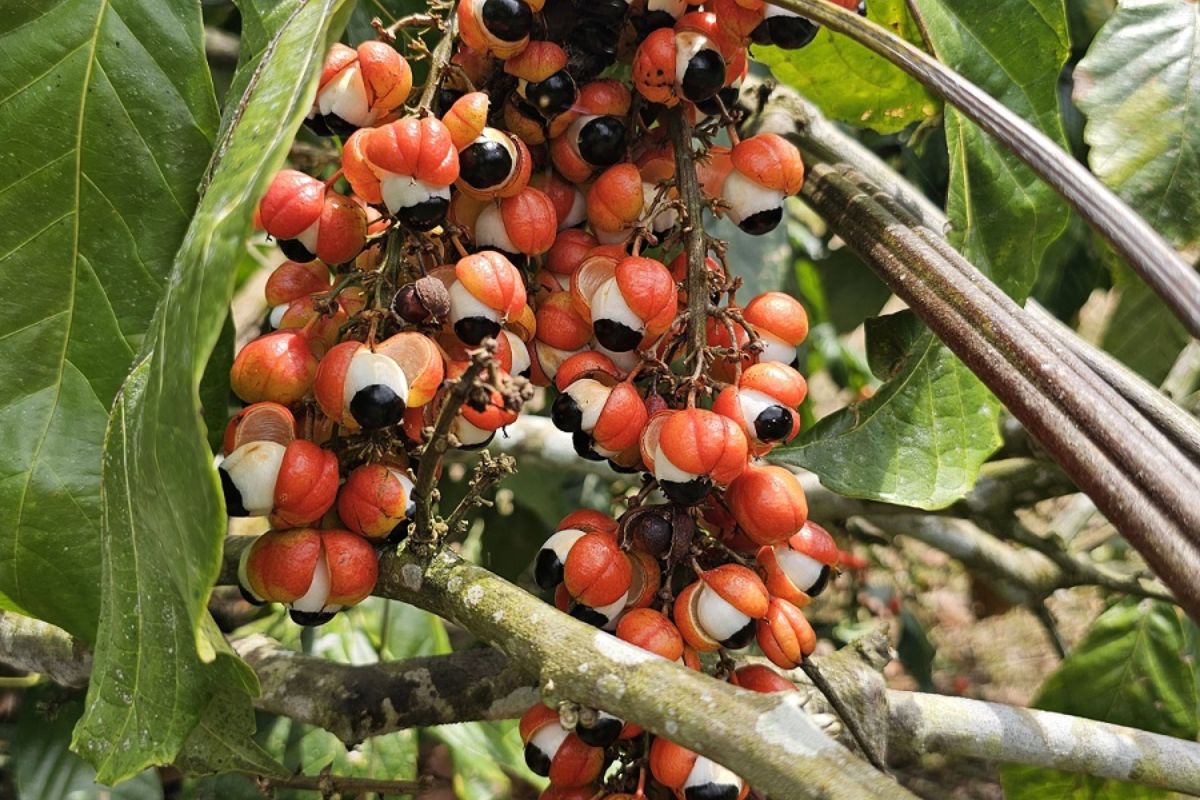
With Guarana Production in Amazonas Strongly Growing in 2025, the Sector Records Advances Influenced by Favorable Climate, Higher Productivity and Strategic Research Conducted by Embrapa
The guarana production in Amazonas is in a scenario that attracts the attention of producers, researchers and companies in the sector, in 2025, according to an article published.
Between November and January, the traditional harvest period, the state is experiencing a cycle marked by a significant increase in the supply of seeds, a movement that surprisingly follows months of concern caused by higher temperatures.
The harvest, monitored in productive and experimental areas, has revealed results above projections and reignited optimism about the economic role of guarana for local farmers.
-
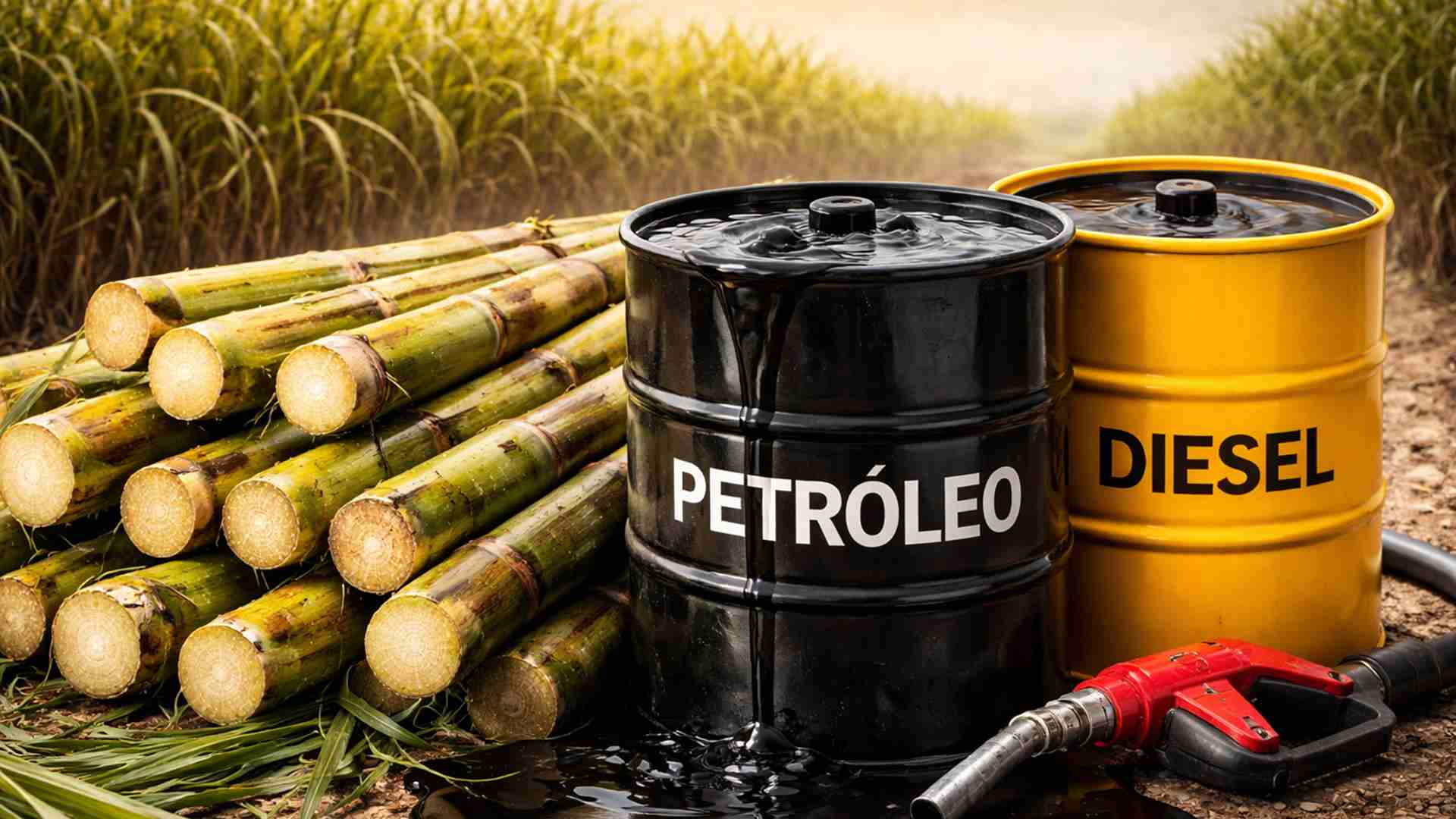
The rise in oil prices in the Middle East is already affecting Brazilian sugar: mills in the Central-South are seeing their margins shrink just as ethanol gains strength.
-
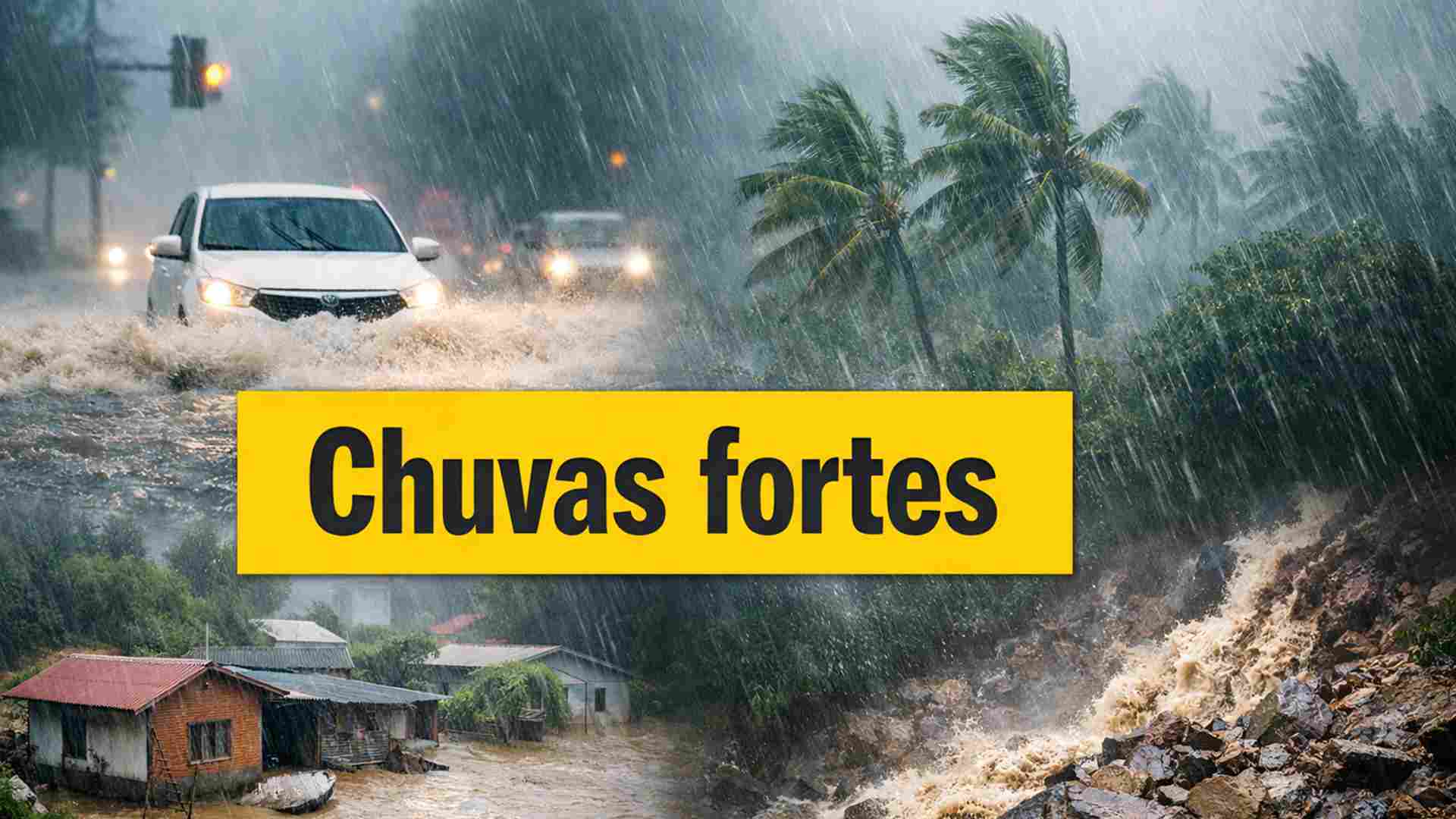
Rain gains strength in April, potentially exceeding 150 mm, placing the North, Northeast, and the coasts of the South and Southeast at the center of the heaviest forecast of the week.
-
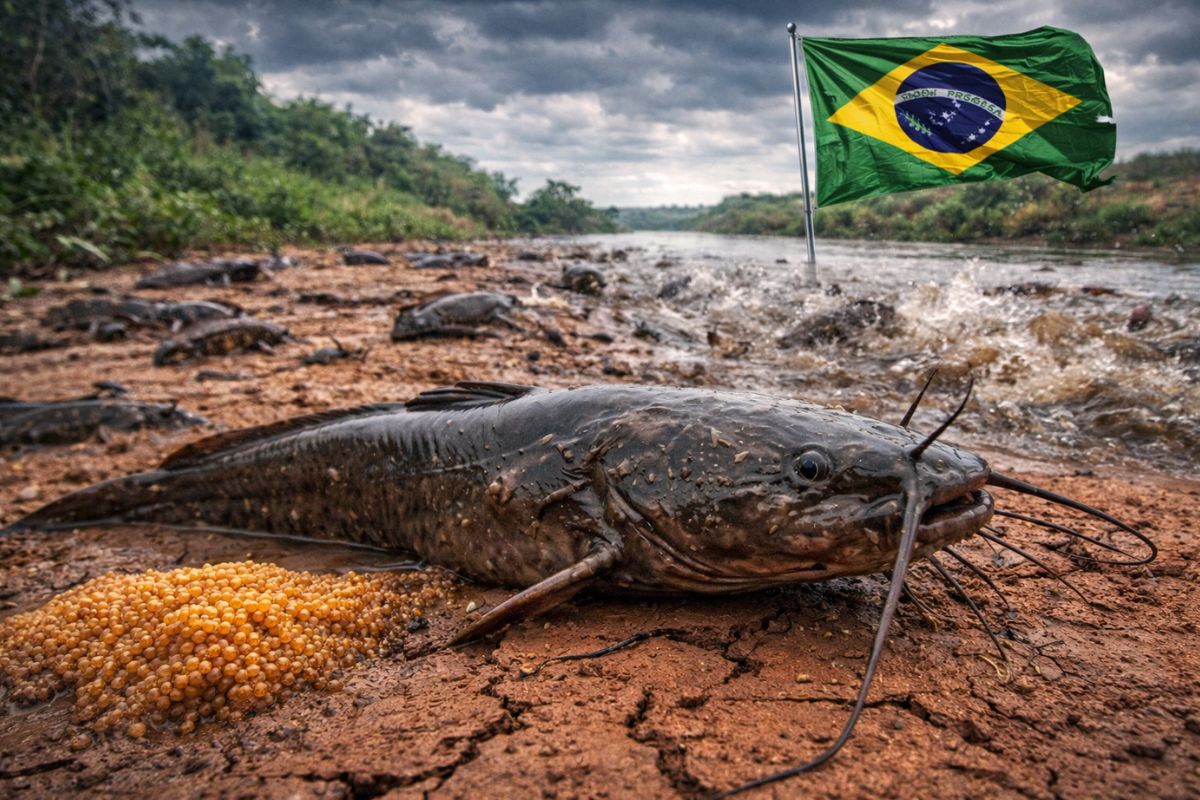
A fish that survives out of water, crawls on land until it finds another river, and whose female lays 80,000 eggs at once is infesting rivers and lakes in Brazil, and no one can stop this invasion.
-
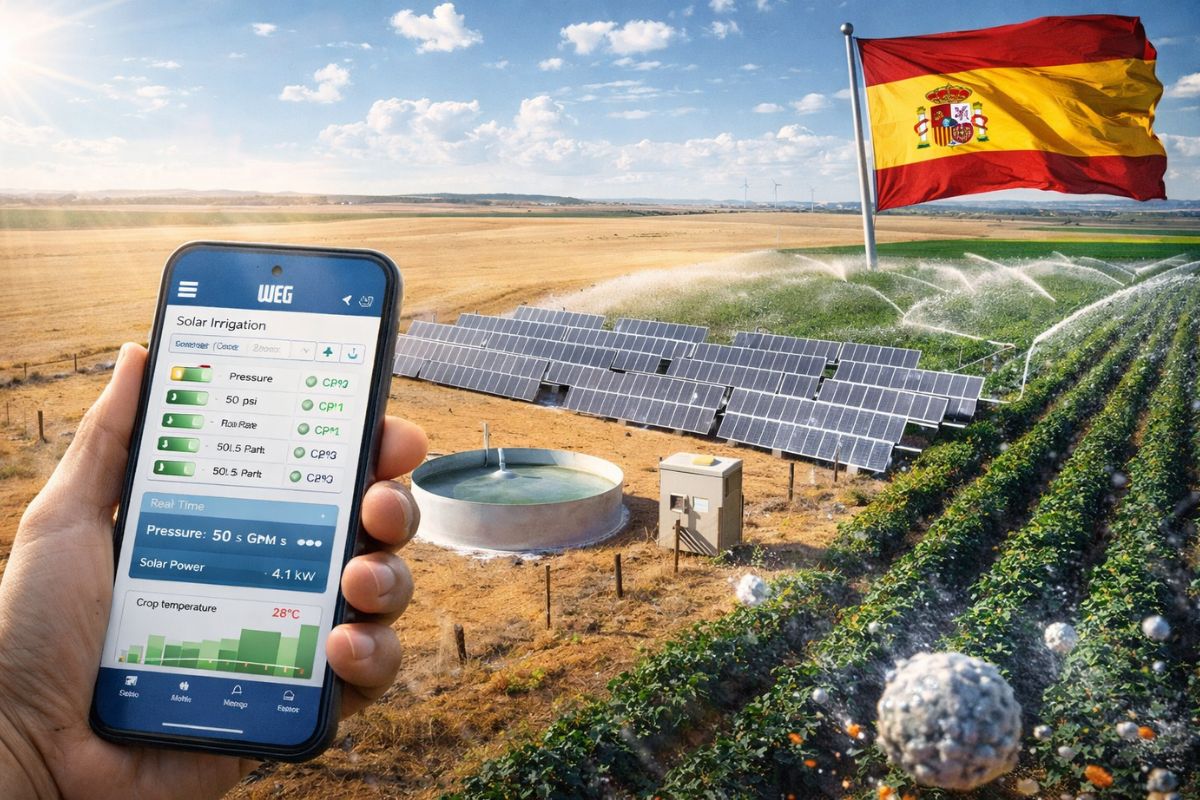
WEG took its technology to Spain to create a solar irrigation system that operates independently without needing an electrical grid, and now farmers control everything remotely via their mobile phones.

Despite discussions about climate change, reports indicate significant evolution in the burden of the plants and performance superior to that observed in the previous year.
The movement in rural communities confirms this advance, reflected in a higher flow of harvested seeds and the expectation of a harvest that consolidates 2025 as an important stage for cultivation in the state.
Harvest of Guarana in 2025 in Amazonas
Field reports indicate that producers are registering a 20% to 30% increase in the supply of beans compared to 2024, while large companies mention an increase close to 50%.
The surveys show plants with heavy loads, with voluminous clusters and good uniformity.
The state, which traditionally produces between 600 and 700 tons per year, has projections ranging from 700 to 800 tons in 2025, considering guarana in dry branches at 13%.
These numbers reinforce the perception that high productivity does not happen by chance, but results from a set of factors that favored the development of the planted areas.
This advance becomes even more relevant in light of the long history of challenges faced by cultivation, especially in years with severe climatic irregularity.
Climate Impacts on Guarana Production in Amazonas
The month of September, considered crucial for flowering, did not register extreme conditions that harmed the crop.
Even with days identified as the hottest in the last two decades, there was no direct harm to the reproductive structures of the plants.
The regularity of rains and the absence of severe drought periods favored the cycle, allowing flowers and fruits to develop consistently.
With the arrival of rains in November in Manaus, concerns arise about possible drops of ripe fruits or rotting of clusters, but the outlook remains positive.
Technical monitoring suggests that, even with this natural risk, consolidated data should confirm that 2025 will be a period of recovery and expansion of cultivation.
Embrapa Research on Guarana
Embrapa Western Amazon’s work remains an essential axis for strengthening the production chain.
The research covers genetic improvement, conservation of varieties and technologies aimed at increasing productivity.
This set of initiatives seeks to preserve the tradition linked to guarana and, at the same time, generate social and economic value for the state.
The actions developed by the institution contribute to guide producers, improve management and enhance the sector’s competitive potential, especially regarding guarana production in Amazonas.
The dissemination of technical knowledge has a direct impact on crop yields and on how farmers interpret the cultivation challenges, which is reflected in the advancements observed in guarana production in Amazonas across different regions.
With the current pace of the harvest and constant monitoring of climatic conditions, producers and researchers await the final results of the harvest to confirm the numbers that have emerged over the last few months.
The mobilization around cultivation reinforces the economic and cultural importance of this emblematic fruit, highlighting the role that guarana production in Amazonas maintains in the regional agricultural landscape.






-

-

-

4 pessoas reagiram a isso.